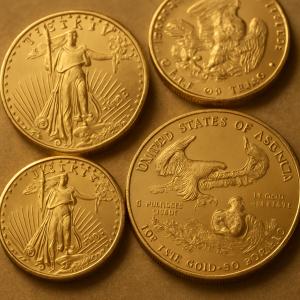
10 troy ounces of silver value
Understanding the value of silver, especially when measured in troy ounces, is essential for investors and collectors alike. Whether you’re investing in silver bullion, trading in the commodity markets, or simply curious about the worth of your silver assets, knowing the current silver rates and how they translate to tangible value is key. The dynamics of the silver market, including its historical significance and modern-day applications, make it a fascinating area for both seasoned investors and newcomers.
Summary
This guide explains what a troy ounce is, why it matters for precious metals, and how to value 10 troy ounces of silver by multiplying the current spot price by 10 (e.g., $25/oz ≈ $250). It clarifies the difference between spot and market prices, including premiums/discounts, and outlines key price drivers such as supply-demand, geopolitics, inflation, currency moves, and purity (99.9 fine). Practical sections compare values across quantities, discuss forms of bullion (coins, bars, rounds), and provide buying/selling channels (local dealers, online, exchanges). Overall, it offers context and strategies to navigate silver’s dynamic market.

A troy ounce is a unit of measure used to weigh precious metals like silver, gold, and platinum. Unlike the standard ounce, which is commonly used in the United States for everyday items, a troy ounce is slightly heavier, weighing approximately 31.1035 grams compared to the standard ounce’s 28.3495 grams. This distinction is crucial when calculating the value of precious metals. Understanding the historical context of the troy ounce and its application in modern trading can enhance your appreciation of this measurement.
Historical Context of the Troy Ounce
The troy ounce dates back to the Middle Ages, rooted in the Roman monetary system. It became widely adopted in the 1800s in the city of Troyes, France. Its consistency and accuracy made it a preferred choice for traders dealing with precious metals. This historical pedigree adds a layer of trust and reliability to transactions involving silver, gold, and other valuable metals.
Why the Troy Ounce Matters
For investors and traders, using the troy ounce as a standard of measurement ensures uniformity in transactions across the globe. This consistency is critical for maintaining fair trade practices and accurate pricing in the metals market. It also prevents discrepancies that could arise from using different weight units, which could potentially skew the perceived value of silver.
Comparing Troy Ounces to Standard Ounces
While both troy ounces and standard ounces measure weight, their applications differ significantly. The troy ounce is reserved for precious metals, while the standard ounce is used for everyday items like food and household goods. This difference underscores the importance of understanding the correct unit of measurement when dealing with investments in metals.
The Market Price of Silver
The silver market price fluctuates based on various factors including supply and demand, geopolitical stability, inflation rates, and currency strength. Investors monitor these changes closely to make informed buying or selling decisions. The market is influenced by a complex interplay of global events, economic indicators, and industry-specific trends.
Supply and Demand Dynamics
Silver’s demand spans multiple industries, from electronics to jewelry, affecting its market price. When industrial demand surges, prices tend to rise, while an oversupply can drive prices down. Monitoring these trends helps investors predict potential shifts in silver’s value.
Geopolitical Influences
Geopolitical events can have a profound impact on silver prices. Political instability or conflict in major producing regions may disrupt supply chains, leading to price spikes. Conversely, stability in these areas can result in more predictable pricing and availability.
Economic Indicators and Currency Fluctuations
Silver is often seen as a hedge against inflation and currency devaluation. When economic indicators suggest rising inflation, investors may turn to silver to protect their wealth, driving up prices. Similarly, a weaker U.S. dollar can make silver more attractive to international buyers, influencing its market value.
Calculating the Value of 10 Troy Ounces of Silver
To find out the value of 10 troy ounces of silver, you simply multiply the current silver ounce price by 10. For instance, if the silver ounce price is $25, then:
[ \text{Value of 10 Troy Ounces} = 10 \times 25 = $250 ]
Understanding Spot Price vs. Market Price
The spot price of silver is the current market price at which it can be bought or sold for immediate delivery. This price fluctuates throughout the trading day based on real-time market conditions. Understanding the difference between spot price and market price, which includes premiums or discounts, is essential for accurate valuation.
Role of Premiums and Discounts
Premiums are added to the spot price of silver to cover minting, distribution, and retailer costs. These can vary based on the form of silver (coins, bars) and market demand. Similarly, discounts might occur if selling back to a dealer. Recognizing these factors helps investors calculate the true cost of purchasing or selling silver.
Real-World Examples and Calculations
Applying real-world scenarios, such as the impact of geopolitical events on silver prices, can illustrate how theoretical knowledge translates into practice. By reviewing historical data, investors can better predict future trends and make informed decisions based on past market behavior.
Factors Affecting Silver Value

Several factors can influence the value of 10 troy ounces of silver:
Market Demand
High demand for silver in industries like electronics and jewelry can increase its value. Silver’s unique properties, such as its conductivity and antibacterial qualities, make it indispensable in various applications. As technology advances, the demand for silver in new applications continues to grow, potentially affecting its price.
Economic Conditions
Economic instability can lead investors to seek safe-haven assets like silver, driving up prices. During times of economic uncertainty, silver’s historical reputation as a store of value becomes particularly appealing. Analyzing economic indicators, such as unemployment rates and GDP growth, provides insights into potential shifts in silver demand.
Currency Fluctuations
A weaker U.S. dollar often results in higher silver prices. As silver is traded globally, currency fluctuations can affect its affordability and appeal to international investors. Understanding the relationships between major currencies and silver prices can inform investment strategies.
Geopolitical Events
Political unrest can impact precious metal prices as investors look for stable assets. In times of geopolitical tension, silver, along with gold, is often viewed as a safe-haven investment. Monitoring global political developments allows investors to anticipate potential impacts on silver prices.
Comparing Different Quantities of Silver
It’s useful to compare the value of different quantities of silver to understand the market better:
2 Troy Ounces of Silver Value
If the silver ounce price is $25, then 2 troy ounces would be valued at:
[ 2 \times 25 = $50 ]
Small Quantity Investment Strategies
Investing in smaller quantities of silver can be a strategic entry point for new investors. It allows for gradual exposure to the market without committing significant capital upfront. This approach also provides flexibility to adjust investments as market conditions change.
Benefits of Incremental Investments
Incremental investments can help average out the cost of silver over time, reducing the impact of market volatility. By purchasing silver at different price points, investors can potentially lower their average cost per ounce, enhancing long-term returns.
Practical Applications
Understanding how small quantities of silver fit into a broader investment strategy is crucial. Investors might choose to acquire smaller amounts to test market conditions or diversify their portfolios without overextending financially.
5 Troy Ounces of Silver Value
Similarly, for 5 troy ounces:
[ 5 \times 25 = $125 ]
Mid-Range Investment Considerations
Investing in mid-range quantities of silver provides a balance between exposure and risk. It allows for meaningful participation in the market while maintaining manageable investment levels. This strategy is often suitable for investors seeking a moderate level of involvement.
Balancing Risk and Reward
Mid-range investments in silver can offer a balance between potential gains and risk exposure. By diversifying investment across different forms of silver, such as coins and bars, investors can optimize their portfolio for both stability and growth.
Impact on Portfolio Diversification
Including mid-range quantities of silver in a diversified portfolio can enhance its overall resilience. Silver’s performance may counterbalance other assets, such as stocks or bonds, particularly during periods of market turbulence.
20 Troy Ounces of Silver Value
And for 20 troy ounces:
[ 20 \times 25 = $500 ]
High-Volume Investment Strategies
Larger investments in silver often appeal to experienced investors seeking significant exposure. High-volume purchases can take advantage of economies of scale, potentially reducing per-ounce costs through lower premiums.
Understanding Bulk Purchase Benefits
Buying in bulk can offer advantages, such as discounted premiums, making it a cost-effective strategy for those with substantial capital. Bulk purchases are particularly appealing for investors with a long-term outlook on silver’s potential appreciation.
Risks and Rewards of Large Investments
While large investments in silver carry potential rewards, they also come with increased risk. Market fluctuations can significantly impact the value of substantial holdings. Careful analysis and strategic planning are crucial for managing these risks effectively.
Comparing 10 Troy Ounces of 99.9 Fine Silver
When discussing ten troy ounces of 99.9 fine silver, it’s important to note that “fine silver” refers to silver that is 99.9% pure. This purity level is standard for most silver bullion products.
Importance of Purity in Silver Investment
Purity is a critical factor in silver investment, as it directly influences the metal’s value. Investors should verify the purity of their silver holdings to ensure they receive fair value in transactions. Fine silver’s high purity makes it an attractive option for those seeking quality investments.
How Purity Affects Market Value
The market value of silver can vary based on its purity. Higher purity levels typically command higher prices, reflecting their desirability among buyers. Understanding how purity affects pricing can guide investors in selecting the right products for their portfolios.
Evaluating Different Types of Silver Products
Investors can choose from various silver products, each with distinct purity levels. Coins, bars, and rounds offer different investment opportunities, with purity playing a key role in determining their market appeal. Evaluating these options helps investors align their choices with their investment goals.
Investing in Silver Bullion
Silver bullion is a popular investment choice due to its tangible nature and historical value retention. Unlike stocks or bonds, physical silver can be held and stored, offering a sense of security. The allure of owning a tangible asset with intrinsic value makes silver an appealing addition to many investment portfolios.
Why Invest in Silver?

by Scottsdale Mint (https://unsplash.com/@scottsdalemint)
Diversification Benefits
Silver provides portfolio diversification, reducing overall risk. As an asset with different market dynamics than equities or fixed income, silver can enhance a portfolio’s balance. This diversification can be particularly beneficial during economic downturns, when traditional assets may underperform.
Silver as an Inflation Hedge
As a physical asset, silver can act as a hedge against inflation. Its intrinsic value tends to hold steady even as fiat currencies lose purchasing power. Investors seeking to preserve wealth in inflationary environments often turn to silver as a reliable safeguard.
Liquidity and Market Accessibility
Silver is easily bought and sold, offering liquidity to investors. Its widespread recognition and availability make it accessible to both new and seasoned investors. This liquidity ensures that investors can quickly adjust their positions in response to market changes.
Forms of Silver Bullion
Silver bullion comes in various forms, including coins, bars, and rounds. Each has its own advantages depending on an investor’s strategy.
Coins: Numismatic and Intrinsic Value
Coins often carry a numismatic value in addition to their metal content. This dual value can enhance their appeal, particularly to collectors. However, numismatic coins may come with higher premiums, so investors should weigh these factors against their investment goals.
Bars: Cost-Effective Investment
Bars typically offer a lower premium over the spot price compared to coins. Their standardized sizes and purity make them a cost-effective choice for those seeking to maximize their silver holdings. Investors can choose from a range of bar sizes to suit their financial capacity and storage capabilities.
Rounds: Investment Flexibility
Rounds are similar to coins but usually lack legal tender status. They provide a flexible option for investors who prioritize metal content over numismatic value. Rounds can be a practical choice for those looking to accumulate silver without incurring the additional cost of collectible coins.
How to Buy and Sell Silver
Purchasing and selling silver can be done through various channels:
Physical Dealers
Local coin shops or precious metal dealers offer face-to-face transactions. This personal interaction can provide reassurance and immediate possession of purchased silver. Establishing relationships with reputable dealers can lead to favorable terms and insider market insights.
Online Dealers
Websites provide a convenient way to compare prices and purchase silver. The digital marketplace offers a wide selection of products and competitive pricing. However, investors should exercise caution, ensuring they buy from reputable online dealers to avoid potential scams.
Commodity Exchanges
For those interested in trading silver futures or options, commodity exchanges offer a platform for sophisticated investment strategies. These financial instruments allow investors to speculate on future price movements, potentially generating profits regardless of market direction. However, they come with inherent risks, requiring thorough understanding and risk management.
Conclusion
Understanding the value of 10 troy ounces of silver involves considering current market prices, purity levels, and external economic factors. As an investor or silver enthusiast, staying informed about precious metal prices and market trends is crucial. Whether you’re holding silver as a hedge against economic uncertainty or as part of a diversified portfolio, its enduring value makes it a wise consideration for many.
Remember, the silver market is dynamic, and prices can change rapidly. Keep an eye on the latest developments to make the best investment decisions. Regularly reviewing your investment strategy, assessing market conditions, and seeking expert advice can help ensure that your silver holdings align with your financial goals.
Q&A
Question: How do I calculate the value of 10 troy ounces of silver?
Short answer: Multiply the current silver spot price per troy ounce by 10. For example, if silver is $25/oz, then 10 troy ounces ≈ $250. Your actual purchase or sale price may differ from spot due to premiums (minting, distribution, retailer costs) or discounts when selling back to a dealer, and these vary by product (coins, bars, rounds) and market demand.
Question: What’s the difference between a troy ounce and a standard ounce, and why does it matter?
Short answer: A troy ounce (used for precious metals) weighs about 31.1035 grams, while a standard ounce (avoirdupois, used for everyday items) is about 28.3495 grams. Using the correct unit matters because pricing in the silver market is standardized in troy ounces; mixing units can misstate value and lead to inaccurate trades.
Question: What’s the difference between spot price and the market price I pay or receive?
Short answer: The spot price is the live, base price for immediate delivery that fluctuates throughout the trading day. The market price you transact at typically includes a premium over spot when buying (to cover minting, distribution, and retailer costs) and may include a discount when selling back to a dealer. Product type, purity, and demand influence how large these add-ons are.
Question: What factors can change the value of 10 troy ounces of silver?
Short answer: Key drivers include:
- Supply and demand across industries like electronics and jewelry
- Geopolitical events that disrupt or stabilize supply
- Economic conditions, especially inflation and safe-haven demand
- Currency moves, notably a weaker or stronger U.S. dollar
- Product purity (e.g., 99.9% fine) and form, which affect premiums
Question: Which silver products should I consider, and how does purity affect value?
Short answer:
- Coins can carry numismatic value and often higher premiums.
- Bars are usually more cost-effective with lower premiums per ounce.
- Rounds prioritize metal content without legal-tender or collectible value. Purity matters: 99.9% (fine silver) is standard for bullion and typically commands stronger market appeal. Higher purity generally supports higher prices, so verify purity to ensure fair valuation. For access and liquidity, you can buy/sell through local dealers (face-to-face, immediate possession), reputable online dealers (broad selection, easy comparisons), or use commodity exchanges if pursuing futures/options with higher complexity and risk.