How Much Does a Gold Bar Cost? (2026 Complete Price Guide)
Gold has a way of stopping people mid-scroll. Whether you’ve seen the stacked bars inside a central bank vault or watched the price ticker climb to record highs on the news, there’s something about gold that commands attention. But once the curiosity kicks in and you actually ask, “okay, so how much does a gold bar cost?” the answer is rarely straightforward.
The truth? It depends. The weight, the purity, the current spot price, the dealer premium, and even where the gold comes from all of these things move the final number. At Minerals Base Agency, Uganda’s leading gold seller and exporter, we walk buyers through this every single day. So here’s a plain-English breakdown of exactly what you need to know before you put any money down.
What Sets the Price of a Gold Bar?
Before we delve into the actual figures, it’s helpful to understand why the price is what it is. Gold bar cost isn’t arbitrary it’s the sum of several moving parts.
The Spot Price
The gold spot price is the real-time market rate for one troy ounce of pure gold. Think of it as the baseline the foundation everything else is built on. As of May 2026, gold spot prices have been trading in historically elevated territory, crossing the $3,200–$3,500 per troy ounce range following a remarkable bull run driven by geopolitical tension, inflation hedging, and central bank accumulation.
The spot price changes by the second during trading hours. Any reputable dealer including Minerals Base Agency prices gold bars in direct relation to this live market rate.
The Premium
When you buy a physical gold bar, you’re not just paying for the raw metal. You’re paying for the refining, the certification, the secure packaging, the logistics, and the dealer’s margin. That additional cost above spot is called the premium.
Premiums vary based on bar size:
- Larger bars (400 oz, 1 kg) carry lower premiums often 1% to 3% above spot because the fixed costs are spread over a larger value.
- Smaller bars (1g, 5g, 10g) carry noticeably higher premiums sometimes 15% to 25% because those same fixed costs are applied to much less gold.
This is why serious investors and institutions tend to buy larger bars. The math simply works better at scale.
Purity and Assay Certification
A gold bar’s purity grade directly affects its market value and resale credibility. Standard investment-grade gold bars are typically stamped:
- .999 fine gold 99.9% pure (common for standard bullion bars)
- .9999 fine gold 99.99% pure (the preferred grade for institutional trading and international settlement)
- .99999 fine gold 99.999% pure (rare; produced by select refineries for specific use cases)
Every bar sourced through Minerals Base Agency comes with full assay certification confirming purity, weight, and origin a non-negotiable standard in the international gold trade.
Gold Bar Prices in 2026 Breakdown by Size
Based on current market conditions (May 2026, with gold trading near $3,300–$3,500/oz), here’s how bar sizes and prices stack up. Note that actual purchase prices include dealer premiums:
| Gold Bar Size | Approximate Weight | Approx. Price at Spot | Notes |
|---|---|---|---|
| 1 gram | 0.032 troy oz | ~$110–$130 | High premium; entry-level |
| 5 grams | 0.16 troy oz | ~$550–$650 | Popular gift size |
| 10 grams | 0.32 troy oz | ~$1,100–$1,300 | Good starter bar |
| 1 troy ounce | 31.1 grams | ~$3,300–$3,500 | Most popular retail bar |
| 10 troy ounces | 311 grams | ~$33,000–$35,500 | Solid investor bar |
| 1 kilogram | 32.15 troy oz | ~$105,000–$115,000 | Institutional favourite |
| 400 troy ounces | ~12.4 kg | ~$1.3M–$1.4M | Standard central bank bar |
Prices are approximate and fluctuate with live market conditions. Contact Minerals Base Agency for current pricing and bulk rates.
The 1-ounce gold bar remains the most traded size among retail investors worldwide liquid, recognizable, easy to store, and priced at a point where the premium is reasonable relative to the metal’s value.
The 400-Ounce “Good Delivery” Bar What Central Banks Buy
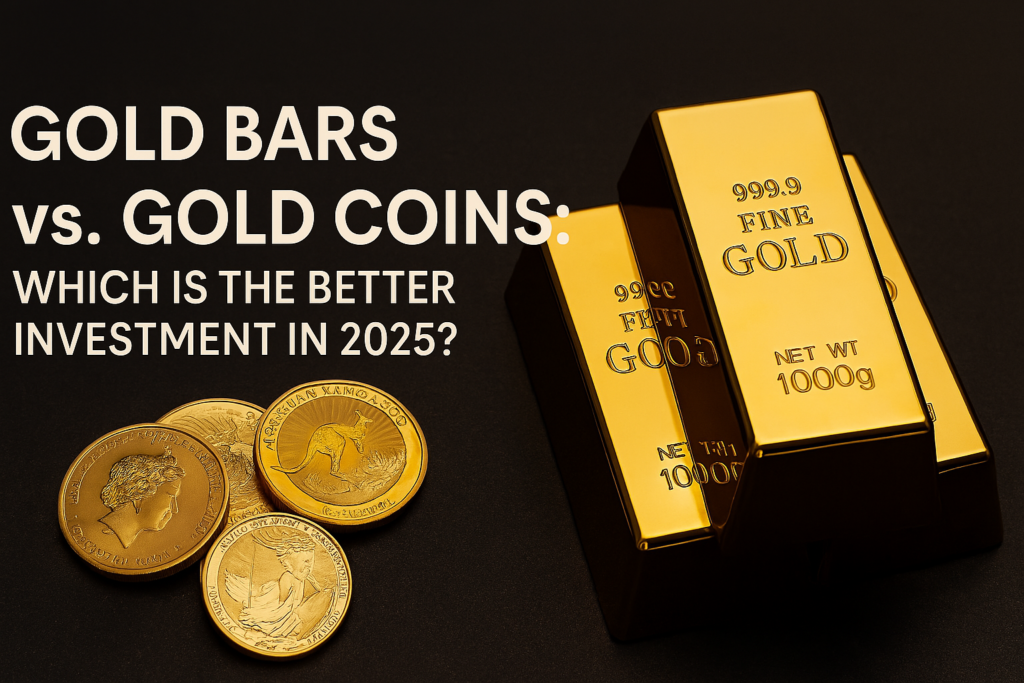
If you’ve ever pictured a classic gold bar from a movie heist, what you’re actually imagining is a 400-troy-ounce Good Delivery bar the globally accepted standard for wholesale gold settlement, central bank reserves, and institutional trading.
These bars weigh approximately 12.4 kilograms (about 27 pounds), measure roughly the size of a brick, and at today’s gold prices, each one is worth over $1.3 million USD. They’re produced under the strict standards of the London Bullion Market Association (LBMA) and are what gets moved between central banks, sovereign wealth funds, and major bullion banks.
For most private investors, a Good Delivery bar isn’t the entry point but understanding it gives you context for why smaller retail bars carry those premiums we mentioned earlier. Every small bar starts life as part of a large 400 oz delivery.
Why Gold Prices Have Been Climbing and Why That Matters Right Now
There’s a reason everyone from small retail investors to multinational corporations has been asking “how much does a gold bar cost?” with renewed urgency.
Gold has had a staggering run since 2024. From around $2,000 per ounce in early 2024, prices surged past $3,000, breached $3,500, and even touched $5,000 briefly during peak market anxiety in 2025. Multiple forces are at play:
Geopolitical uncertainty has driven safe-haven demand to multi-decade highs. When markets get nervous tariff wars, regional conflicts, currency instability gold is the asset people reach for because it doesn’t carry counterparty risk.
Central bank buying has been aggressive, particularly from emerging market central banks looking to reduce their dependence on dollar reserves. Countries across Africa, Asia, and the Middle East have been stacking gold at a pace not seen in generations.
Currency debasement fears continue to push investors toward tangible assets. Gold doesn’t inflate away. It doesn’t get printed. That makes it uniquely appealing in an era of expanding money supply.
African gold supply is increasingly in the spotlight, with Uganda specifically gaining international attention as a significant gold-producing region. That’s exactly where Minerals Base Agency operates.
Minerals Base Agency Uganda’s Leading Gold Seller and Exporter

Not every seller is equal. The gold market has its share of middlemen, inflated premiums, and worse — unverified product. That’s a real problem when you’re moving significant capital into a physical asset.
Minerals Base Agency was established to fix that problem at the source.
We are Uganda’s leading gold seller and exporter, operating directly at the point of origin. Uganda sits on some of the richest mineral deposits in East Africa, and we’ve built our business on giving serious buyers private investors, trading houses, refineries, and institutional clients direct, transparent access to certified Ugandan gold at competitive prices.
Here’s what sets us apart:
Direct sourcing. We procure gold directly from licensed miners and artisanal mining cooperatives in Uganda, eliminating unnecessary intermediary layers and the markup that comes with them.
Full documentation. Every transaction through Minerals Base Agency comes with the proper paperwork mineral export licenses, assay certificates, certificates of origin, and compliance with Uganda’s mineral trade regulations.
Competitive pricing. Because we operate at source, our pricing is benchmarked against international spot rates without the inflated margins that retail buyers encounter elsewhere.
Export experience. We have established relationships with freight forwarders, customs officials, and receiving agents in multiple countries. We’ve done the logistics so you don’t have to figure it out alone.
Reliability. In a market where trust is everything, our track record with repeat buyers across Europe, Asia, and the Middle East speaks louder than any marketing language.
Whether you’re buying a few kilograms for the first time or looking for a consistent supply chain partner for larger volumes, Minerals Base Agency is built to serve both ends of that spectrum.
📞 Contact our team to receive a current price sheet, documentation samples, and details on our procurement and export process.
How to Buy a Gold Bar What the Process Actually Looks Like
Buying a gold bar for the first time especially from an international source can feel complicated. It doesn’t have to be. Here’s how the process typically works when you work with a reputable dealer like Minerals Base Agency:
Step 1 — Know the spot price. Before any conversation, check the live spot price on a trusted source like Kitco, Gold Price, or APMEX. This is your anchor number.
Step 2 — Agree on size and grade. Decide what bar size works for your budget and goals. For investment purposes, we typically recommend starting with at least a 1-ounce or 10-gram bar to keep premiums manageable.
Step 3 — Verify documentation. Ask for the assay certificate, proof of origin, and the seller’s licensing information. Any legitimate dealer will provide this without hesitation.
Step 4 — Confirm the premium. The total price you pay is spot + premium. Make sure the premium is clearly itemized so you know exactly what you’re paying for.
Step 5 — Understand storage. Physical gold needs proper storage. Options include home safes, bank vaults, private vault services, and allocated storage with specialist custodians. Each has different cost and accessibility trade-offs.
Step 6 — Know your exit. A good investment is one you can eventually sell. Gold bars from recognized refineries and certified dealers resell easily on the secondary market. This is another reason provenance and documentation matter.
Gold Bar Investment Options Beyond Just Buying the Bar
Physical bars aren’t the only way to get exposure to gold’s price performance. Serious investors often use a mix of:
Physical Gold Bars — The most direct form of ownership. You hold the metal outright, with no counterparty risk. The downside is storage cost and reduced liquidity compared to paper equivalents.
Gold ETFs (Exchange-Traded Funds) — Funds that track the gold price and trade on stock exchanges like shares. They’re liquid and low-cost, but you don’t actually own any physical metal.
Gold Mining Stocks — Shares in companies that mine gold. These can outperform the gold price in bull markets but carry operational and management risks that pure metal ownership doesn’t.
Gold Futures and Options — Derivative instruments for sophisticated traders. These allow leveraged exposure to gold prices but require significant market knowledge and risk tolerance.
For wealth preservation, capital allocation, and genuine store-of-value investing, nothing replaces holding physical gold bars directly. The rest are financial instruments with varying degrees of counterparty exposure. Physical gold is the real thing.
What Makes Ugandan Gold Special?
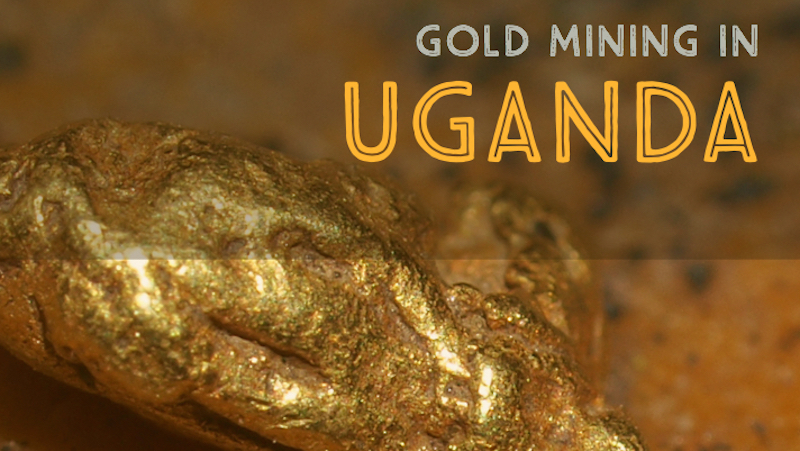
Uganda holds an estimated 31 million tonnes of gold ore one of the largest confirmed deposits in Africa. The country’s Karamoja, Busia, Mubende, and Moroto regions are actively producing gold, much of which is finding its way into international markets.
Ugandan gold is well-regarded for its purity. Artisanal and small-scale miners (ASM) in Uganda produce gold that frequently tests at 22–24 karats before refining an excellent starting purity for the international bullion market.
The Ugandan government, through the Ministry of Energy and Mineral Development, has been actively improving the regulatory framework around mineral exports to attract responsible international buyers. For buyers who care about sourcing transparency and ethical supply chains and increasingly, institutional buyers do Ugandan gold from a licensed exporter like Minerals Base Agency is an attractive proposition.
Frequently Asked Questions About Gold Bar Costs
How much does a gold bar cost right now?
A standard 1-ounce gold bar currently trades at approximately $3,300–$3,500 depending on market conditions. A 1-kilogram bar runs around $105,000–$115,000. The 400-troy-ounce institutional bar is valued at over $1.3 million. All prices fluctuate with the live spot price, so always check current rates before transacting.
What’s the cheapest gold bar I can buy?
A 1-gram gold bar is the smallest widely available size and costs around $110–$130 at current prices. However, 1-gram bars carry very high premiums relative to their gold content — sometimes 20% or more above spot. For better value, consider starting with a 10-gram or 1-ounce bar.
Is buying gold bars a good investment in 2026?
Gold has historically preserved purchasing power over long periods and has performed exceptionally well over the past two years. Whether it’s “good” for you depends on your investment goals, time horizon, and portfolio composition. Gold is best understood as a hedge and store of value, not a high-growth speculative asset.
How do I know if a gold bar is real?
Always buy from certified, licensed dealers. Genuine gold bars come with assay certificates stamped with the refiner’s mark, bar serial number, weight, and purity grade. Physical verification methods include XRF (X-ray fluorescence) testing, ultrasound density testing, and fire assay all of which reputable dealers can facilitate.
Can I buy gold bars directly from Uganda?
Yes. Minerals Base Agency is a licensed gold exporter in Uganda and sells directly to international buyers. We handle the full export process, including documentation, freight coordination, and compliance with both Ugandan mineral export laws and receiving country import regulations.
What’s the difference between the spot price and the price I actually pay?
The spot price is the raw wholesale market price for one troy ounce of gold. When you buy a physical bar, you also pay a premium that covers refining costs, bar fabrication, dealer margin, and logistics. The smaller the bar, the higher the premium as a percentage. Always ask for this to be broken out clearly.
How much does a 400-ounce gold bar weigh?
A standard 400-troy-ounce Good Delivery gold bar weighs approximately 12.4 kilograms (about 27 pounds). These are the bars stored in central bank vaults and traded between institutional market participants.
Final Thoughts
Gold isn’t complicated but the people selling it sometimes make it feel that way. Strip away the jargon and the answer to “how much does a gold bar cost?” comes down to three things: the current spot price, the bar size, and the premium you’re paying above it.
What matters beyond the price is who you’re buying from and what they can verify. Provenance, documentation, and transparency aren’t optional extras in the gold market they’re the difference between a sound investment and a very expensive mistake.
At Minerals Base Agency, we’ve built our reputation on being straightforward about exactly this. We source certified Ugandan gold, we price it competitively against international spot rates, and we handle the export process with the professionalism that serious buyers expect.
If you’re ready to talk numbers, reach out to our team today. We’ll walk you through current pricing, available quantities, and the full documentation package no pressure, just clarity.
📞 Contact Minerals Base Agency
🌐 www.mineralsbase.com
📧 Reach us via our Contact Page
📱 WhatsApp: Available on our website
Minerals Base Agency Uganda’s Leading Gold Seller and Exporter. Certified. Transparent. Reliable.