Price of Gold Bar
If you’ve been watching the markets this year, you already know gold is having a moment. The price of gold bar has climbed to levels most analysts didn’t expect to see until 2028, and serious buyers are no longer asking whether to buy — they’re asking where to buy without paying a fortune in middleman premiums.
That’s the question we get every single week at Minerals Base Agency, Uganda’s leading gold seller and exporter. So instead of pointing you to another generic price chart, this guide breaks down what a gold bar actually costs today, why the number changes every few seconds, and how buying directly from a registered African source can shave thousands off the same bar you’d get from a Western dealer.
Quick Snapshot (May 1, 2026): Spot gold is trading around $4,640 per troy ounce — roughly $149.17 per gram and $149,170 per kilo. Premiums for physical bars run between 2% and 6% above spot, depending on size and source.
What Is the Price of a Gold Bar Right Now?
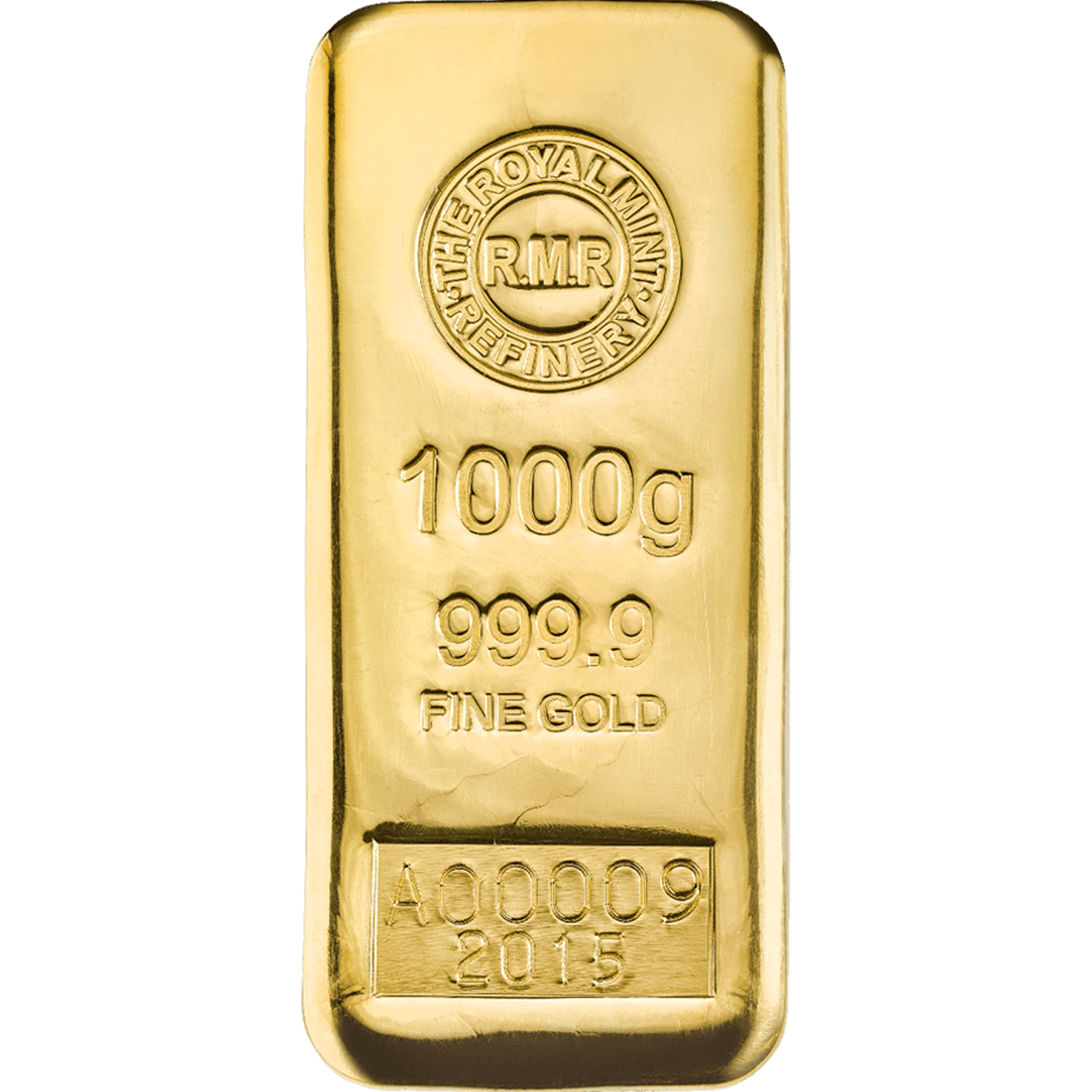
Gold doesn’t have one fixed price. The number you see quoted is the spot price — the rate at which one troy ounce of pure gold trades on the COMEX and the LBMA at that exact moment. From there, dealers add a premium for refining, assaying, packaging, and shipping the bar to you.
Here’s roughly what you should expect to pay for the most common bar sizes today:
| Gold Bar Size | Pure Gold Content | Approx. Spot Value (USD) | Typical Retail Price (with premium) |
|---|---|---|---|
| 1 gram | 1 g | $149 | $158 – $172 |
| 5 gram | 5 g | $746 | $780 – $820 |
| 10 gram | 10 g | $1,492 | $1,540 – $1,620 |
| 1 troy ounce (31.1 g) | 31.1 g | $4,640 | $4,750 – $4,920 |
| 100 gram | 100 g | $14,917 | $15,200 – $15,800 |
| 10 troy ounce | 311 g | $46,400 | $47,300 – $48,900 |
| 1 kilogram | 1,000 g | $149,170 | $151,500 – $156,000 |
| Good Delivery (400 oz) | ~12.4 kg | $1,856,000 | Negotiated direct |
Prices move in real time. The figures above are accurate as of the morning of May 1, 2026, sourced from the LBMA AM fix and JM Bullion’s live feed. By the time you finish reading this paragraph, they’ll already be slightly different — that’s just how this market works.
A useful rule of thumb most of our clients learn quickly: the bigger the bar, the lower the premium per gram. A 1-gram bar can carry a premium of 10% or more above spot. A 1-kilo bar from a reputable refiner usually trades within 1.5%–3% of spot. That’s why investors building real positions tend to scale up to 100g, kilo, or Good Delivery bars rather than buying a hundred small ones.
What Drives the Price of Gold Bar Up or Down?
The headline number is shaped by a tug-of-war between roughly six forces. Understanding them helps you time a buy instead of just chasing the chart.
1. The US dollar. Gold is priced in dollars worldwide. When the dollar weakens, gold gets cheaper for everyone holding euros, yen, or shillings — so global demand spikes and the price climbs. We saw this play out clearly through 2025 as the DXY softened.
2. Interest rates. Gold doesn’t pay interest. So when central banks hike rates, bonds and savings accounts look more attractive and gold tends to slip. When rates fall (or are expected to fall), gold rallies. The Fed’s recent decision to hold rates at 3.5%–3.75% has been one of the bigger tailwinds behind the current rally.
3. Inflation and currency debasement. This is the classic reason people buy bullion. When fiat currencies lose purchasing power, an ounce of gold buys roughly the same loaf of bread it bought a century ago. That’s a track record nothing else in finance can match.
4. Geopolitical shock. Wars, sanctions, election uncertainty, and energy crises send capital running for safe-haven assets. The ongoing Middle East tensions and the situation around the Strait of Hormuz have added a measurable risk premium to the price of gold bar throughout early 2026.
5. Central bank buying. This one is overlooked. Central banks — particularly in China, India, Turkey, and the Gulf — have been net buyers of physical gold for fourteen straight years. The World Gold Council confirmed another quarter of heavy institutional accumulation in Q1 2026. That floor of demand isn’t going anywhere.
6. Mining supply. New gold supply is roughly flat. The world produces about 3,500 tonnes a year, and that number barely moves regardless of price. Demand spikes have nowhere to go but into the price.
Why the Price You Pay Depends Heavily on Where You Buy
Here’s something most articles skip over. Two buyers can purchase the exact same 1kg bar of .9999 fine gold on the same day and pay vastly different totals. The difference is the supply chain.
When you buy a kilo bar from a Swiss refiner through a New York retailer, you’re paying for: the refiner’s margin, the wholesaler’s margin, the retailer’s margin, vault storage fees, insurance, and import duties. Stack those up and you can easily pay 5%–8% above spot on a kilo bar — that’s roughly $7,500 to $12,000 in fees on a single bar.
Now consider the alternative path. Uganda is one of Africa’s largest exporters of refined gold. We sit on the supply side of the chain. When clients buy from Minerals Base Agency, they’re buying closer to the source — which is why our premiums on .9999 fine kilo bars typically land between 1.5% and 3%, fully assayed, fully documented, and ready for export under all required AGOA and EAC compliance.
That’s not a sales pitch. It’s just how supply chains work.
About Minerals Base Agency — Uganda’s Leading Gold Seller and Exporter
Minerals Base Agency is a fully licensed and registered gold trading and export company headquartered in Kampala, Uganda. We’ve been working with miners, refiners, and serious international buyers across East and Central Africa for years, and we’ve built our reputation on three things our clients keep coming back for:
- Verified purity. Every bar leaves our vault with an independent assay certificate. No exceptions, no “trust us.” Our standard is .9999 fine, refined by recognized African and partner European refineries.
- Transparent pricing tied to live LBMA spot. You’ll never get a quote that mysteriously can’t be explained. Our pricing formula is plain: LBMA AM/PM fix + agreed premium + verified logistics cost. That’s it.
- Full export compliance. We handle Kimberley-process-style documentation, Ministry of Energy and Mineral Development clearances, customs paperwork, and bonded courier shipping (Brinks, Malca-Amit, or buyer’s preferred carrier). The gold lands in your jurisdiction with paperwork that satisfies any AML or customs review.
If you’re a private investor, a refinery, a bullion dealer, or a sovereign-wealth-style buyer, we can structure the deal — single bars, full kilo lots, or recurring monthly tonnage. We’ve done all of it.
Different Gold Bar Sizes and Who They’re Right For
Not every bar suits every buyer. Here’s a quick breakdown of what we ship most often and why each size has its place.
1g to 10g bars — These are gift-and-gift-yourself sizes. Easy to store, easy to gift at weddings or graduations, but the per-gram premium is the highest in bullion. Buy these for sentiment, not for stacking.
1 oz (31.1g) bars — The investor’s entry point. Recognizable, liquid, and easy to resell almost anywhere in the world. PAMP Suisse, Valcambi, and Argor-Heraeus 1 oz bars are essentially a global currency.
100g bars — A favourite of European and Middle Eastern investors. Big enough that the premium drops meaningfully, small enough that you can sell partial holdings without breaking a kilo.
10 oz and 1 kg bars — Where serious portfolio building happens. The premium per gram is at its lowest practical level for retail buyers, and a kilo bar fits in your hand. This is the sweet spot for most of our private clients.
Good Delivery bars (400 oz / ~12.4 kg) — Institutional only. These are the bars central banks and ETFs hold. We facilitate Good Delivery purchases by arrangement, with full LBMA-aligned chain-of-custody documentation.

Is Gold Still Worth Buying at $4,640 an Ounce?
A fair question, and one we hear a lot.
The honest answer is: it depends on what you’re buying it for. If you’re chasing a quick trade, gold near all-time highs isn’t the obvious play. If you’re protecting wealth across a five-, ten-, or twenty-year horizon, history is pretty unambiguous — gold has preserved purchasing power through every fiat-currency cycle since the Roman denarius. The price of gold bar in 1971 was $35. In 2000 it was $280. In 2020 it was $1,900. Today it’s $4,640.
The pattern isn’t subtle.
What we tell clients is this: don’t try to time the absolute bottom. Build a position. A common approach our investors use is dollar-cost averaging into kilo bars over six to twelve months — buying a fixed dollar amount every month regardless of where spot is. It smooths out the entry price and removes the emotional element entirely.
Warren Buffett famously dismissed gold as something people dig up just to bury again in a different vault. He’s not wrong about the optics. But it’s worth noting that Berkshire Hathaway has never gone bankrupt, and neither has gold — and only one of them has done that for five thousand years.
How to Buy Gold Bars from Minerals Base Agency
The process is straightforward, and we keep it that way deliberately.
- Get in touch. Reach out via the contact form, WhatsApp, or email with the bar size and quantity you’re after. We’ll confirm availability and send a live quote tied to that day’s LBMA fix.
- Review documentation. Before any payment, you’ll receive bar serial numbers, refinery details, assay certificates, and export licensing references for verification.
- Sign and remit. A standard sales-and-purchase agreement (SPA) is signed by both parties. Payment is made by SWIFT bank transfer to our verified corporate account. Escrow arrangements are available for first-time and high-volume buyers.
- Inspection (optional). Buyers are welcome to fly to Kampala or send a representative for vault inspection and assay verification before shipment. Many of our larger clients do exactly this.
- Shipment and clearance. Goods are shipped via insured bonded courier — typically Brinks or Malca-Amit — with full customs clearance handled on both ends.
Most transactions complete within 7 to 14 working days from initial inquiry to delivery in the buyer’s country.
Frequently Asked Questions
What is the price of a 1kg gold bar today?
As of May 1, 2026, a 1 kilogram .9999 fine gold bar holds a spot value of roughly $149,170 USD. With typical retail premiums applied, expect to pay between $151,500 and $156,000 from a Western dealer. Direct purchases from registered African exporters like Minerals Base Agency generally land at the lower end of that range or below.
How is the price of gold bar calculated?
The price is built from the live LBMA spot rate per troy ounce, multiplied by the bar’s weight in ounces, plus a premium covering refining, assaying, certification, packaging, insurance, and shipping. The premium is the only part that varies between dealers — the spot rate is identical worldwide.
Are gold bars from Uganda authentic?
Yes, when sourced from a licensed exporter. Uganda’s gold trade is regulated by the Ministry of Energy and Mineral Development, and reputable dealers ship only LBMA-grade .9999 fine bars accompanied by independent assay certificates and full export documentation. Always verify the dealer’s export licence and request bar serial numbers before any payment.
What’s the cheapest way to buy gold bars?
Lower premiums come from two things: buying bigger bars (1 oz and up) and buying closer to the source. A 1g bar can carry a 10%+ premium; a 1 kg bar from a registered African exporter often trades at 1.5%–3% above spot. Over a serious-sized purchase, that gap is significant money.
Can gold bars lose value?
Yes the spot price moves daily. Gold has had multi-year drawdowns before (1980–2000 was a long bear market). What gold doesn’t do is go to zero, default, or get inflated away. It’s a wealth preservation tool, not a guaranteed-gain investment.
What documentation comes with a gold bar from Minerals Base Agency?
Every shipment includes the original assay certificate, the refiner’s hallmark verification, our company’s invoice and certificate of origin, Ministry of Energy and Mineral Development export clearance, Uganda Revenue Authority customs documentation, and the bonded courier’s chain-of-custody paperwork. Everything you need for clean import on the other end.
How fast can a gold bar be delivered internationally?
For documented buyers with ready funds, a single kilo bar can be in your country in 7 to 10 working days. Larger orders or first-time buyers (where additional KYC is required) typically take 10 to 14 working days.
Do you offer storage if I don’t want to import the gold immediately?
Yes. We work with bonded vault partners in Kampala and Dubai who can hold purchased bullion under your name with full insurance, audited monthly. This is useful for buyers building positions over several months.
Ready to Lock In Today’s Price?
The gold market doesn’t wait. The price of a gold bar that’s quoted this morning may not be the same one that’s quoted this afternoon — and across a kilo bar, even a 1% move is a thousand-dollar swing.
If you’d like a live quote, want to verify our licensing, or just have questions about how the export process works for buyers in your country, get in touch. We respond to every inquiry within one working day, and an initial conversation costs nothing.
Related reading: