How to Store Gold Bar Safely: A Practical Guide from Minerals Base Agency
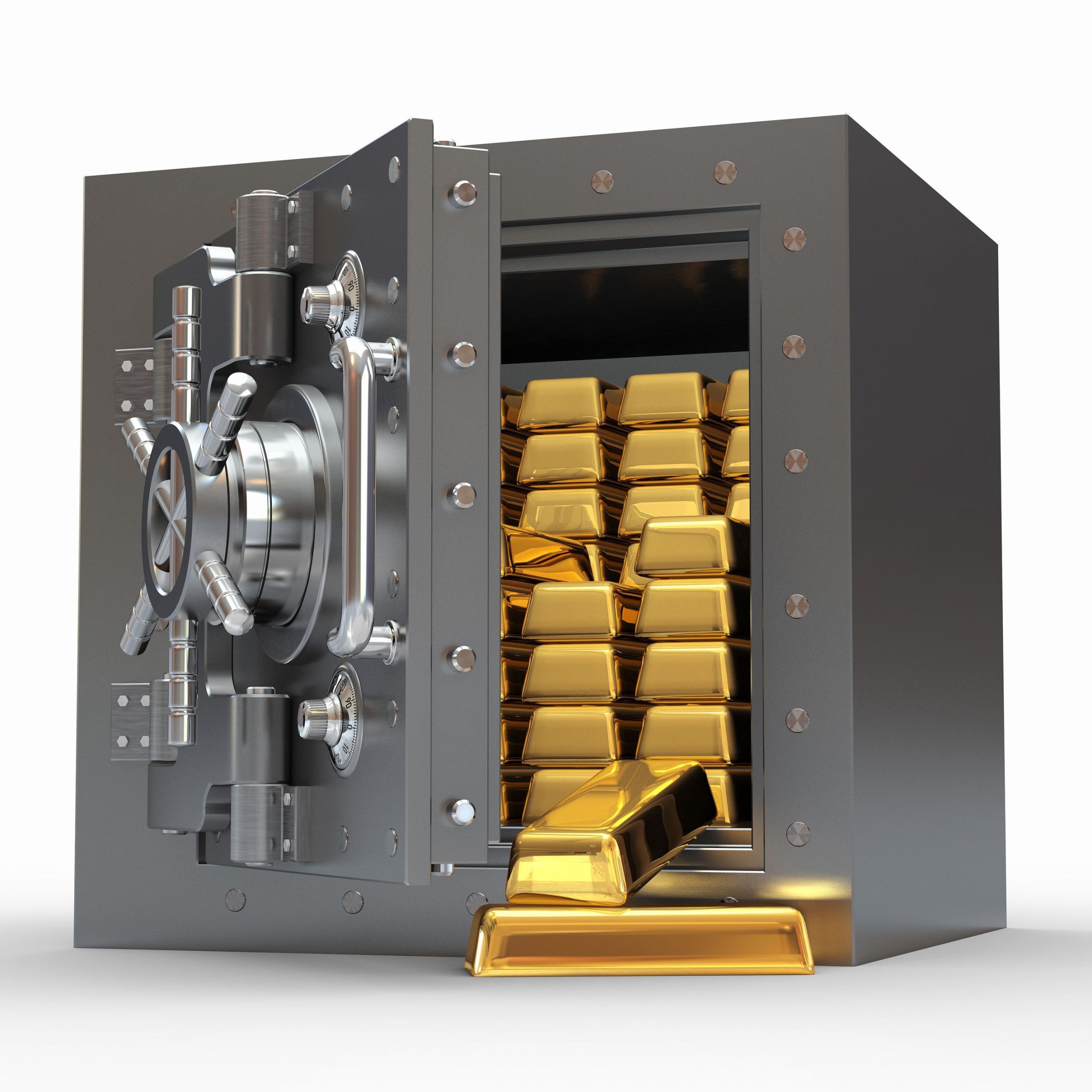
So you finally bought your first gold bar. Or maybe your tenth. Either way, the thrill of holding solid bullion in your hand fades pretty quickly when reality kicks in where on earth are you going to keep it?
I get this question almost every week from clients walking out of our office in Kampala. And honestly, it’s the right question to ask. A poorly stored gold bar isn’t just a security risk it can lose real value through scratches, tarnishing, or worst case, end up in someone else’s pocket.
This guide pulls together everything we’ve learned at Minerals Base Agency, Uganda’s leading gold seller and exporter, after years of helping investors protect their bullion. Whether you’ve got a single 10-gram bar or a serious kilogram stash, the principles are largely the same but the execution varies a lot more than most people realise.
Why Knowing How to Store Gold Bar Properly Actually Matters
Let’s get one thing straight. Gold itself is one of the most stable elements on the planet. It doesn’t rust, it barely oxidises, and chemically speaking, it’s about as inert as metals get. So why fuss over storage at all?
Two reasons.
First, theft. Gold is portable, valuable, and seldom tied to your name in a traceable way. Once someone walks out the door with it, recovery odds are slim. We’ve heard the stories a “trusted” cousin, a careless mention at a dinner party, a domestic worker who saw too much. The gold disappears, and so does the investment.
Second and most people overlook this physical damage. A bar with scratches, dents, or tarnish from contact with other metals can lose 5–15% of its resale premium. The melt value stays, sure, but serious buyers and collectors will haggle hard on a banged-up bar. Proper gold bullion storage protects both fronts.
Storing Gold Bars at Home: The Honest Truth
Most first-time investors want to keep their gold close. There’s something satisfying about knowing it’s right there, under your roof. We get it. But home storage demands more discipline than people expect, and a lot of folks underestimate what “secure” really means.
Get a real safe not the hotel-room kind
Forget cheap hardware-store lockboxes. The safe you want needs to be:
- Built from solid steel, ideally 10-gauge or thicker
- Fire-rated for at least one hour at 1,200°F
- Bolted into the floor or an interior wall (not just sitting there)
- Fitted with a digital, biometric, or combination lock — keys get lost or copied
A decent home safe for gold bars will run you anywhere from $400 to $2,000+. Yes, that’s real money. But if you’re sitting on $30,000 worth of bullion, do the maths. Skimping here is the financial equivalent of buying a Rolex and storing it in a sock drawer.
Hide it. Then hide it again.
Here’s where amateurs slip up: they buy a beautiful safe and stick it in the master bedroom closet. That’s the first place a burglar checks. Always.
Better spots include:
- A basement utility room tucked behind shelving
- Under a fixed staircase
- Built into a closet wall behind drywall
- Inside a bolted, decoy piece of furniture
If you live in Uganda or anywhere across East Africa, also think about putting a hidden safe inside an inner room away from external walls and windows. That makes physical access during a break-in much harder, and it buys you time.

Don’t put all your bars in one basket
We always recommend splitting larger holdings. Three smaller safes in three locations beat one big safe almost every time both psychologically and practically. If a thief finds one, they don’t walk away with everything you own.
Insure it. Properly.
Standard homeowner policies usually cap precious metals coverage at $1,000–$2,500. That’s nothing. Bumping it up requires a valuables rider or a separate scheduled-property policy. You’ll need an appraisal certificate, which Minerals Base Agency provides with every bar we sell, and you’ll submit that to your insurer along with photos and serial numbers.
Offsite Gold Storage: Bank Vaults vs Private Depositories
For larger investments, or anyone who travels often, offsite storage usually makes more sense. Here’s how the options actually compare.
Bank safe deposit boxes
Pros: Affordable (often $50–$300 a year), reasonably secure, accessible during banking hours.
Cons: Contents aren’t insured by the bank itself. No weekend or holiday access. In some jurisdictions, governments can freeze box contents. And the boxes themselves are often too small for kilo bars.
In Uganda, several major banks including Stanbic, Standard Chartered, and Centenary — offer safe deposit services. Worth a phone call to compare rates and box sizes before you commit.

Private bullion depositories
Pros: Top-tier security (vaults rated to military standards), full insurance baked into the fee, climate-controlled environments, often 24/7 access, and professional handling.
Cons: Annual fees usually run 0.5%–1.2% of holding value, and your gold sits in someone else’s building.
For serious investors holding five kilograms or more, a private depository is almost always the right call. Look for allocated storage, which means your specific, serial-numbered bars stay yours — they don’t get pooled with anyone else’s stack. Unallocated storage is cheaper but riskier.
Offshore storage — the high-net-worth play
Storing gold in jurisdictions like Switzerland, Singapore, or Liechtenstein offers political diversification and very strong legal protections. It also adds layers of paperwork, tax disclosure obligations, and complexity. Not really for casual investors, but worth knowing about as your portfolio grows.
Mistakes We See Far Too Often
After years in this business, the same errors keep cropping up:
- Telling people you own gold. Family, friends, that one chatty neighbour every extra person who knows is a security leak. Loose lips really do sink ships.
- Storing bars touching each other. Gold is soft. Bars rubbing together scratch each other and shave off the resale premium. Use individual cases or velvet pouches.
- Skipping the inventory log. Write down every bar’s serial number, weight, purity, purchase date, and storage location. Keep one copy at home, one off-site (with your lawyer or in encrypted cloud storage).
- Ignoring humidity. Gold itself won’t tarnish, but the assay cards and certificates that prove its provenance absolutely will. Toss a few silica gel packets into your safe.
- Buying from dodgy sources to begin with. A counterfeit bar isn’t worth storing anywhere. Always buy from accredited dealers like Minerals Base Agency, where every bar carries verifiable LBMA-equivalent certification.
Why Investors Trust Minerals Base Agency
Based in Kampala, Minerals Base Agency has grown into one of the most trusted names in Uganda’s precious metals trade. We don’t just sell gold we help clients buy, store, ship, and resell with full chain-of-custody documentation that holds up to the toughest international scrutiny.
Here’s what working with us looks like in practice:
- Fully certified gold bars from 1g to 1kg, refined to .9999 purity
- Verified export documentation for international buyers
- In-house secure storage options for clients who aren’t ready to take physical possession
- Direct shipping to vetted depositories worldwide
- Honest, transparent pricing tied to live LBMA spot rates no surprise markups
Whether you’re a first-time buyer trying to figure out how to store gold bar safely, or an institutional client adding Ugandan-sourced bullion to your portfolio, we’re set up to handle it end to end.
Frequently Asked Questions
Can gold bars rust or corrode in storage? Pure gold (24K, .999 fine and above) doesn’t rust. Lower-purity bars with copper or silver alloyed in can develop a faint surface tarnish over decades, but it’s rarely material to value.
How long can I store a gold bar without checking on it? Physically, indefinitely. Practically, we recommend a visual inspection at least once a year partly to confirm it’s still where it should be, partly to catch any tampering with the packaging or assay seal.
Is it legal to keep gold bars at home in Uganda? Yes. Private ownership of gold bars is fully legal in Uganda. Just be aware that large quantities need to be properly declared if you ever transport them across borders.
Do I need to wear gloves when handling gold bars? For higher-purity bars (especially .9999), yes cotton or nitrile gloves prevent fingerprint oils from leaving marks. For lower-purity bars it matters less, but it’s still good practice if you care about resale value.
What’s the safest way to ship a gold bar internationally? Through a licensed bullion shipper using insured, armoured logistics. Minerals Base Agency partners with established carriers for every export we handle.
How much gold can I realistically store at home? There’s no legal cap, but most security professionals suggest keeping no more than around $50,000 worth at home. Anything beyond that, and the risk-reward of off-site storage tilts sharply in favour of a depository.
Final Thoughts on Storing Your Gold Bars
Knowing how to store a gold bar properly isn’t complicated, but it does demand intention. The investors who do well long-term are the ones who treat storage as part of the investment itself, not an afterthought you scramble to figure out the day you bring the bar home.
Start with the basics. Get a proper safe. Keep your mouth shut about what’s inside. Document everything. Insure it for what it’s actually worth. Then, as your holdings grow, layer in off-site storage and eventually consider a depository.
And whenever you’re ready to expand your stack, come talk to us.
Ready to invest in certified Ugandan gold? Reach out to Minerals Base Agency for transparent pricing, fully certified bullion, and storage advice tailored to your specific situation. We’ve helped hundreds of investors across Africa, the Middle East, Europe, and Asia build their gold positions with confidence and we’d love to do the same for you.
📍 Minerals Base Agency Uganda’s Leading Gold Seller and Exporter 📞 Get in touch today for a free consultation and live spot pricing.