Iron Ore in Uganda 2026: Hematite & Magnetite Deposits, Investment Opportunities & Export Guide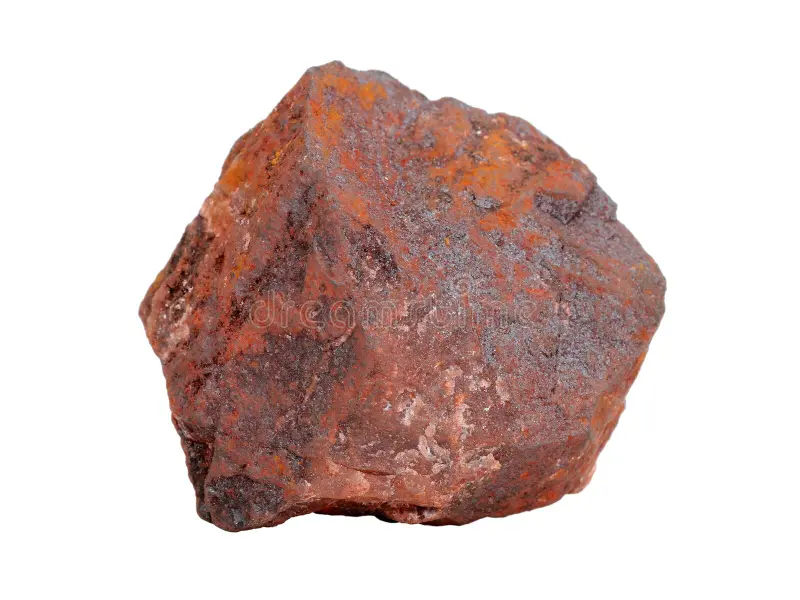 Uganda’s Iron Ore Landscape in 2026
Uganda sits on one of the most underexplored yet mineral-rich terrains in all of East Africa. While the country has long been celebrated for its gold, cobalt, and copper, it is the iron ore story that is quietly rewriting the rules of the region’s mining future. In 2026, Uganda’s iron ore sector stands at a pivotal crossroads: massive confirmed reserves, a government actively courting foreign investment, and a global steel market hungry for new, reliable sources of high-grade ore.
The country holds two distinct types of iron ore that matter enormously to the global steel and manufacturing industries: hematite and magnetite. These are not marginal finds buried in geologically complex terrain. They are substantial, proven, accessible deposits that have attracted the attention of geologists, mining engineers, and global commodity traders alike.
Minerals Base Agency, Uganda’s leading gold seller and exporter based in Kampala, has spent over two decades building deep expertise in Uganda’s minerals landscape. While the company is best known for its gold trading and export operations, it also serves as a trusted guide and connector for investors exploring Uganda’s broader minerals sector, including the country’s growing iron ore industry.
What Is Hematite Iron Ore?
Hematite is the most commercially important iron ore mineral in the world, and Uganda has it in abundance. The name comes from the Greek word for blood, a reference to the deep red streak the mineral leaves when scratched across a surface. In its raw form, hematite ranges from steel grey to black with a metallic lustre, but its powder is always a distinctive brick red colour.
On the Mohs hardness scale, hematite scores between 5 and 6, making it moderately hard and suitable for mechanical extraction. More critically for industrial purposes, hematite ore typically carries an iron content of between 50% and 68% Fe. This is high enough to be directly fed into blast furnaces for steel production without requiring extensive beneficiation, which dramatically lowers the cost of processing.
Globally, hematite accounts for roughly 43% of the iron ore market in 2026, valued in the hundreds of billions of dollars annually. Its higher reducibility and porous structure compared to magnetite makes it the preferred feedstock for conventional steel production methods. This is why the discovery of high-grade hematite deposits in Uganda’s southwestern highlands is considered such a significant economic event.
Hematite also has secondary uses beyond steel production. Finely ground hematite pigment has been used as a red ochre colouring for thousands of years. The mineral is also used in jewellery, ornamental carvings, and increasingly in water treatment processes where its ability to adsorb heavy metals makes it valuable for environmental remediation.
What Is Magnetite Iron Ore?
Magnetite is the naturally magnetic iron ore that takes its name from Magnesia, a region in ancient Greece where naturally magnetic rocks were first observed. In its pure form, magnetite has the highest iron content of any naturally occurring iron mineral, reaching up to 72.4% Fe. Uganda’s magnetite deposits, concentrated in the eastern part of the country, post iron contents ranging from 40% to 62% Fe depending on the specific deposit.
On the Mohs hardness scale, magnetite scores between 5.5 and 6.5, slightly harder than hematite. Its defining characteristic is its strong ferrimagnetic properties, which means it can be efficiently separated from gangue minerals using magnetic separation techniques. This makes beneficiation of lower-grade magnetite ore comparatively straightforward and cost-effective when the right processing infrastructure is in place.
In 2026, magnetite’s relevance in the global iron ore market is surging. The reason is tied directly to the green steel revolution. Magnetite concentrates, once processed and pelletised, are ideally suited for electric arc furnaces and direct reduction iron (DRI) processes, both of which produce significantly lower carbon emissions than traditional blast furnace steelmaking. As the world pivots toward decarbonised industrial production, magnetite is transitioning from a secondary ore type to a strategically critical one.
Uganda’s eastern magnetite deposits also occur alongside other valuable minerals. At the Sukulu Hills complex in Tororo District, magnetite is found together with phosphate, niobium, rare earth elements, and zircon. This multi-mineral occurrence makes the Sukulu deposits particularly attractive from an investment standpoint, because a single mining operation can generate multiple revenue streams.
Hematite Deposits in Southwestern Uganda
Uganda’s hematite iron ore story is written in the highlands of the southwest, across the districts of Kabale, Kisoro, Rubanda, and Mbarara. This region, characterised by rolling hills, lush vegetation, and cool temperatures, sits atop what geologists now recognise as one of the more significant banded iron formation (BIF) type deposits in East Africa.
The flagship deposit is at Muko in Rubanda District. Muko hematite has been extensively studied and ground-truthed by Uganda’s National Planning Authority and by international geological consultancies. The iron ore here is interbedded within metamorphosed sedimentary sequences, presenting as a series of beds that range from 5 metres to approximately 100 metres wide. Iron content at Muko consistently ranges between 55% and 68% Fe, with low levels of deleterious impurities such as sulphur and phosphorus. This makes it directly competitive with benchmark export grades traded on global commodity markets.
Other significant hematite occurrences in the southwest include:
Kashenyi, Kisoro District: Part of the broader southwestern iron ore belt with confirmed iron-rich mineralisation.
Kvanyamuzinda, Kisoro District: Adjacent to Kashenyi, forming a contiguous zone of hematite mineralisation.
Kamena, Kisoro District: Total reserves at Kamena exceed 50 million tonnes with Fe₂O₃ content measured between 90% and 98%. Impurity levels of sulphur, phosphorus, and titanium are exceptionally low, making Kamena ore among the highest quality in the region.
Butare and Buhara, Kabale District: Additional hematite occurrences that contribute to the overall reserve picture for the southwestern belt.
Mugabuzi, Ssembabule District: A notable hematite occurrence in central Uganda, outside the main southwestern cluster, that demonstrates the broader distribution of iron ore mineralisation across the country.
At the national level, confirmed and indicated hematite resources in southwestern Uganda have been upgraded to over 318 million tonnes of indicated resources, with inferred resources potentially exceeding one billion tonnes. These figures, reported by the Ministry of Energy and Mineral Development (MEMD), position Uganda as a future major supplier of raw materials for East Africa’s growing steel industry.
Magnetite Deposits in Eastern Uganda
Turn from the lush southwestern highlands to the warmer, lower-lying plains of eastern Uganda and you enter magnetite territory. The eastern iron ore belt is anchored by two main clusters: the Sukulu complex near Tororo, and the Bukusu and Manafwa area deposits.
Sukulu Hills, Tororo District: The Sukulu carbonatite complex is the crown jewel of Uganda’s eastern iron ore potential, but its significance goes far beyond iron alone. Magnetite reserves at Sukulu are estimated at approximately 45 million tonnes with an average iron grade of 62%. The deposit also contains phosphate resources estimated at over 200 million tonnes of phosphate rock, niobium (from pyrochlore), rare earth elements, and zircon. For any mining developer, this multi-commodity profile dramatically improves project economics. A processing plant at Sukulu can generate revenue from iron ore concentrate while simultaneously producing phosphate fertiliser for East Africa’s agricultural markets, rare earth elements for the global technology supply chain, and niobium for high-strength steel alloys.
Bukusu, Manafwa District: The Bukusu area contains magnetite deposits with confirmed mineralisation. Together with the Nagalwe and Nakhupa occurrences in the same district, the Manafwa magnetite zone represents a meaningful addition to Uganda’s eastern iron ore inventory.
Napak Area, Karamoja: Additional magnetite occurrences have been identified in the Napak area of the Karamoja subregion in northeastern Uganda, indicating that iron ore mineralisation is far more widespread across the country than colonial-era mapping suggested.
Cumulatively, eastern Uganda magnetite resources stand at approximately 111 million tonnes of confirmed reserves at Sukulu alone (Tororo), with additional unquantified resources in the broader eastern belt. The government has identified these deposits as priority targets for investor engagement as part of Uganda’s minerals-led industrialisation drive.
Iron Ore Grade and Quality in Uganda
Uganda’s iron ore quality deserves particular attention because grade is everything in the global iron ore trade. Buyers and traders do not purchase iron ore; they purchase iron units. The higher the iron content and the lower the deleterious impurities, the more valuable the ore.
Hematite ore from the Muko and Kamena deposits in southwestern Uganda carries iron content ranging from 55% to 68% Fe. Kamena ore has been analytically confirmed to carry Fe₂O₃ content of 90% to 98%. By comparison, benchmark export iron ore grades traded internationally sit between 58% and 65% Fe. Uganda’s southwestern hematite therefore meets or exceeds global benchmark specifications.
Magnetite ore from eastern Uganda, particularly from Sukulu, averages 62% Fe before processing. Post-processing magnetite concentrate, produced by magnetic separation, typically achieves iron grades of 68% to 70% Fe, which is the premium product demanded by direct reduction iron (DRI) plants and electric arc furnace steelmakers worldwide.
The gangue mineralogy is also favourable. Laboratory and field analyses of Uganda’s major deposits show relatively low levels of the impurities that cause the most problems in steel production: silica (SiO₂) content is manageable, phosphorus levels are within acceptable ranges at the key deposits, and sulphur contamination is low. The Katse ore samples from magnetite investigations show Fe content above 80% with minor amounts of associated hematite, and gangue minerals predominantly of quartz and clay at levels below 1% for both SiO₂ and Al₂O₃.
This quality profile means Uganda’s iron ore can compete on the open market. It is not low-grade ore that requires extensive and expensive beneficiation before it becomes usable. Much of it is suitable for direct shipping ore (DSO) classification, which is the most economically attractive scenario for early-stage mining operations.
The Global Iron Ore Market in 2026
Understanding Uganda’s iron ore opportunity requires placing it in the context of where the global market is heading in 2026. The global iron ore market was valued at over USD 301 billion in 2025 and is projected to grow to USD 313 billion in 2026, continuing an upward trajectory toward USD 425 billion by 2034. That is a compound annual growth rate of approximately 3.9%, driven by urbanisation in Asia, infrastructure investment in Africa and South America, and the ongoing transition to green steel manufacturing.
Hematite currently commands approximately 43% of the global iron ore market share in 2026. Its dominance reflects the continued reliance of major steel-producing nations, particularly China, India, Japan, and South Korea, on blast furnace technology. However, magnetite’s market position is strengthening rapidly as direct reduction iron production expands in the Middle East, India, and North America.
For Africa as a whole, iron ore export volumes remain dwarfed by those of Australia and Brazil, which together supply the vast majority of global iron ore trade. South Africa is currently the continent’s largest iron ore producer. Uganda’s deposits, while large in absolute terms, have not yet been developed into commercial mining operations. This is both the challenge and the opportunity. The capital cost of developing a greenfield iron ore mine in landlocked Uganda is significant, particularly given the need for export logistics infrastructure. But for investors with a long-term horizon and appetite for emerging market risk, the entry price for Uganda’s iron ore assets is commensurately low.
Africa’s growing domestic steel demand is also a compelling factor. Regional industrial development, urban infrastructure programmes, and East Africa’s expanding construction sector are creating a local market for iron and steel that Uganda’s deposits are well-positioned to serve. The 2022 commissioning of a USD 200 million iron ore smelting plant in Uganda was a concrete signal that the government and private investors are serious about developing a domestic iron and steel value chain, not just exporting raw ore.
Investment Opportunities in Uganda’s Iron Ore Sector
For investors considering Uganda’s iron ore sector in 2026, the opportunity landscape is broad and varied. There are openings at every stage of the value chain, from early-stage exploration through to processing, logistics, and downstream steel production.
Exploration and Resource Definition: Despite the impressive reserve numbers already confirmed, Uganda’s iron ore resources remain significantly underexplored. The reconnaissance surveys conducted to date have confirmed high-grade hematite and magnetite mineralisation, but have not yet delivered the bankable feasibility studies that large mining companies require before committing capital. There is room, and genuine need, for investors willing to fund the detailed drilling programmes, metallurgical test work, and engineering studies that would unlock the full scale of Uganda’s iron ore endowment.
Mining and Production: The hematite deposits at Muko and Kamena are considered the most advanced candidates for early mining development in southwestern Uganda. Their high grades, low impurity profiles, and accessible surface outcropping make them suitable for open-pit mining with conventional drill-and-blast techniques. Capital costs for initial production capacity at these deposits are modest by global mining standards.
Processing and Beneficiation: Even where ore grades are strong, there is value to be added through crushing, screening, and in the case of magnetite, magnetic separation to produce high-grade concentrates. Investment in processing infrastructure increases the value of ore exports significantly and creates local employment and technical skills.
Logistics and Infrastructure: Uganda is landlocked. Getting iron ore from the southwestern or eastern highlands to export ports at Mombasa in Kenya or Dar es Salaam in Tanzania is the single greatest challenge facing iron ore development in Uganda. Investment in rail rehabilitation, road improvements, and port infrastructure agreements is as critical as the mining investment itself. The East African Railway Master Plan, of which Uganda is a participating nation, provides a long-term framework for regional rail connectivity that would transform the economics of iron ore export from Uganda.
Domestic Steel Production: For investors with a value-chain perspective, the most compelling opportunity may be in domestic iron and steel production. Uganda currently imports the vast majority of its steel requirements. Building a steel plant that sources iron ore domestically would simultaneously reduce import bills, create manufacturing employment, and generate far higher margins than raw ore export.
Iron Ore Mining Regulations and Licensing in Uganda
Uganda’s mining sector operates under the Mining Act of 2003 as amended, with regulatory oversight provided by the Ministry of Energy and Mineral Development (MEMD) and the Directorate of Geological Survey and Mines (DGSM). The regulatory framework has been progressively refined to attract investment while ensuring that mineral development makes a meaningful contribution to national development objectives.
Key licences relevant to iron ore development include:
Exploration Licence: Grants exclusive rights to explore for specified minerals within a defined area. Exploration licences are issued for an initial period of three years and are renewable, provided that meaningful exploration expenditure and progress are demonstrated.
Mining Lease: The primary production licence for large-scale mining operations. Mining leases are granted for periods of up to 21 years and are renewable. The lease grants exclusive rights to mine specified minerals within the licensed area.
Location Licence: A simpler, smaller-scale production licence for individual or small group mining operations. Not appropriate for commercial-scale iron ore production but relevant for artisanal and small-scale operators.
The government has implemented a first-come, first-served system for mineral licences, processed through the MEMD’s online licensing platform. Uganda has also committed to transparency in the mining sector through its membership of the Extractive Industries Transparency Initiative (EITI), which requires public disclosure of payments made by mining companies to the government and revenues received by the government from mining operations.
Royalties on iron ore production are set by regulation and are payable on the value of minerals extracted at point of sale. Investors are also subject to corporate income tax, withholding tax on dividends, and capital gains tax on disposal of mining assets, though various incentives and deductions are available to reduce the effective tax burden on qualifying investments.
How Minerals Base Agency Supports Iron Ore Trade in Uganda
Minerals Base Agency is Uganda’s leading gold seller and exporter, operating from its headquarters at Plot 236, Block 402, Bunga, Ggaba Road in Kampala. For more than two decades, the company has been at the centre of Uganda’s precious minerals trade, building relationships with miners, processors, government agencies, logistics providers, and international buyers that span the full minerals value chain.
While Minerals Base Agency’s primary and most celebrated area of expertise is gold, the company operates as a full-spectrum minerals trading and advisory firm. Its catalogue of handled commodities includes gold bars, gold dust, gold nuggets, gold coins, palladium, platinum, diamonds, mercury, tantalite, copper, lithium, zinc, lead ores, silver ores, and iron ores. This breadth of experience makes Minerals Base Agency a uniquely capable partner for anyone seeking to engage with Uganda’s iron ore sector.
What distinguishes Minerals Base Agency from other minerals trading companies in the region is its combination of deep local knowledge, legal compliance, international market access, and logistical capability. The company is fully licensed and regulated under Ugandan law. It operates with transparent pricing systems, maintains rigorous documentation standards, and has built a reputation over two decades for reliable, above-board transactions.
For international buyers and investors interested in Uganda’s iron ore assets, Minerals Base Agency offers:
Market Intelligence: The company’s long presence in Uganda’s minerals sector gives it access to granular information about active deposits, junior exploration companies, artisanal mining communities, and emerging production opportunities that is simply not available from remote desktop research.
Due Diligence Support: Navigating Uganda’s mining licensing system, environmental regulations, land access requirements, and community engagement obligations requires in-country expertise. Minerals Base Agency can provide the local guidance that prevents costly mistakes.
Trade Facilitation: For iron ore samples, small-scale production consignments, and export documentation, Minerals Base Agency’s established relationships with the MEMD, Uganda Revenue Authority, and freight forwarding partners streamline the process.
Network Access: The company’s 20-plus years of operations have created a network of contacts across every corner of Uganda’s mining sector, from government ministers and senior geologists to small-scale miners in remote districts. This network is invaluable for investors seeking partners, joint ventures, or local expertise.
Why Uganda Is Becoming a Major Iron Ore Destination
The case for Uganda as a serious iron ore investment destination in 2026 rests on a convergence of factors that did not exist even a decade ago.
Proven Reserve Scale: With over 318 million tonnes of indicated hematite resources in the southwest and over a billion tonnes of inferred resources still to be fully defined, Uganda’s iron ore endowment is genuinely large. The 111 million tonnes of confirmed magnetite at Sukulu adds further weight to the reserve picture.
Grade Superiority: Not all iron ore is equal. Uganda’s southwestern hematite consistently meets or exceeds the 62% Fe benchmark grade that global steel buyers require. Kamena ore at 90% to 98% Fe₂O₃ is exceptional by any global standard.
Government Commitment: Uganda’s government has publicly prioritised iron ore development as a pillar of its minerals-led industrialisation strategy. The Ministry of Energy and Mineral Development actively promotes the country’s iron ore assets at international investment forums, and recent policy reforms have streamlined the licensing process.
Regional Steel Demand: East Africa’s construction boom, driven by population growth, urbanisation, and infrastructure investment, is generating rising demand for steel products. Uganda’s iron ore deposits are geographically positioned to supply domestic steel production that would serve this growing regional market without the export logistics costs that would apply to global ocean-freight markets.
Untapped Status Means Lower Entry Costs: Because Uganda’s iron ore deposits remain largely unmined, acquisition costs for exploration and mining rights are substantially lower than they would be for equivalent assets in more developed mining jurisdictions. Early movers in Uganda’s iron ore sector are acquiring assets at prices that reflect exploration risk, not production reality.
Green Steel Alignment: The world’s steelmakers are under increasing pressure to decarbonise their operations. Uganda’s magnetite ore, once concentrated, produces a premium feedstock for the DRI and electric arc furnace processes that are at the heart of green steel production. Uganda’s potential to become a supplier of green-steel-grade iron ore concentrates positions it well for the structural shifts reshaping the global steel industry.
Frequently Asked Questions About Iron Ore in Uganda
How much iron ore does Uganda have? Uganda has confirmed and indicated hematite iron ore resources exceeding 318 million tonnes in the southwestern region, with inferred resources potentially exceeding one billion tonnes. Eastern Uganda holds approximately 111 million tonnes of confirmed magnetite reserves at Sukulu, Tororo, with additional deposits in Manafwa, Napak, and other areas.
Where is iron ore found in Uganda? Hematite iron ore is concentrated in southwestern Uganda, primarily in Rubanda (Muko), Kisoro (Kamena, Kashenyi, Kvanyamuzinda), Kabale (Butare, Buhara), and Ssembabule (Mugabuzi) districts. Magnetite ore is found in eastern Uganda, primarily at Sukulu and Bukusu in Tororo District and in the Manafwa District belt.
What is the difference between hematite and magnetite iron ore? Hematite is the more abundant iron ore type globally, typically carrying 50 to 68% Fe. It is directly reducible and widely used in conventional blast furnace steelmaking. Magnetite is naturally magnetic, carries higher potential iron content of up to 72% Fe, and is increasingly preferred for green steel production via direct reduction processes. Uganda has both types in significant quantities.
Is iron ore mining active in Uganda currently? As of 2026, no large-scale commercial iron ore mining is in production in Uganda. The deposits are extensively documented and proven, but development has not yet advanced to the production stage. This represents both the main challenge and the main opportunity for investors entering the sector.
How can I invest in Uganda’s iron ore sector? Investors can engage with Uganda’s iron ore sector through applying for exploration licences via the MEMD’s licensing platform, acquiring interests in existing licence holders, joint venturing with local Ugandan entities, or contributing capital to early-stage development projects. Contacting Minerals Base Agency provides access to local expertise, market intelligence, and the networks needed to navigate entry into Uganda’s minerals sector effectively.
Can Minerals Base Agency help with iron ore trade in Uganda? Yes. While Minerals Base Agency is best known as Uganda’s leading gold seller and exporter, the company handles a broad portfolio of minerals including iron ores. The company’s two decades of licensed minerals trading experience, government relationships, and international buyer networks make it a valuable partner for iron ore trade and investment facilitation in Uganda.
Connect With Minerals Base Agency
Minerals Base Agency is Uganda’s most trusted minerals trading and export company. Whether you are looking to source iron ore samples from Uganda’s southwestern hematite belt, seeking a reliable partner to navigate Uganda’s mining licensing system, or exploring investment opportunities in the country’s growing iron ore sector, our team is ready to assist.
We have served clients from across the globe for over 20 years, operating with full legal compliance, transparent pricing, and a commitment to ethical business practices that sets us apart.
Visit us: Plot 236, Block 402, Bunga, Ggaba Road, Kampala, Uganda Phone: +256 706 290 451 Services: Gold trading and export, minerals sourcing, investment facilitation, logistical support, mining sector consultancy