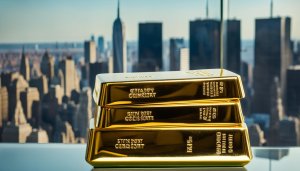
how much is 50kg of gold worth
Gold has long been revered not only as a symbol of wealth but as a cornerstone of stability in the investment landscape. For centuries, civilizations have turned to gold as a reliable store of value, especially during periods of economic turmoil. Understanding the current worth of gold, along with the myriad factors that influence its price, is essential for investors and anyone intrigued by the gold market. In this expanded article, we’ll delve deeper into the value of 50kg of gold, explore live gold prices, analyze historical trends, and offer comprehensive insights into the gold market. 
Gold prices are in a constant state of flux, influenced by a complex interplay of global factors. These include supply and demand dynamics, geopolitical tensions, currency valuations, and key economic indicators. The gold market is highly sensitive to changes, and prices can shift dramatically in response to world events. Typically, gold prices are quoted in troy ounces, the standard unit of measurement in the precious metals market. To accurately assess the value of 50kg of gold, we must first convert kilograms to troy ounces.
The Importance of Troy Ounces
In the precious metals market, troy ounces serve as the standard measurement unit. This unique system dates back to the Roman era and has been adopted worldwide for its consistency. Understanding this conversion is crucial for anyone looking to invest or trade in gold.
One kilogram is approximately equal to 32.1507 troy ounces. Thus, when converting 50kg of gold, it translates to a significant 1,607.535 troy ounces. This conversion forms the foundational step in determining the current market value of gold holdings.
Calculating the Price of 50kg of Gold
Let’s consider a scenario where the current gold price stands at $1,800 per troy ounce. Using our previously discussed conversion:
- 50kg of gold = 1,607.535 troy ounces
- Current price per troy ounce = $1,800
- Total value = 1,607.535 x $1,800 = $2,893,563
Thus, with gold priced at $1,800 per troy ounce, 50kg of gold holds a value of approximately $2.89 million. This calculation underscores the substantial worth of gold as an asset, reflecting its enduring value in financial markets.
Factors Affecting Live Gold Prices
Several factors drive daily fluctuations in gold prices. Economic indicators such as GDP growth, employment rates, and consumer spending can influence investor confidence and, consequently, gold prices. Additionally, geopolitical events, ranging from elections to international conflicts, can create uncertainty, prompting investors to flock to gold as a safe haven.
Gold Price History and Market Trends

Studying the historical price movements of gold provides invaluable insights into market behavior and potential future trends. Throughout history, gold has consistently emerged as a safe haven, particularly during periods of economic instability and inflation. By examining gold price history, investors can glean vital information to guide their decisions in buying or selling gold.
Key Historical Trends and Their Impact
- 1970s Oil Crisis: The oil embargo and subsequent economic instability led to soaring inflation, causing gold prices to surge. This period highlighted gold’s role as a hedge against inflation and a refuge during economic crises.
- 2008 Financial Crisis: As the global financial system teetered on the brink, gold prices reached unprecedented highs. Investors sought refuge in gold, reinforcing its reputation as a dependable store of value during market turmoil.
- 2020 COVID-19 Pandemic: The pandemic-induced global economic slowdown once again propelled gold prices upward. Investors, wary of market volatility and economic uncertainty, turned to gold, reaffirming its status as a safe-haven asset.
Learning from Historical Trends
Understanding these historical trends can empower investors to anticipate future price movements. By recognizing patterns and drawing parallels to past events, investors can make strategic decisions, whether opting to buy, hold, or sell gold.
The Role of Central Banks
Central banks play a pivotal role in the gold market. Their actions, including buying or selling gold reserves, can significantly impact global prices. Investors should monitor central bank policies and gold reserve changes, as these can signal shifts in market sentiment.
Gold Investment Tips
Investing in gold can be a rewarding endeavor, but it necessitates careful planning and strategy. Here are some comprehensive tips for those considering a foray into gold investment:
Diversify Your Portfolio
Incorporating gold into a diversified investment portfolio is a prudent strategy. While gold offers stability and can mitigate risk, relying solely on it may limit growth potential. Balancing your investments with stocks, bonds, and other assets can enhance returns and provide a well-rounded financial strategy.
Stay Informed on Gold Market Trends

by Planet Volumes (https://unsplash.com/@planetvolumes)
Remaining informed about current gold rates, market trends, and geopolitical developments can provide a competitive edge. Regularly checking live gold prices, analyzing market reports, and understanding geopolitical events are crucial for making informed investment decisions.
Consider Gold ETFs and Mining Stocks
For those who prefer not to hold physical gold, investing in gold ETFs (Exchange-Traded Funds) or mining company stocks offers viable alternatives. These investment options provide exposure to gold without the logistical challenges of physical storage, allowing investors to benefit from gold’s market movements.
Set Long-term Investment Goals
Gold is often most effective as part of a long-term investment strategy. Establishing clear goals and timelines is essential, whether the focus is on wealth preservation or capital growth. By setting defined objectives, investors can navigate market fluctuations with greater confidence.
Risk Management in Gold Investment
Managing risks is a crucial aspect of gold investment. It’s important to assess your risk tolerance and establish stop-loss orders to protect against significant market downturns. By employing risk management strategies, investors can safeguard their portfolios from unexpected market shifts.
Current Gold Rates and Price Forecast
Gold prices are subject to a myriad of influences, including interest rates, inflation, and global economic conditions. Analysts provide gold price forecasts based on these factors, offering valuable insights for investors. While these predictions are not guaranteed, they can serve as a useful guide in navigating the gold market.
Factors Influencing Gold Prices
- Inflation: Rising inflation often results in higher gold prices, as investors seek to preserve their purchasing power. Gold’s historical performance as an inflation hedge makes it an attractive option during inflationary periods.
- Currency Strength: The strength of the US dollar plays a significant role in determining gold prices. A weaker dollar typically leads to higher gold prices, as gold is priced in dollars globally. Monitoring currency fluctuations is essential for understanding gold price movements.
- Geopolitical Tensions: Conflicts, political instability, and global uncertainties drive investors toward safe-haven assets like gold. During times of geopolitical tension, gold prices tend to rise as demand increases.
Gold Price Forecast
Analysts anticipate that gold prices may continue to rise due to ongoing economic uncertainties and inflationary pressures. However, short-term fluctuations are expected, highlighting the importance of staying informed and adaptable in the gold market. By keeping an eye on economic indicators and geopolitical developments, investors can position themselves strategically.
Long-term Gold Market Outlook
The long-term outlook for gold remains optimistic, with many analysts predicting sustained demand due to factors such as increasing global wealth and central bank purchases. As emerging markets grow and diversify their reserves, gold is likely to maintain its significance as a valuable asset in the global economy.
Conclusion
Understanding how much 50kg of gold is worth and the factors that influence gold prices is crucial for investors and anyone interested in the gold market. By examining live gold prices, historical trends, and market forecasts, you can make informed decisions and capitalize on gold as a valuable asset. Whether you’re a seasoned investor or new to the world of gold, staying informed and strategic will help you navigate the market successfully.
Final Thoughts on Gold Investment
Investing in gold offers a unique opportunity to diversify and stabilize your investment portfolio. By understanding the intricacies of the gold market and staying abreast of global developments, you can harness the potential of gold to achieve your financial goals. As with any investment, due diligence and a well-considered strategy are essential to success in the ever-evolving gold market.
Q&A
Question: Why are troy ounces used for gold, and how do I convert kilograms to troy ounces?
Short answer: In precious metals, troy ounces are the global standard because they provide consistency across markets—a convention dating back to the Roman era. To convert kilograms to troy ounces, multiply by 32.1507. For example, 50 kg × 32.1507 = 1,607.535 troy ounces.
Question: How much is 50 kg of gold worth, and how can I recalculate it at a different price?
Short answer: First convert 50 kg to troy ounces (1,607.535 oz), then multiply by the current price per troy ounce. Example at $1,800/oz: 1,607.535 × 1,800 = $2,893,563. Formula: Value = (weight in kg × 32.1507) × current gold price per troy ounce. Because prices fluctuate, always plug in the latest live price.
Question: What factors drive live gold price fluctuations?
Short answer: Gold moves with a mix of supply–demand dynamics, geopolitical tensions, currency strength (especially the US dollar), and key economic indicators like GDP, employment, and consumer spending. Uncertainty or inflation typically boosts demand for gold as a safe-haven and inflation hedge, pushing prices higher.
Question: What do past crises tell us about gold’s behavior?
Short answer: History shows gold tends to surge during turmoil: the 1970s oil crisis (inflation hedge), the 2008 financial crisis (flight to safety), and the 2020 COVID-19 shock (uncertainty and volatility) all saw strong gold performance. The lesson: gold often buffers portfolios in crises, though timing and short-term swings still matter.
Question: What are practical ways to invest in gold and manage risk?
Short answer: Options include holding physical gold, or using gold ETFs and mining stocks for easier exposure without storage needs. Best practice is to diversify across assets, stay informed on market and geopolitical trends, set long-term goals, and use risk controls (e.g., position sizing and stop-losses). Analysts expect potential support from ongoing uncertainty and inflation pressures, but short-term volatility is likely—so adaptability is key.