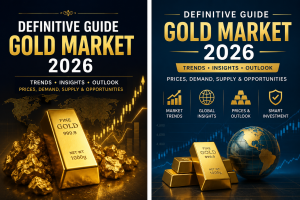
Record gold price
The world of gold investment is buzzing with activity as the gold price reaches record highs. For those invested in gold or considering entering the market, understanding the trends and the factors contributing to the recent surge is crucial. In this article, we delve into the gold price history, current trends, and what the future might hold for this precious metal.
Summary
Gold prices have hit record highs amid economic uncertainty, geopolitical tensions, and currency fluctuations, reinforcing gold’s role as a safe-haven asset. This article reviews gold’s historical behavior, current demand drivers (including emerging markets and central banks), and provides an outlook that sees potential near-term gains with risks from economic stabilization, rising interest rates, and increased supply. It also offers practical investment tips on diversification, staying informed, and choosing among bars, coins, and ETFs, with an emphasis on a long-term perspective.

Gold prices have been on a rollercoaster ride, reaching new heights and capturing the attention of investors around the globe. This surge is influenced by several factors, including economic uncertainty, geopolitical tensions, and changes in currency values. As traditional investments become less stable, many turn to gold as a safe haven.
A Brief History of Gold Prices
Gold has been a valuable asset for centuries, cherished for its beauty and rarity. Historically, gold prices have been affected by global events, inflation, and shifts in supply and demand. In times of economic crisis, gold often sees a price increase as investors seek stability.
In the past few decades, gold prices have experienced significant fluctuations. The 2008 financial crisis, for example, led to a substantial rise in gold prices as the market sought refuge from volatile stocks. Similarly, the recent pandemic has pushed gold prices to unprecedented levels, driven by uncertainty and fear.
Current Gold Price Trends

The recent surge in gold prices has been fueled by several key factors:
- Economic Uncertainty: The global economy is facing significant challenges, from supply chain disruptions to inflation fears. As a result, investors are turning to gold to protect their wealth.
- Geopolitical Tensions: Conflicts and political instability in various regions have increased the demand for gold as a secure investment.
- Currency Fluctuations: The strength of the US dollar and other major currencies can impact gold prices. When currencies weaken, gold becomes more attractive as a store of value.
Gold Market Analysis
The gold market is complex, with various players influencing prices, including central banks, mining companies, and individual investors. Analysts closely monitor these factors to predict future movements.
Currently, gold is in high demand, with both private and institutional investors seeking to diversify their portfolios. The demand from emerging markets, such as China and India, also plays a significant role in driving prices up.
Gold Price Forecast

by 3D Render (https://unsplash.com/@3drender)
Predicting the future of gold prices involves analyzing various economic indicators and trends. While it’s impossible to predict with complete certainty, experts suggest that gold prices may continue to rise in the near term due to ongoing economic and geopolitical uncertainties.
However, some factors could lead to a stabilization or even a decrease in prices, such as:
- Improved Economic Conditions: If global economies recover and stabilize, the demand for gold as a safe haven may decrease.
- Interest Rate Changes: Higher interest rates can make other investments more attractive, potentially reducing the appeal of gold.
- Technological Advancements: Innovations in mining and production could increase the supply of gold, affecting prices.
Gold Investment Tips
For those considering investing in gold, it’s essential to approach with caution and strategy. Here are some tips to keep in mind:
- Diversify Your Portfolio: While gold can be a valuable addition, it’s crucial not to put all your eggs in one basket. Diversify your investments to mitigate risk.
- Stay Informed: Keep up with gold market news and trends to make informed decisions. Regularly review your investment strategy based on current conditions.
- Consider Different Forms of Gold: Gold can be purchased in various forms, including bars, coins, and exchange-traded funds (ETFs). Each has its pros and cons, so choose what’s best for your investment goals.
- Long-Term Perspective: Gold is often seen as a long-term investment. Be prepared to hold onto your gold assets for an extended period to reap potential benefits.
The Role of Central Banks
Central banks play a significant role in the gold market, often holding large reserves. Their buying and selling activities can influence gold prices, making it essential for investors to monitor these actions.
In recent years, central banks have been net buyers of gold, increasing their reserves to diversify away from traditional currency holdings. This trend is expected to continue, supporting gold prices.
Conclusion
The record gold price surge has captured the attention of investors worldwide. Understanding the factors behind this increase, along with historical context and future forecasts, can help you make informed investment decisions. Whether you’re a seasoned investor or new to the market, staying informed and strategic in your approach will be key to navigating the ever-changing world of gold investment.
By keeping an eye on economic indicators, geopolitical developments, and central bank activities, you can position yourself to make the most of the opportunities the gold market presents. As always, consider consulting with a financial advisor to tailor your investment strategy to your personal goals and risk tolerance.
Q&A
Question: What is pushing gold prices to record highs right now? Short answer: A combination of economic uncertainty, heightened geopolitical tensions, and currency fluctuations is boosting demand for gold as a safe-haven asset. Strong buying interest from both private and institutional investors—especially in emerging markets like China and India—along with sustained purchases by central banks, is reinforcing the upward momentum.
Question: How do interest rates and overall economic conditions affect gold prices? Short answer: When economies stabilize and grow, investors often feel less need for safe-haven assets, which can reduce demand for gold. Rising interest rates increase the appeal of yield-bearing alternatives (like bonds), raising the opportunity cost of holding non-yielding gold and potentially pressuring prices. Conversely, periods of instability and lower real yields tend to support gold.
Question: What role do central banks play in the gold market? Short answer: Central banks hold significant gold reserves and their buying or selling can sway market sentiment and prices. In recent years they have been net buyers, diversifying away from traditional currencies, which has supported demand and helped underpin higher price levels. Monitoring central bank activity provides useful signals for investors.
Question: Should I buy gold bars, coins, or ETFs? Short answer: It depends on your goals and constraints. Physical bars and coins offer direct ownership but require secure storage and can have higher transaction costs. Gold-focused ETFs provide easy access, liquidity, and typically lower costs, but introduce fund fees and indirect ownership. Align the choice with your risk tolerance, liquidity needs, and investment horizon.
Question: What could cause gold prices to stabilize or decline from here? Short answer: Key risks include improving global economic conditions (reducing safe-haven demand), higher interest rates (making alternatives more attractive), and technological advances that increase mining efficiency and supply. Keep an eye on economic indicators, geopolitical developments, currency moves—especially the US dollar—and central bank purchasing trends to gauge potential shifts.