Gold Price Forecasts and Investment in 2025 and Beyond

Gold is not just a shiny metal; it’s a critical component of the global financial system. Investors turn to gold to diversify their portfolios, hedge against inflation, and preserve wealth. The allure of gold lies in its intrinsic value and its ability to remain relatively stable compared to other commodities and currencies.
Gold as a Safe Haven Asset
Gold’s reputation as a safe haven asset is well-earned, especially during times of financial crises or geopolitical tensions. Investors flock to gold to protect their capital when stock markets are volatile or when the value of paper currencies is in doubt. This perception of safety is rooted in gold’s historical performance as a store of value.
Hedging Against Inflation
Inflation erodes the purchasing power of money, making it a significant concern for long-term investors. Gold has historically served as a hedge against inflation, as its value tends to rise when inflationary pressures increase. By including gold in their investment portfolios, investors can protect their wealth from the adverse effects of inflation.
Portfolio Diversification
Diversification is a fundamental principle of investment strategy, and gold plays a crucial role in achieving it. As a non-correlated asset, gold often moves independently of stocks and bonds, providing a counterbalance to traditional investments. This diversification can reduce overall portfolio risk and enhance returns over time.
Factors Influencing Gold Prices
Several factors can impact the price of gold, including:
- Economic Conditions: Economic growth or recession can affect the demand for gold. During economic downturns, investors often flock to gold as a safe investment.
- Interest Rates: Low interest rates make gold more attractive as an investment since it does not yield interest.
- Inflation: As inflation rises, the value of currency diminishes, making gold a more appealing option to preserve value.
- Geopolitical Tensions: Uncertainty due to political tensions or conflicts can drive up gold prices as investors seek stability.
- Currency Fluctuations: The value of the U.S. dollar, in particular, can have a significant impact on gold prices. A weaker dollar typically leads to higher gold prices.
Economic Conditions and Gold Demand
Economic conditions play a pivotal role in shaping gold demand. During periods of robust economic growth, investors may prioritize higher-yield investments over gold. Conversely, in times of recession or slow economic growth, gold becomes a refuge for preserving capital. The cyclical nature of economies means that gold demand fluctuates with changing economic conditions.
Interest Rates and Investment Decisions
Interest rates have a direct impact on gold’s attractiveness as an investment. When interest rates are low, the opportunity cost of holding gold decreases, making it more appealing to investors seeking returns. Conversely, rising interest rates can diminish gold’s allure, as fixed-income investments offer better returns. Understanding the interest rate environment is crucial for making informed gold investment decisions.
Inflationary Pressures and Gold’s Role
Inflation is a persistent threat to investor wealth, eroding the real value of money over time. Gold has historically acted as a hedge against inflation, preserving purchasing power. As inflationary pressures build, driven by factors such as fiscal stimulus and supply chain disruptions, gold’s role as an inflation hedge becomes increasingly important for investors seeking to protect their assets.
Geopolitical Tensions and Market Stability
Geopolitical tensions create uncertainty in global markets, prompting investors to seek safe-haven assets like gold. Whether it’s conflicts, trade disputes, or political instability, such events can drive up gold prices as investors look for stability. Keeping abreast of geopolitical developments is essential for understanding potential gold price movements.
Currency Fluctuations and Gold Valuation
Currency fluctuations, particularly those involving the U.S. dollar, can significantly impact gold prices. A weaker dollar typically boosts gold’s value, as it becomes cheaper for foreign investors. Conversely, a stronger dollar can put downward pressure on gold prices. Investors should monitor currency trends to gauge potential shifts in gold valuations.
Gold Forecast 2025: What to Expect

The gold market outlook for 2025 appears promising, with several analysts predicting a sustained increase in gold prices. Factors such as continued economic uncertainty, inflationary pressures, and geopolitical instability are likely to contribute to this trend.
Global Economic Recovery and Gold
As the world emerges from the pandemic-induced economic slump, the pace of economic recovery will influence gold prices. While some regions may experience rapid growth, others may face prolonged challenges. This uneven recovery could drive demand for gold as a hedge against potential setbacks.
Inflation Trends and Gold Prices
Inflationary pressures are expected to persist in 2025, impacting gold prices. Central banks’ monetary policies, fiscal stimulus measures, and supply chain disruptions will all play a role in shaping inflation trends. Investors should closely monitor these factors to anticipate potential shifts in gold prices.
Geopolitical Factors and Market Sentiment
Geopolitical tensions, whether stemming from conflicts, trade disputes, or political instability, will continue to influence market sentiment and gold prices. Investors should remain vigilant, as unexpected geopolitical events can lead to significant price fluctuations in the gold market.
Technological Advancements and Gold Mining
Technological advancements in gold mining could impact supply dynamics and, consequently, gold prices. Innovations in mining techniques and sustainability practices may alter production costs and output levels. Investors should consider these developments when assessing gold’s long-term prospects.
The Role of Central Banks in Gold Demand
Central banks are significant players in the gold market, holding substantial reserves. Their policies regarding gold purchases and sales can influence market dynamics. Investors should pay attention to central banks’ actions and statements to gauge their impact on gold prices.
Gold Price Trends in the UK and Europe
In the UK and Europe, gold prices are expected to follow global trends, with potential increases driven by economic recovery efforts post-pandemic and any Brexit-related uncertainties. The jewelry market in these regions could also see changes, as consumer demand shifts and adapts to new economic realities.
Economic Recovery and Gold Demand
The pace of economic recovery in the UK and Europe will influence gold demand. As these regions rebound from the pandemic, consumer spending patterns and investment preferences may shift. Gold’s role as a safe haven and inflation hedge will remain crucial in this evolving landscape.
Brexit’s Impact on Gold Markets
Brexit-related uncertainties continue to linger, impacting gold markets in the UK and Europe. Trade agreements, regulatory changes, and economic realignments will all play a role in shaping gold demand. Investors should monitor Brexit developments to assess their potential impact on gold prices.
Jewelry Market Trends in Europe
The jewelry market in Europe is experiencing shifts in consumer preferences and demand patterns. Economic recovery, changing demographics, and evolving fashion trends will influence gold jewelry sales. Understanding these trends is essential for predicting gold demand in the European market.
Currency Dynamics and Gold Valuation
Currency dynamics, particularly involving the euro and the British pound, will impact gold valuations in Europe. Fluctuations in exchange rates can affect gold’s appeal to European investors. Monitoring currency trends is crucial for understanding potential shifts in gold prices.
Central Bank Policies and Gold Reserves
Central banks in Europe play a significant role in the gold market through their reserve management strategies. Their decisions regarding gold purchases and sales can influence market dynamics. Investors should pay attention to central banks’ actions to gauge their impact on gold prices.
Gold Price Forecast for Turkey and Vietnam
Turkey and Vietnam are significant players in the gold market. In Turkey, gold is traditionally considered a reliable investment, and fluctuating currency values could lead to increased gold demand. In Vietnam, cultural factors and growing economic prosperity are expected to boost gold purchases, particularly in the jewelry sector.
Currency Volatility and Gold Demand in Turkey
Turkey’s currency volatility has been a driving factor in gold demand. As the Turkish lira experiences fluctuations, investors turn to gold as a stable store of value. Understanding the interplay between currency movements and gold demand is crucial for predicting market trends in Turkey.
Cultural Significance of Gold in Vietnam
In Vietnam, gold holds cultural significance and plays a vital role in weddings, festivals, and other celebrations. This cultural affinity for gold drives consistent demand, especially in the jewelry sector. As Vietnam’s economy grows, gold’s role as a cultural asset is expected to strengthen further.
Economic Growth and Gold Investment in Vietnam
Vietnam’s robust economic growth is fueling increased gold investment. Rising incomes and expanding middle-class populations are driving demand for gold jewelry and investment products. Investors should consider Vietnam’s economic trajectory when assessing gold’s prospects in the region.
Geopolitical Factors and Gold Trade in Turkey
Geopolitical factors, including regional conflicts and trade relationships, impact gold trade in Turkey. Investors should stay informed about geopolitical developments that could influence gold prices and trade dynamics in the region.
Government Policies and Gold Regulation
Government policies and regulations regarding gold trade and investment can shape market dynamics in both Turkey and Vietnam. Understanding these regulatory frameworks is essential for navigating the gold markets in these countries.
Gold Price Forecast for October 2025
As we move into October 2025, the gold price forecast suggests continued growth. This period may see increased volatility due to potential geopolitical events or economic policy changes. Investors should keep an eye on these developments to make strategic investment decisions.
Seasonal Trends and Gold Prices
October typically sees seasonal trends in gold prices, influenced by factors such as holiday demand and harvest festivals. These seasonal patterns can create short-term fluctuations in gold prices. Investors should consider these trends when making investment decisions.
Geopolitical Events and Market Volatility
October 2025 may witness geopolitical events that impact market volatility and gold prices. Whether it’s elections, conflicts, or policy changes, such events can create uncertainty and drive demand for safe-haven assets like gold.
Economic Policy Changes and Gold Market Impact
Economic policy changes, including interest rate adjustments and fiscal measures, can influence gold market dynamics in October 2025. Investors should monitor policy announcements to anticipate potential shifts in gold prices.
Investor Sentiment and Market Behavior
Investor sentiment plays a crucial role in shaping gold market behavior. Sentiment-driven buying and selling can lead to price fluctuations. Understanding market psychology is essential for navigating the gold market in October 2025.
Global Economic Indicators and Gold Forecast
Global economic indicators, including GDP growth rates, unemployment figures, and inflation data, provide insights into gold’s potential performance in October 2025. Analyzing these indicators can help investors make informed decisions.
Gold Price Analysis and Trends
Short-term Predictions: June 2025

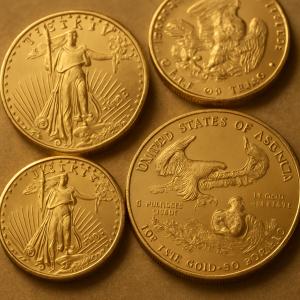
by Scottsdale Mint (https://unsplash.com/@scottsdalemint)
For those looking at the short-term, the gold price forecast for June 2025 indicates a potential uptick. Factors like seasonal demand and ongoing economic recovery efforts could contribute to this rise. Investors in Turkey and Vietnam might see particularly dynamic market conditions during this period.
Seasonal Influences on Gold Prices
June typically experiences seasonal influences on gold prices, driven by factors such as wedding season demand and agricultural cycles. These seasonal trends can create short-term fluctuations in gold prices. Investors should consider these patterns when making decisions.
Economic Recovery and Market Dynamics
The ongoing economic recovery in June 2025 will shape gold market dynamics. As economies rebound, consumer spending patterns and investment preferences may shift. Understanding these dynamics is crucial for predicting gold price movements.
Geopolitical Developments and Investor Behavior
Geopolitical developments in June 2025 can impact investor behavior and gold prices. Whether it’s regional conflicts, trade negotiations, or political events, these factors can influence market sentiment and drive demand for safe-haven assets like gold.
Currency Trends and Gold Valuation
Currency trends, particularly involving major currencies like the U.S. dollar and the euro, will impact gold valuations in June 2025. Fluctuations in exchange rates can affect gold’s appeal to investors. Monitoring currency trends is crucial for understanding potential shifts in gold prices.
Technological Advancements in Gold Mining
Technological advancements in gold mining could impact supply dynamics and gold prices in June 2025. Innovations in mining techniques and sustainability practices may alter production costs and output levels. Investors should consider these developments when assessing gold’s prospects.
Long-term Projections
Looking beyond 2025, the long-term projections for gold prices remain positive. As global economies continue to recover and adapt to new challenges, gold is likely to maintain its status as a valuable investment. However, it’s crucial to stay informed and adjust strategies as needed.
Economic Growth and Long-term Gold Demand
Long-term economic growth prospects will influence gold demand. As economies expand, consumer preferences and investment strategies may evolve. Gold’s role as a stable asset will remain vital in this changing landscape.
Inflationary Pressures and Gold’s Role
Inflationary pressures are expected to persist beyond 2025, impacting gold prices. Central banks’ monetary policies, fiscal stimulus measures, and supply chain disruptions will all play a role in shaping inflation trends. Investors should closely monitor these factors to anticipate potential shifts in gold prices.
Geopolitical Stability and Market Sentiment
Geopolitical stability, or lack thereof, will continue to influence market sentiment and gold prices beyond 2025. Investors should remain vigilant, as unexpected geopolitical events can lead to significant price fluctuations in the gold market.
Technological Innovations and Gold Supply
Technological innovations in gold mining and production will impact supply dynamics and, consequently, gold prices beyond 2025. Innovations in mining techniques and sustainability practices may alter production costs and output levels. Investors should consider these developments when assessing gold’s long-term prospects.
Central Bank Policies and Gold Reserves
Central banks’ policies regarding gold reserves will continue to influence market dynamics beyond 2025. Their decisions regarding gold purchases and sales can impact gold prices and investor sentiment. Investors should pay attention to central banks’ actions to gauge their long-term impact on the gold market.
Investment Strategies for Gold in 2025
Diversifying Portfolios
Investors should consider diversifying their portfolios by including gold as a hedge against market volatility. This strategy can help mitigate risks associated with economic fluctuations and geopolitical uncertainties.
The Benefits of Diversification
Diversification is a key strategy for managing investment risk. By including gold in their portfolios, investors can achieve greater balance and reduce exposure to the volatility of stock markets. Gold’s non-correlated nature makes it an ideal component for diversification.
Gold’s Role in Risk Management
Gold plays a crucial role in risk management, offering a hedge against economic downturns and market instability. Its historical performance as a store of value makes it an attractive option for investors seeking stability in uncertain times.
Strategies for Allocating Gold
Investors should carefully consider their allocation to gold based on their risk tolerance and investment goals. A balanced approach to gold allocation can enhance portfolio performance and provide protection against market fluctuations.
Monitoring Economic Indicators
Keeping an eye on economic indicators such as inflation rates, interest rates, and currency values can provide valuable insights into potential gold price movements. This information can aid in making informed investment decisions.
Inflation Trends and Gold Investment
Inflation trends play a crucial role in shaping gold investment strategies. By monitoring inflationary pressures, investors can anticipate potential gold price movements and adjust their portfolios accordingly.
Interest Rate Environment and Gold Valuation
The interest rate environment has a direct impact on gold’s attractiveness as an investment. Low interest rates make gold more appealing, while rising rates can diminish its allure. Understanding the interest rate landscape is essential for making informed gold investment decisions.
Currency Movements and Gold Markets
Currency movements, particularly involving major currencies like the U.S. dollar and the euro, can impact gold markets. Monitoring exchange rates and currency trends can provide valuable insights into gold price dynamics and investment opportunities.
Staying Informed about Geopolitical Events
Geopolitical events can have a significant impact on gold prices. Investors should stay updated on global news and be prepared to adjust their strategies accordingly.
The Impact of Geopolitical Tensions
Geopolitical tensions create uncertainty in global markets, driving demand for safe-haven assets like gold. Understanding the impact of geopolitical events on gold prices is crucial for making informed investment decisions.
Strategies for Managing Geopolitical Risk
Investors should develop strategies for managing geopolitical risk, including diversifying their portfolios and staying informed about global developments. Being prepared for unexpected events can help mitigate potential losses.
The Role of Gold in Crisis Situations
Gold’s role as a safe haven asset becomes particularly important during crisis situations. By including gold in their portfolios, investors can protect their wealth from the adverse effects of geopolitical and economic disruptions.
Utilizing Gold Investment Tools
There are various tools available for gold investment, including gold ETFs, futures, and mining stocks. Each option has its own risk and reward profile, so investors should assess their risk tolerance and investment goals before choosing the right tool.
Understanding Gold ETFs
Gold ETFs offer a convenient way for investors to gain exposure to gold without directly owning physical metal. These funds track the price of gold and provide liquidity and flexibility for investors seeking to diversify their portfolios.
Exploring Gold Futures and Options
Gold futures and options provide investors with opportunities to speculate on gold prices and manage risk. These financial instruments require a higher level of expertise and risk tolerance, making them suitable for experienced investors.
Investing in Gold Mining Stocks
Gold mining stocks offer an indirect way to invest in gold, providing exposure to the profitability of mining companies. These stocks can be volatile, but they offer the potential for significant returns in a rising gold market.
Assessing Risk and Reward Profiles
Investors should carefully assess the risk and reward profiles of different gold investment tools to align with their investment objectives. Understanding the nuances of each option can help investors make informed decisions.
Conclusion
The gold price forecast for 2025 and beyond suggests a favorable environment for gold investment. As economic uncertainties persist and geopolitical tensions continue to influence markets, gold remains a reliable and attractive asset for investors seeking stability and security. By understanding the factors affecting gold prices and staying informed about market trends, investors can make strategic decisions to enhance their portfolios.
In conclusion, while the future is never certain, the outlook for gold investment in 2025 and beyond remains positive. With careful planning and strategic investment, gold can be a valuable component of any diversified investment strategy. Investors should remain vigilant and adaptable, ready to respond to changing market conditions and seize opportunities as they arise.
Q&A
Question: How does gold protect against inflation and market turmoil?
Short answer: Gold is widely viewed as a safe haven and a hedge against inflation. Historically, investors move into gold during financial crises or geopolitical tensions to preserve capital, as gold tends to hold its value when paper currencies and equities are volatile. Because it’s a relatively non‑correlated asset, adding gold can offset stock and bond swings, while its tendency to rise with inflation helps protect purchasing power over time.
Question: Which macro factors will drive gold prices in 2025, and what should investors watch?
Short answer: Key drivers include uneven global economic recovery, persistent inflation, and the interest rate environment (lower rates support gold; rising rates can weigh on it). Geopolitical tensions, currency moves—especially the U.S. dollar—and central bank gold reserve actions will also matter. On the supply side, mining technology and sustainability practices can alter costs and output. Investors should monitor global indicators (GDP, unemployment, inflation), and be mindful of seasonal patterns (e.g., June wedding/harvest influences, October holiday demand) that can add short‑term volatility.
Question: What strategies and tools can investors use to gain gold exposure in 2025?
Short answer: Treat gold as a diversification and risk‑management tool, sizing allocations to match your goals and risk tolerance. Stay alert to inflation, interest rates, currency trends, and geopolitical developments. For access, consider:
- Gold ETFs for convenient, liquid exposure that tracks spot prices.
- Futures and options for advanced speculation or hedging (higher complexity and risk).
- Gold mining stocks for indirect exposure with greater volatility and return potential. Diversifying across instruments and remaining informed can help manage shocks and capture opportunities.
Question: How might developments in the UK and Europe, including Brexit and currencies, affect gold demand and prices?
Short answer: The region should broadly track global gold trends, but local factors matter. Brexit‑related trade, regulatory, and economic realignments can sway investor demand. Shifts in European jewelry preferences and spending patterns will influence physical demand. Currency dynamics in the euro and British pound can change gold’s local valuation and appeal, while European central banks’ reserve policies may affect broader market sentiment.
Question: Why are Turkey and Vietnam highlighted, and what unique local drivers shape their gold markets?
Short answer: Both are meaningful to regional gold demand for distinct reasons. In Turkey, currency volatility (notably in the lira) pushes savers toward gold as a store of value, with geopolitics and regulation influencing trade flows. In Vietnam, gold’s deep cultural role in weddings and festivals sustains steady jewelry demand, and rising incomes alongside a growing middle class are boosting purchases. Government policies and market rules in both countries further shape demand and pricing dynamics.