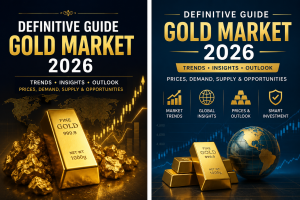
Gold currency
Gold has always been a symbol of wealth and prosperity. Whether it’s worn as jewelry, hoarded as treasure, or used as currency, gold has been a staple in the financial world for centuries. In today’s economic climate, understanding gold currency, its trends, and forecasts is crucial for investors and traders alike.
Summary
This article outlines gold’s role as a store of value, inflation hedge, and safe-haven asset, and examines current investment and trading trends. It highlights demand from emerging markets, advances in mining technology, and the rise of digital gold, along with seasonal and geopolitical influences on trading patterns. It reviews historical price movements and key forecast drivers—global economic health, central bank policy, and currency shifts—while emphasizing tools and ongoing research for effective market analysis.

The Importance of Gold in the Economy
Gold plays a unique role in the global economy. Unlike paper currency and other assets, gold maintains intrinsic value. When the economy faces uncertainty, people often turn to gold as a safe-haven investment. But why is gold so important, and how does it impact the financial market?
Gold as a Hedge Against Inflation
Historically, gold has been an effective hedge against inflation. When the value of currency drops, the price of gold often rises. This is because gold is considered a stable investment that can preserve wealth over time. Investors turn to gold when inflation rates increase, causing gold prices to rise.
Safe-Haven Investment
During times of geopolitical tension or economic uncertainty, investors flock to gold. This is because gold tends to hold its value even when other investments falter. It provides a sense of security, making it a popular choice during market volatility.
Gold Investment Trends
Understanding current gold investment trends is essential for making informed decisions. Here, we’ll explore some of the significant trends shaping the gold market today.
Increasing Demand from Emerging Markets
Emerging markets, particularly in Asia, are driving demand for gold. Countries like China and India have a cultural affinity for gold, using it in weddings, festivals, and as an investment. As these economies grow, so does their consumption of gold.
Technological Advancements in Mining
Technological advancements have made gold mining more efficient, increasing supply and impacting prices. Innovations in mining technology have allowed companies to extract gold from previously inaccessible areas, influencing the overall market dynamics. 
Rise of Digital Gold
With the advancement of technology, digital gold investment platforms have emerged. These platforms allow investors to buy and sell gold digitally, making it more accessible and convenient. This trend is attracting younger, tech-savvy investors to the gold market.
Gold Trading Patterns
Gold trading patterns are influenced by various factors, including economic data, geopolitical events, and market sentiment. Understanding these patterns can help traders make more informed decisions.
Seasonal Patterns
Gold prices often follow seasonal patterns, with certain times of the year seeing increased demand. For example, the wedding season in India often leads to a spike in gold prices due to heightened demand.
Impact of Geopolitical Events
Geopolitical tensions can lead to increased volatility in gold prices. Events such as elections, wars, and diplomatic disputes can cause investors to seek the safety of gold, driving up prices.
Gold Price Trends and Forecast
Analyzing gold price trends and forecasts can provide insights into the future direction of the market. Here, we’ll explore some key factors influencing gold prices and what the future might hold.
Historical Price Trends
Over the past few decades, gold prices have experienced significant fluctuations. From the bull market in the 1970s to the price surge during the 2008 financial crisis, understanding historical trends can provide context for current price movements.
Gold Price Forecast
Economists and analysts often predict future gold prices based on various factors such as inflation rates, currency strength, and global economic conditions. While forecasts can provide valuable insights, it’s important to remember that the gold market is inherently unpredictable. 
by Jingming Pan (https://unsplash.com/@pokmer)
Factors Influencing Future Prices
Several factors will likely influence future gold prices:
- Global Economic Health: Economic stability or instability can affect gold prices. A strong global economy might lead to lower gold demand, while economic downturns could increase gold’s appeal.
- Central Bank Policies: Decisions made by central banks, such as interest rate changes, can impact gold prices. Lower interest rates tend to boost gold demand as the opportunity cost of holding non-yielding gold decreases.
- Currency Fluctuations: The strength of the U.S. dollar often inversely affects gold prices. When the dollar weakens, gold prices typically rise, as gold becomes cheaper for holders of other currencies.
Gold Market Analysis
Conducting a thorough gold market analysis involves examining current trends, historical data, and economic indicators. This analysis helps investors and traders make informed decisions.
Tools for Gold Market Analysis
Various tools and techniques are available for analyzing the gold market. These include technical analysis tools like chart patterns and indicators, as well as fundamental analysis methods that consider economic data and market news.
Importance of Staying Informed
Staying informed about market developments is crucial for successful gold investment. Regularly reviewing market reports, economic forecasts, and news can help investors anticipate changes and adjust their strategies accordingly.
Conclusion
Gold remains a vital component of the global financial system. Understanding gold currency, investment trends, and trading patterns is essential for anyone looking to invest in this precious metal. By staying informed and conducting thorough analyses, investors can navigate the complexities of the gold market and make informed decisions that align with their financial goals.
In summary, gold’s role as a safe-haven asset, its investment trends, and trading patterns provide valuable insights for investors. Whether you’re a seasoned trader or a new investor, understanding these aspects can enhance your ability to make strategic decisions in the ever-evolving gold market.
Q&A
Question: What makes gold important in the global economy? Short answer: Gold holds intrinsic value and acts as a store of value, which is why it’s widely seen as a safe-haven asset. When economic or market uncertainty rises, investors often shift into gold because it tends to hold its value better than many other assets, helping stabilize portfolios and influence broader financial market behavior.
Question: How does gold work as a hedge against inflation? Short answer: When inflation erodes the purchasing power of paper currencies, investors often buy gold to preserve wealth. This increased demand can push gold prices higher as currency values drop, making gold an effective long-term hedge against rising prices.
Question: Which trends are currently shaping gold investment? Short answer: Three standouts are:
- Rising demand from emerging markets—especially China and India—where gold has strong cultural and investment appeal.
- Technological advances in mining, which improve efficiency and can increase supply.
- The rise of digital gold platforms that make buying and selling gold more accessible and convenient, attracting younger, tech-savvy investors.
Question: How do seasonal and geopolitical factors affect gold trading patterns? Short answer: Seasonal demand spikes—such as India’s wedding season—can lift prices due to increased buying. Geopolitical events like elections, wars, or diplomatic tensions tend to boost volatility and often drive investors toward gold’s perceived safety, which can push prices higher.
Question: What drives future gold prices, and how can investors analyze the market effectively? Short answer: Key drivers include global economic health (downturns usually support gold), central bank policies (lower interest rates reduce the opportunity cost of holding non-yielding gold), and currency movements (a weaker U.S. dollar typically supports gold). To analyze the market, investors can combine technical tools (charts and indicators) with fundamental research (economic data, central bank updates, and news), and stay current with reports and forecasts to adjust strategies as conditions evolve.