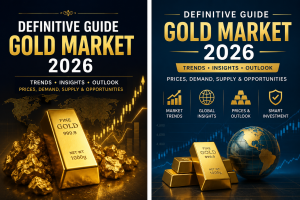
72 kg of gold worth
Gold has always been a symbol of wealth and a reliable investment. In this article, we’ll explore the value of 72 kg of gold by examining current gold rates, historical trends, and future forecasts. Whether you’re a seasoned investor or just curious about the gold market, this guide will provide you with the necessary insights. 
Gold’s value is influenced by various factors, including economic conditions, geopolitical stability, and market demand. As a tangible asset, gold provides a hedge against inflation and currency fluctuations, making it a popular choice for investors.
Economic Influences on Gold
Economic conditions play a crucial role in determining gold’s value. When economies are struggling, investors tend to gravitate toward gold as a safe haven, driving up its price. Conversely, in times of economic prosperity, gold may see less demand as investors seek higher returns from other assets.
Furthermore, monetary policies, especially those impacting interest rates, directly affect gold prices. Lower interest rates often make gold more attractive because the opportunity cost of holding non-yielding assets like gold decreases. Understanding these economic influences can help investors time their gold investments wisely.
The Role of Geopolitical Stability
Geopolitical events, ranging from wars to diplomatic tensions, significantly impact gold’s value. During times of geopolitical instability, gold often sees increased demand as it is perceived as a stable investment amidst uncertainty. Historical instances, such as the Gulf War or the Brexit vote, saw spikes in gold prices due to heightened uncertainty.
Additionally, shifts in government policies, such as trade tariffs or sanctions, can lead to fluctuations in the gold market. Investors often monitor geopolitical news closely, as these events can trigger sudden changes in gold’s value.
Market Demand Dynamics
Market demand for gold is driven by several sectors, including jewelry, technology, and investment. Jewelry demand is particularly strong in countries like India and China, where gold holds cultural significance. Technological advancements also contribute to demand, as gold is used in electronics and medical devices.
Investment demand varies, often influenced by global economic conditions. During times of financial uncertainty, investment demand for gold tends to rise, as investors seek to diversify their portfolios with stable assets. Understanding these dynamics is essential for predicting gold price movements.
Current Gold Rates
The price of gold is determined by the market, and it fluctuates throughout the day. As of today, the price per kilogram of gold is approximately $58,000. Therefore, 72 kg of gold is worth about $4.176 million. However, these figures are subject to change due to market conditions.
Tracking Gold Prices in Real-Time
For investors, tracking gold prices in real-time is crucial. Financial news websites, commodity exchanges, and dedicated investment apps provide up-to-the-minute gold price updates. These platforms often feature alerts, allowing investors to react quickly to market changes.
Additionally, many platforms offer historical data analysis tools, enabling investors to understand past price movements and make informed predictions. By leveraging these resources, investors can better strategize their gold investments.
Factors Influencing Daily Fluctuations
Several factors contribute to daily fluctuations in gold prices. Currency strength, particularly the U.S. dollar, plays a significant role, as gold is typically priced in dollars. A weaker dollar usually results in higher gold prices, as it becomes cheaper for investors holding other currencies.
Moreover, supply disruptions, such as mining strikes or geopolitical tensions affecting key gold-producing regions, can lead to sudden price increases. Investors need to stay informed about these factors to anticipate potential price movements.
Calculating the Worth of 72 kg of Gold
Calculating the value of 72 kg of gold involves more than just multiplying the current price by weight. Investors must consider transaction fees, taxes, and potential storage costs, which can impact the overall value. Additionally, exchange rates may affect the final price for international investors.
Understanding these intricacies ensures that investors have a clear picture of the true value of their gold holdings. By considering all associated costs, investors can make more accurate financial decisions regarding their gold investments.
Gold Price History

Gold has been valued for thousands of years, and its price has seen significant changes over time. Understanding gold’s price history can provide insights into its performance and help predict future trends.
Major Historical Milestones
Gold’s history is marked by significant milestones that have shaped its value. In the early 20th century, the Gold Standard linked currencies to gold, establishing a fixed price and fostering economic stability. However, the abandonment of the Gold Standard in the 1970s led to market-driven prices, resulting in increased volatility.
Major economic events, such as the Great Depression and the 2008 financial crisis, saw gold prices soar as investors sought refuge in stable assets. Understanding these historical milestones provides valuable context for current market conditions.
Inflation and Gold’s Value
Historically, gold has served as a hedge against inflation. During periods of high inflation, gold prices often rise as the purchasing power of fiat currencies declines. This trend was evident during the 1970s when rampant inflation led to significant increases in gold prices.
By studying historical inflation data alongside gold price movements, investors can better understand how gold may react to future inflationary pressures. This knowledge is crucial for making informed investment decisions in uncertain economic climates.
Gold’s Performance in Economic Crises
Gold’s performance during economic crises highlights its role as a safe haven asset. In times of financial instability, such as the 2008 crisis, gold prices surged as investors fled riskier assets. This pattern underscores gold’s enduring appeal in turbulent times.
Analyzing past economic crises and their impact on gold prices can provide insights into how gold might perform in future downturns. By understanding these patterns, investors can better prepare their portfolios for potential economic challenges.
Gold Price Analysis and Market Trends
Analyzing the gold market involves looking at both current conditions and potential future changes. Here’s a closer look at some factors that influence gold prices and market trends.
Key Economic Indicators
Key economic indicators, such as GDP growth, unemployment rates, and consumer confidence, influence gold prices. When economic indicators suggest weakening economic conditions, investors may turn to gold, driving up its demand and price.
Interest rates also play a pivotal role. Lower interest rates often lead to higher gold prices, as the opportunity cost of holding non-yielding assets like gold decreases. Understanding these indicators helps investors anticipate potential price movements.
Global Geopolitical Climate
The global geopolitical climate, including tensions between major powers and regional conflicts, can significantly impact gold prices. Political instability often leads to increased demand for gold as a safe haven asset, causing prices to rise.
Additionally, international relations, such as trade negotiations or diplomatic sanctions, can create uncertainty, further driving gold demand. Monitoring geopolitical developments is essential for investors to anticipate potential impacts on gold prices.
Supply Chain and Production Factors
Gold supply chain dynamics, including mining production levels and technological advancements, influence gold prices. Disruptions in major gold-producing regions can lead to supply shortages, driving up prices.
Moreover, technological advancements in mining and recycling can impact production costs and supply levels. By understanding these supply chain factors, investors can better assess potential impacts on gold market trends.
Gold Investment Tips

by Planet Volumes (https://unsplash.com/@planetvolumes)
Investing in gold can be a smart move, but it’s essential to approach it with the right strategy. Here are some tips for those considering gold investments.
Diversify Your Investment Portfolio
Diversification is key to reducing investment risk. While gold is a valuable asset, relying solely on it can expose investors to market volatility. Combining gold with stocks, bonds, and other commodities can create a balanced portfolio with reduced risk.
Investors should consider their risk tolerance and investment goals when diversifying. A well-diversified portfolio can provide stability and potential returns, even in fluctuating market conditions.
Staying Informed and Educated
Staying informed about gold market trends and economic developments is crucial for making sound investment decisions. Subscribing to financial news outlets, participating in investment forums, and consulting with financial advisors can provide valuable insights.
Education is an ongoing process, and investors should continually update their knowledge of market dynamics. By staying informed, investors can adapt their strategies to changing market conditions and maximize their investment potential.
Adopting a Long-term Investment Perspective
Gold investments are often best viewed as long-term holdings. While short-term price fluctuations can be unsettling, the long-term trend for gold has historically been upward. Patience and a long-term perspective can be rewarding for gold investors.
Investors should set realistic expectations and remain committed to their investment strategy, even during periods of volatility. By focusing on long-term goals, investors can navigate market fluctuations and potentially achieve positive returns.
Gold Price Forecast
Predicting future gold prices involves analyzing various economic and geopolitical factors. While no forecast can be guaranteed, here’s a general outlook for the gold market.
Insights from Expert Predictions
Financial analysts often provide gold price forecasts based on current economic conditions and geopolitical developments. Many experts predict continued gold price increases, especially if economic uncertainty and inflation persist.
These predictions are informed by comprehensive analyses of market trends, historical data, and potential future events. Investors can use expert insights as part of their decision-making process, but should also conduct independent research to validate these forecasts.
Assessing Potential Risks
While gold is generally considered a safe investment, it’s not immune to risks. Market volatility, changes in government policies, and shifts in investor sentiment can all impact gold prices. Investors should be aware of these risks and incorporate them into their investment strategies.
Understanding potential risks allows investors to prepare for market fluctuations and adjust their portfolios accordingly. By assessing risks, investors can make informed decisions that align with their financial goals and risk tolerance.
Adapting to Changing Market Conditions
The gold market is dynamic, and investors must be prepared to adapt to changing conditions. Economic developments, technological advancements, and geopolitical events can all influence gold prices. Flexibility and adaptability are crucial for navigating these changes.
Investors should regularly review their investment strategies and adjust them as needed to reflect current market conditions. By remaining adaptable, investors can capitalize on opportunities and mitigate potential risks in the evolving gold market.
Conclusion: The Worth of 72 kg of Gold
Understanding the current value and trends of gold is essential for investors and anyone interested in the market. With 72 kg of gold valued at approximately $4.176 million today, it’s clear that gold remains a significant asset. By keeping informed about market trends, historical data, and future forecasts, you can make smarter investment decisions and appreciate the true worth of gold.
Whether you are investing in gold or just curious about its market, we hope this guide has provided valuable insights into what 72 kg of gold is worth and how you can leverage this knowledge in your financial planning. Gold’s enduring appeal as a safe haven and a store of value continues to make it a compelling choice for investors seeking stability and long-term growth in an ever-changing economic landscape.
Q&A
Question: How much is 72 kg of gold worth today?
Short answer: Based on the stated rate of about $58,000 per kilogram, 72 kg of gold is worth roughly $4.176 million. Keep in mind the market price changes throughout the day, and your net proceeds can differ due to transaction fees, taxes, storage costs, and, for international buyers, exchange rates.
Question: What economic factors most influence gold prices?
Short answer: Broad economic conditions and monetary policy are key. In weaker economies, investors often seek gold as a safe haven, lifting prices; in stronger periods, demand can soften as capital moves to higher-yielding assets. Interest rates matter too—lower rates reduce the opportunity cost of holding non-yielding gold, typically supporting prices. Inflation trends also play a role, as gold has historically acted as a hedge when purchasing power declines.
Question: How do geopolitical events affect the value of gold?
Short answer: Geopolitical instability—wars, diplomatic tensions, or policy shifts like tariffs and sanctions—tends to increase demand for gold as a perceived safe asset, often pushing prices higher. Historical episodes (e.g., the Gulf War, Brexit vote) saw price spikes amid uncertainty. Such events can also disrupt supply from major producing regions, adding upward pressure.
Question: What drives daily price fluctuations in gold?
Short answer: Day-to-day moves are frequently influenced by the strength of the U.S. dollar (gold is typically priced in USD, so a weaker dollar often supports higher gold prices) and by short-term supply issues like mining strikes or disruptions in key producing areas. Rapid shifts in investor sentiment on economic data or headlines can also cause quick price swings.
Question: How should I approach investing in gold and tracking its price?
Short answer: Diversify rather than relying solely on gold, aligning allocations with your risk tolerance and goals. Track real-time prices via financial news sites, commodity exchanges, or investment apps—many offer alerts and historical analysis tools to spot trends. Adopt a long-term perspective, stay informed about economic and geopolitical developments, consider expert forecasts as one input (not guarantees), assess risks, and adapt your strategy as conditions change.