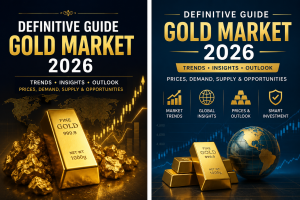
gold prices over the last 10 years
Gold has long been a symbol of wealth and a reliable store of value. For centuries, people have turned to gold as a safe haven during economic uncertainty. But how have gold prices changed over the last decade, and what might we expect moving forward?
In this article, we’ll explore the fluctuations in gold prices over the past ten years, provide insights into current trends, and discuss possible future scenarios in the gold market. 
Gold prices are influenced by a variety of factors, including economic conditions, geopolitical events, and market speculation. Understanding these influences can help investors make informed decisions.
Economic Conditions
Gold often performs well during times of economic instability. When inflation rises or currency values fall, investors often flock to gold as a hedge against these risks. This has been evident in recent years, as global economic challenges have led to significant shifts in gold prices.
Geopolitical Events
Political unrest and conflicts can drive up gold prices. For instance, tensions in the Middle East or trade wars can create uncertainty in global markets, leading investors to seek the safety of gold.
Market Speculation
Investor sentiment and speculative trading can also impact gold prices. When traders anticipate changes in the market, their actions can lead to price swings, sometimes irrespective of underlying economic conditions.
Gold Price History: A Decade in Review

To understand current trends, it’s helpful to look back at how gold prices have changed over the last decade.
2013 to 2015: A Period of Decline
After reaching record highs in 2011, gold prices began to decline in 2013. This downward trend continued for a few years, with prices dropping from around $1,700 per ounce to just over $1,000 by the end of 2015. Several factors contributed to this decline, including a strengthening U.S. dollar and improving global economic conditions.
2016 to 2019: Gradual Recovery
From 2016 onward, gold prices started to recover. This period of gradual growth was driven by renewed interest in gold as a safe haven asset amidst political and economic uncertainties, such as Brexit and tensions between the U.S. and China.
2020: A Surge During the Pandemic
The COVID-19 pandemic had a profound impact on global markets, and gold was no exception. In 2020, gold prices surged to over $2,000 per ounce as investors sought stability in the face of unprecedented economic challenges.
2021 to 2023: Fluctuations and Stabilization
Post-pandemic, gold prices have experienced fluctuations but have generally stabilized around $1,800 to $1,900 per ounce. This stabilization reflects ongoing economic recovery, though uncertainties remain.
Current Gold Market Trends

by Jakub Żerdzicki (https://unsplash.com/@jakubzerdzicki)
As of 2023, several trends are shaping the gold market.
Inflation Concerns
With inflation rising in many countries, gold is once again gaining attention as a hedge. Investors are keeping a close eye on central bank policies and their impact on currency values, which could influence gold demand.
Technological Advancements
Advancements in mining technology and changes in production costs are also affecting the gold supply. These technological shifts can impact gold prices by altering the balance between supply and demand.
Sustainable and Ethical Investing
There is a growing focus on sustainable and ethical investing, including in the gold market. Investors are increasingly considering the environmental and social impacts of gold production, which could influence future demand and prices.
Gold Price Forecast Trends
Looking ahead, what can investors expect from the gold market?
2024 Predictions
Experts predict that gold prices may experience moderate growth in 2024. Factors such as ongoing geopolitical tensions, inflationary pressures, and changes in monetary policies will likely play a role in shaping price movements.
2025 Outlook
By 2025, gold prices could see further fluctuations as global economic conditions evolve. While it’s challenging to predict exact price levels, many analysts anticipate that gold will continue to be a valuable asset for portfolio diversification.
Gold Investment Strategies
For those considering investing in gold, here are some strategies to keep in mind:
Diversification
Gold can be an effective tool for diversifying an investment portfolio. By including gold alongside stocks, bonds, and other assets, investors can reduce risk and improve overall stability.
Long-Term Perspective
Investing in gold requires patience. Prices may fluctuate in the short term, but gold has historically maintained its value over the long run.
Stay Informed
Keeping up with gold market trends and economic developments is crucial. By staying informed, investors can make better decisions and adjust their strategies as needed.
Conclusion
The past decade has seen significant fluctuations in gold prices, driven by a complex interplay of economic, political, and market factors. As we look to the future, gold remains a vital asset for many investors seeking stability and diversification.
By understanding historical trends and staying informed about current developments, investors can navigate the gold market with confidence and capitalize on potential opportunities.
Gold’s enduring appeal and its role as a hedge against uncertainty make it a compelling choice for those looking to safeguard their wealth in an ever-changing world.
Q&A
Question: How did gold prices move over the last decade? Short answer: They went through four clear phases: a decline from 2013 to 2015 (about $1,700 to just over $1,000 per ounce), a gradual recovery from 2016 to 2019, a sharp surge in 2020 to over $2,000 during the pandemic, and then fluctuations with general stabilization around $1,800–$1,900 from 2021 to 2023.
Question: What factors most influence gold prices? Short answer: Economic conditions (like inflation and currency strength), geopolitical events (such as regional conflicts or trade tensions), and market speculation. Inflation and weaker currencies boost demand for gold as a hedge; geopolitical uncertainty pushes investors toward safe-haven assets; and trader sentiment can amplify moves regardless of fundamentals.
Question: Why did gold prices fall between 2013 and 2015? Short answer: A strengthening U.S. dollar and improving global economic conditions reduced demand for gold as a safe haven, driving prices down from around $1,700 per ounce to just over $1,000 by late 2015.
Question: What trends are shaping the gold market as of 2023? Short answer: Rising inflation concerns, technological advancements affecting mining costs and supply, and a growing emphasis on sustainable and ethical investing. Together, these influence both demand (investor preferences) and supply (production dynamics), affecting price direction.
Question: What should investors expect for 2024–2025, and how can they approach gold? Short answer: Experts anticipate moderate growth in 2024 and continued fluctuations into 2025 as geopolitics, inflation, and monetary policy evolve. A practical approach is to use gold for diversification, maintain a long-term perspective, and stay informed so strategies can adjust to changing market conditions.