What are the current prices of gold coins?
Have you ever checked the financial news for the latest gold values, only to find that buying an actual coin costs significantly more than the number on your screen? Think of buying gold like shopping for a designer shirt. The global market dictates the cost of raw cotton, but you are paying for the tailored fit, the manufacturing, and the store’s overhead. In the precious metals market, a finished coin is exactly like that manufactured piece of clothing.
That baseline cost of the raw material is known as the “Spot Price.” According to global commodities exchanges, this figure represents the stock market value for raw, unshaped gold before anyone touches it. Tracking live gold bullion spot market rates gives you a baseline, but it often leads to frustration for first-time buyers who expect to pay exactly that amount at a local coin shop. You are not just buying a chunk of metal; you are buying a refined, guaranteed product.
To bridge the gap between the raw material and the physical coin in your hand, dealers add a “Retail Premium.” Industry data shows that this premium acts as a necessary service fee covering minting, shipping, insurance, and the seller’s profit margin. This markup explains why two items containing the exact same amount of metal might carry completely different price tags.
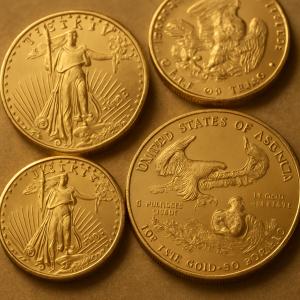
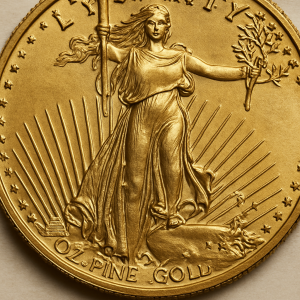
Take the famous 1-ounce American Gold Eagle as a prime example. In practice, its bare “Melt Value”—what the coin would be worth if you melted it down into a puddle of raw metal—will always be lower than its retail cost. Checking regular gold price updates reveals that popular, highly recognizable coins command higher premiums because buyers trust their quality and origin.
Finding the real value of a physical asset requires looking past the shiny surface and understanding how these numbers interact on a daily basis. The market relies on three foundational pillars that dictate every transaction: the physical weight of the item, its measured purity, and the final premium attached to it.

Summary Gold coins are priced above the spot rate because of retail premiums that cover minting, shipping, insurance, and dealer margins; the spot itself is anchored by the LBMA’s PM fix. What you pay (and later recoup) depends on troy-ounce weight, purity, product type (sovereign coins vs private rounds), and size, with fractional pieces carrying notably higher markups. Prices fluctuate with the US dollar, inflation, and risk sentiment, and buyers should avoid numismatic “collector” premiums while comparing dealers’ total out-the-door prices and bid-ask spreads. Verify authenticity (magnet/weight/ping), keep coins in BU condition, retain receipts for taxes on collectibles, and follow the checklist: check spot, compare three dealers, confirm weight/purity.
The London Benchmark: How Global Markets Set the Baseline Gold Rate
You might assume a gold coin’s value is simply whatever the financial news ticker flashes at any given moment. While gold trades globally 24 hours a day in a blur of changing numbers, the precious metals industry actually relies on a much more stable wholesale starting point to price the coins you ultimately buy.
Twice daily, major financial institutions agree on a standard, unified price for large physical gold bars. This creates the London Bullion Market Association benchmark, acting as a global anchor. Unlike bouncing stock tickers, this official “Fix” provides a reliable baseline trusted by everyone from massive mining operations to your local coin shop.
Dealers specifically watch the afternoon result—the PM Fix—to establish their daily retail baseline. While live gold bullion spot market rates constantly shift in the background, your dealer’s base price is firmly tethered to this afternoon settlement. This ensures they can offer consistent gold coin quotes to customers without chasing minute-to-minute market jitters.
This wholesale foundation dictates what actually leaves your wallet. The London benchmark perfectly tracks the raw metal’s global value, but it never represents the final retail price tag you see in a catalog. Consequently, you cannot buy gold at the spot price without factoring in the dealer’s necessary “service fee.
Why You Can’t Buy Gold at the Spot Price: The ‘Service Fee’ Explained
You wouldn’t expect to buy a tailored shirt for the bare price of raw cotton. Similarly, a finished coin always costs more than the wholesale spot price. This added cost is the minting premium, acting as the “service fee” of the gold world to cover the transformation from raw material to a recognized, finished product.
To see exactly where your extra money goes, we must look at the supply chain. Every transaction builds the dealer spread—the gap between what a shop pays for inventory and what they charge you. This premium over gold spot price includes four main expenses:
- Minting Costs: The labor and machinery required to strike the design.
- Shipping: Moving heavy, valuable metal securely across the globe.
- Insurance: Complete protection against theft or transit loss.
- Dealer Profit: The necessary margin to keep the business running.
Smart buyers check this percentage by dividing the retail tag by the spot price. For standard one-ounce coins, a fair premium usually sits between 3% and 6%. Avoiding high dealer markups is highly achievable when using large-volume sellers, because their sheer size secures better wholesale gold coin rates that they pass directly down to you.
Accurately calculating these premiums requires knowing exactly how much metal sits on the scale. A fair 5% premium only matters when paired with the industry’s specific weight and purity measurements.
Troy Ounces vs. Kitchen Ounces: Mastering Gold Weight and Purity
Imagine weighing a gold coin on your kitchen scale and feeling shortchanged. This confusion happens because the precious metals industry ignores the standard ounce (28.35 grams) found in grocery stores. Instead, dealers use a heavier measurement called the “troy ounce,” weighing precisely 31.1 grams.
Mastering this basic troy ounce weight conversion guide is your first defense against overpaying. If a private seller offers a “one-ounce” gold piece but it only reads 28 grams on a standard digital scale, it is not a true troy ounce and is worth significantly less. Always ensure the scale reflects that crucial 31.1-gram benchmark before completing a purchase.
Beyond raw weight, you must also consider fineness and gold purity standards. You might be surprised to learn that a 22-karat coin and a 24-karat coin can contain the exact same amount of gold. A 22k coin simply includes a small percentage of copper or silver for durability, meaning the physical coin weighs slightly more than a troy ounce, even though its pure gold content equals exactly one troy ounce.
This net gold content establishes the baseline value across different products. You only pay for the pure gold inside, not the extra hardening metals, meaning both purities share the identical baseline spot value. While physical realities equalize their base worth, the coin’s origin directly impacts its final premium.

American Eagles vs. Canadian Maple Leafs: Why Popularity Impacts Price
Holding a one-ounce coin in your hand, you might wonder why it costs more than a plain gold bar of the exact same weight. The answer lies in who actually manufactured it. National governments produce coins through an official “sovereign mint,” and when analyzing gold American Eagle vs Canadian Maple Leaf pricing, you are looking at two of the world’s most trusted, government-backed products.
Choosing your ideal gold coin investment usually means weighing the premium costs against the benefits of these two main categories:
- Government Coins: Offer global trust, legal tender status, and high resale demand.
- Private Rounds: Deliver the exact same gold weight at a lower upfront cost, but lack government backing.
That official government backing includes a “fiat face value,” meaning the coin acts as legal tender with a symbolic currency amount—like $50—stamped directly on the metal. While the raw gold inside is actually worth thousands, this government seal ensures instant global recognition. This translates to excellent sovereign minted gold coin liquidity, as dealers worldwide will eagerly buy them back without requiring expensive purity testing. Conversely, a private round is a coin-shaped piece minted by an independent company; you save money on the premium upfront, but it might be harder to sell later.
While deciding between government trust and private savings is relatively straightforward, the math changes completely when historical age and condition enter the picture.
Melt Value vs. Rarity: Avoiding the ‘Collector’s Premium’ Trap
Browsing a dealer’s catalog, you might notice an old 1800s coin priced double a new Maple Leaf, despite both holding exactly one ounce of gold. This gap introduces “melt value”—the literal baseline worth if you melted the coin into a puddle of pure metal today. For straightforward investing, this weight-based number is your primary baseline.
Things change completely when history and physical condition enter the equation through numismatics, or coin collecting. When weighing bullion coins vs numismatic collectibles, you are fundamentally choosing between investing in raw material versus buying an antique. Experts place these historical pieces in sealed plastic holders—known as graded coins—where microscopic condition differences add massive premiums based entirely on subjective collector demand rather than the metal itself.
Beginners must avoid accidentally overpaying for modern marketing gimmicks disguised as genuine rarity. Late-night commercials frequently push “limited edition” releases, charging steep markups over the actual gold coin value. While historical gold price trends analysis shows that physical metal offers excellent long-term financial security, paying a heavy collector’s premium upfront means the market must rise significantly just for you to break even if you try to sell it.
Safely purchasing standard bullion means avoiding unnecessary historical appeal and focusing on the underlying metal cost, which constantly fluctuates based on global macroeconomic factors.
Global Demand and Inflation: What Drives Gold Prices Up or Down Daily
Every evening, the news might leave you wondering why the gold coin market acts like a rollercoaster. The biggest invisible force pushing those numbers around is the strength of the United States dollar. Because gold is priced in dollars globally, the two act like kids on a seesaw. When the dollar weakens, it takes more of those dollars to buy the same ounce of gold, effortlessly pushing the spot price higher.
This balancing act connects directly to your purchasing power, which simply means how many everyday goods your money can buy. When inflation rises and your cash buys less at the supermarket, everyday people begin to worry about losing their life savings. They start trading their depreciating cash for physical metal, driving up factors influencing global gold demand in an effort to protect their wealth.
Extreme panic transforms the metal into a classic “safe-haven asset,” acting much like a financial storm shelter. If stock markets tumble or unpredictable global conflicts erupt, nervous buyers flock to gold because it holds reliable, tangible value. This sudden rush into the market is exactly why you frequently see record-high prices splashed across headlines during periods of deep global uncertainty.
You can easily learn how to track gold price fluctuations daily without staring at screens like an anxious day trader. Simply checking the spot price weekly helps identify broad trends before buying. If these rising macroeconomic numbers put standard one-ounce coins completely out of your budget, you might consider smaller pieces, though shrinking the physical weight changes the pricing math entirely.
Fractional Gold: Why 1/10th Ounce Coins Have Higher Markups
Stepping down from a full-ounce purchase to a smaller piece—known as fractional gold—seems like an easy way to enter the market on a tight budget. However, just like buying a single roll of paper towels at the corner store versus a bulk pack at a warehouse club, you pay a penalty for convenience. When you review current us gold coin prices, remember that minting a tiny 1/10th-ounce coin requires the exact same labor, packaging, and shipping as a massive one. Dealers pass those fixed costs directly to you, making the service fee much steeper relative to the actual metal you receive.
To see this hidden cost in action, you have to calculate your true cost-per-ounce across the gold coin market. Imagine the baseline spot price of gold is exactly $2,000. Here is a hypothetical comparison of how much extra you might pay:
- 1-Ounce Coin: $2,060 total (A low 3% premium)
- 1/10th-Ounce Coin: $230 total (A hefty 15% premium)
Because that 15% markup eats into your wallet instantly, buying ten of those smaller coins eventually costs significantly more than buying a single one-ounce version. Finding your personal sweet spot usually means saving up for at least a 1/4-ounce or 1/2-ounce size to balance affordability with a reasonable markup. Because physical size significantly impacts current gold silver coin market prices, securing a fair deal requires actively avoiding high dealer markups altogether.
Spotting Fair Deals: How to Avoid High Dealer Markups
Armed with the knowledge that premiums eat into your investment, your next defense is knowing exactly what the metal is worth today. Before calling anyone about gold coin rates, check the current spot price online so you have a solid anchor. When requesting a quote, demand the final “out-the-door price,” which includes the spot price, the premium, and any hidden shipping or credit card fees.
Getting a fair deal in gold coin trading requires comparing quotes from at least three different sellers. Always ask about their “bid-ask spread”—the gap between what they charge to sell a coin and what they will pay to buy it back. A wide gap means they are taking a massive cut on both sides of the transaction. Watch for these 4 Red Flags of a bad dealer:
- High-pressure ‘buy now’ tactics
- Pricing significantly above 10% over spot for bullion
- Refusal to publish buy-back prices
- ‘Exclusive’ rare coin pitches
Navigating these conversations confidently prevents high dealer markups. Upon securing a fair transaction and receiving your package, verifying the physical investment ensures you received exactly what you paid for. Fortunately, professional laboratory equipment is unnecessary to run basic authenticity tests.
The Magnet and the Scale: Verifying Gold Coin Authenticity at Home
Holding your new investment brings peace of mind, but is it actually real? Even if you tracked prices perfectly to secure a fair deal, a counterfeit makes your purchase worthless. Fortunately, spotting most fakes doesn’t require a chemistry lab.
The secret to verifying gold coin authenticity at home lies in the metal’s extreme density. Because gold is incredibly compact and heavy, counterfeiters face an impossible physics problem. If they try using cheaper metals like lead or copper, a fake coin will either be the correct weight but noticeably too thick, or the right size but far too light.
Protect your investment using three simple, non-destructive checks:
- The Magnet Test: Pure gold is completely non-magnetic. If the coin pulls toward a strong neodymium magnet, it contains steel or iron and is undoubtedly fake.
- The Weight Test: Place the piece on a calibrated digital pocket scale. A standard one-troy-ounce bullion coin must weigh exactly 31.1 grams.
- The Ping Test: Balance the coin on your fingertip and gently tap it with another coin. Genuine gold creates a long, high-pitched ringing sound, while base metals produce a short, dull clink.
Sophisticated fakes using heavy metals like tungsten might occasionally pass these basic physical checks. Whenever a DIY test leaves you unsure, take the piece to a professional dealer for a quick, non-invasive ultrasonic scan. Once certain your portfolio is genuine, you can confidently navigate the reality of selling your gold.

Cashing In: Understanding the Reality of Selling Your Gold
Confirming authenticity means you are ready to cash out, but the headline news figure isn’t what a dealer will hand you. Because of the bid-ask spread—the gap between a dealer’s selling price and their cash offer—your actual “buy-back price” sits slightly below the spot price. While daily market prices provide a baseline, buyers always subtract a small margin to cover their operational costs.
The physical state of your investment dictates how much of that payout you actually keep. To achieve high liquidity—meaning you can easily sell recognizable items like Canadian Maples—the piece should remain in BU, or Brilliant Uncirculated, condition. This means the metal looks completely untouched; if it shows scratches or heavy fingerprints, dealers apply a “cull” discount, pricing it merely as scrap metal rather than a premium product.
Local shops offer immediate payment but might pay lower rates to cover storefront overhead, whereas online trading platforms often provide better offers despite minor shipping delays. Securing the best deal and finalizing a sale ultimately triggers a new financial responsibility: navigating the tax implications of selling physical bullion.
The IRS and Your Gold: Tax Implications of Selling Physical Bullion
Selling your coins for a profit feels great, but the IRS expects a share of that financial success. Unlike standard stocks or real estate, physical bullion falls under a unique tax category. The government classifies your precious metals as “collectibles,” which changes exactly how your profits are treated come tax season.
When you hold a standard asset for over a year, you usually enjoy lower long-term capital gains rates. However, the tax implications of selling physical gold max out at a higher 28% collectibles tax rate on your net profit. Short-term gains—meaning items you bought and sold in under a year—are simply taxed as regular income.
To figure out your exact tax obligation, you need to know your “cost basis,” which is simply the original price you paid plus any dealer fees. Proving this baseline requires a solid paper trail of receipts, protecting your investment so you only pay taxes on true profit.
Large transactions in the market might even trigger automatic IRS reporting, requiring dealers to file a 1099-B tax form when you sell. Staying aware of these rules prevents expensive surprises later on. Mastering these financial realities from purchase to payout paves the way for a clear purchasing strategy.
Your 3-Step Plan for Buying Your First Gold Coin at a Fair Price
You no longer have to look at current gold coin prices and wonder why they differ from the numbers flashing on the evening news. Just like buying a designer shirt, you now recognize that a physical coin includes a retail premium on top of its raw material value. You have successfully crossed the gap from confusing financial jargon to the reality of physical ownership.
Before making your first gold coin investment, use The Pre-Purchase Checklist:
- Check live spot price (referencing live gold bullion spot market rates).
- Compare 3 dealers.
- Verify the coin’s weight/purity.
Start by applying this checklist to a standard one-ounce coin online today. Practicing this routine protects you from common beginner mistakes, like overpaying on hidden dealer fees or confusing collector rarity with actual metal value. Each time you run these numbers, you build the practical skills needed to spot a fair deal.
Armed with an understanding of spot prices and premiums, you can monitor your investment securely over time. Applying this foundational knowledge transforms a previously intimidating process into an actionable plan, empowering you to execute your purchase with complete confidence.
Q&A
Question: Why is a gold coin’s price higher than the spot price, and what role does the LBMA PM Fix play?
Short answer: The spot price is the wholesale value of raw, unshaped gold, not a finished coin. Dealers anchor their daily baseline to the London Bullion Market Association’s afternoon benchmark (the PM Fix) to avoid chasing minute-to-minute fluctuations. On top of that baseline, a retail premium covers minting, shipping, insurance, and dealer margin—typically about 3%–6% for standard one‑ounce bullion coins. That “service fee” is why you can’t buy at spot. To gauge it, divide the retail price by spot and subtract 1 to see the premium percentage.
Question: How do weight and purity determine what I should pay?
Short answer: Gold is priced using troy ounces (31.1 g), not standard kitchen ounces (28.35 g). Always verify that a “1‑oz” bullion coin weighs 31.1 g on a calibrated scale. Purity (karat/fineness) can be confusing: a 22k coin (like an American Gold Eagle) and a 24k coin (like a Maple Leaf) can both contain exactly one troy ounce of pure gold—the 22k coin simply weighs slightly more overall due to added copper/silver for durability. Your baseline “melt value” is tied to the pure gold content, not the extra alloy. Final price differences mainly come from the product’s premium, which reflects brand trust and market demand.
Question: Why do fractional coins (1/2 oz, 1/4 oz, 1/10 oz) have higher markups, and which sizes are most cost‑effective?
Short answer: Fixed costs (minting, packaging, shipping, insurance) are similar per unit regardless of size, so they represent a larger percentage of a smaller coin’s metal value. For example, with spot at $2,000, a 1‑oz coin might be $2,060 (about a 3% premium), while a 1/10‑oz coin could be $230 (around 15%). If you’re budget‑constrained, many buyers find 1/4‑oz or 1/2‑oz coins a better balance between affordability and reasonable premiums than 1/10‑oz pieces.
Question: How do I avoid overpaying—and make sure the coin is genuine?
Short answer: To avoid high markups: 1) Check the live spot price first; 2) Get “out‑the‑door” quotes (including all fees); 3) Compare at least three dealers; and 4) Ask about the bid‑ask spread and avoid red flags (pressure tactics, >10% over spot on bullion, no published buy‑backs, “exclusive” numismatic pitches). Decide between sovereign coins (higher premium, easier resale) and private rounds (lower upfront cost, potentially harder resale). To verify authenticity at home, use non‑destructive checks: a strong magnet (gold isn’t magnetic), a calibrated scale (31.1 g for a 1‑oz coin), and the “ping” test (gold rings clearly). Sophisticated fakes can fool DIY checks, so get a pro non‑invasive test (e.g., ultrasonic) if uncertain.
Question: What should I expect when selling, and how are taxes handled?
Short answer: Expect a buy‑back price slightly below spot due to the dealer’s bid‑ask spread. Condition matters: coins kept in BU (Brilliant Uncirculated) condition are more liquid; scratched or handled pieces can be “culled” and priced closer to scrap. Local shops pay fast but may offer less; reputable online buyers often pay more with minor shipping time. For taxes, physical bullion is classified as a collectible: long‑term gains (held >1 year) can be taxed up to 28%, while short‑term gains are taxed as ordinary income. Keep receipts to establish your cost basis (purchase price plus fees), and be aware that large sales can trigger 1099‑B reporting by dealers.