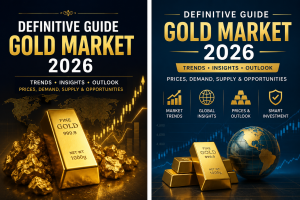
Understanding Gold Price Trends in the UK
In the intricate world of finance, gold holds a unique allure. Its timeless value and stability make it a preferred investment for many. However, understanding the trends of gold prices, particularly in the UK, requires a nuanced analysis. This article aims to dissect the factors influencing gold price trends in the UK, providing a comprehensive overview for investors and enthusiasts alike.
Summary
This article examines how UK gold prices are shaped by historical context (including the gold standard and past crises), macroeconomic drivers (inflation, interest rates, and pound sterling movements), geopolitics, and supply–demand dynamics, with events like the 2008 crisis, Brexit, and the pandemic underscoring gold’s safe-haven role. It emphasizes real-time monitoring, global comparisons, and the influence of investor sentiment, while outlining strategies such as diversification, timing (long- vs short-term), and using ETFs or mutual funds. Looking ahead, economic recovery, technological advances, and environmental and geopolitical developments will be pivotal, calling for adaptable, well-informed investment approaches.
Historical Context
Gold has been a symbol of wealth and a form of currency for centuries. In the UK, the historical context of gold prices is deeply intertwined with its economic narrative. Understanding this historical backdrop is essential to grasp the current dynamics of gold prices in the UK.
The Gold Standard
The gold standard, which pegged the value of a country’s currency to a specific amount of gold, was a significant factor in stabilizing gold prices historically. Initially adopted in the 19th century, it facilitated international trade and economic stability. However, as economies expanded and modernized, the limitations of the gold standard became apparent. The eventual abandonment of the gold standard in the 20th century marked a pivotal shift, allowing currencies to float and be influenced by market dynamics, economic policies, and geopolitical tensions.
Gold During Economic Downturns
Throughout history, gold has played a crucial role during economic downturns. During periods of economic instability, such as the Great Depression and the oil crises of the 1970s, gold’s value often surged as it was seen as a reliable store of value. Investors turned to gold to hedge against currency devaluation and inflation, reinforcing its status as a safe-haven asset.
Recent Decades: Crises and Events
In recent decades, gold prices in the UK have been subject to several fluctuations. The 2008 financial crisis, Brexit, and the ongoing global pandemic have all had significant impacts on gold price trends, reflecting the broader economic uncertainties. These events highlight how global crises continue to reshape gold’s role in financial markets, underscoring its enduring appeal in uncertain times.
Key Drivers of Gold Prices
Several factors contribute to the fluctuations in gold prices. Understanding these can provide insights into future trends and help investors make informed decisions.
Macroeconomic Indicators
Gold prices are intricately linked to key economic indicators such as inflation rates, interest rates, and currency fluctuations. Typically, when inflation is high, gold prices tend to rise as investors seek to preserve their purchasing power. Low-interest rates further enhance gold’s attractiveness compared to interest-bearing securities, providing a buffer against currency devaluation. Currency fluctuations, especially those involving the British pound, can also sway gold prices, influencing both domestic and international investor behavior.
Geopolitics
Geopolitical tensions can cause volatility in gold prices. In times of political instability or conflict, gold is often seen as a safe-haven asset, leading to increased demand and higher prices. The uncertainty surrounding Brexit, for instance, has periodically influenced gold prices in the UK. Additionally, tensions in other regions, such as the Middle East or Eastern Europe, can indirectly affect UK gold prices by altering global investor sentiment and risk assessments.
Supply and Demand Dynamics
The dynamics of supply and demand also play a crucial role in determining gold prices. Factors such as mining output, central bank reserves, and consumer demand for jewelry and technology can significantly impact the supply and demand balance, thereby affecting prices. Changes in mining technology, labor strikes, and geopolitical restrictions on mining can alter supply levels. Meanwhile, shifts in cultural preferences and technological advances can drive demand, creating complex interactions that influence pricing.
Current Market Dynamics and Monitoring
As of today, the gold price in the UK continues to reflect the interplay of the aforementioned factors. Real-time monitoring of current gold prices is essential for investors looking to capitalize on market trends.
Real-Time Monitoring
Tracking the gold price today involves understanding not only the immediate market conditions but also the broader economic climate. Investors must stay informed about global economic developments, central bank policies, and market sentiment to navigate the complexities of the gold market effectively. Daily price fluctuations can offer clues about investor confidence and economic forecasts, guiding strategic investment decisions.
Global Comparisons
While focusing on the UK market, it is also beneficial to compare gold prices with global trends. Understanding how the UK market correlates with global price movements can offer additional insights and strategic advantages for investors. Differences in economic conditions, geopolitical events, and currency strength can lead to variations in gold pricing across regions, offering opportunities for arbitrage and diversification.
Investor Sentiment
Investor sentiment plays a pivotal role in gold market movements. Factors such as economic forecasts, government policies, and international events can shape investor perceptions, influencing gold demand. Understanding these psychological components can help investors anticipate market shifts, enabling more informed trading decisions and risk management strategies.
Investment Strategies
Investing in gold requires a strategic approach, particularly in a complex market environment. Here are some strategies to consider:
Diversification
Gold is often used as a diversification tool to mitigate risk in investment portfolios. By including gold, investors can reduce the volatility of their portfolios, especially during economic downturns. Gold’s low correlation with other asset classes provides a hedge against market instability, offering protection against unexpected financial shocks.
Time Horizon: Long-Term vs Short-Term
Investors must decide between long-term and short-term investment strategies based on their financial goals and risk tolerance. While gold is generally considered a long-term investment, short-term trading can also be profitable if done with a thorough understanding of market trends. Each approach requires careful planning and analysis, assessing economic forecasts and market conditions to optimize returns.
ETFs and Mutual Funds
For those hesitant about purchasing physical gold, Exchange-Traded Funds (ETFs) and mutual funds offer an alternative means to invest in gold. These financial instruments provide exposure to gold prices without the need for physical storage. They offer liquidity, diversification, and ease of access, making them suitable for various investment strategies and risk profiles.
Future Outlook
Predicting future gold prices involves analyzing a multitude of variables, including economic forecasts, geopolitical developments, and technological advancements.
Economic Recovery and Technology
As the world emerges from the economic impacts of the global pandemic, the pace of recovery will play a significant role in shaping future gold prices. Additionally, advancements in technology, particularly in mining and financial markets, can influence gold’s supply and demand dynamics. Innovations in mining techniques can increase supply efficiency, while financial technologies enhance market accessibility and transparency.
Geopolitics and Environment
Looking ahead, geopolitical tensions and environmental considerations, such as regulations on mining practices, will continue to impact gold prices. Investors must stay vigilant and adaptable to navigate these evolving factors. Environmental policies, particularly those addressing sustainability and ecological impact, may shape mining operations and influence supply dynamics.
Adaptive Strategies and Monitoring
Market predictions for gold prices rely on a comprehensive analysis of economic indicators, geopolitical trends, and technological advancements. Investors should develop adaptable strategies, incorporating both traditional and innovative investment approaches to maximize returns. Continuous monitoring and strategic adjustment will be key in navigating the evolving gold market landscape.
Conclusion
In conclusion, understanding gold price trends in the UK requires a comprehensive analysis of historical contexts, current market dynamics, and future projections. By staying informed and adopting strategic investment approaches, investors can capitalize on the enduring allure of gold as a valuable asset.
For those looking to delve deeper into the intricacies of gold investment, continuous education and market analysis are paramount. As the financial landscape evolves, so too will the opportunities and challenges presented by gold investments. Whether through direct ownership, financial instruments, or strategic diversification, gold remains a vital component of a balanced investment portfolio.
Frequently Asked Questions
Question: What historical factors have shaped gold price trends in the UK?
Short answer: The UK’s gold pricing story reflects the shift from the stabilizing influence of the 19th–20th century gold standard to modern, market-driven dynamics, with crises repeatedly reaffirming gold’s safe‑haven role. After the gold standard’s abandonment, prices became more sensitive to economic policy, market forces, and geopolitics. Major downturns like the Great Depression and the 1970s oil shocks saw gold surge as a store of value. More recently, the 2008 financial crisis, Brexit, and the pandemic triggered renewed demand, underscoring gold’s appeal during uncertainty.
Question: How do inflation, interest rates, and the pound sterling affect UK gold prices?
Short answer: Higher inflation and lower interest rates typically support higher gold prices, while movements in the pound alter UK‑quoted prices and investor behavior. When inflation rises, investors seek gold to preserve purchasing power. Low interest rates reduce the opportunity cost of holding non‑yielding gold, boosting its attractiveness. Sterling’s movements matter too: a weaker pound tends to lift the UK gold price (in GBP terms), while a stronger pound can temper it—even if the global (often USD‑quoted) gold price is steady—shaping both domestic and international demand.
Question: In what ways do geopolitics and supply–demand dynamics influence UK gold prices?
Short answer: Political uncertainty increases safe‑haven demand, while shifts in mining output, central bank reserves, and consumer use shape the supply–demand balance that drives prices. Events such as regional conflicts or Brexit‑related uncertainty can raise risk aversion and push investors into gold. On the supply side, mining technology, labor disruptions, and geopolitical constraints can tighten or loosen output. On the demand side, jewelry and technology trends, plus central bank activity, can amplify price moves, all of which flow through to UK pricing.
Question: What investment strategies does the article suggest for UK gold exposure?
Short answer: Use gold primarily as a diversifier, choose time horizons that match your goals, and consider ETFs or mutual funds if you prefer not to hold metal directly. Gold’s low correlation with other assets can reduce portfolio volatility, especially in downturns. Long‑term holders treat gold as a hedge and store of value; short‑term traders rely on careful reading of market trends and sentiment. ETFs and mutual funds provide liquid, storage‑free access to gold price movements, fitting a range of risk profiles.
Question: What should UK investors watch to navigate future gold price movements?
Short answer: Monitor the pace of economic recovery, central bank policies, geopolitical developments, technological advances, and environmental regulations—while tracking real‑time prices and global comparisons. Improvements in mining and financial technologies can shift supply and market access, while sustainability rules may affect production costs and availability. Ongoing geopolitical tensions can reignite safe‑haven demand. An adaptable, well‑informed strategy—grounded in continuous monitoring of these drivers—positions investors to respond effectively as conditions evolve.