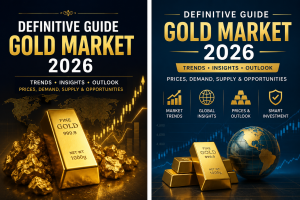
per 10 gram gold rate
Gold has long stood as a beacon of wealth and security, offering a sense of financial safety and a hedge against the instability of inflation. Whether you’re a seasoned investor with a diversified portfolio or a curious buyer stepping into the realm of precious metals for the first time, keeping track of the gold rate per 10 grams is indispensable. This comprehensive article explores the myriad factors that influence gold prices, examines prevailing market trends, and provides insightful tips for investing in gold effectively. 
The gold rate is not static; it ebbs and flows under the influence of a complex interplay of global and domestic factors. Below, we delve into some of the primary influences that shape the price of gold:
Economic Indicators
Gold prices are intricately linked to economic indicators such as inflation rates, interest rates, and currency fluctuations. High inflation erodes the purchasing power of money, prompting investors to flock to gold as a store of value. Similarly, when currencies are devalued, gold often rises in price as it provides a stable alternative. Interest rates also play a crucial role; lower interest rates reduce the opportunity cost of holding gold, making it a more attractive option compared to interest-bearing assets.
The global economy’s health can trigger significant shifts in gold prices. For instance, during economic downturns, central banks may lower interest rates to stimulate growth, inadvertently boosting gold prices. Conversely, in a robust economic climate, higher interest rates can lead to subdued gold demand as investors chase higher returns in other markets.
Geopolitical Tensions
Political instability, whether due to conflicts, elections, or policy changes, often leads to increased gold prices. In times of geopolitical uncertainty, investors seek refuge in gold, perceiving it as a reliable safe haven. This increased demand during crises often results in a surge in gold prices.
Historically, events such as wars, trade tensions, and diplomatic standoffs have driven investors to gold, pushing prices upward. The perception of gold as a stable asset during turbulent times underscores its enduring value in the financial world.
Supply and Demand
The basic economic principle of supply and demand plays a pivotal role in determining gold prices. A limited supply or an increase in demand, particularly from major markets like China and India, can drive prices higher. These countries have a cultural affinity for gold, making them significant players in the global gold market.
Mining production levels, recycling rates, and jewelry demand all contribute to the supply dynamics. Any disruption in mining activities or an unexpected surge in demand can lead to price fluctuations, highlighting the delicate balance between supply and demand in the gold market.
Government Reserves
Central banks around the world hold substantial gold reserves, and their buying or selling activities can significantly impact gold prices. An increase in a country’s gold reserves is often interpreted as a positive signal, indicating a higher demand and potentially leading to price increases.
Central banks may adjust their gold holdings based on economic conditions, currency stability, and strategic considerations. Their actions can provide insights into broader economic trends and influence market sentiment, further affecting gold prices.
Today’s Gold Rate per 10 Gram
Keeping a close watch on daily gold rates is essential for making informed investment decisions. As of today, the gold rate per 10 grams varies across different markets, influenced by local and international factors.
Gold Rate in India
India, one of the largest consumers of gold, sees its gold rates influenced by several factors. The strength of the Indian Rupee against the US Dollar plays a crucial role, as gold is globally traded in dollars. Local demand, festive seasons, and import duties also impact the gold rate today in India per 10 grams.
During major festivals and wedding seasons, the demand for gold in India surges, often leading to temporary price hikes. Import policies and tariffs can further influence the cost of gold, making it essential for investors to stay informed about domestic economic policies and currency movements.
Dubai Gold Rate per 10 Gram
Dubai is renowned for its tax-free gold shopping, attracting buyers from across the globe. The Dubai gold rate per 10 gram is generally competitive and closely reflects global market trends. The city’s strategic location as a trading hub and its economic policies make it a favorable destination for gold buyers.
Dubai’s gold souks and modern shopping malls offer a wide variety of gold products, from traditional jewelry to contemporary designs. The absence of taxes and duties makes it an attractive market for both tourists and locals looking to invest in gold.
Global Market Influences
While India and Dubai are significant players, the global gold market is influenced by a multitude of factors that transcend borders. Economic data releases, central bank policies, and geopolitical events can all contribute to fluctuations in gold prices worldwide.
Investors keen on understanding the gold rate must consider global economic indicators, such as GDP growth rates, unemployment figures, and trade balances. These factors, combined with regional influences, paint a comprehensive picture of the gold market dynamics.
Current Gold Market Trends
Understanding current trends in the gold market can empower investors to make informed and strategic decisions. Here are some notable trends shaping the landscape:
Rising Demand for Digital Gold
The digital revolution has transformed the way investors buy and sell gold. The rising demand for digital gold platforms offers convenience, liquidity, and the assurance of purity, making it an attractive option for tech-savvy investors. These platforms allow investors to buy, sell, and hold gold online, eliminating the need for physical storage and providing a seamless investment experience.
Digital gold is appealing to younger investors who prioritize convenience and transparency. The ability to trade small quantities and track investments in real-time adds to its allure, making digital gold a growing segment of the market.
Sustainable and Ethical Gold
As consumers become increasingly conscious of ethical and environmental issues, the demand for sustainably and ethically sourced gold is on the rise. This trend is pushing companies to adopt more responsible mining practices and ensure that their supply chains are transparent and ethical.
Investors are now considering the environmental and social impacts of their gold investments, leading to a shift towards ethically sourced products. This trend is influencing both the supply chain and consumer behavior, with companies striving to meet the expectations of socially responsible investors.
Gold as a Safe Haven
In times of economic uncertainty and market volatility, gold continues to be a preferred investment. Its reliability as a store of value remains unmatched, providing a hedge against inflation and currency devaluation. Investors turn to gold to diversify their portfolios and protect their wealth during turbulent times.
The perception of gold as a safe haven is deeply rooted in its historical performance during financial crises. As global markets face challenges, the demand for gold as a protective asset is likely to persist, reinforcing its role as a cornerstone of investment portfolios.
Technological Advancements in Gold Trading
The advent of technology has revolutionized gold trading, with online platforms, mobile apps, and real-time data analytics transforming the investment landscape. These advancements enable investors to access market information, trade gold, and manage their portfolios with unprecedented ease.
The integration of technology in gold trading enhances market transparency and accessibility, attracting a broader range of investors. As technology continues to evolve, its impact on the gold market is expected to grow, shaping the future of gold investments.
Live Gold Rates and Updates
Staying updated with live gold rates is vital for investors looking to make timely and informed decisions. There are several resources and apps available that provide real-time updates on gold prices, ensuring that investors are always in the loop.
Gold Rate Update Services
Numerous financial institutions and websites offer comprehensive gold rate update services. These platforms provide real-time prices, historical data, and analytical tools to help investors track trends and make informed decisions.
Investors can leverage these services to stay abreast of market movements, identify potential opportunities, and mitigate risks. Access to accurate and timely information is crucial for navigating the dynamic gold market effectively.
Mobile Apps for Gold Tracking
The proliferation of mobile apps dedicated to gold tracking has made it easier than ever for investors to stay informed. These apps offer features such as price alerts, trend analysis, and portfolio management, empowering investors to make strategic decisions on the go.
With the convenience of mobile technology, investors can monitor gold prices, execute trades, and receive market updates from anywhere, ensuring that they never miss an opportunity.
Social Media and Gold Market Insights
Social media platforms have emerged as valuable sources of market insights and discussions. Investors can join communities, follow industry experts, and engage in discussions to gain a deeper understanding of gold market trends and developments.
The interactive nature of social media allows investors to share information, seek advice, and collaborate with others, enhancing their knowledge and investment strategies.
Tips for Investing in Gold

Investing in gold can be a rewarding venture if approached wisely. Here are some tips to consider to maximize your investment potential:
Diversify Your Portfolio
While gold is a reliable and stable investment, it is crucial to diversify your portfolio to mitigate risks and optimize returns. A well-diversified portfolio includes a mix of stocks, bonds, real estate, and other assets, balancing risk and reward.
Diversification reduces the impact of market fluctuations on your overall portfolio, providing a buffer against potential losses. By spreading investments across different asset classes, investors can enhance their financial resilience and achieve long-term growth.
Keep an Eye on Market Trends
Regularly monitoring market trends and economic indicators can help you make informed decisions about when to buy or sell gold. Understanding the factors that influence gold prices, such as geopolitical events, interest rates, and currency movements, is key to timing your investments effectively.
Staying informed about market developments allows investors to capitalize on opportunities and avoid potential pitfalls. By analyzing trends and forecasting potential market shifts, investors can make strategic decisions that align with their financial goals.
Consider Long-Term Investments
Gold is generally more suitable for long-term investments due to its historical performance and value appreciation over time. As a tangible asset with intrinsic value, gold serves as a reliable option for wealth preservation and capital growth.
Investors with a long-term horizon can benefit from gold’s stability and potential for appreciation, building a robust financial foundation for the future. Patience and a focus on long-term objectives are essential for maximizing the benefits of gold investments.
Be Aware of Additional Costs
When investing in physical gold, it’s important to be aware of additional costs that can affect your overall returns. These costs include storage fees, insurance premiums, and making charges, which can vary depending on the type of gold investment.
Understanding and accounting for these expenses is crucial for evaluating the true cost of your investment. By factoring in additional costs, investors can make more informed decisions and optimize their returns.
Explore Different Forms of Gold Investment
Gold investments come in various forms, each with its own advantages and considerations. From physical gold, such as coins and bars, to digital gold and gold exchange-traded funds (ETFs), investors have a range of options to choose from.
Exploring different forms of gold investment allows investors to tailor their strategies to their individual preferences and risk tolerance. By diversifying across different gold products, investors can enhance their exposure to the gold market and achieve a balanced portfolio.
Gold Price Forecast
Predicting gold prices can be challenging, but understanding historical trends and current market conditions can provide valuable insights into future movements.
Economic Recovery and Gold Prices
As global economies recover from downturns, gold prices may stabilize or fluctuate depending on economic conditions. While economic recovery can lead to lower gold demand, any resurgence of inflation or geopolitical tensions can drive prices higher.
Investors should monitor economic recovery indicators, such as GDP growth and employment rates, to gauge potential impacts on gold prices. By staying informed, investors can adapt their strategies to changing market dynamics.
Technological Advancements
Technological advancements in mining and refining processes can impact gold supply, potentially affecting prices. Innovations in extraction techniques and production efficiencies may lead to increased supply, influencing market dynamics.
As technology continues to evolve, its impact on the gold market will be significant, shaping future trends and investment opportunities. Investors should stay abreast of technological developments to anticipate potential shifts in the gold market.
Geopolitical Developments
Geopolitical developments, such as international conflicts, trade agreements, and policy changes, can have far-reaching effects on gold prices. Investors should monitor geopolitical events closely to understand their potential impact on the gold market.
By analyzing geopolitical trends and assessing their implications, investors can make informed decisions and navigate the complexities of the gold market with confidence.
Conclusion
Understanding the gold rate per 10 gram is crucial for anyone interested in investing in gold. By keeping an eye on economic indicators, market trends, and geopolitical factors, you can make informed decisions and optimize your investment strategy. Remember to diversify your investments and consider long-term strategies to maximize returns.
With the right knowledge and approach, investing in gold can be a rewarding venture. Stay informed, stay updated, and make the most of your gold investments by leveraging the insights and strategies outlined in this article. By doing so, you can secure your financial future and harness the enduring value of gold as a cornerstone of your investment portfolio.
Q&A
Question: What factors most influence the gold rate per 10 grams?
Short answer: Gold prices move with a mix of global and domestic forces. Key drivers include economic indicators (inflation, interest rates, and currency movements), geopolitical tensions (which boost safe-haven demand), supply-and-demand dynamics (mining output, recycling, and strong buying from markets like China and India), and central bank activity (changes in government gold reserves that shape sentiment and demand).
Question: Why might the gold rate today differ between India and Dubai?
Short answer: India’s rates reflect the rupee–US dollar exchange rate, local demand (especially during festivals and wedding seasons), and import duties. Dubai’s prices more closely mirror global benchmarks and benefit from a tax-free environment and its role as a trading hub, often making rates there highly competitive.
Question: How can I stay updated with live gold rates?
Short answer: Use reputable financial websites and institutions that provide real-time quotes, historical charts, and analysis; install mobile apps that offer price alerts, trend analysis, and portfolio tools; and follow social media communities and industry experts for timely insights and market context.
Question: How do central bank gold reserves affect prices?
Short answer: When central banks increase their gold holdings, it signals stronger demand and can lift prices by improving market sentiment. Conversely, large sales can weigh on prices. These moves often reflect broader economic conditions, currency stability goals, and strategic policy decisions.
Question: What are smart ways to invest in gold based on this guide?
Short answer: Treat gold as part of a diversified portfolio, monitor market trends and economic/geopolitical indicators, and lean toward a long-term horizon. If buying physical gold, account for storage, insurance, and making charges. Also consider other formats—such as digital gold and gold ETFs—to balance convenience, costs, and liquidity.