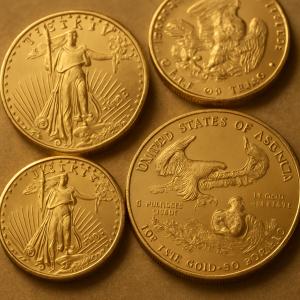
What is the value of a 100 pure gold coin
In the realm of precious metals, gold holds a distinguished position, often regarded as a symbol of wealth and stability. Among various forms of gold investment, the 100% pure gold coin has garnered significant attention. But what determines its value, and how can investors and collectors assess its worth effectively? 
Gold purity is a critical factor in determining the value of a coin. The purity of gold is typically measured in karats, with 24-karat gold representing pure gold. However, in the context of gold coins, purity is often expressed in terms of fineness, where a 100% pure gold coin is described as .9999 fine gold. This means that out of 1,000 parts, 999.9 parts are pure gold.
The Science Behind Gold Purity
The measurement of gold purity is an intricate process involving advanced techniques such as X-ray fluorescence and fire assay. These methods ensure that a gold coin meets the fineness standards, and even a small deviation can significantly affect its value. Understanding these scientific processes can provide investors with confidence in the authenticity and purity of their gold coins.
Importance of Purity in Investment
High purity gold coins are often more desirable among investors due to their intrinsic value. The higher the purity, the closer the coin is to its raw gold value, making it a more secure investment. In times of economic uncertainty, investors lean towards assets that offer unadulterated value, and pure gold coins fit this criterion perfectly.
Historical Context of Gold Purity
Historically, the purity of gold has been a benchmark of wealth and prestige. Ancient civilizations, such as the Egyptians and Romans, revered pure gold not only for its monetary value but also for its cultural significance. This historical context adds an additional layer of value to pure gold coins, making them attractive to both investors and historians.
Factors Influencing the Value of a 100% Pure Gold Coin
The value of a 100% pure gold coin is not solely dictated by its weight and purity. Several external factors play a pivotal role in influencing its market value.
Gold Market Dynamics
The price of gold is subject to various market forces. Economic indicators, inflation rates, currency fluctuations, and geopolitical tensions all play a role in determining gold’s market value. During times of economic uncertainty, gold is often considered a “safe haven” asset, which can drive up demand and, consequently, its price.
Economic Indicators
Economic indicators such as GDP growth, employment rates, and manufacturing outputs can significantly impact gold prices. In periods of economic downturn, gold often becomes a preferred investment, pushing its value higher as investors seek stability.
Inflation and Currency Fluctuations
Inflation erodes the purchasing power of currencies, making gold an attractive hedge. As currencies fluctuate, particularly the US dollar, gold prices often move inversely, offering a buffer against currency depreciation.
Geopolitical Tensions
Gold’s value is also sensitive to geopolitical events. Wars, trade disputes, and political instability can cause investors to flock to gold, driving up its price. The metal’s neutrality and universal acceptance make it a refuge in times of global uncertainty.
Numismatic Value

Apart from its intrinsic metal value, a gold coin may possess numismatic value. Numismatics is the study or collection of currency, including coins. Certain gold coins, due to their historical significance, rarity, or unique design, may hold additional value beyond their weight in gold. Collectors often seek such coins, which can command a premium in the market.
Historical Significance
Coins that commemorate significant historical events or figures often have heightened numismatic value. This historical connection can make them highly sought after by collectors who value the story behind the coin as much as the gold itself.
Rarity and Demand
The rarity of a coin can significantly enhance its numismatic value. Limited mintage, errors, or unique features can make a coin rare, increasing demand among collectors and driving up its market price.
Artistic and Design Appeal
The aesthetic appeal of a gold coin, including its design and craftsmanship, can also contribute to its numismatic value. Coins with intricate designs or those that feature renowned artists’ work are particularly desirable in the numismatic community.
Minting and Condition
The mint where a coin is produced can also affect its value. Coins minted by renowned institutions like the United States Mint or the Royal Canadian Mint are often more desirable. Moreover, the condition of the coin—whether it is uncirculated, proof, or has been handled—can significantly influence its market value. Coins in pristine condition typically fetch higher prices.
Renowned Mints and Reputation
Coins from established mints come with a guarantee of quality and authenticity. The reputation of a mint can add a premium to the coin’s value, as collectors and investors trust these institutions for their rigorous standards.
Coin Grading Systems
Professional grading systems assess a coin’s condition, providing a standardized measure of quality. Grades range from circulated to mint state, with higher grades indicating better condition and higher market value.
Preservation and Handling
The way a coin is preserved and handled can greatly impact its condition. Coins kept in protective casings or those that remain uncirculated are more likely to retain their value over time. Proper storage methods are essential to prevent damage and maintain a coin’s condition.
Coin Value Guide: Assessing Your Gold Coin’s Worth
To accurately assess the value of a 100% pure gold coin, several steps should be followed:
- Determine the Weight and Purity: Verify the coin’s weight and purity. This information is usually stamped on the coin itself or accompanied by a certificate of authenticity from the mint.
Confirming Authenticity
Authenticity is paramount in assessing a coin’s value. Certificates of authenticity, often provided by the mint, offer assurance of a coin’s weight and purity. In the absence of such documentation, having the coin appraised by a professional can verify its legitimacy.
Importance of Certification
Certified coins generally command higher prices in the market. Certification provides an extra layer of trust for buyers, ensuring the coin meets the specified standards of weight and purity.
Weighing and Measuring
Precise weighing and measuring of a coin are critical. Any discrepancy from the stated weight can indicate impurities or counterfeit issues, affecting the coin’s value.
- Check the Current Spot Price: The spot price of gold is readily available online, through financial news outlets, or from precious metal dealers. This price provides a baseline for the coin’s intrinsic value.
Understanding Spot Price Fluctuations
Spot prices can fluctuate due to various factors, including market demand and economic conditions. Keeping abreast of these changes helps investors make informed decisions regarding buying or selling their gold coins.
Comparing Market Prices
Comparing the spot price with market prices of similar coins can provide insights into additional numismatic premiums. This comparison helps in setting realistic expectations for a coin’s market value.
Utilizing Online Resources
Numerous online platforms offer real-time updates on spot prices, providing investors with accessible tools to track market trends and price movements.
- Evaluate Numismatic Factors: Research the coin’s history, rarity, and any unique attributes it may possess. Consulting with a numismatic expert or using reputable coin value guides can provide insights into the coin’s potential premium.
Engaging with Experts
Numismatic experts have the experience and knowledge to assess a coin’s historical and market significance. Engaging with these professionals can uncover hidden value in a coin’s numismatic attributes.
Utilizing Guides and Catalogs
Comprehensive guides and catalogs document the numismatic value of various coins. These resources can serve as valuable reference points for assessing a coin’s market standing.
Historical Research
Conducting thorough research into a coin’s background can reveal aspects such as historical relevance or past ownership, which may add to its appeal and value.
- Assess the Coin’s Condition: Examine the coin for any signs of wear, damage, or alterations. Coins that remain in their original mint packaging or protective casings are often more valuable.
Visual Inspection Techniques
A detailed visual inspection can identify signs of wear or damage. Using magnification tools can help detect imperfections that might not be visible to the naked eye.
Importance of Mint Packaging
Mint packaging not only protects the coin but also serves as a mark of authenticity and quality. Coins in their original packaging tend to maintain higher market values.
Handling and Storage Tips
Proper handling and storage are crucial to preserving a coin’s condition. Using gloves and storing coins in climate-controlled environments can prevent deterioration and maintain their value.
- Consider Market Trends: Stay informed about market trends and economic factors that could impact gold prices. For instance, an increase in inflation or geopolitical tensions may enhance gold’s appeal, affecting its value.
Monitoring Economic Indicators
Keeping an eye on economic indicators and forecasts can provide insights into future gold price movements. Investors should consider how these trends might influence their investment strategies.
Adapting to Global Events
Global events, such as political elections or international conflicts, can have immediate effects on gold prices. Being adaptable and responsive to these events can be advantageous for investors.
Long-Term Market Analysis
Long-term market analysis can help investors understand broader trends in gold pricing. This analysis can aid in making strategic decisions about holding or selling gold coins.
Investment Potential of 100% Pure Gold Coins
Gold coins, especially those of 100% purity, offer a tangible form of investment. They provide a hedge against inflation and currency devaluation, making them a popular choice among investors seeking to diversify their portfolios. Unlike stocks or bonds, gold coins are physical assets that can be stored securely and liquidated when necessary.
Diversification and Risk Management
Investing in gold coins can be part of a broader strategy to diversify one’s investment portfolio. By allocating a portion of assets to gold, investors can mitigate risks associated with market volatility. Gold’s historical performance as a stable store of value adds an element of security to investment portfolios.
Balancing Investment Portfolios
Including gold coins in an investment portfolio can help balance risk and reward. Gold often moves independently of stock markets, providing a counterbalance during market downturns.
Protection Against Volatility
Gold’s stability makes it a defensive asset in volatile markets. By holding gold, investors can protect their portfolios from significant losses during economic instability.
Strategic Asset Allocation
Strategically allocating a portion of assets to gold can enhance portfolio performance over the long term. This allocation requires careful planning and consideration of individual financial goals.
Long-Term Appreciation
While gold does not generate income in the form of dividends or interest, its value can appreciate over time. Historical data suggests that gold has maintained its purchasing power over long periods, making it an attractive option for those looking to preserve wealth.
Historical Value Trends
Gold’s historical value trends show consistent appreciation, even during periods of economic turmoil. This long-term growth potential makes it an appealing asset for wealth preservation.
Inflation-Adjusted Returns
Gold has historically provided inflation-adjusted returns, preserving purchasing power over the years. This characteristic is particularly valuable during times of high inflation.
Wealth Preservation Strategies
Gold coins offer a tangible means of preserving wealth across generations. Their enduring value ensures that they remain a reliable store of wealth in uncertain times.
The Global Appeal of Gold Coins
Gold’s allure transcends borders, with cultures worldwide recognizing its value and significance. Gold coins, whether minted for investment or commemorative purposes, are cherished across continents. This global appeal ensures a robust market for gold coins, offering liquidity and the potential for international trade.
Cultural and Historical Significance
Certain gold coins carry cultural and historical significance, adding layers to their value. Coins celebrating historical events or featuring iconic figures are particularly sought after by collectors and historians alike.
Iconic Coins and Their Stories
Coins that feature iconic figures or commemorate significant events have stories that resonate with collectors. These narratives can enhance the emotional and financial value of the coins.
Cross-Cultural Value
The universal appeal of gold crosses cultural boundaries. Coins that are valued in one culture often find appreciation in others, broadening their market and demand.
Historical Narratives
Coins often serve as historical artifacts, capturing moments in time. Collectors value these narratives, which add depth and context to the coins’ significance.
Accessibility and Ownership
Gold coins offer a convenient entry point for individual investors. They are available in various denominations, allowing investors to acquire gold at different price points. This accessibility democratizes gold ownership, enabling individuals to participate in the gold market without requiring significant capital.
Investment for All Budgets
Gold coins come in various sizes and denominations, making them accessible to a wide range of investors. This flexibility allows individuals to invest according to their financial capacity.
Democratizing Gold Investment
By offering smaller denominations, gold coins democratize investment, allowing more people to participate in the gold market. This inclusivity fosters broader interest and engagement with precious metals.
Building a Diverse Collection
The variety of gold coins available enables collectors to build diverse collections. This diversity can enhance both the enjoyment and potential financial returns of coin collecting.
Conclusion: The Value Proposition of 100% Pure Gold Coins

by Scottsdale Mint (https://unsplash.com/@scottsdalemint)
In summary, the value of a 100% pure gold coin is determined by a confluence of factors, including its intrinsic gold content, numismatic attributes, minting origin, and market conditions. For investors and collectors alike, understanding these elements is crucial for making informed decisions.
The Multifaceted Appeal of Gold Coins
Gold coins represent more than mere financial instruments; they embody history, culture, and a timeless store of value. Their multifaceted appeal ensures their enduring popularity among diverse audiences.
A Testament to Gold’s Enduring Worth
Whether purchased as an investment or a collectible, a 100% pure gold coin offers a tangible connection to the enduring allure of gold—a testament to its perpetual worth in an ever-changing world. This testament is one that continues to captivate, offering security and significance in equal measure.
Navigating the Gold Coin Market
As with any investment, navigating the gold coin market requires knowledge and diligence. By understanding the various factors that influence value, investors and collectors can successfully engage with this timeless asset class, reaping both financial and personal rewards.
Q&A
Question: What does “100% pure” or “.9999 fine” mean for a gold coin?
Short answer: “100% pure” in coinage is typically expressed as .9999 fineness, meaning 999.9 parts out of 1,000 are gold (often called 24-karat). Purity is verified using techniques like X-ray fluorescence and fire assay. Even small deviations from this standard can affect a coin’s value because purity directly ties the coin to its raw metal worth.
Question: How do I assess the value of my pure gold coin in practice?
Short answer: Start by verifying weight and purity (from the coin’s markings or a mint certificate). Confirm authenticity via certificates or professional appraisal if needed. Check the current gold spot price to establish a baseline for intrinsic value relative to the coin’s weight. Then research potential numismatic premiums (history, rarity, design, mint, grading) and carefully evaluate condition (wear, damage, original packaging). Finally, factor in current market trends—economic indicators, inflation, currency moves, and geopolitical events—that can shift prices.
Question: What factors can add value beyond the coin’s gold content?
Short answer: Numismatic attributes can command premiums, including:
- Historical significance (notable events or figures)
- Rarity (limited mintage, errors, unique features)
- Artistic/design appeal and craftsmanship
- Mint reputation (e.g., renowned national mints)
- Condition and grading (uncirculated/proof, higher grades)
- Preservation (original mint packaging, careful handling and storage)
Question: Which market forces most influence the day-to-day price of a pure gold coin?
Short answer: The underlying gold price is driven by broader market dynamics: economic indicators (growth, employment, manufacturing), inflation and currency fluctuations (gold often moves inversely to the US dollar), and geopolitical tensions (wars, trade disputes, political instability). In uncertain times, gold’s “safe haven” status can boost demand and prices.
Question: Why consider 100% pure gold coins for investment and diversification?
Short answer: Pure gold coins provide a tangible hedge against inflation and currency devaluation, tend to move differently than stocks (helping balance portfolio risk), and have a long record of preserving purchasing power. They’re globally recognized and liquid, and their availability in multiple denominations makes them accessible for a range of budgets.