silver sell price
The silver market is dynamic, with prices fluctuating due to a myriad of factors. For anyone looking to sell silver, understanding these dynamics is crucial. Whether you’re selling silver eagles, bullion, or jewelry, knowing the current market value and trends can help you make informed decisions. This expanded guide delves deeper into the complexities of the silver market, offering a comprehensive overview for sellers aiming to optimize their returns. 
Silver prices are influenced by a variety of factors, including supply and demand, geopolitical stability, economic indicators, and market speculation. A closer examination of these elements reveals the intricate nature of the silver market and the interplay of global events and trends that can sway prices.
Supply and Demand
Like any commodity, silver prices are primarily driven by supply and demand. When demand for silver increases, prices tend to rise. Conversely, when supply outpaces demand, prices may drop. Factors affecting supply and demand include industrial uses, jewelry demand, and investment needs.
Industrial Demand
Silver is utilized in numerous industries, from electronics to solar energy. Its conductive properties make it indispensable in manufacturing, and as technology evolves, the demand for silver in industrial applications tends to grow. This continuous need can drive prices up, especially when innovations such as electric vehicles and renewable energy sources expand.
Jewelry and Ornamentation
Silver’s luster and affordability compared to other precious metals make it a popular choice for jewelry and ornamentation. Cultural and seasonal trends can heavily influence this sector. For instance, festive seasons or fashion trends that favor silver can cause a spike in demand, thereby pushing prices upwards.
Investment Trends
Silver is often seen as a ‘safe-haven’ asset, similar to gold. During economic downturns or periods of uncertainty, investors flock to silver to hedge against market volatility, thereby increasing demand and, consequently, prices. Understanding these investment trends can provide insights into potential price movements.
Economic Indicators
Economic health plays a significant role in silver pricing. During times of economic uncertainty, investors often turn to precious metals like silver as a safe haven, driving up prices. Interest rates, inflation, and currency strength also impact silver’s market value.
Inflation and Currency Fluctuations
Inflation diminishes the purchasing power of currencies, leading investors to seek refuge in tangible assets like silver. Additionally, currency fluctuations, particularly of the U.S. dollar, can significantly impact silver prices since it is globally traded in dollars. A weaker dollar makes silver more affordable in other currencies, boosting demand.
Interest Rates Impact
Interest rates influence the cost of holding silver. Lower rates generally reduce the opportunity cost of holding non-yielding assets like silver, making it more attractive. In contrast, rising rates can deter investment in silver, as investors may seek higher-yielding alternatives.
Economic Growth Indicators
Indicators such as GDP growth, employment rates, and consumer confidence can indirectly affect silver prices. Strong economic growth may reduce the allure of silver as a safe haven, while economic contractions can increase its appeal.
Geopolitical Stability
Political tensions and instability can lead to increased demand for safe-haven assets, including silver. When geopolitical risks are high, silver prices may rise as investors seek to protect their wealth.
Regional Conflicts
Conflicts in regions with major mining operations or significant consumer markets can disrupt supply chains and escalate demand for silver as a stable investment, causing price surges. Monitoring geopolitical hotspots can provide foresight into potential market disruptions.
Trade Policies and Tariffs
Trade policies and tariffs can alter the cost structure of silver production and distribution. Policies that affect major economies can have ripple effects, impacting both the supply of and demand for silver on a global scale.
Government Regulations
Government regulations concerning mining and environmental policies can affect silver production levels. Stricter regulations may lead to reduced output, tightening supply and potentially increasing prices.
Market Speculation
Traders and investors speculate on silver prices, which can lead to volatility. Speculative actions can cause rapid price movements, affecting the market value.
Futures and Options Trading
The futures and options markets allow traders to speculate on future silver prices, often leading to significant price fluctuations. These financial instruments can amplify market movements and impact spot prices based on speculative sentiment.
Hedge Funds and Large Investors
Large institutional investors and hedge funds can significantly influence the silver market. Their trading strategies, based on sophisticated models and algorithms, can lead to abrupt price shifts, reflecting broader market expectations.
Retail Investor Influence
The rise of retail investment, facilitated by online trading platforms, has democratized market participation. Collective actions by retail investors can create price movements, as seen in recent market phenomena where social media-driven trends have impacted commodity prices.
Current Silver Prices and Trends

As of today, silver prices fluctuate daily. It’s essential to stay updated with the latest market information to make informed decisions. Several platforms provide real-time silver price updates, including financial news websites and commodity trading platforms. Understanding current trends and historical patterns can aid sellers in timing their transactions for maximum benefit.
Silver Price Forecast
Analysts and market experts frequently provide silver price forecasts based on current trends and future expectations. While these forecasts can be insightful, they are not guaranteed. It’s crucial to consider multiple sources and use them as a guide rather than a definitive prediction.
Expert Analysis
Financial analysts utilize various models to predict silver prices, considering factors like economic conditions, geopolitical events, and historical data. While expert opinions can be valuable, they should be interpreted as part of a broader research strategy.
Historical Price Patterns
Analyzing historical price patterns can offer insights into potential future movements. Identifying recurring trends, such as seasonal peaks or troughs, can help in predicting when to buy or sell silver.
Technology and AI Predictions
Advancements in technology and artificial intelligence have introduced new methods of forecasting silver prices. AI algorithms analyze vast datasets to predict market trends, offering innovative tools for investors to consider alongside traditional analyses.
Selling Silver: Key Considerations

by Zlaťáky.cz (https://unsplash.com/@zlataky)
If you’re planning to sell silver, several factors can influence the price you receive. Here are some key considerations:
Type of Silver
The type of silver you own affects its sell price. Silver eagles, bullion, and jewelry each have different market values. Silver eagles, for instance, often fetch higher prices due to their collectible nature and government backing.
Silver Bullion
Silver bullion is a popular investment choice, available in bars and coins. The value is primarily determined by weight and purity. Investors often prefer bullion due to its standardized format and ease of trade.
Silver Jewelry
The market for silver jewelry varies greatly, with prices influenced by design, brand, and condition. While jewelry may not sell at bullion’s spot price, unique or designer pieces can command premiums.
Collectibles and Numismatics
Silver coins and collectibles often carry value beyond their silver content due to rarity, historical significance, or condition. Numismatic value can significantly enhance the sell price, especially for limited edition or antique items.
Condition and Purity
The condition and purity of your silver also impact its value. Pure silver, or .999 fine silver, is more valuable than silver alloys. Additionally, silver in pristine condition is likely to sell for a higher price than tarnished or damaged pieces.
Assessing Silver Purity
Understanding the purity of your silver is crucial. Marks or stamps indicating purity levels should be verified, as these directly affect market value. Professional appraisals can provide clarity and ensure fair pricing.
Maintaining Condition
Proper care and maintenance can preserve the condition of your silver, enhancing its resale value. Storing silver in anti-tarnish bags and regular polishing can prevent damage and maintain its luster.
Impact of Wear and Tear
Visible wear and tear can diminish the perceived value of silver items. When selling, presenting items in the best possible condition can attract more competitive offers.
Selling at Spot Price
Many sellers wonder, “Can I sell silver at spot price?” The spot price is the current market value of silver per ounce. While some buyers may offer spot prices, others may pay slightly below spot to cover their costs. It’s essential to research and compare offers from different buyers.
Understanding Spot Price
The spot price reflects the immediate value of silver on the open market. This price is dynamic, influenced by real-time trading activities and market sentiments. Understanding how it’s calculated can help sellers set realistic expectations.
Premiums and Discounts
Buyers often offer prices slightly below the spot to account for processing and resale costs. Conversely, sellers of unique or high-demand items might negotiate premiums above the spot price.
Negotiating Sales
Effective negotiation can lead to better selling prices. Being informed about market conditions and having multiple offers can strengthen your bargaining position.
Selling Silver Online
Selling silver online can be convenient and may yield competitive offers. Numerous platforms allow you to list your silver items and receive bids from potential buyers. Be sure to use reputable sites to ensure secure transactions.
Choosing the Right Platform
Selecting the right online marketplace is crucial. Platforms specializing in precious metals or offering seller protection can enhance your selling experience and ensure secure transactions.
Evaluating Buyer Credibility
Researching potential buyers is essential for a secure sale. Reviews, ratings, and transaction histories can provide insights into buyer reliability and help avoid scams.
Digital Payment Security
Ensuring secure payment methods is vital when selling online. Platforms offering escrow services or buyer protection can safeguard transactions and provide peace of mind.
Timing the Sale
Timing can significantly impact the sell price of silver. Monitoring market trends and selling during peak demand or when prices are high can maximize your returns.
Market Trend Analysis
Staying informed about market trends can guide timing decisions. Regularly reviewing market reports and news can help identify optimal selling windows.
Seasonal Considerations
Certain times of the year may see increased demand for silver, such as holiday seasons or during major economic events. Timing sales to coincide with these periods can enhance potential profits.
External Economic Factors
Broader economic events, like interest rate changes or geopolitical developments, can affect silver prices. Anticipating these factors can aid in timing your sale strategically.
Silver Eagles: A Special Case
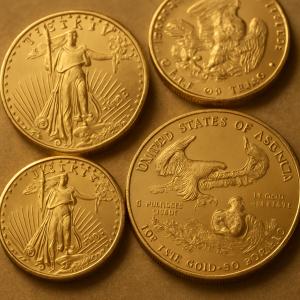
Silver eagles are one of the most popular forms of silver investments. These coins, issued by the U.S. Mint, are valued for their beauty, purity, and legal tender status. The sell price of silver eagles often includes a premium over the spot price due to their collectible nature.
Understanding Silver Eagles
Silver eagles represent a unique blend of bullion and numismatic value. Their government backing and limited annual mintage contribute to their desirability among collectors and investors alike.
Collectibility and Demand
The collectible nature of silver eagles can command premiums above their silver content. Factors like year of minting and special editions can enhance their value, attracting both collectors and investors.
Legal Tender and Recognition
As legal tender, silver eagles have a face value, though their intrinsic and collectible value far exceeds this. Their wide recognition and trustworthiness make them a preferred choice in both domestic and international markets.
Condition and Grading
The condition and official grading of silver eagles play a crucial role in determining their market value. Coins in mint condition or with high grading can command significant premiums in the collectibles market.
Selling Strategies for Silver Eagles
When selling silver eagles, consider factors such as coin condition, year of minting, and current demand. Limited edition or rare coins may fetch higher prices from collectors.
Assessing Market Demand
Understanding current market demand for specific years or editions of silver eagles can guide pricing strategies. Monitoring collector forums and auctions can provide insights into prevailing trends.
Engaging Collectors and Dealers
Targeting the right audience, such as coin collectors or specialized dealers, can enhance selling opportunities. These buyers may value the numismatic aspects and be willing to pay higher premiums.
Evaluating Sales Channels
Choosing the right sales channels, whether online marketplaces, auctions, or coin shows, can impact the final selling price. Each platform offers distinct advantages, depending on the target audience and coin rarity.
Conclusion
Understanding the silver market is essential for anyone looking to sell silver. By keeping an eye on current prices, market trends, and key factors influencing silver value, you can make informed decisions and potentially maximize your returns. Whether you’re selling silver eagles, bullion, or jewelry, staying informed and strategic can lead to successful transactions.
The silver market is dynamic, and prices can change rapidly. Regularly updating your knowledge and consulting multiple sources will help you navigate this fluctuating market with confidence. By leveraging insights into market dynamics, seller considerations, and specific asset nuances, you can optimize your selling strategy and achieve favorable outcomes in the ever-evolving silver market.
Q&A
Question: What is the silver spot price, and can I realistically sell at or above it?
Short answer: The spot price is the current market value of silver per ounce in real time. Most buyers pay slightly below spot to cover processing, handling, and resale costs. However, certain items can command premiums above spot—especially Silver Eagles, limited-mintage coins, and pieces with numismatic or brand value, or items in exceptional condition. Comparing multiple offers and targeting the right buyer (e.g., coin dealers or collectors for Eagles) can improve your chances of achieving spot or better.
Question: Which factors most influence silver prices day to day?
Short answer: Silver moves on a mix of supply-demand fundamentals and macro/market forces. Key drivers include:
- Supply and demand: Industrial use (electronics, solar, EVs), jewelry demand, and investment flows.
- Economic indicators: Inflation, interest rates, currency strength (especially the U.S. dollar), and growth signals like GDP and employment.
- Geopolitics and policy: Regional conflicts, trade policies/tariffs, and mining/environmental regulations.
- Market speculation: Futures and options activity, positioning by hedge funds and large investors, and coordinated retail flows—all of which can amplify volatility.
Question: How should I time my silver sale to maximize returns?
Short answer: Monitor real-time prices and broader trends, then sell into strength rather than trying to pick exact tops. Use:
- Trend checks: Follow financial news, commodity platforms, and market reports.
- Historical patterns: Seasonal demand (e.g., holidays) and recurring behaviors can hint at favorable windows.
- Macro watch: Shifts in rates, inflation, dollar strength, or geopolitical tensions can quickly change sentiment.
- Practical edge: Get multiple bids before committing; being ready with documentation and clear photos helps you act when prices spike.
Question: What’s the best way to sell bullion, jewelry, and Silver Eagles?
Short answer: Tailor your channel to the item’s value drivers.
- Bullion (bars/standard coins): Value is mostly weight and purity; sell to reputable metal dealers or platforms specializing in precious metals for competitive, transparent pricing.
- Jewelry: Prices hinge on design, brand, and condition; unique or designer pieces may fetch premiums through jewelry buyers, auctions, or specialty marketplaces.
- Silver Eagles and collectibles: Numismatic appeal, year, mintage, and grading matter; coin dealers, collector forums, and auctions can pay higher premiums than general bullion buyers.
Question: Are expert forecasts and AI predictions reliable guides for selling?
Short answer: They’re useful inputs, not guarantees. Analysts and AI models synthesize economic data, geopolitics, and history to suggest likely paths, but silver is volatile and can move on unexpected events or speculative flows. Treat forecasts as one data point among many—cross-check multiple sources, watch real-time price action, and combine insights with your own timing, multiple offers, and item-specific factors (condition, rarity, and demand).