How Much Is One Gold Bar? Live Prices, Sizes & Where to Buy in 2026
How Much Is One Gold Bar Today?
Short answer: it depends on the bar.
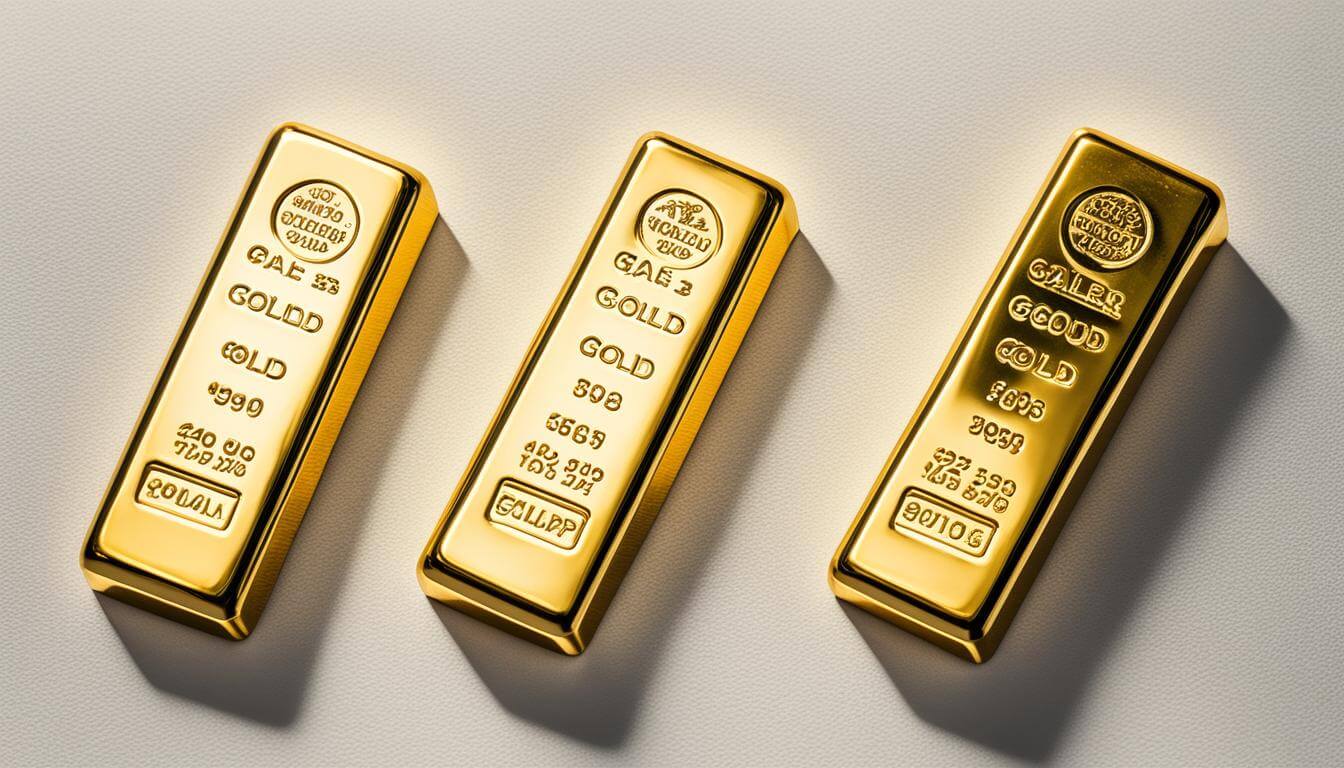
A 1-gram gold bar will set you back roughly $149, while a standard 1-kilogram bar is currently trading around $149,440. The big one most people picture in heist movies, the 400-ounce London Good Delivery bar, is worth close to $1.86 million at today’s spot price of about $4,648 per troy ounce (May 1, 2026).
So when someone asks how much is one gold bar worth, the honest reply is another question: which bar? Gold bars come in more than a dozen sizes, and the spread between the smallest and the largest is enormous. Below, we break down every common bar by weight, walk through what’s actually moving the price right now, and explain how to buy genuine, ethically sourced bullion through Minerals Base Agency, Uganda’s leading gold seller and exporter, headquartered in Kampala.
Quick Answer: Gold Bar Prices by Weight (May 2026)
Here’s the cheat sheet most readers come for. Prices below are based on the live spot price of approximately $4,648 per troy ounce and will shift with the market.
| Gold Bar Size | Weight | Approximate Value (USD) |
|---|---|---|
| 1 gram | 1 g | $149 |
| 5 gram | 5 g | $747 |
| 10 gram | 10 g | $1,494 |
| 1 ounce (oz) | 31.10 g | $4,648 |
| 50 gram | 50 g | $7,472 |
| 100 gram | 100 g | $14,944 |
| 10 ounce | 311 g | $46,481 |
| 1 kilogram | 1,000 g | $149,440 |
| 100 ounce | 3.11 kg | $464,810 |
| 400 ounce (Good Delivery) | 12.44 kg | $1,859,240 |
These figures cover the gold content only. The actual price you pay any dealer (including us) carries a small premium on top of spot to cover refining, assay, insurance, and secure logistics. Dealers selling below spot are almost always selling something that isn’t gold.
What Counts as “One Gold Bar”?
This is where most articles online get sloppy. There isn’t one universal “gold bar.” There are a few standard categories:
Cast bars are poured into molds. They look rougher, with a slightly uneven surface, and are usually heavier (think 1 kg and above). Refiners produce these because they’re cheaper to make per gram.
Minted bars are punched from a sheet, then stamped with a clean design. They tend to be smaller (1 g up to about 100 g), come sealed in tamper-evident assay cards, and carry a slightly higher premium because of the extra finishing work.
Good Delivery bars are the 400-ounce monsters that central banks shuffle between vaults in London, New York, and Zurich. The LBMA (London Bullion Market Association) sets the spec: between 350 and 430 troy ounces, at least 99.5% pure. One of those, sitting on a desk, is what most people picture when they ask how much is one gold bar.
If a friend in Kampala shows you a “gold bar” that’s the size of a phone and weighs almost nothing, that’s a small minted bar, probably 1 to 10 grams. Useful, real, but very different from a kilo bar.
What Drives the Price of Gold Right Now
Gold is moody. It reacts to news, panic, central bank decisions, and even the weather in big jewelry-buying countries. A few things matter more than others.
1. The U.S. Dollar
Gold is priced in dollars. When the dollar weakens, gold gets cheaper for buyers using euros, yen, or shillings, and demand picks up. The opposite happens when the dollar runs hot. We’ve watched this play out in real time over the past month: a softer dollar in late April pushed gold above $4,600 again.
2. Inflation and Interest Rates
Gold doesn’t pay interest. So when bonds and savings accounts offer juicy returns, gold becomes less attractive. When inflation eats into those returns, gold suddenly looks like a smart hedge. With inflation still running above the Fed’s comfort zone in 2026, central banks have been cautious about cutting rates, and that caution shows up in the gold chart.
3. Geopolitics and Crisis Demand
Wars, sanctions, election shocks, banking scares: any of these send investors looking for something they can hold in their hands. The Middle East situation, ongoing trade tensions, and central bank diversification away from the dollar have all kept a floor under gold prices throughout 2026.
4. Central Bank Buying
Central banks, especially in Asia and the Middle East, have been net buyers of gold for several years running. The World Gold Council reported that central banks added meaningfully to their reserves in Q1 2026. This is structural, slow-moving demand, and it doesn’t reverse easily.
5. Supply From Mining and Recycling
Africa is one of the world’s most important gold-producing regions. Uganda alone exported gold worth billions of dollars in recent years, with most of that bullion passing through Kampala on its way to Dubai, Switzerland, and India. Supply disruptions in any major producing country can move the global price.
How Much Is a 1kg Gold Bar?
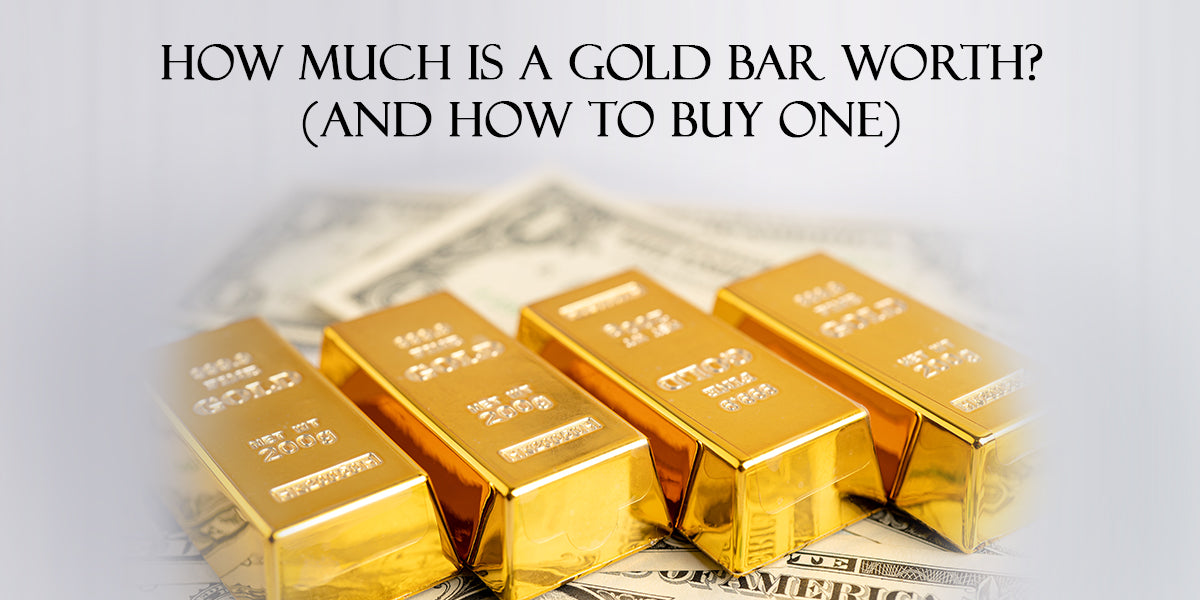
The 1-kilogram bar is the workhorse of the bullion world. It’s the size most serious investors, jewellers, and exporters trade in. At today’s spot, a 1kg gold bar is worth approximately $149,440, plus a small dealer premium (typically 1% to 3% depending on the source and refiner).
A few practical notes about the kilo bar:
- It contains exactly 32.1507 troy ounces of pure gold.
- Most kilo bars on the international market are 99.99% pure (also called “four nines” or .9999 fine).
- Reputable refiners stamp each bar with a unique serial number, weight, fineness, and the refiner’s mark. PAMP, Valcambi, Argor-Heraeus, and Perth Mint are the names you’ll see most often.
- A kilo bar fits comfortably in your palm. It’s deceptively heavy, denser than lead.
If you’re buying for investment, a kilo bar offers the best price per gram of any minted size, which is why it’s the format we move most often at Minerals Base Agency.
How Much Is a 1 Ounce Gold Bar?
The 1-ounce bar is the entry point for most retail investors. It’s affordable enough to buy in singles, easy to store, and instantly recognizable.
A 1 oz gold bar is currently worth around $4,648.
You’ll see 1 oz bars from refiners like Credit Suisse, PAMP Suisse Lady Fortuna, Royal Canadian Mint, and Perth Mint. They typically come sealed in an assay card with a certificate of authenticity. That packaging matters more than people realize: breaking the seal can reduce resale value because the bar then has to be re-assayed.
How Much Is a 400 oz “Good Delivery” Gold Bar?
This is the bar in the Bond villain’s safe. The London Good Delivery standard is 400 troy ounces, or about 12.4 kilograms of solid gold. At today’s spot, one Good Delivery bar is worth roughly $1.86 million.
Almost no individual investor buys these. They’re traded between bullion banks, refiners, and central banks. They sit in vaults at the Bank of England, the Federal Reserve, and a handful of private depositories. If you’ve ever seen footage of a vault stacked with gold, those are Good Delivery bars.
Buying Gold Bars from Uganda: Why Minerals Base Agency
Here’s where geography matters. Uganda is one of Africa’s top gold trading hubs. The country sits at the intersection of supply chains stretching across the Great Lakes region, with refined and semi-refined bullion moving through Kampala daily on its way to international markets.
Minerals Base Agency is a registered, licensed gold seller and exporter based in Kampala. We’ve spent years building direct, transparent relationships with artisanal cooperatives, licensed mining sites, and institutional buyers across the Middle East, Asia, and Europe.
What that means for you, the buyer:
Direct sourcing, no middlemen. When you buy from us, you’re buying from the source. We don’t resell from another broker who resold from another broker. That’s how we keep premiums tight.
Full export documentation. Every shipment leaves Uganda with verified Certificate of Origin paperwork, assay reports from accredited labs, packing lists, airway bills, and the regulatory clearances required by both Ugandan authorities and the destination country. Gold without paperwork is a problem nobody wants to inherit.
Audited purity. Bars and doré we move are tested by certified assayers. We share results before shipment. No surprises at the refinery on the other end.
Secure logistics. We work with internationally bonded couriers (Brinks, G4S, and similar) for high-value shipments. Smaller consignments move through licensed precious-metal freight handlers based at Entebbe International Airport.
Competitive pricing tied to LBMA spot. Our quotes are pegged to the live London fix, with a transparent premium. You’ll know exactly what you’re paying for the metal and what you’re paying for the service.
If you’ve been burned before by sketchy “gold dealers” on Telegram or WhatsApp groups, you’ll appreciate the difference. We don’t ask for upfront payments to escrow accounts that mysteriously disappear. Every transaction goes through documented banking channels with KYC/AML compliance on both sides.
How to Buy a Gold Bar Through Minerals Base
The process, simplified:
- Get in touch. Email us, fill out the contact form, or reach us on WhatsApp. Tell us what size and quantity you’re looking at, and where you want it delivered.
- Receive a quote. We’ll send you a written offer pegged to live spot, with the premium broken out clearly. You’ll also see refiner information, purity, and available bar sizes.
- Verify and inspect. Serious buyers are welcome to fly into Kampala for in-person inspection and assay before payment. We encourage it for transactions above $500,000.
- Close the deal. Payment moves through compliant banking channels. We don’t accept anonymous crypto for export-grade transactions, full stop. (Smaller domestic deals can be handled differently.)
- Ship and clear. We handle export paperwork on our end. You handle import on yours, or we can refer a customs broker.
Is Buying a Gold Bar a Good Investment?
Honestly, it depends on what you’re trying to do.
If you want a hedge against currency collapse, runaway inflation, or political risk, gold has done that job well for about 5,000 years. It still does. The bar is yours, it’s not someone else’s promise, and no government can technically default on it.
If you want maximum returns, history suggests stocks beat gold over long periods. Between 1971 and 2024, the S&P 500 averaged about 10.7% annual returns; gold averaged about 7.9%. Gold shines in crisis years and lags in boom years.
A reasonable portfolio approach for most investors: 5% to 15% in physical gold, with the rest in diversified equities, bonds, and cash. That gives you crisis protection without giving up too much long-term growth.
One more thing nobody tells you: storage matters. A safety deposit box at a bank works for a few ounces. For a kilo bar or more, you want a private vault facility (Loomis, Brinks, or Malca-Amit) or a high-grade home safe bolted to a concrete floor, with insurance to match.
Frequently Asked Questions
How much is one gold bar in 2026?
It depends on the size. A 1-gram bar costs around $149, a 1-ounce bar around $4,648, a 1-kilogram bar approximately $149,440, and a 400-ounce Good Delivery bar roughly $1.86 million, all based on the May 2026 spot price of about $4,648 per troy ounce. Prices change throughout the trading day.
How much does one gold bar weigh?
The most common bar sizes are 1 gram, 1 ounce, 10 ounces, 100 grams, 1 kilogram, and the 400-ounce Good Delivery bar (about 12.4 kg). When people say “a gold bar” without specifying, they usually mean either a 1 oz bar (small enough to hold) or a kilo bar (the standard investment size).
Why is the gold bar price different from spot?
Spot is the wholesale price of pure gold itself. Dealers add a premium to cover refining, assay testing, insured shipping, certification, and a small margin. Premiums are smaller for big bars (1 kg and up) and larger for small minted bars and collectible coins.
Is gold a better investment than property in Uganda?
Different jobs. Property generates rent and appreciates with land scarcity. Gold doesn’t generate income, but it’s portable, liquid in any country, and isn’t tied to local economic conditions. Many of our clients hold both.
Can I really buy gold bars from Uganda and export them?
Yes, legally and routinely, when you go through licensed channels. Uganda is a major gold exporter, and Minerals Base Agency handles the full chain of paperwork, assay, and logistics. The “buy in Uganda, smuggle out” stories you read about are about people who tried to skip the paperwork. Don’t be that person.
What purity should I look for in a gold bar?
For investment-grade bullion, look for 99.99% pure (24 karat, .9999 fine) from a recognized refiner. Anything below 99.5% won’t qualify as Good Delivery and will sell at a discount on the international market.
How do I know a gold bar is real?
Reputable bars come from a known refiner, carry a unique serial number, sit in a tamper-evident assay card, and pass density and acid testing. For larger purchases, an XRF or fire assay test by an independent lab is the gold standard, no pun intended. We provide assay reports with every shipment.
How much is a gold bar in Uganda Shillings?
At current exchange rates (approximately 3,800 UGX per USD), a 1-ounce gold bar costs around UGX 17.7 million, and a 1 kg bar runs roughly UGX 568 million. These figures move with both the spot price and the USD/UGX rate.
What’s the smallest gold bar I can buy?
We can supply bars as small as 1 gram, useful for gifts, savings, or first-time buyers. There’s no minimum order size that makes sense for everyone, but for international export shipments, most buyers start at 1 kilogram or larger to keep premiums and shipping costs proportionate.
Ready to Get a Live Quote?
Gold prices change every minute the markets are open. The figures in this article are accurate as of May 1, 2026, but your real number will depend on the spot price the moment your order is locked in.
Reach out to Minerals Base Agency for a live quote on any bar size from 1 gram to 400 ounces. We’ll send you current pricing, refiner options, and a clear breakdown of fees and shipping. No hard sell, no pressure, just straight numbers.
📞 Call / WhatsApp:+ (256) 706290451 ✉️ Email:info@mineralsbase.com 📍 Office: Kampala, Uganda 🌍 Web: mineralsbase.com