gold value last 20 years
Gold has always been a symbol of wealth and a reliable investment throughout history. Over the last two decades, the value of gold has seen significant changes, influenced by various economic, political, and social factors. In this article, we will explore the gold price history over the last 20 years, analyze the trends, and discuss how these fluctuations have impacted investors and the global market.

Summary
Over the past 20 years, gold moved from early-2000s stability around $300–$400/oz to crisis-driven surges above $1,000 in 2008, peaking near $1,900 in 2011 and topping $2,000 in 2020, with a mid-2010s pullback. Prices have been driven by inflation, currency moves, interest rates, geopolitics, and supply-demand shifts. Investors have used gold as a safe-haven and diversification hedge during periods of uncertainty. Looking ahead, volatility is likely to persist, but gold’s role as a store of value remains strong.
Gold prices are often seen as a reflection of economic stability. When the economy is unstable, investors often turn to gold as a safe haven, leading to an increase in its value. Conversely, when the economy is strong, gold prices may decrease as investors seek higher returns in other assets. Understanding these trends is crucial for those looking to invest in gold.
Gold Price Fluctuations Over the Years
The gold market is influenced by a myriad of factors, including inflation, currency value changes, and global economic conditions. Here’s a look at some of the most notable fluctuations in gold prices over the past two decades:
- Early 2000s Stability: At the start of the 2000s, gold prices were relatively stable, hovering around $300 to $400 per ounce. This stability was a reflection of the steady economic growth experienced in many parts of the world during this period.
- 2008 Financial Crisis: The global financial crisis had a profound impact on gold prices. As stock markets crashed and economies faltered, gold prices surged, reaching over $1,000 per ounce for the first time. This spike was driven by investors seeking a safe haven amidst economic uncertainty.
- Post-Crisis Recovery: In the years following the financial crisis, gold prices continued to rise, peaking at over $1,900 per ounce in 2011. This increase was fueled by ongoing economic uncertainty and low interest rates.
- Mid-2010s Decline: Gold prices began to decline in the mid-2010s as the global economy showed signs of recovery. By 2015, gold was trading at around $1,100 per ounce, reflecting renewed investor confidence in traditional markets.
- Recent Volatility: More recently, gold prices have experienced significant volatility, influenced by geopolitical tensions, trade wars, and the COVID-19 pandemic. In 2020, gold prices soared to a new high of over $2,000 per ounce as investors sought stability during the pandemic.
Gold Price Chart: A 20-Year Overview

To provide a clearer picture of gold price trends over the last 20 years, let’s examine a gold price chart. This chart illustrates the fluctuations and key milestones in gold prices, helping investors understand the broader market trends.
Factors Influencing Gold Prices
Several key factors influence the value of gold:
- Inflation: Gold is often seen as a hedge against inflation. When inflation rises, the purchasing power of currency decreases, leading investors to buy gold as a way to preserve their wealth.
- Currency Value: The value of gold is closely linked to currency fluctuations. A weaker currency often leads to higher gold prices, as gold becomes cheaper for investors holding stronger currencies.
- Interest Rates: Low interest rates make gold an attractive investment, as the opportunity cost of holding gold decreases. Conversely, high interest rates can lead to lower gold prices, as investors seek higher returns elsewhere.
- Geopolitical Events: Political instability and conflicts can drive investors towards gold, causing prices to rise. Events such as wars, trade tensions, and political upheavals often lead to increased demand for gold.
- Supply and Demand: The supply of gold is limited, and changes in mining production can impact prices. Similarly, changes in demand from industries such as jewelry and technology can influence gold prices.
Gold vs. Silver: A Historical Comparison

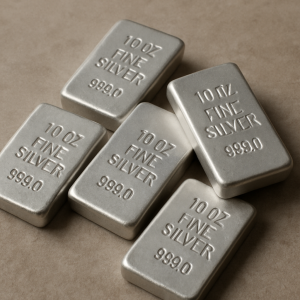
by Traxer (https://unsplash.com/@traxer)
While gold often takes the spotlight, it’s important to consider its relationship with silver. Both metals have been used as currency and investment for centuries, but their price movements can differ significantly.
Historically, the gold-to-silver ratio, which measures the number of ounces of silver it takes to buy one ounce of gold, has fluctuated. In times of economic uncertainty, both gold and silver prices tend to rise, but the rate of increase can vary. Silver, being more volatile, often sees larger percentage gains and losses compared to gold.
Gold Price Analysis: What the Future Holds
Analyzing past trends can provide insights into potential future movements in gold prices. However, it’s important to note that predicting exact price changes is challenging due to the numerous variables involved.
Economists and market analysts often look at macroeconomic indicators, such as inflation rates, currency strength, and geopolitical events, to forecast gold price trends. While some predict continued volatility due to ongoing global uncertainties, others believe that gold will maintain its value as a stable investment option.
Key Takeaways for Investors
- Diversification: Gold can be a valuable component of a diversified investment portfolio, providing a hedge against economic downturns and currency devaluation.
- Long-term Investment: Given its historical performance, gold is often considered a long-term investment that can preserve wealth over time.
- Market Monitoring: Investors should stay informed about economic and geopolitical developments, as these factors can significantly impact gold prices.
In conclusion, understanding the value of gold over the last 20 years requires examining a complex interplay of economic, political, and social factors. By analyzing historical trends and considering the factors that influence gold prices, investors can make informed decisions and potentially safeguard their financial future. Gold’s enduring appeal as a symbol of wealth and stability ensures that it will continue to be a key focus for investors worldwide.
Q&A
Question: What were the biggest milestones in gold prices over the last 20 years? Short answer: Gold moved from early-2000s stability around $300–$400/oz to crisis-driven surges and new highs. It first broke above $1,000/oz during the 2008 financial crisis, then climbed to over $1,900/oz in 2011 amid ongoing uncertainty and low interest rates. After a mid-2010s pullback to roughly $1,100/oz by 2015 as confidence returned to risk assets, prices rebounded sharply, topping $2,000/oz in 2020 during the pandemic. Overall, the period was marked by pronounced volatility tied to economic stress and recovery cycles.
Question: Why do gold prices tend to rise during crises like 2008 and 2020? Short answer: In periods of economic and market turmoil, investors seek safety and liquidity, and gold is a well-established “safe-haven” asset. During the 2008 financial crisis and the COVID-19 pandemic in 2020, uncertainty spiked, risk assets sold off, and policy responses pushed interest rates lower—conditions that historically support gold demand and prices. As more investors moved into gold to preserve value, prices surged past key milestones.
Question: What are the main factors that influence gold prices? Short answer: Several interconnected forces drive gold:
- Inflation: Rising inflation erodes currency purchasing power, making gold more attractive as a store of value.
- Currency value: Weaker currencies often coincide with higher gold prices, as gold becomes relatively cheaper for holders of stronger currencies.
- Interest rates: Lower rates reduce the opportunity cost of holding non-yielding gold, typically supporting prices; higher rates can weigh on gold.
- Geopolitics: Wars, trade tensions, and political instability boost safe-haven demand.
- Supply and demand: Limited mine supply and shifting demand from jewelry, technology, and investors can nudge prices up or down.
Question: Why did gold prices decline in the mid-2010s after hitting highs earlier in the decade? Short answer: As the global economy showed signs of recovery following the financial crisis, investor confidence in traditional markets improved. With less acute uncertainty and a shift back toward risk assets, gold demand eased, and prices retraced from their earlier peaks—reaching around $1,100/oz by 2015.
Question: How does gold compare to silver as an investment over time? Short answer: Both gold and silver tend to rise during periods of uncertainty, but silver is typically more volatile—its percentage gains and losses are often larger. The gold-to-silver ratio (how many ounces of silver equal one ounce of gold) fluctuates over time, reflecting differences in market dynamics and industrial demand. While gold often takes the lead as a stability hedge, silver’s higher volatility can amplify moves in both directions.