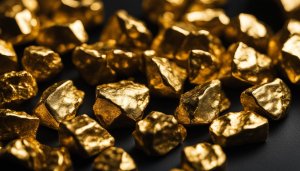
10kg gold in usd

Gold has long been revered as a symbol of wealth and stability. As a tangible asset, it offers a unique combination of durability, portability, and liquidity. In this article, we will delve into the cost of 10 kg of gold in USD, explore its investment potential, and provide insights into the gold market trends. This guide will equip you with valuable knowledge whether you are an investor, a gold trader, or simply curious about the value of gold.
The Cost of 10 kg Gold
Current Gold Rates and Price Analysis
The price of gold fluctuates daily based on a variety of factors, including supply and demand, inflation rates, and geopolitical stability. As of the latest reports, the price of gold per kilogram is approximately $60,000 USD. Therefore, the cost of 10 kg of gold would be around $600,000 USD.
It’s important to note that these figures can vary depending on market conditions. Investors are encouraged to keep an eye on the current gold rates and perform regular price analysis to make informed investment decisions. Tools such as gold price charts and financial news updates can be invaluable for tracking these daily fluctuations.
In addition, understanding the underlying reasons for gold price changes can provide deeper insights. For instance, sudden spikes in demand due to geopolitical tensions or changes in monetary policy can lead to rapid price adjustments. Being aware of these dynamics allows investors to anticipate potential price movements and strategically time their investments.
Historical Gold Prices
Understanding historical gold prices can provide valuable context for current market conditions. For instance, 10 years ago, the price of 1 kg of gold was significantly lower, around $45,000 USD. This increase highlights the potential for gold as a long-term investment, appreciating significantly over time.
Examining the long-term trends in gold prices reveals patterns of growth and stability. Historical data often shows that gold has consistently outperformed many other asset classes during periods of economic downturns. This resilience makes it a sought-after investment for those looking to safeguard their wealth against market volatilities.
Moreover, historical price analysis can help identify cycles or trends that might repeat. By studying past events, such as economic recessions or financial crises, investors can better predict how gold might perform under similar future circumstances. This historical perspective is crucial for building a robust investment strategy.
Factors Contributing to Price Fluctuations
Several factors contribute to the fluctuations in gold prices. Economic indicators, investor sentiment, and technological advancements all play a role. Additionally, central bank policies and international trade agreements can significantly influence gold’s market value.
Changes in investor sentiment can cause rapid shifts in gold demand. For example, during times of uncertainty, investors may flock to gold, driving up prices. Conversely, periods of economic stability might see reduced interest in gold as investors seek higher returns in riskier assets.
Technological advancements, particularly in mining and gold extraction processes, can also affect supply levels. Innovations that increase efficiency or reduce costs can lead to changes in production levels, influencing market prices. Understanding these technological impacts is vital for anticipating future supply trends.
Gold as an Investment
Gold Investment Value
Gold is often considered a safe-haven asset, especially during times of economic uncertainty. Its intrinsic value and limited supply make it a reliable store of wealth. Additionally, gold’s ability to diversify a portfolio and hedge against inflation makes it a popular choice among investors.
Investors value gold for its ability to maintain value over time. Unlike paper currencies, which can be devalued through inflation, gold retains its purchasing power. This characteristic makes it an attractive option for preserving wealth across generations.
Moreover, gold’s limited supply ensures that it remains a scarce resource. As mining becomes more challenging and costly, the value of existing gold reserves is likely to increase. This scarcity factor contributes to gold’s long-term investment appeal.
Types of Gold Investments
Investors can choose from a variety of gold investment options, each with its own benefits and risks. Physical gold, such as bars and coins, offers direct ownership, while gold ETFs and mutual funds provide exposure without the need for storage. Additionally, gold mining stocks offer a way to invest in companies involved in gold production.
Physical gold investments provide tangible ownership, which appeals to those who prefer holding assets they can see and touch. However, storage and insurance costs should be considered when opting for physical gold. On the other hand, gold ETFs and mutual funds offer liquidity and ease of trading, making them attractive for those seeking flexibility.
Gold mining stocks allow investors to participate in the profitability of mining companies. These stocks can offer high returns, but they also come with higher risks due to factors like mining operations and management practices. Evaluating a company’s financial health and production capabilities is essential for making informed decisions in this area.
Gold Trading Tips
- Stay Informed: Regularly check gold market trends and forecasts to stay updated on price movements. Subscribing to financial news outlets and analysis platforms can provide timely insights and expert opinions on market conditions.
- Diversify Your Portfolio: Consider combining gold with other assets to spread risk. Diversification helps cushion against market volatility and can enhance overall portfolio performance. Including various asset classes, such as stocks, bonds, and real estate, alongside gold can create a balanced investment strategy.
- Understand Market Influences: Geopolitical events, currency fluctuations, and economic data can all impact gold prices. Keeping track of global events and economic indicators helps investors anticipate potential market shifts and adjust their strategies accordingly.
- Use Trusted Platforms: Ensure you are trading through reputable platforms to avoid scams and ensure the security of your investments. Researching and choosing platforms with strong regulatory compliance and positive user reviews is crucial for protecting your assets.
Factors Influencing Gold Prices
Economic Indicators
Gold prices are sensitive to economic indicators such as interest rates, inflation, and currency strength. For instance, when interest rates are low, gold tends to be more attractive because it offers no yield, whereas savings accounts and bonds offer lower returns.
Interest rates can significantly impact gold’s appeal as an investment. When rates are low, the opportunity cost of holding gold decreases, making it more attractive compared to interest-bearing assets. Conversely, rising interest rates can increase the allure of fixed-income securities, potentially reducing demand for gold.
Inflation is another critical factor influencing gold prices. As inflation erodes the purchasing power of currencies, gold often becomes a preferred store of value. Investors turn to gold as a hedge against inflation, driving up demand and prices in periods of rising inflationary pressures.
Geopolitical Events
Gold prices often rise during geopolitical tensions or conflicts. This is because investors seek the safety of gold to preserve capital during unstable times. Monitoring international news can provide insights into potential price movements.
Geopolitical events such as wars, political instability, and trade disputes can create uncertainty in financial markets. During such times, investors tend to shift their focus to safe-haven assets like gold, leading to increased demand and higher prices.
Additionally, changes in government policies or leadership can also impact gold prices. Uncertainty about future economic policies or international relations can prompt investors to seek refuge in gold, causing price fluctuations based on perceived risks.
Supply and Demand
The supply of gold comes from mining and recycling. Any disruption in mining operations or changes in recycling rates can affect the supply and, consequently, the price of gold. Demand factors include jewelry, technology, and investment demand, all of which can influence gold’s market price.
Mining production levels play a crucial role in determining the available supply of gold. Factors such as geological challenges, regulatory changes, and labor disputes can impact mining operations, affecting overall supply levels.
Recycling also contributes to the gold supply, as used jewelry and electronic devices are refined to extract gold. Changes in recycling rates, influenced by economic conditions or technological advancements, can impact the availability of recycled gold in the market.
Gold Price Forecast and Market Trends
Short-term and Long-term Forecasts
Analysts often provide forecasts based on current trends and historical data. In the short term, gold prices may be influenced by immediate economic events or policy changes. Long-term forecasts consider broader trends such as currency valuation and global economic growth.
Short-term forecasts focus on immediate market drivers, such as central bank decisions, economic reports, and geopolitical developments. These factors can cause rapid price changes, making short-term forecasts critical for traders and active investors.
Long-term forecasts, on the other hand, take into account structural changes in the global economy. Factors like technological advancements, demographic shifts, and environmental considerations can shape long-term gold price trends. Understanding these broader trends helps investors align their strategies with future market conditions.
Current Market Trends
- Rising Inflation: As inflation rates rise, gold is expected to perform well as a hedge. Investors often turn to gold during inflationary periods to protect their wealth from eroding currency values.
- Technological Demand: The demand for gold in technology sectors is increasing, providing additional support for its value. Gold’s unique properties make it essential for electronics, medical devices, and renewable energy technologies, driving demand from industrial sectors.
- Central Bank Purchases: Many central banks are increasing their gold reserves, which can drive up prices. Central bank buying signals confidence in gold’s long-term value, often leading to positive market sentiment and price appreciation.

Emerging Trends and Innovations
Innovations in gold mining and processing technology are shaping future market trends. Advances in extraction techniques, such as bioleaching and automation, are increasing efficiency and reducing costs, impacting production levels and market prices.
Furthermore, digital platforms and blockchain technology are transforming gold trading. These innovations enhance transparency and security, making gold investments more accessible to a broader audience. As technology continues to evolve, it will likely play a significant role in shaping the future of the gold market.
Conclusion
Investing in gold, particularly in large quantities such as 10 kg, requires an understanding of the current market conditions, historical price trends, and the factors that influence its value. With its reputation as a safe-haven asset, gold continues to be a reliable investment choice for those looking to protect and grow their wealth.
By staying informed about gold trading tips and market trends, investors can make strategic decisions that align with their financial goals. Whether you are a seasoned investor or new to the world of gold investment, understanding the nuances of the gold market is essential for maximizing returns and minimizing risks.
In addition, leveraging technological advancements and emerging market trends can provide new opportunities for growth. As the global economy evolves, staying adaptable and informed will be key to successful gold investing in the future.
Q&A
Question: How much does 10 kg of gold cost in USD right now?
Short answer: Based on the article’s latest reference price of about $60,000 per kilogram, 10 kg of gold is approximately $600,000 USD. Prices fluctuate daily, so check live gold charts and financial news before making any purchase.
Question: Why do gold prices fluctuate so much?
Short answer: Gold moves with economic indicators (interest rates, inflation, currency strength), geopolitical events (tensions, policy shifts), and supply–demand dynamics (mining output, recycling, and demand from jewelry, technology, and investors). Investor sentiment, central bank actions, and technological advances in mining also influence price.
Question: Is gold a good hedge and how has it performed over time?
Short answer: Gold is widely viewed as a safe-haven and hedge against inflation, helping diversify portfolios and preserve purchasing power. Historically, the article notes 1 kg was around $45,000 a decade ago versus roughly $60,000 now, and gold has often outperformed during economic downturns.
Question: What are the main ways to invest in gold, and what should I consider?
Short answer: Options include physical gold (bars/coins) for direct ownership but requiring storage and insurance; gold ETFs/mutual funds for easy, liquid exposure without storage; and gold mining stocks for potential higher returns with higher operational and company-specific risks. Always use reputable, well-regulated platforms.
Question: What market trends and forecasts should gold investors watch?
Short answer: Short-term prices react to central bank decisions, economic data, and geopolitical headlines. Longer term, rising inflation, expanding tech-sector demand, and central bank purchases support gold, while innovations in mining (e.g., automation, bioleaching) and blockchain-enabled trading are reshaping supply, costs, and market access.