Exploring Different Types of Gold Coins
Gold coins have captivated collectors and investors alike for centuries. Their allure lies not only in their intrinsic value but also in their historical significance and the craftsmanship involved in their creation. This article delves into the various types of gold coins, offering insights into their unique attributes and the factors to consider when investing in them.
Gold coins are minted in various forms, each with its own distinct characteristics. While some are valued for their purity and weight, others derive worth from their rarity and historical importance. For the discerning investor or collector, understanding the different types of gold coins is essential for making informed decisions.
The process of minting gold coins has evolved significantly over the centuries. Initially, coins were minted manually, which often led to irregular shapes and sizes. Today, advanced technology ensures precision in weight and dimensions, enhancing both their aesthetic and monetary value. The minting process involves designing, sculpting, and striking, each step crucial in creating a coin that meets stringent quality standards.
Gold coins have been used throughout history not just as currency but also as symbols of power and prestige. From the Roman Aureus to the Byzantine Solidus, these coins have played pivotal roles in shaping economic landscapes. Collectors often seek gold coins with rich histories, as they provide a tangible connection to the past, offering insights into the cultures and economies of bygone eras.
Gold coins can be broadly categorized into bullion, numismatic, and rare coins, each serving different purposes for collectors and investors. Bullion coins are primarily valued for their metal content, making them an ideal investment vehicle. Numismatic coins, on the other hand, are valued for their artistic and historical significance. Rare coins, often distinguished by their scarcity, can command high premiums in the market.
Bullion coins are primarily valued based on the market price of the metal from which they are made, rather than any collectible or numismatic value. These coins are a popular choice for investors seeking to add physical gold to their portfolios due to their purity and liquidity.
Globally, several bullion coins are recognized and traded, each backed by the government of its country of origin. The American Gold Eagle, Canadian Gold Maple Leaf, and South African Krugerrand are among the most popular. These coins provide a reliable way to own gold and often have high liquidity in the market, making them easy to buy and sell.
The purity of bullion coins is a significant factor in determining their value. Most bullion coins are minted with a purity of .999, also known as 24-karat gold, though some like the American Gold Eagle have a slightly lower purity due to alloying for durability. Understanding purity levels helps investors gauge the true gold content and potential resale value of their coins.
Investors often consider bullion coins as a hedge against inflation or currency devaluation. They are tangible assets that do not rely on the performance of financial markets, offering a sense of security. For those new to investing, starting with widely recognized bullion coins can offer a manageable entry point into the world of precious metals.
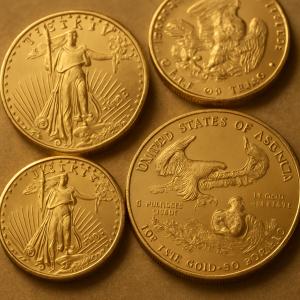
The American Gold Eagle is one of the most recognized bullion coins worldwide. Minted by the United States Mint, it is composed of 91.67% gold, with the remainder consisting of silver and copper to enhance durability. The coin is available in various denominations, including 1/10 oz, 1/4 oz, 1/2 oz, and 1 oz.
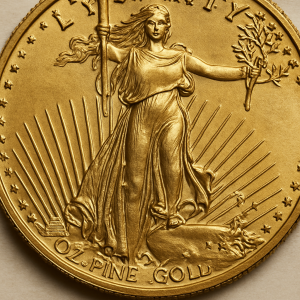
The design of the American Gold Eagle is iconic, featuring Augustus Saint-Gaudens’ depiction of Lady Liberty on the obverse. The reverse showcases a family of eagles, symbolizing strength and unity. This artwork not only enhances the coin’s appeal but also reflects American heritage and values, making it a favored choice among collectors and investors.
The American Gold Eagle is available in multiple denominations, allowing flexibility for different investment strategies. Smaller denominations like the 1/10 oz are often more affordable for beginner investors, while larger denominations can serve as substantial stores of value. This range accommodates varying budget levels and investment goals.
Due to its widespread recognition and backing by the U.S. government, the American Gold Eagle enjoys high liquidity. It is easily traded both domestically and internationally, which is a critical factor for investors who may need to liquidate their assets quickly. Its stability and reliability in the market make it a cornerstone of many investment portfolios. 
Produced by the Royal Canadian Mint, the Canadian Gold Maple Leaf is renowned for its purity, containing 99.99% gold. It was first issued in 1979 and remains a favorite among investors due to its high level of fineness and the reputation of the mint.
The Purity Standard
The Canadian Gold Maple Leaf is celebrated for its exceptional purity, often referred to as “four nines” fine. This high purity level distinguishes it from many other bullion coins, offering a virtually pure gold investment. This purity not only enhances its value but also its appeal to purists seeking the highest gold content possible.
Security Features and Innovations
To ensure authenticity and prevent counterfeiting, the Royal Canadian Mint has incorporated several security features into the Gold Maple Leaf. These include radial lines and a laser-engraved maple leaf privy mark, visible only under magnification. Such innovations provide peace of mind for investors and bolster the coin’s reputation for quality.
International Recognition and Trade
The Canadian Gold Maple Leaf is highly recognized and respected worldwide, making it a staple in international gold trading. Its reputation for purity and the backing of a reputable mint contribute to its desirability and ease of trade across global markets. This international recognition ensures that investors can confidently buy and sell the coin anywhere.
South African Krugerrand
Introduced in 1967, the South African Krugerrand was the first modern gold bullion coin. It is made of 91.67% gold and has played a significant role in the gold market, inspiring the creation of other bullion coins. The Krugerrand is known for its distinctive reddish hue, a result of its copper content.
Historical Context and Significance
The Krugerrand was introduced to promote South African gold internationally and quickly became the most traded gold coin in the world. Its success paved the way for other countries to issue their own bullion coins, revolutionizing the way gold was traded and owned globally. This historical significance adds a layer of interest for collectors and investors alike.
Composition and Unique Characteristics
The copper content in the Krugerrand gives it a reddish hue, differentiating it from other gold coins. This alloying not only contributes to its unique appearance but also increases the coin’s durability, making it less prone to scratches and damage. Understanding these characteristics helps investors appreciate both the aesthetic and practical aspects of the Krugerrand.
Impact on Global Gold Markets
The Krugerrand’s introduction had a profound impact on the global gold market, setting a standard for bullion coins. Its widespread acceptance and tradeability helped to establish gold coins as a viable investment option beyond traditional markets. This influence is still seen today, with the Krugerrand remaining a key player in gold investment strategies.
Numismatic Coins
Numismatic coins are valued for more than just their metal content. They have historical, artistic, or rarity value that can significantly increase their worth. Collectors often seek these coins for their unique attributes and historical significance.
The Art of Coin Collecting
Numismatic coin collecting is often referred to as the “hobby of kings” due to its rich history and the prestige associated with rare coins. Collectors are drawn to the intricate designs, historical narratives, and the stories behind each coin. This art form requires a keen eye for detail and an appreciation for the cultural and historical contexts of the coins.
Historical Narratives and Provenance
The stories behind numismatic coins often enhance their value and appeal. Coins that have passed through historical events or were owned by notable figures can command significant premiums. Provenance, or the documented history of a coin’s ownership, is a crucial factor that can greatly influence a coin’s desirability and market value.
Market Trends and Collecting Strategies
The numismatic coin market is influenced by various factors, including historical trends, market demand, and collector preferences. Staying informed about these trends can help collectors make strategic decisions about which coins to acquire. Building a diverse collection that balances historical significance with aesthetic appeal can enhance both enjoyment and potential investment returns.
Saint-Gaudens Double Eagle
The Saint-Gaudens Double Eagle, minted from 1907 to 1933, is highly regarded for its design, which is often considered one of the most beautiful in American coinage. It features Lady Liberty holding a torch and an olive branch, with the Capitol building in the background. Its rarity, especially post-1933, adds to its allure among collectors.
Design and Artistic Merit
The Saint-Gaudens Double Eagle is celebrated for its artistic design, created by renowned sculptor Augustus Saint-Gaudens. The obverse features a striking depiction of Lady Liberty, while the reverse showcases a majestic eagle in flight. This artistic merit contributes to the coin’s standing as one of the most beautiful ever minted, attracting art enthusiasts and collectors alike.
Rarity and Historical Context
The rarity of the Saint-Gaudens Double Eagle, particularly coins minted after 1933, enhances its desirability among collectors. Due to the gold recall ordered by President Franklin D. Roosevelt, many coins were melted down, making surviving pieces exceedingly scarce. This historical context adds a layer of intrigue and value, making it a coveted piece for serious numismatists.
Market Value and Collectibility
The Saint-Gaudens Double Eagle’s market value is influenced by its condition, rarity, and demand among collectors. Pristine examples can fetch significant sums at auction, reflecting the coin’s stature within the numismatic community. Collectors seeking to acquire this coin often prioritize its historical significance and the prestige associated with owning such a renowned piece.
British Sovereign
The British Sovereign is a historic gold coin that has been minted in various forms since 1489. The modern Sovereign, introduced in 1817, is known for its iconic design featuring St. George slaying the dragon. Its long history and connection to British heritage make it a favorite among collectors.
Historical Evolution and Legacy
The British Sovereign has a storied history, evolving over centuries to become a symbol of British economic strength and cultural heritage. Its various iterations reflect the changing political and economic landscapes of the UK. Collectors value the Sovereign for its historical continuity and the insights it offers into Britain’s past.
Iconic Design Elements
The design of the British Sovereign, featuring St. George slaying the dragon, is a timeless classic. This imagery, crafted by Benedetto Pistrucci, has become synonymous with the coin itself, symbolizing bravery and triumph. The enduring appeal of this design contributes to the Sovereign’s status as a collectible masterpiece.
Collecting and Investing in Sovereigns
The British Sovereign is popular among both collectors and investors due to its blend of historical significance and gold content. Its relatively small size makes it an accessible entry point for new collectors, while its rich history appeals to seasoned numismatists. Investors appreciate its liquidity and recognition in international markets.
Rare Gold Coins

Rare gold coins are distinguished by their scarcity and historical significance. These coins often attract high premiums due to their limited mintage and the stories they represent.
Understanding Rarity in Coins
Rarity in the world of coin collecting can be due to several factors, including limited mintage, historical events, or the passage of time that has reduced the number of surviving pieces. Collectors often seek rare coins for the exclusivity they offer, as owning a rare piece connects them to a unique slice of history that few others can claim.
The Role of Auctions and Private Sales
Auctions and private sales are prominent venues where rare gold coins are traded. These events often attract high-profile collectors and investors, driving up prices due to competitive bidding. Understanding the dynamics of these sales can provide insights into market trends and the value of rarity in the numismatic world.
Preservation and Authentication
The condition of a rare gold coin is paramount to its value, making preservation efforts crucial. Professional grading services assess and certify the condition and authenticity of coins, providing assurance to buyers. Collectors must prioritize proper storage and care to maintain the integrity and value of their rare coins.
1933 Double Eagle
The 1933 Double Eagle is one of the most famous rare gold coins, primarily because it was never officially released to the public. Almost all of the 445,500 coins minted were melted down, making the few surviving pieces extremely valuable. A 1933 Double Eagle sold for over $7 million at auction in 2002.
The Tale of the 1933 Double Eagle
The story of the 1933 Double Eagle is one of intrigue and legal battles. Originally minted during the Great Depression, the coins were never circulated due to a government recall. Their rarity and the mystery surrounding their survival have captivated collectors, making them one of the most sought-after coins in history.
Legal Battles and Ownership
The legal status of the 1933 Double Eagle has been the subject of intense scrutiny and litigation. Ownership disputes have arisen due to their unique history, with the U.S. government reclaiming many specimens. The legal battles surrounding these coins add to their mystique and highlight the complexities of rare coin ownership.
Record-Breaking Auctions
The 1933 Double Eagle has set records in the auction world, with a single coin fetching millions of dollars. These record-breaking sales underscore the coin’s significance and the lengths to which collectors will go to acquire such a piece. The coin’s auction history is a testament to its allure and enduring legacy in numismatics.
Brasher Doubloon
The Brasher Doubloon, struck in 1787, is one of the earliest American gold coins. It was created by Ephraim Brasher, a New York goldsmith, and is highly sought after for its rarity and historical significance. The Brasher Doubloon is a testament to the early history of American coinage.
Ephraim Brasher’s Craftsmanship
Ephraim Brasher was a renowned goldsmith whose work exemplified the artisanal skills of early American craftsmen. The Brasher Doubloon showcases his attention to detail and innovation, with distinctive markings that reflect his personal touch. Collectors admire the coin for its craftsmanship and the story of its creator.
Historical Context and Significance
The Brasher Doubloon holds a special place in American history as one of the first gold coins struck in the newly independent United States. Its creation marked a turning point in American numismatics, symbolizing the country’s burgeoning identity and economic aspirations. This historical context enhances its appeal and value.
Market Value and Collectibility
The Brasher Doubloon is highly coveted in the numismatic market, with only a handful known to exist. Its rarity and historical importance make it a prized possession for collectors and institutions alike. The coin’s market value reflects its status as a cornerstone of American numismatic history, often commanding high prices at auction.
Factors to Consider When Investing in Gold Coins
When considering investing in gold coins, several factors should be taken into account to ensure a sound investment.
Evaluating Purity and Weight
The purity and weight of a gold coin are crucial in determining its value. Bullion coins, for example, are often valued based on their gold content, so higher purity levels can lead to higher premiums. Investors should understand the importance of these factors and how they affect pricing and investment potential.
Assessing Historical and Numismatic Value
For numismatic and rare coins, historical significance and rarity can greatly influence value. Collectors should research the history and provenance of such coins to fully understand their worth. This research can provide insights into market trends and help collectors identify valuable opportunities.
Understanding Market Demand and Liquidity
The demand for specific types of gold coins can fluctuate based on market conditions. Coins with higher liquidity, such as popular bullion coins, can be more easily bought and sold, providing greater flexibility for investors. Understanding market dynamics is key to making informed investment decisions.
Certification and Grading Insights
Certification by reputable grading services, such as the Professional Coin Grading Service (PCGS) or the Numismatic Guaranty Corporation (NGC), can provide assurance of a coin’s authenticity and condition. Grading can affect a coin’s market value, particularly for numismatic coins. Investors should consider the benefits of having their coins professionally graded.
Diversification and Risk Management
Diversifying a gold coin portfolio can mitigate risks associated with market volatility. By including a mix of bullion, numismatic, and rare coins, investors can balance stability with potential high returns. Understanding the role of diversification in risk management is essential for building a resilient investment strategy.
Conclusion
Exploring the different types of gold coins reveals a rich tapestry of history, artistry, and investment potential. Whether you are drawn to the pure investment of bullion coins or the historical intrigue of numismatic coins, understanding the nuances of each type is essential. By considering factors such as purity, historical value, and market demand, you can make informed decisions that align with your investment or collection goals. As always, consulting with experts and conducting thorough research can enhance your understanding and appreciation of these timeless treasures.
Q&A
Question: What’s the difference between bullion, numismatic, and rare gold coins—and who are they best for?
Short answer: Bullion coins are primarily valued for their metal content and track the market price of gold, making them ideal for investors who want purity, liquidity, and a straightforward hedge against inflation. Numismatic coins carry value beyond metal content due to their artistry, history, and collector demand—suited to collectors who appreciate design and provenance. Rare coins are scarce (often due to limited mintage or historical events) and command premiums for their exclusivity—best for seasoned collectors and investors comfortable with research, grading, and auction dynamics.
Question: How important is purity in bullion coins, and why is the American Gold Eagle less pure than some others?
Short answer: Purity helps investors gauge true gold content and potential resale value; higher fineness (like .9999) can attract higher premiums. The Canadian Gold Maple Leaf is renowned for 99.99% purity (“four nines” fine), appealing to buyers seeking virtually pure gold. The American Gold Eagle is 91.67% gold, alloyed with silver and copper for durability—this enhances wear resistance without undermining its recognition or liquidity. In practice, both high-purity and alloyed, government-backed coins are widely traded; choice often comes down to preference for purity versus durability.
Question: Which bullion coins are most widely recognized, and why does recognition matter?
Short answer: The American Gold Eagle, Canadian Gold Maple Leaf, and South African Krugerrand are among the most recognized and are backed by their respective governments. Broad recognition supports high liquidity—these coins are easy to buy and sell domestically and internationally, which is crucial if you need to convert holdings to cash quickly. For newcomers, starting with these staples offers a simple, reliable entry into physical gold.
Question: Why is the South African Krugerrand historically significant, and what makes it look different?
Short answer: Launched in 1967, the Krugerrand was the first modern gold bullion coin and quickly became the most traded worldwide, inspiring other nations to issue their own bullion coins and transforming global gold ownership. It’s 91.67% gold with copper alloy, which gives it a distinctive reddish hue and boosts durability—traits that set it apart visually and practically from many other bullion coins.
Question: What makes coins like the Saint-Gaudens Double Eagle and the 1933 Double Eagle so valuable?
Short answer: The Saint-Gaudens Double Eagle (1907–1933) is celebrated for Augustus Saint-Gaudens’ iconic design and its scarcity, especially after many were melted during the 1933 gold recall—condition and rarity drive strong collector demand. The 1933 Double Eagle, never officially released and largely melted, survived in only a few examples; its dramatic history, legal battles over ownership, and extreme rarity have led to record-breaking auction prices (over $7 million in 2002). Authentication, grading, and provenance are critical for such high-stakes collectibles.