projected silver price

The silver market has always intrigued investors with its potential for growth and its role as a hedge against inflation. As we step into 2023, many are wondering about the projected silver price and how it might impact their investment strategies. In this article, we’ll delve into a comprehensive silver price forecast, examine current silver market trends, and provide insights into future silver prices.
Summary
This article forecasts silver prices for 2023 by assessing silver’s dual role as a precious and industrial metal, the state of global supply, and key macro drivers such as inflation, interest rates, and economic health. It highlights rising industrial demand from electronics, solar, and medical uses, alongside supply and geopolitical risks that can add volatility. Three scenarios are outlined—gradual recovery and stabilization, uncertainty boosting safe-haven demand, and technology-led demand surges—plus practical investing tips on diversification, monitoring indicators, and choosing between physical and paper silver. Key trends to watch include the renewable energy buildout, ongoing tech innovation, and geopolitical tensions.
Understanding Silver’s Market Dynamics
Silver, often referred to as the “poor man’s gold,” holds significant value not just as a precious metal, but also as an industrial commodity. Its dual role makes silver prices particularly susceptible to both economic shifts and industrial demand.
Silver’s Dual Role: Precious Metal and Industrial Commodity
Silver’s unique position as both a precious metal and industrial commodity means its demand is driven by distinct factors. As a precious metal, it serves as a safe-haven investment, attractive during times of economic uncertainty. Meanwhile, its industrial applications, spanning electronics to renewable energy, create a constant baseline demand. This dual demand can lead to price volatility, with economic shifts impacting its investment appeal and technological advances driving its industrial use.
Historical Price Trends and Their Influence
Historically, silver prices have experienced significant fluctuations, influenced by both macroeconomic trends and specific events. Understanding these historical trends can provide valuable insights into potential future movements. For instance, during periods of economic crisis, silver prices have spiked as investors flock to safer assets. Conversely, during stable economic growth, industrial demand often takes precedence, stabilizing or even boosting prices.
Global Silver Supply and Mining Challenges
The global supply of silver is primarily dependent on mining activities, which can be susceptible to geopolitical and environmental challenges. Any disruption in key mining regions can lead to supply constraints, impacting prices. Additionally, the finite nature of silver resources means that increased industrial demand could outpace supply, creating upward pressure on prices. Monitoring mining developments and geopolitical issues in major silver-producing countries is crucial for anticipating supply-related price changes.
Economic Indicators Affecting Silver Prices

Several economic indicators can influence the price of silver. These include:
Inflation Rates: A Historical Hedge
Silver is often seen as a hedge against inflation. When inflation rates rise, the value of currency falls, making silver more attractive to investors. Historically, during periods of high inflation, silver prices have tended to rise as investors seek to preserve their wealth. This relationship underscores silver’s role as a protective asset, providing a buffer against the eroding purchasing power of money during inflationary times.
Interest Rates: The Cost of Holding Silver
Interest rates have a direct impact on the opportunity cost of holding non-yielding assets like silver. Low-interest rates generally lead to higher silver prices, as the opportunity cost of not investing in yield-bearing assets decreases. In contrast, rising interest rates can dampen silver’s appeal, as investors may shift towards higher-yielding alternatives. Understanding central bank policies and interest rate trends is essential for predicting silver’s investment demand.
Global Economic Health: Silver as a Safe Haven
Economic downturns often drive investors towards safe-haven assets like silver, increasing demand and pushing prices upward. When global economic health is in question, silver’s appeal as a stable store of value grows. This trend is evident in times of financial crises or geopolitical instability, when investors seek to mitigate risk and preserve capital. Monitoring global economic indicators and potential crisis points can provide insights into silver’s safe-haven demand.
Industrial Demand and Its Impact
Silver’s industrial applications, particularly in electronics, solar panels, and medical devices, play a crucial role in its price dynamics. As technology advances and the demand for green energy solutions grows, the industrial demand for silver is expected to rise, potentially driving up prices.
Silver in Electronics: A Growing Market
Silver’s unparalleled conductivity makes it indispensable in the electronics industry. From smartphones to high-tech appliances, silver is a key component, ensuring efficient energy transfer. As consumer electronics continue to evolve and expand, the demand for silver in this sector is projected to grow. This trend highlights the importance of technological advancements in shaping silver’s industrial demand and price trajectory.
Renewable Energy: The Role of Silver in Solar Panels
The push for renewable energy sources, particularly solar power, is likely to increase demand for silver. Solar panels require silver for their photovoltaic cells, and as countries invest more in green energy, this demand is expected to rise. The global shift towards sustainability and carbon neutrality further amplifies this demand, positioning silver as a critical component in the renewable energy transition.
Medical Innovations and Antimicrobial Uses
Silver’s antimicrobial properties make it valuable in the medical field, where it is used in everything from wound dressings to medical devices. As healthcare technology advances and the focus on infection control intensifies, the demand for silver in medical applications is set to increase. This trend underscores silver’s diverse industrial uses and its potential impact on future price movements.
2023 Silver Price Forecast
With the understanding of the factors influencing silver prices, let’s explore the silver price prediction for 2023. Analysts are considering several scenarios based on current data and trends.
Scenario 1: Economic Recovery and Stabilization
In a scenario where the global economy recovers steadily from recent downturns, silver prices might stabilize. The balance between industrial demand and investment demand will be crucial. If economic conditions improve, we might see silver prices maintaining a moderate upward trajectory. This scenario assumes a gradual strengthening of economic indicators, leading to a balanced market for silver.
Scenario 2: Continued Economic Uncertainty
Should economic uncertainty persist, silver could become a favored investment, driving prices higher. In this case, investors might seek silver as a hedge against volatile stock markets and currency fluctuations, which would boost demand and potentially lead to higher prices. This scenario reflects a cautious investor sentiment, with silver’s safe-haven appeal taking center stage amidst ongoing economic challenges.
Scenario 3: Technological Advancements Boosting Demand
If technological advancements continue to accelerate, particularly in sectors that heavily rely on silver, such as electronics and renewable energy, we could see a significant increase in industrial demand. This would likely lead to a rise in silver prices as supply struggles to keep up with demand. This scenario emphasizes the transformative impact of innovation on silver’s industrial applications and its potential to drive substantial price growth.
Silver Investment Tips for 2023
For those considering investing in silver, here are some silver investment tips to keep in mind:
Diversify Your Portfolio: Balance and Risk Management
Diversification is key to managing investment risk. Don’t rely solely on silver. Diversify your investments across various asset classes to minimize risk. Including a mix of stocks, bonds, real estate, and commodities can provide a balanced approach, reducing the impact of volatility in any single market. This strategy not only mitigates risk but also enhances potential returns across different economic conditions.
Stay Informed: Monitoring Key Indicators
Stay informed by keeping an eye on economic indicators, market trends, and technological advancements that could impact silver prices. Regularly updating your knowledge base and understanding the factors driving silver markets can help you make informed decisions. Leveraging financial news platforms, industry reports, and expert analyses will ensure you remain well-equipped to navigate the complexities of silver investment.
Consider Both Physical and Paper Silver: Weighing Options
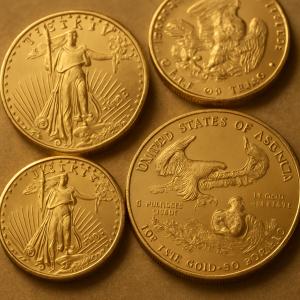
Investing in physical silver (like coins and bars) and paper silver (such as ETFs) can provide different advantages. Physical silver offers tangible assets, which can be particularly appealing during economic downturns. On the other hand, paper silver offers liquidity and ease of trading, making it a flexible investment option. Evaluating your investment goals and risk tolerance will help determine the best mix for your portfolio.
Silver Market Trends to Watch

by Zlaťáky.cz (https://unsplash.com/@zlataky)
As we navigate through 2023, several silver market trends are worth watching:
Increased Demand for Renewable Energy: A Green Future
The push for renewable energy sources, particularly solar power, is likely to increase demand for silver. Solar panels require silver for their photovoltaic cells, and as countries invest more in green energy, this demand is expected to rise. The global commitment to sustainability and reducing carbon emissions further propels this trend, positioning silver as a linchpin in the renewable energy landscape.
Technological Innovations: Driving Industrial Demand
Innovations in electronics and medical devices often require silver due to its conductive and antibacterial properties. As technology evolves, the demand for silver in these sectors could grow, impacting prices. The rapid pace of technological advancement, coupled with increasing consumer demand for high-tech products, underscores the significant role silver plays in industrial innovation.
Geopolitical Tensions: Impact on Safe-Haven Demand
Geopolitical tensions can drive demand for safe-haven assets like silver. Keeping an eye on global political developments can provide insights into potential price movements. As geopolitical uncertainties arise, investors may turn to silver to hedge against risks, influencing its market dynamics. Understanding these geopolitical factors is crucial for anticipating shifts in silver’s investment appeal.
Conclusion: The 2023 Silver Outlook
Predicting future silver prices involves analyzing a complex web of factors, from economic indicators to industrial demand and geopolitical events. While the silver price forecast for 2023 presents several scenarios, one thing is certain: silver will continue to be a valuable asset for investors seeking diversification and protection against economic uncertainty.
By staying informed and understanding the dynamics of the silver market, investors can make strategic decisions that align with their financial goals. Whether you’re a seasoned investor or new to the precious metals market, considering these insights can help you navigate the ever-changing landscape of silver investment. Embracing a comprehensive approach to silver investment will enable you to leverage opportunities and mitigate risks in this multifaceted market.
Q&A
Question: What makes silver’s price sensitive to both economic cycles and technology trends?
Short answer: Silver has a dual identity: it’s a precious metal and an industrial commodity. In uncertain economies, investors buy it as a safe haven, lifting prices. During periods of stable growth, its industrial side takes the lead—demand from electronics, solar panels, and medical uses provides a steady (and potentially rising) consumption base. This blend of investment appeal and industrial necessity can amplify volatility as macro conditions and technological adoption shift.
Question: Which economic indicators matter most for silver in 2023, and why?
Short answer: Three stand out:
- Inflation: Silver is viewed as an inflation hedge, so rising inflation can boost investment demand and prices.
- Interest rates: Lower rates reduce the opportunity cost of holding non-yielding assets like silver, supporting prices; higher rates can have the opposite effect.
- Global economic health: During slowdowns or crises, safe-haven demand tends to rise, putting upward pressure on silver.
Question: How could supply dynamics and mining risks influence silver prices?
Short answer: Global silver supply hinges on mining, which faces geopolitical, environmental, and operational risks. Disruptions in major producing regions can constrain supply and lift prices. Because silver resources are finite and industrial demand is growing, persistent or unexpected supply issues could create additional upward pressure. Monitoring mining developments and geopolitical events in key producer countries is crucial.
Question: What are the article’s three price scenarios for 2023, and what do they imply?
Short answer:
- Economic recovery and stabilization: Prices stabilize or trend moderately higher as industrial and investment demand balance.
- Continued uncertainty: Safe-haven buying strengthens, potentially driving prices higher amid market and currency volatility.
- Technology-led demand surge: Rapid advances in electronics and renewable energy outpace supply growth, likely pushing prices up more notably.
Question: What practical investing tips does the article recommend for silver in 2023?
Short answer:
- Diversify: Don’t rely solely on silver—balance across stocks, bonds, real estate, and commodities to manage risk.
- Stay informed: Track inflation, interest-rate policy, global economic signals, and sector trends (especially renewables and tech).
- Choose your vehicle: Combine physical silver (tangible, crisis-resilient) and paper silver like ETFs (liquid, easy to trade) based on your goals and risk tolerance.