prices for silver coins
In the ever-evolving world of precious metals, silver coins hold a special place. They are not just pieces of history and art but also a viable investment option. Understanding the prices for silver coins can be the key to making informed buying or selling decisions. Whether you’re a seasoned collector or a new investor, knowing the ins and outs of silver coin prices is crucial. Let’s delve into the factors that affect silver coin values and explore the current market trends. 
Silver coin value is not just about the weight and purity of the metal. Several factors come into play, including rarity, historical significance, and demand. Collectors often seek coins with unique designs or limited mintages, which can significantly increase their value.
Metal Content and Purity
The intrinsic value of a silver coin primarily depends on its silver content. Coins with higher purity levels, such as .999 fine silver, often have a higher base value. This purity level indicates that the coin is made almost entirely of silver, making it more valuable in terms of bullion content. Investors and collectors alike prioritize coins with higher purity because they ensure better returns and reliability.
The purity of silver coins can also affect their desirability. Coins that maintain a consistent purity standard are more likely to be trusted and sought after by both collectors and investors. Moreover, the reputation of the minting authority can play a role in the perceived purity and quality of the coins, thereby impacting their market value.
Rarity and Age
Older and rarer coins typically fetch higher prices due to their scarcity. Coins minted in limited numbers or those with historical significance can be particularly valuable. The age of a coin can add layers of historical context and intrigue, drawing the interest of historians and numismatists alike. Rare coins often become the centerpiece of collections, leading to competitive bidding and higher price points.
Rarity is not just about age; it also involves the unique characteristics of a coin. Errors in minting, special commemorative editions, and coins from defunct countries can all contribute to a coin’s rarity. This uniqueness often translates into a higher investment potential, as these coins tend to appreciate over time due to their limited availability.
Condition and Grading
The physical condition of a coin is crucial. Coins are graded on a scale from “poor” to “mint state,” with well-preserved coins commanding higher prices. The grading process involves a detailed examination of the coin’s surface, luster, and any signs of wear or damage. Professional grading services provide a standardized evaluation that can significantly impact a coin’s market value.
Grading not only affects the price but also the coin’s liquidity. Coins that are graded highly are easier to sell and often attract a broader audience of potential buyers. Collectors and investors should be aware of the grading standards and consider having their coins professionally graded to ensure they receive an accurate valuation.
Market Demand
The demand for silver coins can fluctuate based on economic conditions, investment trends, and collector interest. High demand can drive up prices, especially for rare and sought-after coins. Economic downturns often lead to increased interest in precious metals as a safe haven investment, which can boost demand for silver coins.
The collector market also plays a significant role in demand. Trends in popular culture, anniversaries of historical events, or new discoveries in numismatic circles can all lead to spikes in interest and, consequently, demand. Staying informed about these trends can help investors and collectors anticipate changes in the market.
Silver Coin Market Trends

The silver coin market is dynamic, with prices influenced by various economic factors. Monitoring these trends can provide insights into potential investment opportunities.
Current Silver Coin Prices
As of today, silver coin prices are influenced by the global silver market. Here’s a quick overview:
- Silver Dollars: Known for their historical value, silver dollars like the Morgan and Peace dollars are popular among collectors. Their prices vary based on condition and rarity, with some rare coins fetching thousands of dollars. The allure of these coins lies in their rich history and the stories they carry, making them a favorite among collectors seeking to own a piece of the past.
- Junk Silver Coins: These are coins with no collectible value, often sold for their silver content. Commonly, they include pre-1965 U.S. dimes, quarters, and half-dollars. Their prices fluctuate with the current silver spot price. Despite their name, junk silver coins offer a practical entry point for investors looking to capitalize on the intrinsic value of silver without the premium of numismatic value.
- Mexican Silver Coins: Coins like the Libertad are well-regarded for their design and silver content. Their prices depend on the silver market and collector demand. The intricate designs and cultural significance of these coins appeal to both collectors and investors, making them a versatile addition to any portfolio.
Investing in Silver Coins
Investing in silver coins can be a prudent financial decision. They offer a hedge against inflation and economic uncertainty. However, it’s essential to research and understand the market before diving in.
- Diversification: Incorporating silver coins into your investment portfolio can diversify your assets. It’s a tangible asset that holds intrinsic value. Diversification with silver coins can reduce overall portfolio risk and provide a buffer against volatility in other asset classes.
- Liquidity: Silver coins are relatively easy to buy and sell, offering liquidity to investors. However, market conditions can affect the ease and profitability of transactions. The liquidity of silver coins makes them an attractive option for investors seeking flexibility and quick access to cash.
- Value Appreciation: Over time, certain silver coins can appreciate in value, especially rare or historically significant ones. This potential for appreciation makes them an attractive investment. Understanding market cycles and historical price patterns can help investors identify coins with the highest appreciation potential.
The History of Silver Coins

by Олександр К (https://unsplash.com/@gidlark)
Silver coins have been used as currency for centuries, with a rich history that adds to their allure.
Early Silver Coins
The use of silver coins dates back to ancient civilizations. They were used for trade, commerce, and as a store of value. Coins from ancient Greece and Rome are highly prized by collectors today. These coins not only served as currency but also as a means of showcasing the artistry and power of the issuing authority, often featuring intricate designs and depictions of deities or rulers.
Ancient silver coins provide a window into the economic and cultural practices of past societies. The study of these coins can reveal insights into trade routes, political alliances, and societal values. Collectors often seek these ancient coins not just for their monetary value but for the historical narratives they embody.
U.S. Silver Coins
In the United States, silver coins played a significant role in commerce. The Coinage Act of 1792 established the U.S. Mint and authorized the production of silver coins. Over time, various denominations and designs were introduced, including the iconic Morgan and Peace dollars. These coins became symbols of American prosperity and innovation, reflecting the nation’s growth and development.
U.S. silver coins have undergone numerous transformations, each reflecting shifts in economic policy and public sentiment. From the robust designs of the early 19th century to the artistic flair of the 20th century, these coins chart the evolution of American identity and values. Collectors and historians alike are drawn to these coins for their historical significance and the stories they tell.
Modern Silver Coins
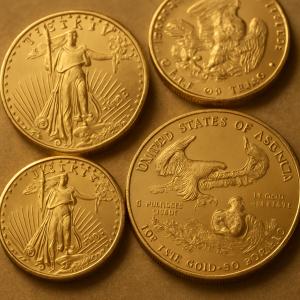
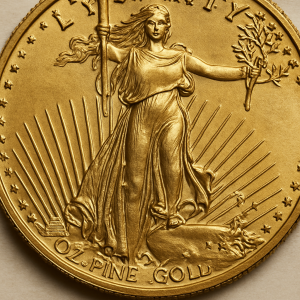
Today, silver coins are minted for both collectors and investors. The American Silver Eagle, introduced in 1986, is one of the most popular bullion coins globally. It features the iconic Walking Liberty design and is highly sought after for its purity and beauty. Modern silver coins often serve dual purposes, offering both investment potential and aesthetic appeal.
Contemporary mints continue to innovate, producing coins that commemorate significant events, cultural milestones, and influential figures. These modern coins appeal to a broad audience, from investors seeking reliable bullion to collectors looking for unique pieces to enhance their collections. The ongoing production of modern silver coins ensures that the rich legacy of silver coinage continues to evolve and thrive.
Factors Influencing Silver Coin Demand
The demand for silver coins is shaped by a combination of economic, cultural, and personal factors.
Economic Conditions
Economic uncertainty often drives investors toward precious metals, including silver coins. They are seen as a safe haven during times of financial instability. Silver coins offer a tangible asset that retains intrinsic value, providing a sense of security amidst fluctuating markets.
Inflationary pressures and currency devaluation can also heighten the appeal of silver coins. As fiat currencies lose purchasing power, investors turn to silver as a store of value that can protect their wealth over the long term. Understanding these economic dynamics is crucial for anticipating shifts in silver coin demand.
Cultural and Historical Significance
Coins that commemorate significant events or feature cultural icons can have heightened demand. Collectors may seek these coins for their historical and cultural value. The stories and symbols depicted on these coins resonate with individuals seeking to connect with their heritage or celebrate important milestones.
Cultural trends and anniversaries can spur interest in specific coin series, leading to temporary spikes in demand. For example, coins released to mark a centennial or featuring a beloved national figure can capture the public’s imagination and drive collector interest. Staying attuned to these cultural influences can help collectors identify opportunities in the market.
Personal Interest and Collecting
For many, collecting silver coins is a hobby driven by personal interest. The thrill of acquiring rare pieces and completing collections can fuel demand in the market. Collectors often form emotional connections with their collections, finding joy in the hunt for elusive coins and the satisfaction of achieving collecting goals.
Personal stories and experiences often intertwine with the coins themselves, creating a rich tapestry of memories and milestones. This personal connection can lead to enduring demand, as collectors continually seek to expand and refine their collections. The passion and dedication of collectors contribute significantly to the vibrancy of the silver coin market.
Conclusion: Navigating the Silver Coin Market
Understanding the prices for silver coins requires a keen eye on market trends, historical data, and economic factors. Whether you’re a collector or an investor, staying informed is key to making wise decisions. Silver coins offer a unique blend of historical charm and investment potential, making them a valuable addition to any collection or portfolio. As you navigate the silver coin market, keep these insights in mind to maximize your endeavors.
In summary, silver coins are not just pieces of metal; they are a testament to history, artistry, and value. By appreciating their worth and staying attuned to the market, you can make the most of your silver coin investments. The journey into the world of silver coins is as much about discovery and appreciation as it is about financial gain, offering a rewarding experience for those who take the time to explore its depths.
Frequently Asked Questions
Question: What determines a silver coin’s price beyond its weight and purity?
Short answer: While silver content sets a baseline, prices are also driven by rarity (limited mintages, minting errors, coins from defunct countries), age and historical significance, overall market demand, and the coin’s condition and professional grade. The issuing mint’s reputation and consistent purity standards can further influence perceived quality and value, especially among collectors and investors seeking trust and liquidity.
Question: How does purity (like .999 fine silver) affect a coin’s value and desirability?
Short answer: Higher purity increases a coin’s intrinsic (bullion) value and makes it more attractive to buyers who prioritize metal content. Consistent purity standards build trust, and reputable mints enhance confidence in authenticity and quality. Together, these factors can support stronger pricing and easier resale, particularly for modern bullion-focused issues.
Question: Are older coins always more valuable, or is rarity more important?
Short answer: Age can enhance value through historical appeal, but rarity usually carries more weight. Limited mintages, special commemoratives, and distinctive features (like minting errors) can make even relatively newer coins highly sought after. Ultimately, scarcity plus collector demand—not age alone—tend to drive premium prices.
Question: What role does condition and grading play in price and ease of selling?
Short answer: Condition is critical: coins graded higher on the scale (up to “mint state”) typically command higher prices. Professional grading assesses surface quality, luster, and wear, providing a standardized, trusted evaluation. Higher-graded coins are generally more liquid, appealing to a wider buyer base and often selling more quickly and profitably.
Question: What are “junk silver” coins, and how are they priced compared to collectible issues?
Short answer: Junk silver refers to common coins with little to no numismatic (collector) premium, often traded primarily for their silver content—such as many pre-1965 U.S. dimes, quarters, and half-dollars. Their prices track the silver spot market closely, unlike historically significant or rare coins (e.g., Morgan and Peace dollars or Mexican Libertads), which can carry additional premiums based on condition, demand, and design appeal.