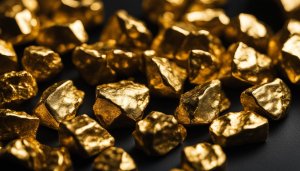
price of one gram of gold
In the ever-evolving financial landscape, gold remains a steadfast symbol of wealth and stability. Its allure is not only in its beauty but also in its historical significance as a safe haven asset during times of economic turmoil. Whether you’re a seasoned investor looking to diversify your portfolio or just curious about the current market trends, understanding the price of gold per gram is crucial. This guide provides a comprehensive overview of gold pricing, highlighting key factors that influence its value and current trends. We’ll dive into the cost of gold by purity, including 10k, 14k, and 18k gold, while also exploring the broader economic dynamics that affect its valuation.
Understanding the nuances of gold pricing requires a grasp of market fundamentals and an awareness of global economic conditions. Gold has traditionally been a reliable store of value, and its price movements can often indicate broader economic trends. Investors and enthusiasts alike need to consider various factors, including geopolitical tensions, inflation rates, and currency fluctuations, all of which can impact the price of gold. This detailed exploration will equip you with the knowledge needed to make informed decisions, whether you’re buying gold jewelry or investing in gold as an asset class. 
Understanding Gold Purity and Its Impact on Price
When discussing gold prices, purity is a major factor. Gold purity is measured in karats, with 24k being pure gold. However, pure gold is relatively soft and prone to scratching, which is why it is often mixed with other metals to increase its durability, leading to variations like 10k, 14k, and 18k gold. These mixtures, or alloys, not only enhance the metal’s resilience but also affect its color and price.
The purity of gold directly influences its market value, as higher purity gold contains a greater percentage of actual gold. Investors and consumers often choose a specific karat based on their needs for durability, aesthetic preference, and budget. Understanding the different purities and their implications can help you choose the right type of gold for your purposes, whether it’s for everyday wear, special occasions, or as a long-term investment.
What Is 10k Gold?
10k gold contains about 41.7% pure gold. It’s affordable and durable, making it a popular choice for jewelry, particularly pieces that are intended for daily wear. This lower purity blend is more resistant to scratches and dents, which makes it practical for those who lead active lifestyles. However, its lower purity means it has a different color and luster compared to higher karat golds, often appearing less vibrant and more subdued.
The price of 10k gold per gram is generally lower due to its reduced gold content, making it an economical option for budget-conscious buyers. Despite its affordability, 10k gold maintains a significant appeal due to its robustness and the fact that it still retains a portion of pure gold’s intrinsic value. Additionally, for those new to gold investing or collecting, 10k gold can be a sensible starting point.
What Is 14k Gold?
14k gold strikes a balance between purity and durability, containing 58.3% pure gold. This composition offers a middle ground for those seeking both resilience and the rich color that gold is known for. It is favored for its rich color and is commonly used in fine jewelry, appealing to those who want a good combination of beauty and strength. The additional gold content compared to 10k gold gives it a warmer tone, making it a popular choice for engagement rings and other cherished pieces.
The price of 14k gold per gram is higher than that of 10k gold, reflecting its increased gold content and desirability. Its versatility makes it a favorite among jewelry buyers who appreciate its gold content and durability without the premium cost of higher karat golds. This balance of quality and affordability makes 14k gold an ideal choice for those looking to invest in jewelry with both aesthetic appeal and intrinsic value.
What Is 18k Gold?
18k gold comprises 75% pure gold, offering a luxurious appearance with a deep, rich color that is highly sought after. Its higher gold content gives it a distinctive luster and warmth, making it an excellent choice for high-end jewelry and investment pieces. However, it’s softer than 10k and 14k gold, making it more prone to scratches. Despite this, it is highly valued for its beauty and is often used in pieces that are meant to be admired rather than worn every day.
The price of 18k gold per gram is typically the highest among these three types due to its higher gold content. This makes it a premium choice for those seeking high-quality, luxurious jewelry or investments. For investors and collectors, 18k gold offers a substantial amount of pure gold, combining the beauty of gold with a significant intrinsic value, making it not only a status symbol but also a solid investment.
Current Gold Pricing Trends
Gold prices fluctuate daily due to various economic factors. Understanding these trends is essential for anyone interested in the gold market, whether for investment purposes or personal purchases. Here are some key trends influencing the gold market price, each of which can have a significant impact on the value of gold over time.
As a globally traded commodity, gold’s price is subject to the influences of international markets. Factors such as political stability, global economic health, and trade relations can all play a part in gold’s valuation. Investors must pay close attention to these trends to anticipate changes in gold prices, which can affect their investment strategies and purchasing power. 
Economic Factors
Global economic conditions play a significant role in determining the price of gold. In times of economic uncertainty or inflation, gold prices often rise as investors seek stable assets. This is because gold is traditionally viewed as a hedge against inflation and currency devaluation. Conversely, when the economy is strong, gold prices may decrease as investors turn to riskier investments that promise higher returns, such as stocks or real estate.
Additionally, central banks’ policies, such as interest rate adjustments, can impact gold prices. Lower interest rates typically make gold more attractive as an investment since it does not generate interest or dividends. On the other hand, rising interest rates can make other investments more appealing, potentially leading to a decrease in gold demand. Understanding these dynamics can help investors make informed decisions about when to buy or sell gold.
Currency Exchange Rates
Gold is usually priced in U.S. dollars, so fluctuations in exchange rates can impact its cost. A weaker dollar typically leads to higher gold prices, as it becomes cheaper for foreign investors to purchase gold. Conversely, a stronger dollar can make gold more affordable for investors holding other currencies, potentially increasing demand and driving prices up.
For investors and consumers, keeping an eye on currency movements is crucial, especially for those dealing in international markets. Exchange rate volatility can present both opportunities and risks, making it important to stay informed about global financial developments. By understanding the relationship between gold and currency values, investors can better navigate the complexities of the gold market.
Supply and Demand
The supply of gold from mining and recycling, along with demand from industries like jewelry and electronics, affects its price. Limited supply or increased demand can drive prices up, while excess supply or reduced demand can cause them to fall. The availability of gold is influenced by mining activities, geopolitical factors, and technological advancements in gold extraction.
Demand, on the other hand, is driven by consumer preferences, technological innovations, and cultural factors. For instance, during festive seasons or wedding periods, demand for gold jewelry may spike, influencing prices. Similarly, technological advancements that require gold for manufacturing can also impact its demand. Monitoring these supply and demand factors is essential for predicting price movements and making informed investment decisions.
Current Price of Gold Per Gram
As of today, the gold rate fluctuates based on market conditions and the purity of the gold. Here’s a snapshot of the current gold rate for different purities, reflecting the dynamic nature of the gold market and the factors discussed earlier.
Understanding the current pricing of gold per gram is crucial for investors and consumers alike. It allows individuals to make informed decisions about purchasing, selling, or holding onto their gold assets. By staying updated on these rates, you can better manage your investments and plan your purchases.
Price of 10k Gold Per Gram
The price of 10k gold per gram today is significantly lower than that of higher purity gold. It’s an affordable option for those looking to invest or purchase jewelry without breaking the bank. This lower price point makes 10k gold accessible to a wider audience, offering an entry-level option for new investors or those with budget constraints.
Despite its lower cost, 10k gold remains a viable investment, especially for those seeking to diversify their portfolio with physical assets. Its durability and affordability make it an attractive option for practical jewelry pieces as well. For those looking to enter the gold market, 10k gold can serve as a stepping stone to more significant investments.
Price of 14k Gold Per Gram
For 14k gold, the price per gram reflects its balanced composition, offering a mix of affordability and quality. It’s a popular choice among jewelry buyers who appreciate its gold content and durability. The mid-range pricing of 14k gold makes it an attractive option for those looking to invest in gold without the premium cost of higher karat options.
Its popularity in the jewelry market ensures a steady demand, which can contribute to stable pricing over time. Investors and consumers alike find 14k gold to be a reliable choice, whether for personal adornment or as part of an investment strategy. Its combination of beauty, durability, and affordability makes it a versatile option for a variety of needs.
Price of 18k Gold Per Gram
The 18k gold gram price is on the higher end due to its substantial gold content. It’s a premium choice for those seeking high-quality, luxurious jewelry or investments. The higher cost reflects its enhanced purity and the distinct advantages it offers in terms of aesthetics and value retention.
For investors, 18k gold represents a significant commitment to quality and long-term value. It is often chosen for investment pieces that are expected to appreciate over time. This premium gold is not only a symbol of luxury but also a strategic asset in a diversified investment portfolio, appealing to those who prioritize quality and intrinsic value.
Gold Price Updates and Forecasts
Staying informed about daily gold price changes is crucial for investors and buyers. The gold market is dynamic, and regular updates are essential for making timely decisions. Reliable sources offer regular updates on the gold value per gram, helping you make informed decisions based on the latest market information.
Keeping track of these updates allows you to seize opportunities and mitigate risks associated with gold investments. Whether you’re a seasoned investor or a first-time buyer, understanding the factors that drive price changes can help you navigate the market with confidence. 
by 3D Render (https://unsplash.com/@3drender)
Daily Gold Price Updates
Several financial news outlets and online platforms provide daily updates on the gold price today. These updates are essential for tracking short-term fluctuations and planning purchases or investments. Accessing real-time data allows investors to react quickly to market changes, optimizing their strategies for buying or selling gold.
For those involved in the gold market, staying updated with daily price movements is crucial for capturing the best deals and maximizing returns. Whether you’re buying gold jewelry or investing in bullion, having access to accurate and timely information can significantly impact your decision-making process.
Gold Rate Forecast
Analysts often provide forecasts on gold pricing trends, using historical data and economic indicators. These forecasts can offer insights into potential future price movements, helping investors strategize their investments. However, it’s important to remember that the gold market is influenced by numerous unpredictable factors, making forecasts an estimate rather than a guarantee.
While forecasts can be useful tools, they should be considered alongside other factors and personal investment goals. By combining forecast insights with real-time data and a solid understanding of market dynamics, investors can make more informed decisions and mitigate potential risks in the gold market.
Conclusion
Understanding the price of one gram of gold and its influencing factors is essential for anyone interested in the gold market. Whether you’re purchasing jewelry, investing, or simply curious, staying informed about gold pricing trends and updates will enhance your knowledge and decision-making. Gold remains a valuable asset, and its price is a reflection of both its intrinsic value and external economic conditions.
In summary, the price of gold varies based on purity, market conditions, and economic factors. By keeping an eye on the current gold rate and forecasts, you can navigate the gold market with confidence and make informed decisions that align with your financial goals. Whether you’re a seasoned investor or a curious observer, understanding these dynamics will help you appreciate the value and allure of gold in today’s world.
Q&A
Question: How is gold purity measured, and why does it matter for the price per gram?
Short answer: Gold purity is measured in karats (k), where 24k is pure gold. Common purities include 10k (41.7% gold), 14k (58.3%), and 18k (75%). Higher karat means a greater percentage of actual gold, which raises the intrinsic value per gram. Because purer gold contains more gold by weight, its price per gram is higher, while lower-karat alloys are cheaper but typically more durable for everyday wear.
Question: What are the practical differences between 10k, 14k, and 18k gold?
Short answer:
- 10k (41.7% gold): Most durable and budget-friendly; ideal for daily-wear jewelry but has a more subdued color.
- 14k (58.3% gold): Balanced mix of richness and strength; very popular for fine jewelry due to its warm tone and durability.
- 18k (75% gold): Deep, luxurious color with higher intrinsic value; softer and better suited to high-end or occasionally worn pieces. As purity rises from 10k to 18k, price per gram generally increases.
Question: Why does the price of gold change daily?
Short answer: Gold trades globally, so its price responds in real time to shifts in economic conditions and sentiment. Key drivers include inflation and recession fears (which tend to lift gold as a safe haven), central bank policy and interest rates (lower rates make non-yielding gold relatively more attractive), geopolitical tensions, and changing supply-demand dynamics from mining, recycling, jewelry, and industrial use.
Question: How do currency exchange rates affect gold prices?
Short answer: Gold is typically priced in U.S. dollars. When the dollar weakens, gold often becomes cheaper for non-U.S. buyers, which can boost global demand and push the dollar price of gold higher. When the dollar strengthens, the opposite effect can weigh on demand and prices. Monitoring major currency moves helps explain short-term fluctuations in the gold price per gram.
Question: How can I stay updated on the current price per gram and use forecasts wisely?
Short answer: Check reputable financial news outlets and real-time market platforms for daily updates on the gold price today. Forecasts based on historical data and economic indicators can help you plan, but they’re estimates—combine them with current market data, your time horizon, and risk tolerance. If you’re buying jewelry, remember the retail price includes labor, design, and retailer markup in addition to the metal’s per-gram value.