precious metals forecast
In the world of investing, precious metals like gold and silver have long been considered safe havens. But what lies ahead for these commodities? Understanding the market trends and forecasts can be crucial for investors looking to make informed decisions. In this article, we will explore the silver market forecast, analyze precious metals trends, and delve into predictions for gold prices. By the end, you’ll have a clearer picture of what to expect in the gold and silver markets. 
Precious metals have been used as a form of currency and store of value for centuries. Their appeal lies in their intrinsic value and ability to hedge against inflation and currency fluctuations. However, like any investment, prices are subject to market trends and economic factors. Let’s explore some key trends influencing the precious metals market.
Economic Factors
Global Economic Health
The global economy’s health significantly impacts precious metals trends. Economic downturns or recessions often push investors towards gold and silver as safe havens. During such periods, the demand for these metals increases, leading to price surges. Conversely, in times of economic prosperity, interest in precious metals may wane as investors seek higher returns elsewhere, potentially causing price dips.
Inflationary Pressures
Inflation is another critical economic factor influencing precious metals. When inflation rises, the purchasing power of currencies declines, making gold and silver attractive as hedges against inflation. Historical data shows a strong correlation between high inflation periods and increased precious metals prices, highlighting their role in preserving wealth during inflationary cycles.
Interest Rate Fluctuations
Interest rates, often dictated by central banks, can also affect precious metals prices. Lower interest rates reduce the opportunity cost of holding non-yielding assets like gold and silver, boosting their appeal. Conversely, rising interest rates can make these metals less attractive, as investors may prefer interest-bearing assets, potentially leading to price declines.
Supply and Demand
Mining Production
The supply side of precious metals largely depends on mining production. Factors like geological discoveries, mining costs, and regulatory changes can influence production levels. A decrease in mining output due to challenges such as environmental regulations or depletion of resources can tighten supply and drive prices upward.
Technological Advancements
Technological advancements in industries that use precious metals can impact demand. For example, silver’s role in photovoltaic cells for solar energy and electronics means that technological progress in these fields can boost silver demand. As industries innovate, the demand for precious metals in various applications may increase, influencing market dynamics.
Industrial and Jewelry Demand
Industrial applications and jewelry manufacturing are significant demand drivers for precious metals. Economic growth in emerging markets often leads to increased jewelry consumption, while industrial demand is closely tied to technological advancements and economic conditions. Understanding these demand dynamics is crucial for anticipating price movements.
Geopolitical Events
Wars and Conflicts
Wars and conflicts create uncertainty, prompting investors to seek safety in precious metals. Historical data indicates that during periods of geopolitical tension, gold and silver prices tend to rise as investors hedge against potential risks. Monitoring geopolitical hotspots can provide insights into potential price spikes.
Trade Tensions
Trade tensions between major economies can disrupt global markets, influencing precious metals prices. Tariffs, trade barriers, and sanctions can lead to economic instability, prompting investors to flock to safe-haven assets. Understanding trade dynamics is essential for predicting how they might impact precious metals.
Political Instability
Political instability, whether through elections, policy changes, or regime shifts, can create volatility in financial markets. Precious metals often benefit from such instability as investors seek refuge from potential currency devaluation or economic turmoil. Keeping an eye on political developments can help anticipate market reactions.
Silver Market Forecast

Silver, often referred to as the “poor man’s gold,” has its own unique characteristics and market dynamics. Understanding the silver market forecast can help investors make informed decisions.
Industrial Demand
Electronics and Technology
Silver’s conductivity and resistance to corrosion make it indispensable in electronics and technology. As the world becomes increasingly digital, the demand for silver in electronic devices is expected to grow. This trend is likely to drive up prices as technology continues to advance and permeate everyday life.
Renewable Energy
The push towards renewable energy sources has bolstered silver demand. Silver’s role in solar panels makes it a critical component of the green energy revolution. As countries invest in solar infrastructure to combat climate change, the demand for silver is projected to rise, potentially impacting its market value.
Medical Applications
Silver’s antibacterial properties make it valuable in medical applications. From wound dressings to medical devices, silver’s role in healthcare is expanding. As the medical industry evolves and grows, the demand for silver in these applications is expected to increase, influencing its market dynamics.
Investment Demand
Portfolio Diversification
Silver’s affordability compared to gold makes it an appealing choice for portfolio diversification. Investors seeking to balance risk and potential returns often allocate a portion of their portfolios to silver. As more investors recognize silver’s potential, demand could increase, impacting prices.
Rising Retail Interest
Retail investors have shown growing interest in silver, driven by its perceived value and potential for appreciation. Online platforms and investment products have made silver more accessible, contributing to increased demand. As retail interest continues to rise, it could influence market trends and price movements.
Impact of Economic Uncertainty
Economic uncertainty often drives investors towards safe-haven assets like silver. During volatile periods, silver’s appeal as a store of value can lead to increased investment demand. Understanding how economic conditions impact investor sentiment is crucial for anticipating silver market trends.
Price Volatility
Historical Price Fluctuations
Silver is known for its historical price volatility, with significant fluctuations occurring over short periods. Understanding past price movements can provide insights into potential future volatility. Analyzing historical data helps investors prepare for potential market swings.
Market Speculation
Speculative trading can amplify silver’s price volatility. Traders seeking short-term gains often contribute to rapid price changes. Monitoring speculative activity and understanding its impact on silver prices is essential for managing investment risk.
Risk Management Strategies
Given silver’s volatility, investors should adopt risk management strategies to protect their investments. Diversifying portfolios, setting stop-loss orders, and staying informed about market trends can help mitigate risks associated with silver’s price fluctuations.
Gold Price Prediction

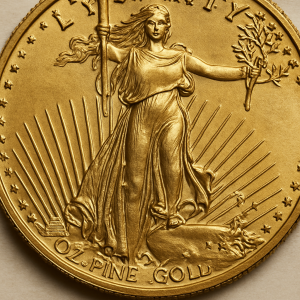
by Scottsdale Mint (https://unsplash.com/@scottsdalemint)
Gold has long been regarded as a safe haven investment. Its price is influenced by a variety of factors, and understanding these can provide valuable insights into future price movements.
Inflation Hedge
Historical Role as Inflation Hedge
Gold’s historical role as an inflation hedge is well-documented. During periods of high inflation, gold prices tend to rise as investors seek to preserve their wealth. Understanding this historical relationship can provide insights into how gold may perform in future inflationary environments.
Current Inflationary Pressures
Current inflationary pressures, driven by factors such as supply chain disruptions and monetary policy, have heightened interest in gold. As inflation concerns persist, gold’s role as a hedge against eroding purchasing power becomes increasingly relevant. Monitoring inflation trends is crucial for predicting gold price movements.
Comparison with Other Assets
Comparing gold’s performance with other assets during inflationary periods can provide valuable insights. While some assets may offer higher returns, gold’s stability and historical track record make it a preferred choice for risk-averse investors. Understanding these comparisons can help inform investment decisions.
Central Bank Policies
Impact of Interest Rate Changes
Central bank interest rate policies significantly influence gold prices. Lower interest rates reduce the opportunity cost of holding gold, boosting its appeal as a non-yielding asset. Conversely, rising rates can make gold less attractive, potentially impacting its price.
Monetary Stimulus Measures
Monetary stimulus measures, such as quantitative easing, can impact gold prices. Increased money supply and liquidity often lead to concerns about currency devaluation, driving investors towards gold as a store of value. Understanding central bank actions is crucial for predicting gold market trends.
Central Bank Gold Reserves
Central banks themselves hold significant gold reserves, influencing market dynamics. Changes in central bank gold holdings, whether through buying or selling, can impact global supply and demand. Monitoring central bank activities can provide insights into potential gold price movements.
Currency Fluctuations
U.S. Dollar Influence
The U.S. dollar’s strength or weakness plays a pivotal role in gold prices. A weaker dollar makes gold more affordable for foreign investors, increasing demand and driving up prices. Conversely, a strong dollar can dampen gold’s appeal, potentially leading to price declines.
Global Currency Trends
Global currency trends, influenced by factors such as trade balances and economic policies, can impact gold prices. Understanding how major currencies interact and affect gold demand is crucial for predicting price movements. Monitoring currency markets provides valuable insights into potential gold price fluctuations.
Exchange Rate Volatility
Exchange rate volatility can influence gold prices, particularly for investors dealing in multiple currencies. Fluctuations in exchange rates can impact the cost of purchasing gold, affecting demand and pricing. Analyzing exchange rate trends is essential for anticipating gold market dynamics.
Precious Metals Analysis
Analyzing precious metals involves considering multiple factors, including market trends, economic indicators, and geopolitical events. Let’s explore some key aspects of precious metals analysis.
Technical Analysis
Chart Patterns and Indicators
Technical analysis involves studying chart patterns and using indicators to predict future price movements. Traders often rely on tools like moving averages, trendlines, and Fibonacci retracements to identify potential entry and exit points. Understanding these patterns can provide insights into market trends.
Momentum and Volume Analysis
Momentum and volume analysis are critical components of technical analysis. Analyzing price momentum and trading volumes can help identify trends and potential reversals. Traders use these insights to make informed decisions about when to buy or sell precious metals.
Support and Resistance Levels
Support and resistance levels play a crucial role in technical analysis. These levels indicate where prices are likely to encounter buying or selling pressure. Identifying these levels helps traders anticipate price movements and make strategic investment decisions.
Fundamental Analysis
Economic Indicators
Fundamental analysis involves evaluating economic indicators that influence precious metals prices. Factors such as GDP growth, employment data, and inflation rates provide insights into economic health and potential market trends. Understanding these indicators is essential for predicting price movements.
Geopolitical Developments
Geopolitical events can have a profound impact on precious metals markets. Analyzing geopolitical developments, such as trade tensions or conflicts, helps investors anticipate potential price fluctuations. Keeping abreast of global events is crucial for informed investment decisions.
Supply and Demand Dynamics
Supply and demand dynamics are fundamental to precious metals analysis. Understanding factors that affect supply, such as mining production and technological advancements, is essential. Similarly, analyzing demand drivers, including industrial applications and investor interest, provides insights into market trends.
Sentiment Analysis
Market Sentiment Indicators
Sentiment analysis involves gauging market sentiment using various indicators. Tools like the Commitment of Traders (COT) report and sentiment surveys provide insights into investor behavior. Understanding market sentiment can help predict potential price movements.
News and Media Influence
News headlines and media coverage can significantly influence market sentiment. Monitoring news outlets and social media trends helps investors understand how market participants perceive current events. Analyzing media influence is crucial for anticipating market reactions.
Psychological Factors
Psychological factors, such as fear and greed, play a role in precious metals markets. Understanding how these emotions drive investor behavior can provide insights into potential price movements. Sentiment analysis helps investors navigate the psychological aspects of market dynamics.
Gold and Silver Forecast
The gold and silver forecast for the coming years suggests a mix of opportunities and challenges. While the economic recovery is expected to continue, factors such as inflation, geopolitical tensions, and central bank policies will play a crucial role in shaping price movements.
Investment Strategies
Portfolio Diversification Benefits
Investors interested in precious metals should consider diversifying their portfolios. Allocating a portion of investments to gold and silver can provide a hedge against economic uncertainties and potential inflationary pressures. Diversification helps manage risk and enhances portfolio resilience.
Timing and Entry Points
Timing is crucial when investing in precious metals. Understanding market cycles and identifying optimal entry points can enhance investment returns. Investors should stay informed about market trends and use technical and fundamental analysis to make strategic decisions.
Risk Management Techniques
Risk management is essential when investing in volatile markets like precious metals. Setting stop-loss orders, using options, and diversifying across asset classes can help mitigate risks. Implementing risk management techniques ensures that investors protect their capital while seeking potential returns.
Long-term Outlook
Wealth Preservation
In the long term, precious metals are likely to remain an essential part of investment portfolios. Their ability to preserve wealth and offer diversification benefits makes them valuable for investors seeking stability and potential returns. Understanding their role in wealth preservation is crucial for long-term investment planning.
Geopolitical and Economic Considerations
Geopolitical and economic factors will continue to influence precious metals markets. Monitoring global developments and understanding their impact on supply and demand dynamics is essential. Staying informed about these considerations helps investors anticipate long-term market trends.
Potential for Innovation
Innovation in industries using precious metals could drive future demand. Technological advancements and new applications may create opportunities for growth in the precious metals sector. Keeping an eye on innovation trends can provide insights into potential market disruptions and opportunities.
Conclusion
The precious metals market is influenced by a myriad of factors, from economic conditions to geopolitical events. Understanding these dynamics and staying informed about market trends and forecasts can help investors make informed decisions. Whether you’re interested in the silver market forecast, gold price prediction, or overall precious metals analysis, keeping a close eye on these trends can guide your investment strategy. As the world evolves, precious metals will continue to play a crucial role in wealth preservation and portfolio diversification.
Q&A
Question: What macroeconomic conditions tend to push gold and silver prices up or down?
Short answer: Precious metals generally rise during economic downturns and periods of high inflation as investors seek safe havens and hedges against eroding purchasing power. Lower interest rates also boost their appeal by reducing the opportunity cost of holding non-yielding assets. Conversely, in times of strong economic growth and rising interest rates, investors may favor higher-yielding assets, which can dampen demand and pressure prices lower.
Question: How do supply and demand dynamics influence precious metals prices, especially for silver?
Short answer: On the supply side, mining production—shaped by discoveries, costs, and regulations—can tighten or loosen availability; constraints such as environmental rules or resource depletion can lift prices. On the demand side, industrial and jewelry uses are key: technology and electronics, photovoltaic solar panels, and medical applications all support silver demand, while economic growth boosts jewelry consumption. As industrial applications expand and supply tightens, prices can trend higher.
Question: Why is silver’s investment demand growing, and what makes its price more volatile?
Short answer: Silver appeals to investors for portfolio diversification and relative affordability versus gold, with rising retail access via online platforms adding to demand—especially during economic uncertainty. Its prices are more volatile due to historically large short-term swings and the amplifying effect of speculative trading. To manage risk, investors can diversify, use stop-loss orders, and stay informed about market trends.
Question: What are the main factors shaping gold price predictions, including policy and currencies?
Short answer: Gold’s role as an inflation hedge is central—historically, higher inflation aligns with rising gold prices, and current inflation concerns keep interest high. Central bank policies matter: lower interest rates and monetary stimulus (like quantitative easing) typically support gold, while rate hikes can weigh on it. Central bank gold reserve changes also affect supply-demand dynamics. Currency moves—especially a weaker U.S. dollar—tend to boost gold by making it cheaper for non-dollar buyers, while broader exchange-rate volatility influences global demand.
Question: What is the outlook for gold and silver, and how should investors approach strategy and timing?
Short answer: The forecast suggests both opportunities and challenges as inflation, geopolitics, and central bank policies steer price action. Over the long term, precious metals remain useful for wealth preservation and diversification, with potential demand boosts from innovation in metal-using industries. Strategically, investors can diversify across assets, use technical and fundamental analysis to identify entry points, and apply risk controls such as stop-losses and options to navigate volatility.