platinum kilo

Platinum is a precious metal that has captured the attention of investors and collectors alike. Known for its rarity and wide range of industrial applications, platinum is a sought-after commodity in the global market. This article explores the platinum per kilo price, factors influencing its market value, and the trends shaping its future.
Summary
Platinum’s per-kilo price is shaped by concentrated supply (notably South Africa and Russia), diverse industrial demand (catalytic converters, jewelry, and emerging tech like hydrogen), macroeconomic conditions, and currency fluctuations. Historical prices have cycled through booms and busts, with geopolitics and speculation amplifying moves, while future trends hinge on EV adoption, technological innovation, and environmental regulation. Investors can gain exposure via physical metal, bullion, or ETFs, each with distinct storage, liquidity, and structural considerations. Key risks include market volatility, regulatory shifts, and political instability in producing regions.
What Determines the Price of Platinum Per Kilo?
The price of platinum per kilo is influenced by several factors. Understanding these can help investors make informed decisions when entering the platinum market.
Supply and Demand
Global Supply SourcesPlatinum is primarily mined in South Africa and Russia, making these countries pivotal in the global supply chain. The concentration of production in these regions means that any local issues, such as labor strikes or regulatory changes, can have outsized effects on global supply levels. For instance, South Africa alone accounts for about 70% of the world’s platinum production, making its mining policies critically important.
Demand Across IndustriesBeyond the basic concept of supply, demand plays an equally crucial role. The automotive industry is a major consumer of platinum, especially for catalytic converters that reduce vehicle emissions. As automotive production ramps up in response to economic recoveries or new environmental regulations, the demand for platinum can surge, potentially driving prices higher.
Market Perceptions and SpeculationMarket perceptions and speculative activities can also influence demand. Investors may buy or sell platinum based on their expectations of future supply constraints or economic conditions. For example, if investors anticipate a future shortage, they might buy platinum now, thus increasing demand and price.
Industrial Use
Automotive Industry DynamicsThe automotive industry’s reliance on platinum for catalytic converters is well-documented. However, shifts towards electric vehicles (EVs) could alter this demand significantly. While EVs require less platinum, hybrid vehicles still use it, creating a nuanced demand scenario dependent on the trajectory of automotive technology adoption.
Jewelry and Luxury GoodsPlatinum’s lustrous appeal makes it a popular choice in the jewelry market. Economic prosperity often leads to increased spending on luxury goods, which boosts platinum demand. Conversely, during economic downturns, discretionary spending on items like platinum jewelry tends to decline.
Emerging Industrial ApplicationsBeyond its established uses, platinum is finding new applications in emerging technologies. For example, its role in hydrogen fuel cells is gaining attention as the world shifts towards renewable energy sources. These new industrial uses could further bolster demand for platinum in the coming years.
Economic Conditions

Global Economic HealthThe overall health of the global economy significantly affects platinum prices. Economic growth in major markets often leads to increased industrial activity, thereby boosting demand for platinum. Conversely, recessions or slowdowns can dampen demand across industries, leading to price declines.
Inflation and Interest RatesInflation and interest rates also play a role in platinum pricing. High inflation may drive investors towards precious metals like platinum as a hedge, thereby increasing demand. Similarly, low interest rates can encourage investment in commodities as investors seek higher returns than those offered by traditional savings accounts.
Trade Policies and TariffsInternational trade policies and tariffs can influence platinum prices. For instance, tariffs on platinum imports or exports can affect the cost and availability of platinum in certain regions, thereby influencing global pricing dynamics.
Currency Fluctuations
Impact of the U.S. DollarAs platinum is globally traded and often priced in U.S. dollars, fluctuations in the dollar’s value can have immediate effects on platinum prices. A weaker dollar generally makes platinum cheaper for foreign buyers, potentially increasing demand and driving up prices.
Exchange Rate VolatilityVolatility in currency exchange rates can create uncertainty in the platinum market. Investors and traders may adjust their positions based on anticipated currency movements, which can lead to short-term price fluctuations.
Hedging Against Currency RiskTo mitigate the risk associated with currency fluctuations, some investors engage in hedging strategies. These strategies can include the use of derivatives or other financial instruments to lock in exchange rates and stabilize expected returns from platinum investments.
Platinum Pricing Trends
Understanding the current and historical trends in platinum pricing can provide valuable insights for potential investors.
Historical Price Trends
Booms and BustsThe history of platinum pricing is marked by cycles of booms and busts. The early 2000s saw a significant rise in prices due to increased demand and supply constraints. However, this was followed by sharp declines during economic crises, such as in 2008, when the global financial meltdown led to reduced industrial demand.
Long-term Price TrajectoriesOver the long term, platinum prices have shown a tendency to recover and even surpass previous highs after periods of decline. This resilience is partly due to its diverse range of applications and the limited number of significant global producers.
Impact of Geopolitical EventsGeopolitical events can also leave a lasting mark on platinum pricing. Conflicts or diplomatic tensions involving major producers can lead to supply disruptions, causing price spikes. Similarly, resolutions or agreements can stabilize markets and lead to price corrections.
Current Market Value
Influence of Recent Economic DevelopmentsThe current market value of platinum is shaped by recent economic developments, including the global recovery from the COVID-19 pandemic. As industries regain momentum and consumer confidence returns, demand for platinum is likely to increase.
Role of Speculative TradingSpeculative trading can amplify short-term price movements. Traders often react to news and forecasts about supply and demand, leading to price volatility. This is especially true in the platinum market, where large trades can have a significant impact due to relatively lower liquidity compared to other commodities like gold.
Comparative Analysis with Other Precious MetalsPlatinum’s price is often compared to that of other precious metals like gold and palladium. These comparisons can influence investor sentiment and trading strategies, as investors may switch between metals based on perceived value or expected returns.
Future Market Indicators
Technological InnovationsFuture platinum prices will likely be influenced by technological innovations, especially in the automotive and energy sectors. The development of new technologies that either increase or decrease platinum use will be a key factor in long-term pricing trends.
Regulatory ChangesChanges in environmental and industrial regulations can impact platinum demand. For instance, stricter emissions standards may increase the demand for catalytic converters, thus supporting platinum prices.
Global Economic ForecastsEconomic forecasts, including predictions about growth in key markets like China and the U.S., can provide insights into potential future demand for platinum. Strong economic growth forecasts typically correlate with increased industrial activity and, consequently, higher platinum demand.
Forecasting the Future of Platinum Prices
Predicting the future price of platinum involves analyzing various market indicators and economic forecasts.
Economic Recovery Post-Pandemic
Rebound in Industrial DemandAs the world gradually recovers from the COVID-19 pandemic, industries reliant on platinum are expected to ramp up production. This includes the automotive and electronics sectors, where pent-up demand could lead to a significant rebound in platinum consumption.
Global Supply Chain AdjustmentsThe pandemic highlighted vulnerabilities in global supply chains, leading many industries to re-evaluate their sourcing strategies. These adjustments could affect platinum mining and distribution, potentially influencing future supply and pricing dynamics.
Long-term Economic ImpactWhile short-term recovery is a focus, the pandemic’s long-term economic impact will also shape platinum demand. Structural changes in consumer behavior and industrial practices may lead to new patterns of platinum consumption.
Technological Advancements
Electric Vehicle AdoptionThe rise of electric vehicles (EVs) presents both challenges and opportunities for the platinum market. While EVs use less platinum, the transition to cleaner energy could drive innovation in other areas where platinum is used, such as hydrogen fuel cells.
Catalytic Converter InnovationsAdvancements in catalytic converter technology could influence platinum demand. New designs that use less platinum or alternative materials could reduce demand, while innovations that improve efficiency might sustain or increase usage.
Emerging Applications in TechnologyBeyond automotive uses, platinum is finding new applications in technology sectors such as electronics and renewable energy. Innovations in these areas could drive future demand and influence pricing trends.
Environmental Regulations
Stricter Emission StandardsGlobally, environmental regulations are becoming more stringent, with many countries imposing tougher emissions standards. This trend is likely to increase demand for platinum in catalytic converters, providing upward pressure on prices.
Sustainability InitiativesSustainability initiatives and the push for greener technologies are likely to increase platinum’s role in various industries. As companies prioritize reducing their carbon footprint, the demand for platinum-based solutions in energy and manufacturing could grow.
Impact on Global Trade PoliciesEnvironmental regulations can also impact global trade policies, affecting the movement and pricing of platinum across borders. Tariffs or incentives related to green technologies may further influence market dynamics.
Investing in Platinum: What You Need to Know
Investing in platinum can be a lucrative opportunity, but it’s essential to understand the different options available and the risks involved.
Buying Physical Platinum
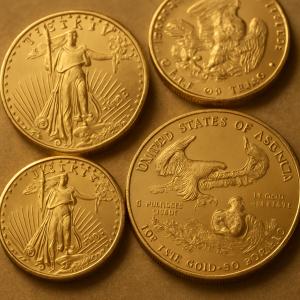
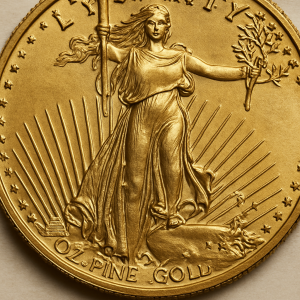
Types of Physical Platinum InvestmentsInvestors can choose from various forms of physical platinum, including bars, coins, and ingots. Each type offers different advantages, such as ease of storage or potential for collectible value, depending on the investor’s goals.
Storage and Security ConsiderationsStoring physical platinum requires careful consideration of security and insurance. Investors must decide whether to store their holdings in a safe at home, a bank’s safety deposit box, or a specialized storage facility.
Authenticity and Quality AssuranceEnsuring the authenticity and quality of physical platinum is crucial. Investors should purchase from reputable dealers and may consider having their platinum independently authenticated to avoid potential fraud.
Platinum Bullion
Benefits of Bullion InvestmentsPlatinum bullion, available in coins and bars, is a tangible asset that can serve as a hedge against inflation and currency fluctuations. Its value is based on weight and purity, providing a straightforward investment vehicle.
Liquidity and Market AccessOne of the advantages of bullion is its liquidity. Investors can easily buy and sell platinum bullion on global markets, making it a flexible option for those seeking to adjust their holdings based on market conditions.
Market Volatility and TimingWhile bullion offers stability, investors must also consider market volatility. Platinum prices can fluctuate significantly, so timing purchases and sales is essential for maximizing returns.
Exchange-Traded Funds (ETFs)
Convenience and AccessibilityETFs offer a convenient way to invest in platinum without the need to physically store the metal. These funds track platinum prices and can be easily traded on major stock exchanges, providing accessibility for a wide range of investors.
Diversification and Risk ManagementPlatinum ETFs can be part of a diversified investment portfolio, helping investors manage risk by spreading exposure across different asset classes. This diversification can mitigate the impact of price swings in any single investment.
Understanding Fund StructuresInvestors should understand the structure and management of the ETFs they consider. Some funds may hold physical platinum, while others use derivatives to track prices, affecting their performance and risk profile.
Risks and Considerations
Market Volatility and Economic FactorsInvesting in platinum comes with risks, including market volatility driven by economic factors and geopolitical events. Investors should be prepared for potential price swings and conduct thorough research before making investment decisions.
Regulatory and Political RisksChanges in mining regulations, environmental policies, or political instability in major producing countries can impact platinum supply and prices. Investors need to stay informed about these potential risks.
Expert Advice and ResearchConsulting with financial experts and conducting comprehensive research are essential steps for anyone considering a platinum investment. Understanding market dynamics, historical trends, and future forecasts can help investors make informed choices.
Conclusion: The Dynamic World of Platinum Pricing
The price of platinum per kilo is shaped by a complex interplay of factors, from supply and demand dynamics to global economic conditions. Understanding these influences can help investors navigate the platinum market and make informed decisions.
As the world continues to evolve, so too will the market for platinum. By staying informed about the latest trends and forecasts, investors can position themselves to take advantage of opportunities in this precious metal market.
In summary, platinum remains a valuable and intriguing investment option for those willing to explore its potential. With careful analysis and strategic planning, investing in platinum can be a rewarding endeavor.
Q&A
Question: What are the main factors that determine the price of platinum per kilo?
Short answer: Platinum’s price is primarily shaped by concentrated supply, diverse demand, macro conditions, and currency moves. Most supply comes from South Africa and Russia, so local disruptions (like labor strikes or regulatory shifts) can ripple globally. Demand spans catalytic converters, jewelry, and emerging tech (such as hydrogen fuel cells). Broader economic health, inflation, interest rates, and trade policies influence industrial activity and investor behavior. Because platinum is priced in U.S. dollars, dollar strength or weakness can quickly sway prices, while market perceptions and speculative trading often amplify short-term volatility.
Question: How do electric vehicles (EVs) and environmental regulations affect platinum demand?
Short answer: EV adoption is a mixed bag for platinum. Pure EVs reduce catalytic-converter demand (and thus platinum use), but hybrids still require it, keeping some automotive demand intact. Meanwhile, stricter global emissions standards tend to support platinum usage in catalytic converters. Beyond autos, the push for cleaner energy is opening new avenues—particularly hydrogen fuel cells—where platinum plays a key role, potentially offsetting declines elsewhere.
Question: Why is South Africa so pivotal to platinum pricing, and what risks does that create?
Short answer: South Africa produces about 70% of the world’s platinum, making its policies, labor climate, and operational stability critical. Any local disruption—strikes, regulatory changes, or infrastructure issues—can tighten global supply and push prices higher. Russia is also a major producer, so geopolitical tensions there matter, too. This geographic concentration makes the market more sensitive to shocks than more diversified commodities.
Question: What are the main ways to invest in platinum, and how do they differ?
Short answer: Investors typically choose among physical metal, bullion, and ETFs. Physical platinum (bars, coins, ingots) offers direct ownership but requires secure storage, insurance, and authenticity checks. Bullion coins and bars are widely traded and relatively liquid, with value tied to weight and purity, but prices can be volatile. ETFs provide convenient, exchange-traded exposure without handling the metal; some hold physical platinum while others use derivatives, which affects performance, risk, and structure. Each route balances convenience, costs, liquidity, and custody considerations differently.
Question: What indicators should investors watch to gauge future platinum price trends?
Short answer: Key signals include global economic growth (especially in the U.S. and China), post-pandemic industrial recovery, and supply-chain adjustments in mining and distribution. Track technology shifts—EV penetration, catalytic-converter innovations, and hydrogen-related applications—alongside environmental and industrial regulations that affect emissions standards. Also monitor U.S. dollar trends, interest rates, trade policies, and speculative positioning, plus how platinum compares to peer metals like gold and palladium.