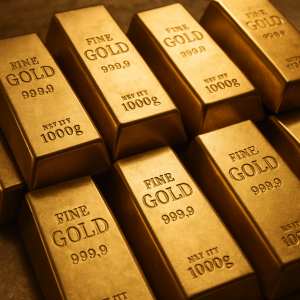
Exploring the Dynamics of the Kuwait Gold Market
The allure of gold has transcended centuries, with its gleaming appeal and intrinsic value capturing the attention of civilizations across the globe. In Kuwait, gold holds a significant place, not only as a symbol of wealth and prosperity but also as a pivotal element of the nation’s economy. This article delves into the intricacies of Kuwait’s gold market, offering gold market analysis tailored to readers following the kuwait gold market, and examining current market rates, underlying economic factors, and future projections. 
Kuwait, with its strategic location in the Arabian Gulf, has long been a hub for trade and commerce. The gold market here is no exception. For those tracking the kuwait gold market rate today, pricing is influenced by a myriad of factors, including international gold prices, local demand, and currency fluctuations.
Summary
Kuwait’s gold market is shaped by global spot prices, culturally driven local demand, import-dependent supply dynamics, currency fluctuations, and regional geopolitics. Gold underpins economic stability via central bank reserves and monetary policy, while serving as an inflation hedge for investors amid growing digital access and diversified products like ETFs. The outlook is steady growth alongside economic diversification and sustainability efforts, tempered by regulatory evolution, price volatility, and competition from alternative assets such as cryptocurrencies.
International Gold Prices and Local Impact
The global spot price of gold serves as a foundational benchmark for local market rates in Kuwait. International events, such as economic crises or geopolitical tensions, can lead to fluctuations in global gold prices, which in turn affect the Kuwaiti market. For instance, during global economic uncertainty, investors worldwide flock to gold as a safe haven, driving up prices.
Furthermore, Kuwait’s gold market is influenced by the purchasing patterns of major international players. When countries like China or India, significant gold consumers, increase their gold purchases, global prices rise, impacting Kuwait’s local rates. The interconnectedness of global markets means that Kuwait must stay abreast of international trends to anticipate local price changes.
Domestic Demand and Supply Dynamics
The demand for gold in Kuwait is driven by a combination of cultural preferences, investment needs, and economic conditions. The Kuwaiti market sees spikes in demand during cultural and religious festivals, where gold ornaments play a crucial role in traditions and celebrations. This cultural affinity sustains the market even in times of economic downturn.
Supply dynamics also play a crucial role. Kuwait relies on imports to meet its gold demand, making it susceptible to international supply chain disruptions. Any logistical challenges or geopolitical tensions affecting major gold-producing regions can lead to supply shortages, thereby pushing local prices higher.
Currency Exchange Rates and Purchasing Power
The Kuwaiti Dinar’s relative strength against other currencies, particularly the US Dollar, impacts the purchasing power of consumers and investors, thereby affecting gold prices. A strong Dinar increases the buying power of Kuwaiti consumers, enabling them to purchase more gold for the same amount of money.
Conversely, when the Dinar weakens, gold becomes more expensive for local buyers. Currency fluctuations, driven by changes in oil prices or monetary policies, can lead to volatile gold prices. Investors and consumers must thus keep a keen eye on currency trends to make informed decisions about their gold purchases.
Geopolitical Stability and Market Sentiment
The geopolitical environment in the Middle East can have a profound impact on investor sentiment and, by extension, the gold market. Periods of instability often lead to increased gold purchases as a safe-haven investment. Kuwait, given its strategic location, is particularly sensitive to regional tensions.
In times of heightened geopolitical risk, both local and international investors turn to gold as a hedge against uncertainty. This increased demand can drive prices up, reflecting the market’s perception of gold as a refuge in volatile times. Therefore, understanding the broader geopolitical landscape is crucial for stakeholders in Kuwait’s gold market.
The Role of Gold in Kuwait’s Economy
Gold is more than just a precious metal in Kuwait; it’s a critical component of the nation’s economic framework. The Central Bank of Kuwait holds significant gold reserves, underscoring its role in monetary policy and economic stability.
Gold Reserves and Economic Stability
The Central Bank of Kuwait maintains substantial gold reserves as part of its foreign exchange reserves. These reserves serve as a financial buffer, providing economic stability in times of financial distress. In an era of economic unpredictability, gold reserves act as a safeguard, ensuring that the national economy can withstand external shocks.
Moreover, gold reserves enhance Kuwait’s creditworthiness on the global stage. They signal financial strength and stability to international investors and creditors, supporting Kuwait’s economic reputation. This trust can lead to more favorable borrowing terms and increased foreign investment, benefiting the broader economy.
Gold in Monetary Policy
Gold plays a strategic role in Kuwait’s monetary policy. It is used to back the Kuwaiti Dinar, lending stability to the currency. By holding gold, the Central Bank can influence monetary policy decisions, such as managing inflation and stabilizing the currency exchange rate.
The presence of gold in monetary reserves also provides flexibility in policy-making. During times of economic turbulence, the Central Bank can leverage its gold reserves to inject liquidity into the market or to support the Dinar’s value, ensuring financial stability and public confidence in the currency.
Cultural Significance and Economic Impact
Gold is deeply embedded in Kuwaiti culture, symbolizing wealth, prosperity, and social status. This cultural significance translates into a steady demand for gold jewelry and ornaments, supporting the local gold industry. Weddings, festivals, and other celebrations drive substantial gold purchases, making it an integral part of the economy.
The economic impact of gold extends beyond cultural traditions. The gold industry supports numerous jobs, from mining and refining to retail and investment services. By fostering a robust gold market, Kuwait not only preserves its cultural heritage but also strengthens its economic fabric.
Gold as an Investment
In Kuwait, gold is considered a prudent investment, offering a hedge against inflation and currency devaluation. The fluctuating rates of the gold market present both opportunities and challenges for investors seeking to diversify their portfolios.
Hedging Against Inflation and Currency Devaluation
Gold’s intrinsic value and limited supply make it an effective hedge against inflation. In times of rising prices, gold maintains its purchasing power, protecting investors from the erosive effects of inflation. This characteristic makes gold an attractive option for Kuwaiti investors looking to preserve their wealth.
Additionally, gold offers protection against currency devaluation. When the value of fiat currencies declines, gold tends to appreciate, providing a safeguard for investors. In Kuwait, where the economy is closely tied to oil prices and global economic trends, gold serves as a reliable store of value.
Opportunities in a Fluctuating Market
The gold market’s inherent volatility presents opportunities for savvy investors. Price fluctuations allow investors to buy low and sell high, capitalizing on short-term market movements. This potential for profit attracts both individual and institutional investors in Kuwait, contributing to a dynamic investment landscape.
Furthermore, the availability of diverse investment products, such as gold-backed securities and exchange-traded funds (ETFs), has broadened investment opportunities. These products offer exposure to gold’s benefits without the need to hold physical gold, appealing to a wider range of investors.
Challenges for Gold Investors
While gold is a valuable investment, it also presents challenges. The market’s volatility can lead to significant price swings, posing risks for investors. Timing the market requires expertise and insight, as incorrect predictions can lead to financial losses.
Moreover, the rise of alternative investments, such as cryptocurrencies, has introduced new competition. These digital assets offer unique investment opportunities, attracting some investors away from traditional gold investments. As the investment landscape evolves, gold investors must stay informed and adaptable to navigate emerging challenges.
Analyzing the Kuwait Gold Market: Trends and Projections
Understanding the dynamics of the gold market in Kuwait requires a comprehensive analysis of both historical data and future trends. This gold market analysis considers local patterns alongside regional and global drivers.
Historical Context and Resilience
Historically, the gold market in Kuwait has shown resilience in the face of global economic fluctuations. The cultural affinity for gold jewelry and ornaments has sustained demand even during economic downturns. This resilience is rooted in the long-standing tradition of valuing gold as a symbol of wealth and security.
Throughout history, gold has retained its status as a reliable asset, even when other markets have faltered. This historical strength provides confidence to investors and consumers, reinforcing gold’s role as a stable investment option. By examining historical patterns, stakeholders can gain insights into potential future market behavior.
Current Trends in Digitalization and Investment Diversity
Today, the gold market in Kuwait is characterized by:
- Increased Digital Transactions: With the advent of technology, purchasing gold has become more accessible through online platforms, broadening the market’s reach.
- Consumers can now buy, sell, and trade gold with ease, fostering greater market participation.
- Digital platforms offer convenience and transparency, allowing consumers to compare prices and make informed decisions.
- This technological shift has democratized the gold market, attracting a new generation of tech-savvy investors and consumers.
- Diverse Investment Products: Besides physical gold, investors have access to gold-backed securities and exchange-traded funds (ETFs), offering varied investment options.
- These products provide flexibility and liquidity, catering to diverse investment strategies.
The availability of diverse products enhances market resilience, as investors can tailor their portfolios to align with their risk tolerance and investment goals. By offering a range of options, the gold market can attract a broader spectrum of investors, supporting sustained growth. These shifts are reshaping the kuwait gold market without altering its cultural core.
Future Projections and Economic Diversification
Economists and market analysts project a steady growth trajectory for Kuwait’s gold market. Factors contributing to this outlook include:
- Economic Diversification: As Kuwait continues to diversify its economy beyond oil, the gold market is expected to play a pivotal role in stabilizing economic growth. By reducing reliance on oil revenues, Kuwait can leverage its gold market to drive sustainable development.
- Economic diversification initiatives aim to create a more resilient economy, with gold serving as a key component of this strategy.
- As new industries emerge, the gold market can provide a stable source of income and investment, supporting broader economic objectives.
- Sustainability Initiatives: With global emphasis on sustainable mining and ethical sourcing, Kuwait’s gold market may see shifts towards more transparent and responsible practices. By adopting sustainable practices, Kuwait can enhance its reputation and appeal to socially conscious consumers.
- Sustainable initiatives can also open new market opportunities, as consumers increasingly prioritize ethical products.
- By aligning with global sustainability trends, Kuwait’s gold market can attract international attention and investment, driving future growth.
Challenges Facing Kuwait’s Gold Market

by sohrab zia (https://unsplash.com/@sohrabzia)
Despite its robust foundation, the gold market in Kuwait is not without challenges.
Evolving Regulatory Environment
The regulatory framework governing gold trade in Kuwait requires continuous adaptation to meet international standards. This includes measures to prevent money laundering and ensure compliance with global trade agreements. As international regulations evolve, Kuwait must align its policies to maintain market integrity.
Adapting to regulatory changes can be resource-intensive, requiring investment in compliance infrastructure and expertise. However, robust regulations enhance market credibility and investor confidence, supporting long-term growth. By fostering a transparent and compliant market, Kuwait can attract global investors and strengthen its economic position.
Market Volatility and Consumer Behavior
The inherent volatility of gold prices poses risks for both consumers and investors. Sharp price fluctuations can impact market sentiment and lead to shifts in purchasing behavior. During periods of volatility, consumers may delay purchases or seek alternative investments, affecting market dynamics.
Investors, too, face challenges in navigating volatile markets. To mitigate risks, they must employ sophisticated strategies and tools, such as hedging and diversification. By understanding market trends and consumer behavior, stakeholders can better anticipate and respond to volatility, ensuring stability and growth.
Competition from Alternative Investments
The rise of alternative investment avenues, such as cryptocurrencies, poses a potential challenge to traditional gold investments. While gold has long been viewed as a safe-haven asset, digital currencies offer new opportunities and risks for investors.
Cryptocurrencies attract investors with the promise of high returns and innovative technology. As these digital assets gain popularity, they may divert investment away from gold, impacting market demand. To remain competitive, the gold market must emphasize its unique strengths, such as stability and historical value, while exploring synergies with emerging technologies.
Conclusion
Kuwait’s gold market is a dynamic and integral part of the nation’s economic landscape. With its deep-rooted cultural significance and economic importance, gold will continue to be a valuable asset for Kuwaitis. As the market evolves, driven by technological advancements and global trends, stakeholders must remain vigilant and adaptable to harness the full potential of this precious metal. Through strategic investments and regulatory oversight, Kuwait can ensure the sustained growth and stability of its gold market, securing its place on the global stage. For investors, staying updated on the kuwait gold market rate today and following ongoing gold market analysis can support timely, well-informed decisions.
Q&A
Question: What most directly drives the Kuwait gold market rate today?
Short answer: The global spot price of gold sets the baseline, while local factors adjust the final retail rate. International moves—triggered by economic crises, safe-haven flows, or large buyers like China and India—flow through to Kuwait almost immediately. On top of that, Kuwait’s import-dependent supply can tighten with logistics or geopolitical disruptions, cultural demand spikes (for weddings and festivals) can lift local premiums, and currency fluctuations versus the US Dollar change what Kuwaiti buyers can afford, all of which nudge local prices up or down.
Question: How do Kuwaiti Dinar exchange-rate moves affect what consumers pay for gold?
Short answer: A stronger Kuwaiti Dinar boosts local purchasing power, letting buyers acquire more gold for the same dinar outlay, while a weaker Dinar makes gold more expensive. Because gold is priced globally in US Dollars, shifts in the Dinar—often influenced by oil prices and monetary policy—translate directly into local affordability and can make retail prices more or less volatile.
Question: What role does gold play in Kuwait’s economic stability and monetary policy?
Short answer: Gold is part of Kuwait’s foreign exchange reserves, providing a buffer in periods of financial stress and signaling strength to global investors and creditors. These reserves support the country’s creditworthiness and can lead to better financing terms. Strategically, gold is used to back the Kuwaiti Dinar, helping the Central Bank manage inflation and stabilize the exchange rate. In turbulent times, reserves can be leveraged to inject liquidity or support the currency, sustaining confidence in the financial system.
Question: How do Kuwait-based investors use gold, and what products are available?
Short answer: Investors rely on gold as a hedge against inflation and currency devaluation because of its intrinsic value and limited supply. They can choose physical gold (jewelry, bars, coins) or financial products like gold-backed securities and exchange-traded funds (ETFs), many accessible via digital platforms that simplify buying, selling, and price comparison. While volatility creates opportunities (buy low, sell high), it also raises timing risk, so diversification and informed decision-making are key.
Question: What are the key risks and the outlook for Kuwait’s gold market?
Short answer: Main challenges include evolving regulations (especially around compliance and anti–money laundering), price volatility that can sway consumer behavior, competition from alternative assets like cryptocurrencies, and potential supply chain disruptions. Even so, the outlook is for steady growth supported by economic diversification, broader digital access, and a shift toward sustainable, ethically sourced gold—factors that can deepen market participation while enhancing credibility and resilience.