how to buy a gold coin
Holding a gold coin in your hand feels entirely different than glancing at a digital bank statement. It is heavy, permanent, and for thousands of years, this metal has served as the ultimate rainy-day fund. Unlike digital stocks that exist merely as pixels on a screen, physical gold represents tangible security you can safely store at home without relying on an internet connection.
According to industry data from major precious metals dealers, many newcomers mistakenly assume they must purchase large bricks of metal. In reality, buying a one-ounce coin offers superior “liquidity,” which simply means it is incredibly easy to turn back into cash when needed. A massive bar might require a highly specialized buyer, whereas a standard coin can be sold at almost any local coin shop in minutes.
What makes these small discs so universally accepted is a practice called sovereign minting. In practice, this means a national government—like the United States Mint—officially produces the coin, stamping it with a guarantee of its exact weight and purity. This official backing transforms a raw piece of metal into a prepackaged, certified product that buyers instantly recognize.
You do not need to be a Wall Street tycoon to successfully protect your savings. Buying a gold coin securely involves choosing the right piece and finding a reputable dealer. As an accessible approach to physical gold investment for beginners, this roadmap ensures your first transaction is entirely secure.
Summary
Beginners should choose a 1 oz sovereign-minted bullion coin—such as the American Eagle, Canadian Maple Leaf, or South African Krugerrand—for maximum liquidity and avoid high-markup numismatic pieces. Understand your total price (spot + premium + shipping), aim for low premiums and tight spreads, and be cautious with fractional coins. Buy only from reputable dealers with buyback policies and strong verification practices, then authenticate at home by checking weight, dimensions, and sound. Store discreetly and securely (home safe, bank box, or insured depository) and follow the step-by-step action plan to execute a safe purchase.

Bullion vs. Numismatic: Why Your First Coin Should Be for Metal, Not History
Walking into a coin shop or browsing an online dealer can feel like stepping into a museum. You will notice two distinct categories of products competing for your attention, but only one is the right choice for a beginner.
The first category includes historical or rare pieces known as numismatic coins, which carry a heavy markup based on their age or rarity. The best gold investment advice for newcomers is to avoid these entirely. You could end up paying double the actual metal value just for historical scarcity. Collector markets demand highly specialized knowledge; without it, you risk overpaying for numismatic coins.
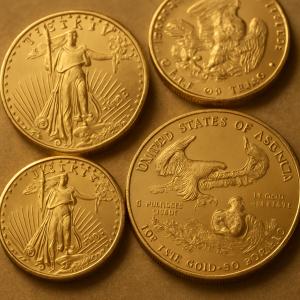
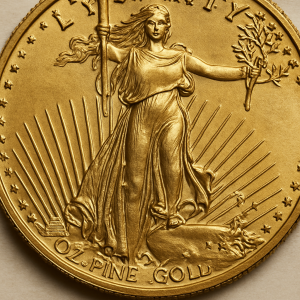
Instead, your first purchase should be bullion—coins minted entirely for their underlying metal value rather than their history. Modern sovereign coins, like the American Gold Eagle or Canadian Maple Leaf, serve as the global benchmark for gold coin purity standards because their weight and authenticity are guaranteed by a national government.
However, even standard bullion costs slightly more than the base market price of gold you see on the news. This extra cost introduces a concept called the premium over spot, which acts as the retail markup for turning raw metal into a finished coin. Knowing exactly how this markup is calculated helps secure the best deal.
The ‘Retail Markup’ Explained: How Spot Price and Premiums Determine Your Total Cost
Watching the news, you might see a ticker flashing the current gold spot price, but you cannot actually buy a physical coin for that exact amount. Think of spot price as the raw, wholesale cost of unshaped metal—like flour before a baker turns it into a loaf of bread. Because you are purchasing a finished product, dealers add a retail markup called a premium.
Figuring out how much does it cost to buy a gold coin requires just basic math. The final price combines the base metal value, the dealer’s markup, and logistical fees. Here is a typical breakdown for a one-ounce purchase:
- Raw metal value (Spot Price): $2,000
- Dealer markup (Premium): $80
- Delivery and insurance (Shipping): $20
- Total out-of-pocket cost: $2,100
This foundational knowledge of gold bullion premiums protects you from overpaying. For popular one-ounce coins, a standard premium ranges between 3% and 6%. You will also encounter a “spread,” which is simply the difference between a dealer’s selling price and their buyback offer. Keep in mind that fractional coins—like a tenth of an ounce—require identical labor to mint as larger ones, making their percentage premiums significantly higher.
Your primary goal is keeping these markups low while ensuring your new asset remains easy to sell later. By sticking to universally recognized sovereign coins, you guarantee a tight spread and steady market demand. Because of this, the American Eagle, Canadian Maple Leaf, and South African Krugerrand are the safest starting points for beginners.
The Big Three: Why the American Eagle, Maple Leaf, and Krugerrand Are Safest for Beginners
Stepping into the market feels safer with sovereign minted gold coins. These government-produced pieces are instantly recognizable and easier to resell than private “rounds.” Their official backing ensures dealers worldwide will buy them back effortlessly.
Your choice depends on balancing durability against absolute purity. Purity is measured by “karats” (where 24k is pure) or “fineness” (a percentage like .999). Pure gold is surprisingly soft, so mints often add a harder metal—called an alloy—to prevent scratches.
- American Eagle (22k): Uses a silver and copper alloy for a durable, scratch-resistant finish.
- Canadian Maple Leaf (24k): Features .9999 fineness for absolute purity, requiring gentler handling.
- South African Krugerrand (22k): Weighs 1.09 ounces total so that exactly one full ounce is pure gold, with the rest being protective copper.

Retirement planning influences this decision if you need IRS approved gold for IRA accounts. The pure Maple Leaf and specially-exempted Eagle qualify, while the older-style Krugerrand does not. However, if you are just learning how to buy a krugerrand gold coin for a personal home safe, they remain universally accessible and highly liquid.
Armed with this knowledge, picking your coin becomes an enjoyable step toward tangible wealth. Navigating the retail landscape itself, however, requires cautious evaluation of dealers to avoid scams.
Spotting the Red Flags: How to Identify Reputable Dealers and Avoid Online Scams
Finding exactly where to buy gold coins safely is just as important as picking the right coin. The precious metals market attracts both established, honest businesses and high-pressure “boiler room” operations that use aggressive tactics to push overpriced collectibles. Your biggest warning sign is the “under-spot” deal. Because gold has a fixed global base price, any seller offering a pristine coin below that intrinsic metal value is almost certainly peddling a counterfeit or bait-and-switch scheme.
Protecting your purchase means sticking to reputable online precious metals dealers or well-established local coin shops that pass a basic background check. Before handing over your money, ensure the company uses secure payment methods, such as an escrow system—a service that holds your funds safely until your product actually ships. You should also demand these four non-negotiable trust signals:
- Guaranteed Buyback Policy: They must offer to purchase back the coins they sell, proving they stand behind their own products.
- Physical Footprint: A verifiable corporate address and phone number, not just an anonymous P.O. Box.
- Verification Standards: Direct purchasing partnerships with official mints or strict, third-party testing to guarantee authenticity.
- Strong Track Record: Several years in business backed by positive Better Business Bureau (BBB) ratings.
Shopping locally allows you to walk out with your coin today, while online purchasing generally offers better pricing due to lower overhead. Regardless of your choice, prioritizing these safety boundaries is your ultimate tool for avoiding gold investment scams. Once your securely shipped package arrives or you bring your new asset home, the next step is verifying you got exactly what you paid for.
The ‘Kitchen Table’ Test: Verifying Weight, Dimensions, and Authenticity at Home
Unboxing your gold coin purchase brings peace of mind, but confirming its physical properties seals the deal. Gold is incredibly dense, packing massive weight into a tiny space. Counterfeiters cannot easily fake both size and heft simultaneously; a cheaper metal must be made noticeably larger to match the correct weight. Placing your asset on a digital pocket scale is the ultimate arbiter of truth when figuring out how to verify gold coin authenticity.

Catching those oversized fakes requires matching the piece against the mint’s official specifications. By testing gold coin weight and dimensions together using an inexpensive digital caliper, you essentially perform a simplified specific gravity test right at your dining table. If the caliper reveals your one-ounce coin is thicker or wider than published guidelines, the metal inside is absolutely not pure gold.
Sound provides another easy verification tool through the classic “Ping Test.” Genuine gold vibrates with a distinct, long-lasting high-frequency ring, whereas base metals produce a short, dull clunk. Once you confidently authenticate your new physical asset with these simple checks, your priority shifts to secure storage.
Safe Keeping: Balancing Convenience and Security with Home Safes vs. Professional Vaults
Once you finally purchase gold coins, the most important habit to adopt is the “Rule of Silence”—never advertise your new investment to friends or neighbors. Figuring out how to store gold at home offers immediate accessibility, but it demands a heavy, bolted-down safe and a dedicated rider on your homeowner’s insurance policy to cover the asset.
Weighing that convenience against professional security means comparing two common everyday approaches:
- Home Safes (Pros/Cons): Maximizes the liquidity of gold bullion coins by keeping them readily available to sell at a moment’s notice, but leaves you fully responsible for theft and fire risks.
- Bank Safety Deposit Boxes (Pros/Cons): Provide exceptional physical protection against home burglaries, but restrict your access to banking hours. Crucially, contents inside these boxes are entirely excluded from standard FDIC insurance.
Outgrowing these basic options means upgrading to a professional depository, which is a high-security, independently insured private vault built specifically to hold precious metals. When using one, always request segregated storage so your exact coins are safely boxed apart from communal piles. With your protection plan fully established, it is time to execute your buying plan.
Your 48-Hour Gold Buying Action Plan
The idea of holding physical wealth used to feel reserved for Wall Street insiders, but you now have the tools to make it a reality. You understand the math behind the markup and what makes a safe purchase, transforming a previously intimidating market into an accessible path to ownership.
When you are ready to apply this knowledge on how to buy a gold coin, follow this simple roadmap to securely buy gold coins:
- Check the spot price: Know the base metal cost before you shop.
- Choose a reputable dealer: Stick to well-reviewed national retailers or established local shops.
- Select a 1oz sovereign coin: Opt for recognized classics like the American Eagle.
- Verify delivery: Ensure your shipped package is fully insured with signature tracking.
- Store securely: Protect your physical asset in a home safe or bank deposit box.
The soundest gold investment advice focuses on long-term peace of mind, not overnight riches. By starting with a highly liquid, universally recognized asset, you are successfully building a portable “rainy day” fund and taking confident, tangible control of your financial future.
Q&A
Question: Why is a 1 oz sovereign‑minted bullion coin recommended for beginners?
Short answer: Liquidity and universal recognition. A one‑ounce coin is easy to sell quickly at most coin shops, whereas large bars often require specialized buyers. Sovereign‑minted coins (from national mints) carry government guarantees of weight and purity, making them instantly trusted and keeping spreads tight. Fractional coins are more “affordable” per piece but usually come with higher percentage premiums, so you pay more per ounce.
Question: What do “spot price,” “premium,” and “spread” mean—and how do they affect my total cost?
Short answer: Spot price is the live base value of raw gold; you can’t buy a finished coin for that number. Dealers add a premium (their retail markup) plus any shipping/insurance. For example: $2,000 spot + $80 premium + $20 shipping = $2,100 total. For popular 1 oz coins, typical premiums run about 3%–6%. The spread is the gap between the dealer’s selling price and their buyback offer—tight spreads help you recoup more when you sell.
Question: American Eagle vs. Canadian Maple Leaf vs. Krugerrand—how do they differ and which should I pick?
Short answer: All three are highly liquid, widely recognized sovereign coins. The American Eagle is 22k and alloyed with silver and copper for durability. The Maple Leaf is 24k (.9999 fine) and extremely pure, but softer and needs gentler handling. The Krugerrand is 22k and weighs about 1.09 oz total so it contains exactly 1.00 troy oz of pure gold. For IRAs, the Maple Leaf and specially exempted Eagle qualify; the older‑style Krugerrand does not. Choose based on your preference for durability (Eagle/Krugerrand) versus absolute purity (Maple Leaf).
Question: How do I find a reputable dealer and avoid scams?
Short answer: Be wary of “under‑spot” offers—legitimate coins won’t sell below intrinsic metal value. Prefer established online dealers or well‑known local shops that use secure payment methods (ideally with escrow). Look for four non‑negotiables: a guaranteed buyback policy, a real physical address and phone number, strong verification standards (mint partnerships or strict third‑party testing), and a solid multi‑year track record with positive BBB ratings. Online often yields better pricing; local shops offer same‑day pickup.
Question: How can I authenticate a coin at home and store it safely?
Short answer: Verify weight on a digital scale and check diameter/thickness with calipers against the mint’s published specs; mismatches signal a problem. Use the “ping test”: real gold rings with a clear, sustained tone, while base metals sound dull. For storage, keep a low profile (“Rule of Silence”). A heavy, bolted‑down home safe with proper insurance keeps coins accessible, while bank safety deposit boxes add physical security but aren’t FDIC‑insured for contents. For larger holdings, consider an insured professional depository and request segregated storage.