How much is white gold per gram
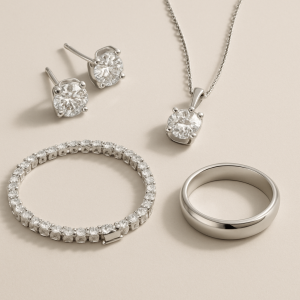
White gold is a popular choice for jewelry, offering a beautiful, elegant look that’s often more affordable than pure gold or platinum. Understanding the cost of white gold per gram is essential for anyone considering purchasing or investing in white gold. In this article, we will delve into various aspects that influence white gold rates, including market trends, purity levels, and practical tips for buying and investing in white gold. Additionally, we will explore the history of white gold, its comparison with other metals, and its role in fashion and culture.

White gold isn’t just gold that’s white. It’s an alloy, meaning it’s a mixture of pure gold with other metals. These metals could include palladium, nickel, or silver, which give white gold its distinctive color and added strength. The value of white gold is influenced by the purity of gold in the alloy, commonly measured in karats.
The History of White Gold
White gold was first introduced in the 19th century as a more affordable alternative to platinum. During World War II, platinum was reserved for military use, leading to a surge in white gold’s popularity in jewelry. This historical context highlights white gold’s practicality and desirability, which continues to this day. As a versatile metal, it has seen various design evolutions, aligning with changing fashion trends.
Composition and Alloys
The composition of white gold varies depending on the metals used in the alloy. Commonly, palladium and nickel are used to achieve the white hue, each offering different properties. Palladium tends to be more hypoallergenic and is often preferred in finer jewelry. Nickel, while durable, can cause allergic reactions in some individuals. Understanding these compositions helps consumers choose the right white gold for their needs.
What Are Karats?
Karats denote the purity of gold within the alloy. Pure gold is 24 karats, but white gold is often found in 10k, 14k, and 18k forms. Here’s how they break down:
- 10k White Gold: Contains 41.7% gold.
- 14k White Gold: Contains 58.3% gold.
- 18k White Gold: Contains 75% gold.
These variations in karat levels not only affect the color and durability of the white gold but also its pricing. The higher the karat, the more gold content, and typically, the higher the price. Understanding these differences is crucial for consumers making informed decisions.
White Gold Pricing
The price of white gold can vary widely based on several factors such as market conditions, the percentage of gold in the alloy, and additional costs like craftsmanship and brand value.
Market Trends

The market for white gold is closely tied to the overall market for gold. Economic factors, geopolitical events, and changes in currency values can influence gold prices, and by extension, white gold prices. Investors watch these trends closely to make informed decisions. For example, during times of economic uncertainty, the demand for precious metals like gold often increases, leading to a rise in prices.
Historical Price Fluctuations
Over the decades, the price of white gold has seen significant fluctuations. These changes are influenced not just by market demand but also by global events such as financial crises, wars, and technological advancements. Historical data provides valuable insights into potential future trends, helping investors and buyers make more informed decisions.
Current Prices Per Gram
As of the latest data, here are some rough estimates of white gold prices per gram based on different karat levels:
- 10k White Gold Price per Gram: Prices typically range from $25 to $35 per gram. The market label often reads as 10kt white gold price per gram.
- 14k White Gold Price per Gram: This ranges between $35 and $50 per gram. Also noted as 14 karat white gold price per gram.
- 18k White Gold Price per Gram: Expect to pay between $50 and $75 per gram, reflecting its higher gold content and value.
These prices are subject to change, influenced by daily market conditions. Staying updated with financial news and market reports can help consumers and investors track these fluctuations effectively.
Factors Influencing Prices
White gold pricing is influenced by several factors, including:
- Gold Content: Higher karat levels mean more gold content, thus a higher price.
- Market Demand: High demand can drive prices up, while low demand might decrease them.
- Craftsmanship: Intricately designed pieces often carry a premium due to the labor and skill involved.
- Brand Name: Jewelry from well-known brands often costs more due to the perceived added value.
Additionally, seasonal trends and fashion cycles can affect demand. During wedding seasons or holiday periods, the demand for jewelry increases, often leading to a temporary price hike.
Investing in White Gold
While white gold is popular in jewelry, it also holds potential as an investment. However, investing in white gold requires careful consideration and understanding of the market.
Why Consider White Gold Investment?
Investing in white gold can be a smart move for several reasons:
- Hedge Against Inflation: Like other precious metals, gold is considered a safe haven during economic downturns.
- Diversification: Adding white gold to your investment portfolio can help spread risk.
- Market Liquidity: Gold and its alloys are easily traded, providing liquidity.
These factors make white gold not just a beautiful addition to a jewelry collection but also a strategic financial asset. Understanding its role in a diversified portfolio can enhance an investor’s strategy.
Potential Risks
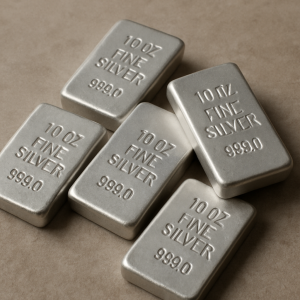
While investing in white gold offers benefits, it also comes with risks. Market volatility can lead to price fluctuations, and the physical nature of white gold requires secure storage. Additionally, the resale value can be affected by changes in fashion trends and market demand. Awareness of these risks can guide investors in making more informed decisions.
Tips for Investing

by Allison Saeng (https://unsplash.com/@allisonsaeng)
When considering white gold investment, keep these tips in mind:
- Understand Market Trends: Stay informed about the latest white gold market trends and forecasts.
- Check Purity: Always verify the karat rating of white gold before purchasing.
- Consider Storage: Ensure you have a safe storage option for physical white gold investments.
- Consult with Experts: Seek advice from financial advisors or experts in the gold market to make informed decisions.
Diversifying investments across different types of precious metals can also reduce risk. Consulting with experts can provide additional insights and strategies tailored to individual financial goals.
Buying White Gold Jewelry
When purchasing white gold jewelry, whether for personal use or as an investment, it’s important to make informed decisions.
What to Look For
- Purity Verification: Ensure the purity level (karat) is as advertised.
- Reputable Sellers: Buy from reputable jewelers to ensure quality and authenticity.
- Compare Prices: Shop around and compare prices from different sources to ensure you’re getting a fair deal.
- Consider Longevity: White gold requires maintenance to retain its luster. Be prepared for periodic re-plating if the rhodium coating wears off.
Understanding the maintenance requirements can help buyers preserve the beauty and value of their jewelry over time. Regular cleaning and professional inspections can enhance longevity.
Customization and Craftsmanship
White gold’s versatility makes it an excellent choice for custom jewelry. When opting for customization:
- Discuss with Jewelers: Work closely with jewelers to design pieces that reflect personal style.
- Understand Costs: Custom pieces may incur additional costs due to design complexity and craftsmanship.
- Consider Timeframes: Custom designs can take longer to produce, so plan purchases accordingly.
The collaborative process of designing custom jewelry can lead to unique, personalized pieces that hold sentimental value. Understanding the process and costs involved ensures a satisfying outcome.
Trends in White Gold Jewelry
White gold continues to be a favorite in fashion, often seen in contemporary designs and classic styles. Keeping an eye on current trends can inspire buyers and investors. From minimalist designs to elaborate settings, white gold adapts to various fashion movements, making it a timeless choice.
Conclusion
Understanding the cost of white gold per gram involves more than just looking at current market prices. Factors such as karat purity, market trends, and additional costs for craftsmanship all play a role in determining the price. Whether you are buying white gold jewelry or considering it as an investment, staying informed and considering expert advice will help you make the best decisions. By understanding these dynamics, you can appreciate the true value of white gold and make informed purchasing decisions. Additionally, recognizing the historical context and current trends enriches the appreciation of white gold as both a luxury and a strategic asset.
Q&A
Question: How much is white gold per gram right now?
Short answer: It depends on the karat (gold purity). The article cites rough estimates: 10k white gold at $25–$35 per gram, 14k at $35–$50 per gram, and 18k at $50–$75 per gram. These ranges move with daily gold market fluctuations and don’t include added costs for craftsmanship or brand.
Question: What exactly is white gold made of?
Short answer: White gold is an alloy—pure gold mixed with other metals to achieve a white hue and added strength. Common alloying metals include palladium, nickel, and silver. Palladium-based alloys are often more hypoallergenic and favored in finer jewelry, while nickel-based alloys are durable but can trigger allergic reactions in some people.
Question: What do 10k, 14k, and 18k mean, and which should I choose?
Short answer: Karats indicate gold purity: 10k is 41.7% gold, 14k is 58.3%, and 18k is 75%. Higher karats generally cost more and may appear richer in color, while lower karats tend to be harder and more budget-friendly. Choose 10k for durability and value, 14k for a balanced blend of price and performance, and 18k if you want higher gold content and premium feel.
Question: Is white gold a good investment?
Short answer: It can be, but with caveats. White gold benefits from gold’s role as a hedge against inflation, portfolio diversification, and market liquidity. Risks include price volatility, storage needs, and resale values influenced by fashion and demand. Smart steps include tracking market trends, verifying karat purity, planning secure storage, consulting experts, and diversifying across metals.
Question: Does white gold require maintenance?
Short answer: Yes. Many white gold pieces are rhodium-plated to enhance brightness, and that coating can wear over time. Expect periodic re-plating to maintain luster, along with routine cleaning and occasional professional inspections to keep your jewelry looking its best.