how much do golds cost
The allure of gold has captivated humankind for centuries, serving as a symbol of wealth, power, and beauty. From ancient civilizations using it as currency to modern investors using it as a hedge against economic instability, gold’s significance has remained steadfast. But when it comes to purchasing gold today, many are left wondering: how much does it really cost? The cost of gold isn’t just a fixed number; it’s influenced by a myriad of factors that can change daily. In this article, we’ll dive into the factors influencing gold prices, explore current rates, and offer some tips for potential investors. 
Gold prices have a rich history, fluctuating based on economic conditions, geopolitical events, and market demand. Historically, gold has been considered a safe-haven asset, meaning that during times of economic uncertainty, investors flock to gold, driving up its price. Conversely, when the economy is strong, gold prices may stabilize or even decrease as investors seek higher returns elsewhere. This historical perspective is crucial for understanding how current events might affect future prices.
The journey of gold prices over the decades shows significant peaks and troughs that often correlate with major global events. For instance, during the 2008 financial crisis, gold prices soared as investors sought safety. Similarly, during periods of inflation or currency devaluation, gold prices tend to increase as it serves as a hedge against the erosion of purchasing power. Understanding these historical trends can provide valuable insights for both seasoned investors and newcomers to the gold market.
Summary
Gold prices fluctuate daily, shaped by inflation, interest rates, currency strength, geopolitical events, and supply-and-demand dynamics. The spot price (recently around $1,800 per ounce) is a baseline, but actual purchase costs vary with dealer premiums, product type, and storage or insurance. Investors can pursue buy-and-hold via physical bullion or ETFs, or take on higher risk with futures and options, while noting silver’s greater volatility and different drivers. Use real-time sources like Kitco, monitor macro trends, and diversify and set clear goals to navigate the market effectively.
Gold Value Today
As of today, gold’s value is determined by a combination of factors, including supply and demand, currency strength, and global economic indicators. The price can be checked daily through financial news websites, commodity exchanges, and online platforms like Kitco, which provide gold price updates. These resources offer real-time data that is crucial for anyone involved in buying or selling gold, whether for investment or personal use.
Current Gold Rates
The current rate of gold, often referred to as the “spot price,” is the price at which gold can be bought or sold for immediate delivery. This price fluctuates throughout the day based on trading activity in global markets. As of the latest update, the gold spot price hovers around $1,800 per ounce, but it’s essential to check real-time data for the most accurate information. Investors need to be aware that while the spot price provides a baseline, actual purchase prices can vary due to factors like dealer premiums and shipping costs.
In addition to the spot price, investors should consider the influence of geopolitical tensions, currency fluctuations, and changes in interest rates, all of which can cause rapid changes in gold pricing. For those looking to invest, it’s wise to monitor these factors closely and understand how they interact. Such diligence ensures that investors are not caught off guard by sudden price shifts, allowing for more strategic buying and selling decisions.
Factors Influencing Gold Prices
Economic Indicators
Gold prices are sensitive to various economic indicators, such as inflation rates, interest rates, and currency values. For example, when inflation rises, the value of currency typically declines, leading investors to buy gold as a hedge against inflation, subsequently increasing its price. This dynamic is particularly evident in countries experiencing economic instability, where gold often becomes a preferred store of value.
Interest rates also play a pivotal role. When interest rates rise, the opportunity cost of holding gold increases since gold does not yield any interest. Conversely, when rates are low, gold becomes more attractive as an investment, which can drive up prices. Understanding these economic levers helps investors anticipate potential price movements and make informed decisions about when to buy or sell gold.
Geopolitical Events
Tensions or conflicts between countries can lead to uncertainty in global markets, causing investors to seek refuge in stable assets like gold. This demand can drive up prices significantly. Historical instances, such as the Gulf War or Brexit, have shown that gold often experiences a price surge during times of geopolitical instability.
Moreover, political decisions, such as trade tariffs or changes in government leadership, can also impact gold prices. These events can cause market volatility and uncertainty, prompting investors to turn to gold for stability. Therefore, keeping an eye on international news and understanding the potential implications of geopolitical events is crucial for anyone involved in the gold market.
Market Demand and Supply
The basic economic principle of supply and demand plays a significant role in determining gold prices. If demand outstrips supply, prices will rise, and vice versa. The supply of gold is influenced by mining output and recycling rates, while demand is driven by factors such as jewelry production, technology use, and investment needs.
Emerging markets, particularly in countries like China and India, have seen increased demand for gold, which can drive up prices globally. As these economies grow, so does their consumption of gold, affecting global supply and demand dynamics. Understanding these market forces is essential for predicting future price movements and making informed investment decisions.
Gold and Silver Prices: A Comparative Analysis
Gold often moves in tandem with silver, another precious metal. However, while both are considered safe-haven investments, they have different market dynamics. Silver prices tend to be more volatile due to its industrial applications, which can affect its supply and demand differently than gold. This volatility can present both challenges and opportunities for investors.
While gold is primarily seen as a store of value, silver’s dual role as both an investment and an industrial commodity means its price is also influenced by factors like technological advancements and manufacturing demand. This distinction is important for investors looking to diversify their portfolios with precious metals, as the factors driving silver’s price can differ significantly from those affecting gold.
Trading Gold: Strategies and Tips
Investors interested in gold trading should consider various strategies, including:
Buy and Hold
This long-term strategy involves purchasing gold with the expectation that its value will increase over time, providing a safeguard against economic downturns. This approach is favored by those who view gold as a stable asset that can preserve wealth over generations. It requires patience and a strong understanding of market cycles.
Investors adopting a buy-and-hold strategy should also consider the costs associated with storing physical gold, such as security and insurance. For those who prefer not to handle physical gold, exchange-traded funds (ETFs) that track gold prices can offer a convenient alternative. The key is to remain committed to the long-term view and not be swayed by short-term market fluctuations.
Speculative Trading
For those willing to take on more risk, speculative trading in gold futures or options can offer substantial rewards. However, it’s crucial to have a solid understanding of market trends and analysis to succeed in this approach. This strategy is not for the faint-hearted, as it involves predicting short-term price movements and capitalizing on them.
Successful speculative traders often use technical analysis and leverage to maximize returns, but this also increases potential losses. Therefore, having a clear risk management plan and staying informed about market conditions are essential to avoid significant financial setbacks. Education and experience play a crucial role in navigating the complexities of speculative trading in gold.
Scrap Gold Prices
Scrap gold refers to any gold that is no longer in its original manufactured form, such as broken jewelry or industrial by-products. The price of scrap gold is generally lower than that of gold bullion or coins, as it often requires refining before resale. Factors such as purity and weight will determine the price you’ll receive for scrap gold. This makes it an accessible entry point for those new to gold investing.
When considering selling scrap gold, it’s important to understand the current spot price and how it relates to the offer from buyers. Additionally, knowing the purity of the gold can help you negotiate better prices. It’s advisable to shop around for the best offers and understand that prices can vary significantly depending on the buyer’s policies and market conditions.
Kitco Gold and Silver Prices
Kitco is a renowned platform for tracking gold and silver prices, offering real-time updates, historical data, and market analysis. Investors often use Kitco’s resources to make informed decisions about buying or selling precious metals. The platform’s comprehensive data allows for a deeper understanding of market trends and potential investment opportunities.
Gold Bullion Prices
Gold bullion, available in bars or coins, is a popular investment choice. The price of gold bullion is closely linked to the spot price, but premiums may apply based on the product’s weight, purity, and brand reputation. These premiums are often influenced by market demand and the rarity of the item in question.
Investors interested in gold bullion should also consider the costs associated with secure storage and insurance. Reputable dealers can offer guidance on purchasing bullion, and it’s essential to verify the authenticity and quality of the product before buying. Understanding these factors can help investors make more informed decisions and potentially avoid costly mistakes.
Gold Price Analysis and Forecast
Gold price analysis involves examining past trends and current market conditions to predict future price movements. Analysts consider factors like geopolitical tensions, economic data releases, and central bank policies to make these predictions. This analysis is crucial for investors looking to time their entry and exit points in the gold market.
Gold Market Trends
Recent trends indicate that gold prices have been relatively stable, with occasional spikes due to geopolitical uncertainties or economic announcements. Monitoring these trends can help investors make informed decisions about entering or exiting the market. By staying informed, investors can better navigate the complexities of the gold market and capitalize on opportunities as they arise.
Additionally, understanding seasonal patterns and historical price movements can provide valuable insights for predicting future trends. For example, gold prices often experience increased activity during certain times of the year due to cultural and economic factors. Being aware of these patterns can help investors strategize and make more informed decisions.
Gold Coin Prices
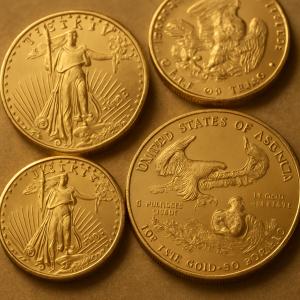
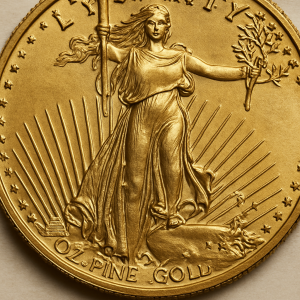
Gold coins, such as the American Gold Eagle or the Canadian Maple Leaf, are valued for their gold content and collectible appeal. Their prices depend on factors like gold weight, purity, and demand among collectors. These coins often carry a premium over the spot price due to their numismatic value and limited mintage.
Gold Dollar Coin Prices
Gold dollar coins, primarily produced in the 19th century, are valued based on their rarity, condition, and historical significance. Prices can vary widely, with some coins fetching thousands of dollars at auction. Collectors and investors alike should understand the unique characteristics that contribute to a coin’s value.
When investing in gold coins, it’s essential to research the market and understand the factors that can affect their value. This includes knowledge of grading systems and historical context. Working with reputable dealers and utilizing professional grading services can help ensure that investors make sound decisions and avoid potential pitfalls in the coin market.
Gold Investment Tips
For those considering investing in gold, here are a few tips to keep in mind:
Diversify Your Portfolio
While gold can be a valuable addition to an investment portfolio, it’s essential not to put all your eggs in one basket. Diversifying across different asset classes can help mitigate risks. A well-balanced portfolio can protect against market volatility and provide opportunities for growth in various economic conditions.
Investors should consider their financial goals and risk tolerance when deciding how much of their portfolio to allocate to gold. By combining gold with other investments, such as stocks, bonds, and real estate, individuals can create a more resilient financial strategy. Regularly reviewing and adjusting the portfolio can also help maintain the desired level of diversification.
Stay Informed
Keeping up with gold price updates, market trends, and economic indicators can help you make more informed investment decisions. Staying informed about global events and market dynamics is crucial for anticipating potential price movements and making strategic choices.
Utilizing resources such as financial news websites, investment forums, and expert analyses can provide valuable insights into the gold market. Engaging with a community of like-minded investors can also offer support and knowledge-sharing opportunities. By staying informed, investors can navigate the complexities of the gold market with greater confidence.
Set Clear Goals
Before investing in gold, determine your financial objectives and risk tolerance. This will guide your investment strategy and help you stay focused. Clearly defined goals can provide a roadmap for your investment journey and help you measure success over time.
Consider factors such as your investment timeline, desired returns, and potential risks when setting your goals. Regularly reviewing your progress and adjusting your strategy as needed can ensure that you remain on track to achieving your financial objectives. By setting clear goals, investors can make more deliberate and informed decisions in the gold market.
Conclusion
Gold remains a compelling investment for those seeking stability and protection against economic uncertainty. By understanding the factors influencing gold prices and employing strategic investment approaches, you can make informed decisions in the gold market. Keep an eye on current rates, market trends, and expert analyses to maximize your investment potential. Whether you’re a seasoned investor or new to the world of precious metals, gold offers opportunities for growth and security in an ever-changing financial landscape.
Frequently Asked Questions
Question: How much does gold cost right now, and where can I check it? Short answer: The article notes the spot price has recently hovered around $1,800 per ounce, but gold prices change throughout the day. For the most accurate, real-time price, check trusted sources like financial news sites, commodity exchanges, or platforms such as Kitco, which provide up-to-the-minute quotes and historical charts.
Question: Why might I pay more than the spot price when buying gold? Short answer: The spot price is a baseline for immediate delivery, but your final cost includes dealer premiums and other add-ons. Premiums vary by product type (coins vs. bars), brand reputation, weight, and market demand. You may also incur shipping, storage, and insurance costs—especially for physical bullion—so the out-the-door price is typically above spot.
Question: What factors most influence gold prices day to day? Short answer: Key drivers include inflation, interest rates, currency strength, geopolitical events, and basic supply-demand dynamics. Gold often rises during uncertainty as a safe-haven asset. Higher interest rates can pressure prices (gold doesn’t yield interest), while inflation, currency weakness, or geopolitical tensions can boost demand and push prices up.
Question: What are my main ways to invest in gold, and what are the trade-offs? Short answer:
- Physical bullion (coins/bars): Tangible, good for buy-and-hold; consider premiums, storage, and insurance.
- ETFs that track gold: Convenient, liquid, and storage-free; you don’t directly hold the metal.
- Futures and options: Offer leverage and speculative opportunities; higher complexity and risk, requiring strong market knowledge and risk management.
Question: How are scrap gold prices determined, and how can I get a fair offer? Short answer: Scrap gold is priced mainly by purity and weight, and typically below bullion because it must be refined. To get a fair price, know the current spot price, verify your item’s karat/purity, and compare offers from multiple buyers—policies and payouts can vary widely with market conditions.