How do you buy gold coins
Investing in gold coins can be an intriguing prospect for those looking to diversify their portfolios or hedge against economic instability. This precious metal has long been viewed as a store of value and a safe haven during turbulent times. However, the process of purchasing gold coins can seem daunting to newcomers due to the array of options and considerations involved. This guide seeks to demystify the process, offering insights into the key considerations and steps involved in buying gold coins. Whether you are a novice investor or a seasoned collector, understanding the nuances of buying gold coins can empower you to make informed decisions and optimize your investment strategy. 
Gold coins are minted by governments and private entities, and they come in various weights, purities, and designs. These coins serve different purposes, from investment to collection, and understanding these distinctions is crucial. The value of a gold coin is determined by its gold content, rarity, condition, and demand in the market. Two primary categories of gold coins are bullion coins and numismatic coins. Understanding these categories will help you choose the coins that best align with your investment goals.
Bullion Coins
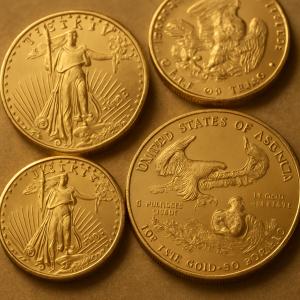
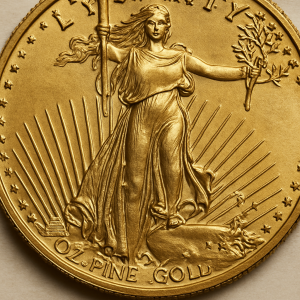
Bullion coins are valued primarily for their gold content and are often used as a means of investment. These coins are an excellent choice for those who want to invest in physical gold due to their high liquidity and ease of trade. Popular bullion coins include the American Gold Eagle, Canadian Gold Maple Leaf, and South African Krugerrand. They are typically struck from pure gold or a gold alloy and come in standard weights such as 1 ounce, 1/2 ounce, 1/4 ounce, and 1/10 ounce. Bullion coins are generally sold at a small premium over the spot price of gold, making them a cost-effective way to invest in the metal.
Bullion coins are produced in large quantities and are widely recognized and trusted by investors and dealers worldwide. Their design often features iconic symbols and national emblems, adding a layer of cultural significance to their monetary value. The price of bullion coins is closely tied to the current market price of gold, making them a straightforward way to invest in gold. Additionally, these coins are typically easy to sell or trade, offering investors a flexible exit strategy.
Numismatic Coins
Numismatic coins are valued not only for their gold content but also for their rarity, historical significance, and condition. These coins are often sought after by collectors and can command higher prices than bullion coins. Examples include rare vintage coins or limited edition mintings. Collectors value numismatic coins for their beauty, historical context, and the story they tell, which can make them a rewarding addition to a collection or investment portfolio.
The numismatic value of a coin can vary significantly based on factors such as its age, mint mark, and the number of coins produced. Numismatic coins are often graded by professional services, which assess their condition and assign a grade that can impact their market value. Collecting numismatic coins requires a deeper understanding of the coin market and historical context, but it can offer substantial rewards both financially and intellectually.
In addition to their investment potential, numismatic coins offer a tangible connection to history, making them appealing to those who appreciate the artistry and craftsmanship of coinage. Numismatic coins can also serve as a hedge against inflation, similar to bullion coins, but with the added potential for appreciation due to their rarity and collectibility.
Where to Buy Gold Coins

There are several avenues through which one can purchase gold coins. Each option has its advantages and drawbacks, and the choice often depends on personal preferences, knowledge, and investment goals. Understanding where to buy gold coins can help you make informed decisions and ensure a safe and successful transaction.
Authorized Dealers
Authorized dealers are often the safest and most reliable option for purchasing gold coins. These dealers are certified by government mints and offer a wide selection of coins. They provide authentication and certification, ensuring the coins’ legitimacy. However, this assurance often comes with a premium price. Authorized dealers can offer expert guidance and advice, helping you make informed decisions about your purchase.
When buying from authorized dealers, you benefit from a high level of trust and transparency. These dealers adhere to strict standards and regulations, providing you with peace of mind about the authenticity and quality of your purchase. Additionally, authorized dealers often offer buy-back programs, allowing you to sell your coins back at competitive rates, which can be advantageous if you decide to liquidate your investment.
Authorized dealers typically have physical locations where you can view and inspect coins before purchasing. This allows you to verify the quality and condition of the coins firsthand, reducing the risk of buying counterfeit or subpar products. Furthermore, these dealers often provide detailed information about each coin’s history and provenance, enhancing your understanding and appreciation of your investment.
Online Retailers
Online platforms offer convenience and competitive pricing. The digital marketplace provides access to a wide variety of coins from around the world, allowing you to compare prices and selections easily. However, they require careful scrutiny to avoid scams. It is crucial to research the retailer’s reputation, read reviews, and confirm their credentials before making a purchase.
Purchasing gold coins online offers the benefit of anonymity and privacy, as transactions can be conducted from the comfort of your home. Many online retailers provide detailed product descriptions, high-resolution images, and customer reviews, aiding you in making an informed decision. Some platforms also offer secure payment options and buyer protection policies, which can mitigate risks associated with online transactions.
Despite the advantages, buying gold coins online requires vigilance to avoid fraudulent sellers. Look for retailers with established reputations, clear return policies, and transparent pricing. It’s also advisable to use secure payment methods and ensure that the website uses encryption to protect your personal information. By taking these precautions, you can enjoy the benefits of online shopping while minimizing potential risks.
Auctions
Auctions can be an exciting way to acquire rare numismatic coins. These events offer the opportunity to purchase unique and historical coins that may not be available through other channels. However, they require a significant amount of knowledge and expertise to avoid overpaying. Auction houses often charge buyer’s premiums, which can increase the overall cost.
Participating in auctions can be thrilling, as bidding wars can drive prices up, reflecting the true market value of rare coins. To succeed at auctions, it’s essential to research the coins you’re interested in and set a budget to avoid overspending. Understanding the grading and rarity of coins can help you make informed bids and prevent costly mistakes.
Auctions can be held in person or online, offering flexibility to bidders worldwide. Online auctions provide the convenience of participating from home, but they also require careful attention to terms and conditions, as well as shipping and handling costs. Whether attending in person or online, it’s crucial to familiarize yourself with the auction process and work with reputable auction houses to ensure a secure and satisfying experience.
Private Sellers
Purchasing from private sellers can sometimes yield lower prices, but it carries the risk of counterfeit coins or misrepresented goods. Private transactions can be less formal and may offer opportunities for negotiation, but they also lack the guarantees and protections provided by authorized dealers and reputable retailers. It is advisable to have the coins appraised by a professional before completing the transaction.
When buying from private sellers, it’s important to exercise due diligence. Verify the seller’s credentials, request references, and insist on seeing proof of authenticity and condition. Meeting in a safe, neutral location or using a secure online platform with buyer protection can help mitigate risks associated with private sales.
Engaging a professional appraiser to evaluate the coins’ authenticity and value can provide additional assurance. Appraisers can help identify any potential issues and ensure that you are paying a fair price for the coins. By taking these precautions, you can enjoy the potential savings of buying from private sellers while minimizing the associated risks.
Factors to Consider When Buying Gold Coins
Purchasing gold coins involves more than simply selecting a coin and paying the price. Several factors should be considered to ensure a sound investment. Understanding these factors will help you make informed decisions and maximize the potential of your gold coin investments.
Purity and Weight
Gold coins are typically available in purities ranging from 22 karats (91.67% gold) to 24 karats (99.99% gold). The purity of a coin can affect its value and appeal to different types of investors. The weight of the coin also plays a critical role in its value. Ensure that you are purchasing coins with the desired purity and weight that align with your investment strategy.
The purity of a gold coin determines its gold content and can impact its market value. Higher purity coins, such as those with 24 karats, are often more desirable for investment purposes due to their higher gold content. However, lower purity coins may offer benefits such as increased durability and resistance to wear, which can be appealing for long-term storage or handling.
Consider the weight of the coins in your investment strategy. Heavier coins, such as 1-ounce coins, may offer better value per ounce of gold, while smaller denominations, such as 1/10-ounce coins, provide flexibility and ease of trade. By selecting the right combination of purity and weight, you can tailor your gold coin investment to meet your specific financial goals and preferences.
Market Value and Premiums
Gold coins are usually sold at a premium over the spot price of gold. This premium covers manufacturing, distribution, and dealer markup. It is essential to compare premiums across different sellers to secure the best deal. Understanding the factors that contribute to premiums can help you make informed purchasing decisions.
The premium on a gold coin can vary based on several factors, including the coin’s rarity, demand, and market conditions. Coins with higher demand or limited supply may carry higher premiums, reflecting their desirability among investors and collectors. By comparing premiums from different sellers, you can identify opportunities to acquire coins at competitive prices.
In addition to premiums, consider the overall market value of gold coins. Monitor the spot price of gold and understand the economic and geopolitical factors that influence gold prices. By staying informed about market trends, you can make strategic decisions about when to buy or sell gold coins, optimizing your investment returns.
Authenticity and Certification

by Traxer (https://unsplash.com/@traxer)
Authenticity is paramount when buying gold coins. The assurance that a coin is genuine and of the stated purity and weight is crucial for both investment and collection purposes. Look for coins that come with a certificate of authenticity or are graded by reputable grading services such as the Professional Coin Grading Service (PCGS) or the Numismatic Guaranty Corporation (NGC).
Certificates of authenticity provide verification of a coin’s origin, specifications, and legitimacy. Grading services assess the condition and quality of a coin, assigning a grade that can impact its market value. These certifications offer peace of mind and can enhance the resale value of your coins.
When purchasing gold coins, prioritize authenticity and certification to avoid counterfeit products and misrepresented goods. Work with reputable dealers and sellers who provide detailed documentation and verification for their coins. By ensuring the authenticity of your gold coins, you can protect your investment and enjoy greater confidence in your purchases.
Storage and Security
Once you have purchased your gold coins, consider how you will store them. Proper storage and security are essential to protect your investment from theft, damage, and environmental factors. Options include a home safe, a bank safety deposit box, or a professional vault service. Each option has associated costs and security levels.
Storing gold coins in a home safe provides convenience and immediate access to your assets. Choose a high-quality safe with robust security features to safeguard your coins. However, home storage may expose your coins to risks such as theft or natural disasters, so consider additional security measures such as insurance.
Bank safety deposit boxes offer a secure and climate-controlled environment for your gold coins. These boxes provide added protection against theft and damage, but they may have limited access and incur rental fees. A professional vault service offers the highest level of security, with advanced protection measures and insurance coverage. By weighing the pros and cons of each storage option, you can select the best method to secure your gold coin investment.
Understanding Gold Coin Prices
Gold coin prices are influenced by several factors, including the current spot price of gold, demand and supply dynamics, geopolitical events, and economic conditions. Monitoring these factors can help you make informed buying decisions and maximize the value of your investment. Understanding the complexities of gold coin pricing can enhance your ability to navigate the market effectively.
Spot Price of Gold
The spot price of gold is the current market price at which gold can be bought or sold. This price is a critical determinant of gold coin prices and fluctuates based on market conditions. Understanding the spot price of gold and how it affects coin prices can help you make strategic purchasing decisions.
The spot price of gold is influenced by factors such as interest rates, currency fluctuations, and global economic stability. By staying informed about these factors and their impact on gold prices, you can anticipate market trends and adjust your investment strategy accordingly. Monitoring the spot price of gold can also help you identify buying opportunities and optimize your investment returns.
In addition to the spot price, consider the impact of premiums and market sentiment on gold coin prices. Understanding the relationship between these factors can help you assess the true value of gold coins and make informed decisions about when to buy or sell.
Economic Indicators
Gold prices are often inversely related to economic indicators such as interest rates and inflation. In times of economic uncertainty, investors tend to flock to gold as a safe haven, driving up prices. Understanding the relationship between gold prices and economic indicators can help you predict market trends and make informed investment decisions.
Interest rates can impact the opportunity cost of holding gold, influencing investor demand and gold prices. Inflation can erode the purchasing power of fiat currencies, leading investors to seek the stability of gold. By monitoring economic indicators and their impact on gold prices, you can make strategic decisions about when to buy or sell gold coins.
Geopolitical events and market sentiment can also influence gold prices, as investors react to global developments and uncertainties. Understanding these dynamics can enhance your ability to anticipate market movements and optimize your gold coin investment strategy.
Collectibility and Rarity
Numismatic coins may have prices that are less sensitive to the spot price of gold and more influenced by their rarity and collectibility. Historical significance and demand among collectors can significantly impact prices. Understanding the factors that contribute to a coin’s collectibility can help you assess its market value and potential for appreciation.
The rarity of a coin can be determined by factors such as its mintage, age, and condition. Coins with limited production or unique historical context may command higher prices due to their scarcity and appeal to collectors. By understanding the nuances of rarity and collectibility, you can make informed decisions about which numismatic coins to acquire.
Collectibility can also be influenced by trends and preferences within the numismatic community. By staying informed about market trends and collector demand, you can identify opportunities to acquire valuable numismatic coins and enhance the diversity and value of your investment portfolio.
Conclusion
Purchasing gold coins can be a rewarding endeavor, offering both financial benefits and the joy of collecting. By understanding the types of gold coins, where to buy them, and the factors influencing their prices, you can navigate the gold coin market with confidence. Always conduct thorough research, seek expert advice, and make informed decisions to maximize the potential of your gold coin investments.
In the world of precious metals, gold coins hold a unique allure, blending investment potential with historical and aesthetic value. Whether you are safeguarding your wealth or indulging in a passion for numismatics, gold coins are a timeless addition to any portfolio or collection. By approaching the gold coin market with knowledge and care, you can enjoy the benefits of this versatile and enduring asset class.
Q&A
Question: What’s the difference between bullion and numismatic gold coins, and which should I choose?
Short answer: Bullion coins are primarily valued for their gold content and closely track the spot price of gold, making them a straightforward, liquid choice for investors. Numismatic coins derive value from rarity, condition, and historical significance, and can command higher prices but require more expertise. If your goal is simple exposure to gold with easy resale, choose bullion. If you enjoy collecting and researching history—and can evaluate rarity and grading—numismatic coins may offer additional upside and satisfaction.
Question: Where is the safest place to buy gold coins?
Short answer: Authorized dealers are typically the safest because they’re certified by government mints, provide authentication, and often offer buy-back programs, though you’ll usually pay a higher premium. Reputable online retailers can be convenient and competitively priced, but you must vet their reputation, reviews, credentials, return policies, and site security. Auctions are best for rare numismatic pieces but come with buyer’s premiums and require solid knowledge to avoid overpaying. Private sellers may offer lower prices but carry higher risks—use professional appraisal and secure, protected transaction methods.
Question: What determines the price I pay for a gold coin?
Short answer: Your price is the spot price of gold plus a premium that covers manufacturing, distribution, and dealer markup. Premiums vary by coin type, demand, and market conditions—widely traded bullion coins usually have lower, more transparent premiums; rare numismatic coins can carry much higher ones due to collectibility. Broader factors like interest rates, currency moves, and geopolitical events influence the spot price, while rarity and grading drive numismatic values. Comparing premiums across sellers and monitoring the spot price can help you time purchases and find better deals.
Question: How can I verify a gold coin’s authenticity and condition?
Short answer: Prioritize coins that come with certificates of authenticity and, for numismatics, third-party grading from reputable services such as PCGS or NGC. These verify the coin’s origin, specifications, and condition, which directly impact value. When dealing with private sellers or unfamiliar sources, request documentation, verify credentials, and consider using a professional appraiser before completing the purchase to reduce the risk of counterfeits or misrepresented items.
Question: What’s the best way to store gold coins safely?
Short answer: Choose a storage option that matches your access needs and risk tolerance. A high-quality home safe offers convenience but may require added security measures and insurance. Bank safety deposit boxes provide strong protection and climate control for a rental fee but limit access. Professional vault services deliver the highest security and often include insurance options. Weigh costs, access, and protection levels to select the method that best safeguards your investment.