Hong Kong Gold Price and Market
The dynamic and ever-evolving gold market in Hong Kong plays a pivotal role in the global gold trade. Renowned for its vibrant economy and strategic location, Hong Kong acts as a vital nexus for gold trading across Asia. Understanding the intricacies of gold prices and the myriad factors influencing them is crucial for investors, traders, and anyone interested in precious metals. This article offers a comprehensive exploration of the gold market in Hong Kong, delving into current gold prices, market trends, and future prospects.
Summary
Hong Kong is a key Asian hub for gold trading, with prices driven by global and local forces, including economic indicators, geopolitics, currency movements (HKD-USD), interest rates, inflation, and shifts in supply and demand. A mature ecosystem—anchored by the CGSE, major banks, and active private traders—supports high liquidity, transparent regulation, and access to both physical and paper gold. Investors can choose among physical bullion, ETFs/funds, and futures/options, balancing accessibility with risks such as volatility, storage and insurance needs, and currency exposure. Ongoing digitalization, sustainability priorities, closer Mainland China integration, and technologies like blockchain and AI are set to shape future market efficiency and growth.
Key Drivers of Gold Prices
The price of gold in Hong Kong is subject to daily fluctuations, driven by a complex interplay of global and local factors. These include international market trends, economic indicators, and geopolitical events. The influence of such factors means that the gold price is never static, requiring investors to stay informed and vigilant.
- Hong Kong’s local economy significantly impacts the gold price. Economic stability, consumer confidence, and local market demand can either bolster or suppress the price of gold. For instance, during times of economic prosperity, increased consumer spending can lead to higher demand for gold jewelry, thereby affecting prices.
- Advancements in technology have revolutionized the way gold prices are monitored and analyzed in Hong Kong. Real-time data analytics and digital platforms provide investors with instant access to price movements, enabling more informed decision-making. This technological integration has enhanced transparency and efficiency in the market.
- Gold is often seen as a safe haven during periods of economic instability or uncertainty. Global economic conditions, such as recession fears or financial crises, can lead to increased investment in gold, driving prices upward. Conversely, a strong global economy may reduce reliance on gold as a protective asset.
- The relationship between the Hong Kong dollar (HKD) and the US dollar (USD) plays a crucial role in determining gold prices. A weaker HKD generally results in higher gold prices, as it makes gold more attractive to foreign investors. Conversely, a stronger HKD can lead to lower gold prices.
- The balance of supply and demand is a fundamental driver of gold prices. Factors such as mining output, central bank reserves, and consumer demand for gold jewelry and technology influence this balance. An increase in supply or decrease in demand can lead to lower prices, while the opposite can push prices higher.
- Interest rates and inflation are interconnected factors that can affect gold prices. Lower interest rates make gold a more attractive investment compared to interest-bearing securities, potentially driving prices up. Inflation concerns can also lead to increased gold buying as a hedge against currency devaluation.
Hong Kong as a Gold Trading Hub
- Hong Kong’s historical significance as a gold trading hub dates back to its colonial days. The city’s free-market economy, minimal trade restrictions, and strategic geographic location have long made it an ideal spot for gold trading, contributing to its reputation as a global leader in the market.
- The infrastructure supporting gold trading in Hong Kong is robust, characterized by advanced trading facilities and transparent regulatory frameworks. This infrastructure attracts a diverse range of participants, from international banks to local traders, ensuring a vibrant and competitive market environment.
- Hong Kong’s strategic geographic position serves as a gateway between East and West, facilitating trade and investment flows. Its proximity to Mainland China, a major consumer and producer of gold, further enhances its status as a key player in the global gold market.
Key Market Participants
- Established in 1910, the CGSE is the cornerstone of Hong Kong’s gold trading ecosystem. It provides a platform for trading gold and other precious metals, ensuring market stability and transparency. The society’s long-standing history and reputation make it a central figure in the market.
- Major banks such as HSBC and Standard Chartered have a significant presence in the Hong Kong gold market. These institutions offer a range of gold-related investment products, from gold savings accounts to trading services, playing a crucial role in facilitating gold transactions.
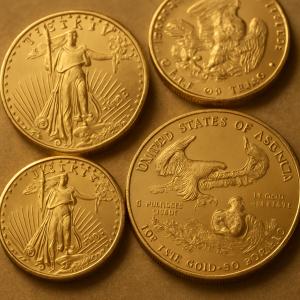
- Private traders and jewelry companies are essential contributors to Hong Kong’s bustling gold market. They engage in both the buying and selling of physical gold, including bars, coins, and jewelry, adding vibrancy and diversity to the market landscape.
Market Structure and Regulation
- Gold trading in Hong Kong encompasses both physical and paper gold. Physical gold includes tangible assets such as bars, coins, and jewelry, requiring secure storage. Paper gold, on the other hand, involves financial products like futures and options, offering liquidity and ease of trading without the need for physical possession.
- The Hong Kong gold market is known for its high level of liquidity and efficiency. This ensures that trades are executed swiftly and at fair market prices. The presence of numerous market participants contributes to a competitive and transparent trading environment.
- A robust regulatory framework underpins the gold trading market in Hong Kong. Regulations ensure market integrity, protect investors, and promote fair trading practices. Compliance with these regulations is essential for maintaining the market’s reputation and attracting global investors.
Investment Options
- Investing in physical gold, such as bars and coins, offers the advantage of owning a tangible asset. However, it requires secure storage solutions and involves additional insurance costs. Investors often choose this method for its perceived safety and stability.
- Gold ETFs and mutual funds provide an alternative for investors looking to gain exposure to gold prices without owning physical gold. These financial products offer liquidity and ease of trading, making them accessible to a broader range of investors.
- For speculative investors, gold futures and options present an opportunity to profit from price movements. These instruments allow for leverage, enabling investors to amplify potential gains, but they also carry higher risks and require a deep understanding of market dynamics.
Key Risks
- Gold prices are subject to volatility, influenced by global economic conditions and geopolitical events. Investors must be prepared for price fluctuations and the potential for significant gains or losses.
- Holding physical gold necessitates secure storage and may incur additional insurance costs. Investors must consider these logistical aspects when opting for physical gold investments.
- Currency risk can impact the value of gold investments, especially for international investors. Fluctuations in exchange rates may affect returns, necessitating strategies for hedging against currency risk.
Trends and Future Outlook
- The emergence of digital trading platforms is transforming the gold market in Hong Kong. These platforms offer investors increased accessibility, enabling them to buy and sell gold online with ease, thus broadening market participation.
- As environmental and ethical concerns gain prominence, there is a growing push towards sustainable and ethical gold sourcing. This trend is influencing market practices, with consumers and investors increasingly prioritizing environmentally responsible options.
- Closer economic integration with Mainland China presents new opportunities for the Hong Kong gold market. This integration may lead to expanded trade and investment, further solidifying Hong Kong’s position as a leading gold trading hub.
- Technological advancements, such as blockchain and artificial intelligence, are poised to revolutionize the gold market in Hong Kong. These technologies can enhance transparency, streamline trading processes, and improve security, paving the way for a more efficient market.
- The global economic landscape will continue to shape the future of the gold market in Hong Kong. Economic growth, trade policies, and geopolitical developments will all play a role in determining market trends and influencing investor behavior.
Conclusion
The Hong Kong gold market is an integral component of the global economy, offering diverse opportunities for investors, traders, and businesses. A deep understanding of the factors influencing gold prices, market dynamics, and available investment options is crucial for making informed decisions. As the market evolves, staying abreast of trends and developments will be essential for success in the dynamic world of gold trading in Hong Kong.
Q&A
Question: What are the main factors that drive gold prices in Hong Kong?
Short answer: Gold prices in Hong Kong move with a blend of global and local forces. Key drivers include international market trends, economic indicators, and geopolitics; the HKD-USD relationship; interest rates and inflation; and the supply–demand balance across mining output, central bank activity, and jewelry/tech demand. Local conditions—such as economic stability, consumer confidence, and retail jewelry demand—also influence pricing, while safe-haven buying rises during global stress.
Question: How does the HKD-USD relationship affect gold prices?
Short answer: Currency movements matter because gold is globally priced in USD. A weaker HKD tends to lift local gold prices and can draw foreign interest, while a stronger HKD can dampen prices in Hong Kong terms. For investors, this means currency exposure can affect returns even when the global USD gold price is unchanged.
Question: What are the main ways to invest in gold in Hong Kong, and what are the trade-offs?
Short answer: Investors typically choose among physical bullion (bars/coins/jewelry), ETFs and funds, or futures/options. Physical gold offers tangible ownership but requires secure storage and insurance. ETFs/funds provide convenient, liquid exposure without handling metal. Futures and options allow leveraged, speculative positioning but carry higher risk and demand deeper market knowledge; across all approaches, investors should account for volatility and currency risk.
Question: Who are the key participants in Hong Kong’s gold market, and what roles do they play?
Short answer: The ecosystem is anchored by the Chinese Gold and Silver Exchange Society (CGSE), established in 1910, which provides a trading platform and promotes stability and transparency. Major banks like HSBC and Standard Chartered offer savings, trading, and investment products linked to gold. Private traders and jewelry companies supply and trade physical metal, all operating within a liquid, efficiently regulated market infrastructure.
Question: What trends are shaping the future of Hong Kong’s gold market?
Short answer: Digital trading platforms are broadening access and improving real-time analytics, while blockchain and AI promise greater transparency, security, and operational efficiency. Sustainability and ethical sourcing are gaining prominence with investors and consumers. Closer integration with Mainland China is expected to expand trade and investment flows, and global economic conditions will continue to set the broader tone for demand and pricing.