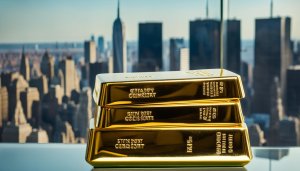
gold one kg
Gold has always been a symbol of wealth and prosperity. The allure of this precious metal is timeless, and its value has remained significant over the centuries. For investors and enthusiasts, understanding the price of one kilogram of gold is crucial, especially when considering investments or simply staying informed about market trends.we will explore the factors influencing the one kg gold price, current market trends, and tips for investing in gold. 
Summary This article explains the main drivers of the one-kilogram gold price—supply and demand, global economic conditions (inflation, interest rates, currency moves), geopolitical events, and central bank policies. It reviews current dynamics in India and the USA, recent market volatility, and practical investing approaches (diversification, bullion vs ETFs, and monitoring key indicators). The outlook highlights how economic recovery paths, geopolitical risks, technological shifts, and monetary policy may shape future prices, helping readers make informed decisions.
Several factors influence the price of one kilogram of gold. These factors include:
Supply and Demand
The basic economic principle of supply and demand plays a significant role in determining the price of gold. When demand for gold increases or supply decreases, prices tend to rise. Conversely, when demand falls or supply increases, prices tend to decline.
Supply constraints can arise due to mining challenges or geopolitical issues affecting major gold-producing countries. On the demand side, cultural and industrial uses of gold significantly impact its price. Jewelry demand, especially during festive seasons and wedding seasons in countries like India, can drive up prices due to increased demand.
Investor sentiment also impacts demand. During times of economic uncertainty, gold is often seen as a safe-haven asset, leading to increased buying and higher prices. Understanding these nuances is crucial for those looking to invest in gold or simply track its market dynamics.
Global Economic Conditions
Gold is often seen as a safe-haven investment during economic uncertainty. When the global economy faces turbulence, investors flock to gold, driving up its price. Economic indicators such as inflation rates, currency fluctuations, and interest rates also affect gold prices.
Inflation is particularly influential as gold is traditionally viewed as a hedge against inflation. When inflation rates rise, the purchasing power of currencies declines, prompting investors to move towards gold. Currency fluctuations, especially of the US dollar, also impact gold prices as they are often inversely related.
Interest rates play a pivotal role as well. When interest rates are low, the opportunity cost of holding gold decreases, making it a more attractive investment. Conversely, high-interest rates may lead investors to seek returns in interest-bearing assets, reducing the allure of gold.
Geopolitical Events
Political instability or conflicts can lead to increased demand for gold as investors seek security in volatile times. Geopolitical events can cause fluctuations in gold prices, making them unpredictable.
These events range from wars and conflicts to trade tensions and diplomatic standoffs. When geopolitical tensions rise, the uncertainty pushes investors to seek the safety of gold, often resulting in a spike in prices.
Additionally, government policies related to trade and tariffs can indirectly affect gold prices. For example, trade wars can lead to economic uncertainty, pushing more investors towards gold as a hedge, thereby impacting its price.
Central Bank Policies
Central banks hold significant amounts of gold reserves. Their buying or selling activities can influence gold prices. Additionally, their monetary policies, such as changes in interest rates, can affect investor behavior and gold demand.
When central banks decide to increase their gold reserves, it indicates confidence in gold’s stability, often leading to a rise in prices. Conversely, selling gold reserves might lead to a temporary price decline.
Monetary policy decisions, particularly interest rate adjustments, can also sway gold prices. Lower interest rates often increase gold’s attractiveness as an investment, while higher rates might steer investors towards other asset classes with better returns.
Current One Kg Gold Price Analysis

As of now, the price of one kilogram of gold varies depending on the market. Let’s take a look at some key markets:
One Kg Gold Price in India
India is one of the largest consumers of gold globally. The price of one kilogram of gold in India is influenced by the Indian rupee’s exchange rate against the US dollar and domestic demand. Cultural factors, such as festivals and weddings, also play a role in driving demand and affecting prices.
The exchange rate is crucial because gold is internationally traded in US dollars. A weaker rupee makes gold more expensive for Indian buyers, while a stronger rupee makes it cheaper. Festivals such as Diwali and Akshaya Tritiya see a traditional surge in gold purchases, often causing temporary price spikes.
Furthermore, the Indian government’s policies, such as import duties on gold, can also affect domestic gold prices. Any changes in these policies can lead to fluctuations in gold prices in the Indian market.
One Kg Gold Price in the USA
In the USA, the price of one kg of gold is primarily influenced by the US dollar’s strength and the country’s economic conditions. Gold prices are often quoted in US dollars, making the currency’s value a crucial factor.
The strength of the US dollar is inversely related to gold prices. When the dollar is strong, gold becomes more expensive in other currencies, leading to a potential drop in demand and price. Conversely, a weaker dollar can make gold more affordable internationally, potentially increasing demand.
Economic indicators such as GDP growth, employment rates, and consumer confidence can also influence gold prices. During times of economic strength, investors might prefer equities, reducing gold demand. Conversely, during economic downturns, gold might see increased interest as a safe asset.
Current Gold Price and Market Trends
Gold prices have seen fluctuations in recent times due to various factors, including the COVID-19 pandemic, economic recovery efforts, and geopolitical tensions. It’s essential to stay updated with gold trading news and gold price forecasts to make informed investment decisions.
The pandemic led to unprecedented economic disruptions, affecting investor behavior and gold prices. As economies began to recover, gold prices experienced volatility, influenced by recovery speeds and stimulus measures.
Geopolitical tensions, such as those between major economies, have also contributed to gold price volatility. Investors often turn to gold when geopolitical risks rise, pushing prices up. Keeping abreast of such developments can provide insights into potential future trends in gold prices.
Investing in Gold: Tips and Strategies
Investing in gold can be a wise decision if done correctly. Here are some tips and strategies for investing in gold:
Diversify Your Portfolio
Diversification is a key principle in investing. Including gold in your investment portfolio can help reduce risk, as its value often moves inversely to other asset classes like stocks and bonds.
A diversified portfolio can mitigate losses during market downturns. Gold’s historical performance shows that it tends to hold value or even appreciate during economic crises, providing a buffer against losses in other investments.
Allocating a portion of your portfolio to gold can enhance overall stability. The exact percentage depends on individual risk tolerance and investment goals, but a balanced approach can offer protection while allowing for growth in other areas.
Stay Informed
Keeping up with gold price analysis and market trends is crucial for making informed investment decisions. Stay updated with gold rate updates and follow financial news to understand market dynamics.
Regularly reviewing reputable financial sources and market reports can provide insights into potential price movements. Understanding the factors driving these movements can help investors anticipate changes and adjust their strategies accordingly.
Engaging with financial experts and participating in investment forums can also offer valuable perspectives. Sharing insights with other investors can lead to a more comprehensive understanding of the gold market’s dynamics.
Consider Gold Bullion
Physical gold, such as gold bullion, is a tangible asset that can be stored and valued independently of the financial system. One kg gold bars are a popular choice for investors seeking to own physical gold.
Owning physical gold provides a sense of security, as it is a tangible asset that can be held outside the financial system. This can be particularly appealing during times of financial instability or market volatility.
Investors should consider secure storage options for their bullion, whether through safety deposit boxes or home safes. Insurance is also a consideration to protect against theft or loss. Understanding these logistical aspects is crucial for bullion investors.
Evaluate Gold ETFs
Gold Exchange-Traded Funds (ETFs) are a convenient way to invest in gold without owning physical metal. They offer liquidity and can be bought and sold like stocks on the stock exchange.
ETFs provide exposure to gold price movements without the need for physical storage. They can be an attractive option for investors who prefer a more flexible and liquid investment vehicle.
It’s essential to understand the specific ETF’s structure, including management fees and how closely it tracks the actual gold price. Some ETFs might invest in futures contracts rather than physical gold, which can affect performance in certain market conditions.
Monitor Economic Indicators
Keep an eye on economic indicators such as inflation rates, interest rates, and currency movements. These factors can provide insights into potential gold price movements.
Inflation expectations can influence gold demand, as investors seek to protect their purchasing power. Monitoring central bank announcements regarding interest rates can also offer clues about future gold price trends.
Currency movements, particularly those of major currencies like the US dollar, can impact gold prices globally. Understanding these relationships can help investors make more informed decisions about when to buy or sell gold.
Gold Price Forecast and Future Trends

by Planet Volumes (https://unsplash.com/@planetvolumes)
Forecasting gold prices is challenging, given the numerous factors influencing the market. However, analysts often provide insights based on economic data and market trends. Here’s what to consider:
Economic Recovery
As the global economy recovers from the impacts of the COVID-19 pandemic, gold prices may face downward pressure. However, potential inflationary pressures could support gold as a hedge against inflation.
The pace of economic recovery varies across regions, influencing local gold markets differently. Faster recoveries may lead to reduced gold demand, while slower recoveries might sustain interest in gold as a safe haven.
Inflationary pressures, driven by stimulus measures and supply chain disruptions, could bolster gold’s appeal. Investors often turn to gold to preserve wealth during periods of high inflation, supporting prices even as economies recover.
Geopolitical Developments
Any geopolitical tensions or conflicts can lead to increased demand for gold as a safe-haven asset. Monitoring geopolitical developments is crucial for understanding potential price movements.
Trade tensions, diplomatic conflicts, and regional instabilities can all impact investor sentiment towards gold. In such scenarios, gold often becomes a preferred asset for risk-averse investors seeking stability.
Staying informed about global political developments can help anticipate shifts in gold demand. Understanding the potential implications of these events on the gold market can aid in making strategic investment decisions.
Technological Advancements
Technological advancements in industries such as electronics and renewable energy could increase demand for gold, impacting prices. Innovations in mining and recycling processes may also affect supply and demand dynamics.
Gold’s role in electronics and technology, particularly in emerging fields like renewable energy, can drive demand as these industries expand. New applications for gold could contribute to sustained demand growth.
Advancements in mining technologies may improve gold extraction efficiency, potentially affecting supply. Recycling processes can also influence the market by increasing the availability of secondary gold, impacting prices.
Central Bank Policies
Central banks’ monetary policies, including interest rate decisions and gold reserve management, will continue to influence gold prices. Investors should pay attention to central bank announcements and actions.
Interest rate policies can significantly impact gold’s attractiveness as an investment. Lower rates make gold more appealing, while higher rates might shift investor preferences towards interest-bearing assets.
Central bank purchases and sales of gold reserves can also affect market dynamics. Understanding these policies and their potential impact on gold prices can provide valuable insights for investors looking to navigate the gold market.
Conclusion
The price of one kilogram of gold is influenced by a complex interplay of factors, including supply and demand dynamics, economic conditions, geopolitical events, and central bank policies. Staying informed about current gold prices, market trends, and investment strategies can help you make sound decisions in the gold market. Whether you are considering investing in gold bullion or exploring other investment avenues, understanding the factors influencing gold prices is essential for navigating this dynamic market.
Q&A
Question: What are the main drivers of the one-kilogram gold price?
Short answer: The price is shaped by supply and demand, global economic conditions (inflation, interest rates, and currency movements), geopolitical events, and central bank policies. Tight supply or stronger demand (e.g., during festive seasons or periods of uncertainty) tends to lift prices. Inflation and lower interest rates generally support gold, while a stronger US dollar can weigh on it. Geopolitical tensions boost safe-haven demand, and central bank buying or selling of reserves can sway prices and sentiment.
Question: How do currency movements—especially the US dollar and Indian rupee—affect 1 kg gold prices?
Short answer: Gold is priced in US dollars, so when the dollar strengthens, gold often becomes more expensive in other currencies, potentially dampening global demand and prices. In India, the rupee-dollar exchange rate is crucial: a weaker rupee makes imported gold costlier for Indian buyers, while a stronger rupee can ease domestic prices. Indian-specific factors like import duties and seasonal jewelry demand (festivals and weddings) further influence local 1 kg prices.
Question: Why is gold considered a safe-haven asset, and when does it typically outperform?
Short answer: Gold’s appeal as a safe haven comes from its historical role as a store of value outside the credit system. It often outperforms during economic turbulence, rising inflation, geopolitical conflicts, and periods of low interest rates when the opportunity cost of holding non-yielding assets falls. In such environments, investor sentiment shifts toward stability, increasing gold demand and supporting prices.
Question: What are the key differences between investing in physical gold (1 kg bullion) and gold ETFs?
Short answer: Physical bullion offers tangible ownership outside the financial system and can provide psychological and diversification benefits, but it requires secure storage and insurance. Gold ETFs offer convenience and liquidity—they trade like stocks and track gold prices—without storage hassles. However, investors should review ETF structures, fees, and how closely they track spot gold (some use futures), as these factors can affect performance.
Question: Which indicators and trends should gold investors monitor going forward?
Short answer: Focus on inflation, interest rates, and central bank policy signals; US dollar moves; geopolitical developments; and economic recovery dynamics. Also watch structural drivers: technology-related demand (electronics, renewable energy) and changes in mining or recycling that affect supply. Together, these factors shape safe-haven demand, opportunity costs, and the balance of supply and demand that drive the 1 kg gold price.