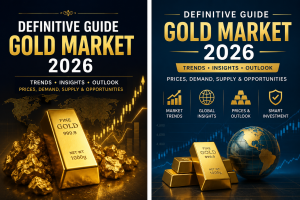
Price of Gold USA
Gold has fascinated investors for a long time, providing not only a physical asset but also a safeguard against financial instability. Grasping the movement of gold prices in the USA is crucial for investors and those who wish to stay informed about the market. In this piece, we’ll examine the main elements that influence gold prices in the USA, look at how they stack up to global prices, and discuss why investing in gold can be advantageous.

Summary Gold prices in the USA are driven by supply-demand dynamics, central bank reserves, macroeconomic conditions, dollar strength, interest rates (real and nominal), and inflation, with industrial and jewelry demand adding seasonality. Investors should track live prices by unit (gram/tola) and purity, note regional variations, and use historical data and alerts to inform timing. USA–India price differences stem largely from import duties/taxes, currency movements, and cultural demand. Investment avenues include physical gold, ETFs/mutual funds, and mining stocks, offering diversification, inflation hedging, and liquidity.
The price of gold in the USA is influenced by a variety of factors. Here are some of the main drivers:
Supply and Demand
Gold prices are primarily driven by supply and demand dynamics. When demand for gold increases, prices tend to rise. Conversely, if the supply exceeds demand, prices may fall. Gold is used in various industries, including jewelry, technology, and finance, which contributes to its demand.
Industrial Demand
The industrial demand for gold is not just limited to jewelry. Gold’s conductivity and resistance to tarnish make it indispensable in electronics. As technology advances, the demand for gold in the production of devices like smartphones and computers grows, contributing to its price dynamics.
Jewelry Market
The jewelry market is one of the largest consumers of gold. Cultural events, weddings, and festive seasons often see a spike in gold purchases, especially in regions where gold jewelry is a traditional gift. This seasonal demand can lead to fluctuations in gold prices.
Central Bank Reserves
Countries hold gold as part of their central bank reserves. When central banks increase their gold reserves, it can reduce available supply in the market, driving prices upward. Conversely, selling off reserves can depress prices, reflecting the balance central banks maintain between their currency and gold reserves.
Economic Conditions
Economic stability plays a significant role in gold price trends. In times of economic uncertainty, investors often turn to gold as a safe haven. This increased demand can drive up prices. Conversely, during periods of economic growth and stability, gold prices may stabilize or decrease.
Recession and Crisis
During recessions or financial crises, the uncertainty in stock markets often leads investors to seek refuge in gold. This safe-haven appeal can significantly boost gold demand and prices, as seen during events like the 2008 financial crisis.
Currency Fluctuations
Gold prices can be affected by currency fluctuations. A weaker US dollar often leads to higher gold prices as gold becomes cheaper for foreign investors. Conversely, a strong dollar can suppress gold prices by making it more expensive for non-US buyers.
Global Economic Indicators
Global economic indicators, such as GDP growth rates, unemployment figures, and manufacturing data, can influence investor sentiment towards gold. Positive indicators can lead to reduced gold demand as confidence in other assets grows, while negative data can boost gold’s appeal as a secure investment.
Interest Rates
Interest rates have an inverse relationship with gold prices. When interest rates rise, the opportunity cost of holding gold increases, as investors can earn more from interest-bearing assets. This can lead to a decrease in gold demand and, consequently, its price.
Federal Reserve Policies
The policies set by the Federal Reserve regarding interest rates have a direct impact on gold prices. Announcements of rate hikes can lead to immediate gold price adjustments as investors reallocate their portfolios.
Real vs. Nominal Rates
It’s important to consider real interest rates, which account for inflation, rather than just nominal rates. Even if nominal rates rise, if inflation outpaces these increases, real rates may remain low, which can keep gold demand strong.
Global Interest Rate Trends
Interest rate trends globally also affect gold prices. When major economies like the EU or Japan adjust their rates, it can influence the US market indirectly by shifting global investment flows, thereby affecting gold prices.
Inflation
Gold is often seen as a hedge against inflation. When inflation rises, the purchasing power of currency declines, making gold more attractive as it retains value over time. This can lead to increased demand and higher prices.
Historical Inflation Trends
Historically, periods of high inflation have seen corresponding increases in gold prices. Studying past trends can provide insight into how current inflationary pressures might impact gold.
Hyperinflation Scenarios
In extreme cases, such as hyperinflation, gold becomes a critical store of value. Understanding the potential for such scenarios can help investors prepare and protect their wealth through gold investments.
Inflation-Protected Securities
Inflation-protected securities, like TIPS (Treasury Inflation-Protected Securities), compete with gold as an inflation hedge. The performance and attractiveness of these securities can influence gold demand and pricing.
Current Gold Price Trends in the USA

As of today, the gold market in the USA is experiencing fluctuations due to various global and domestic factors. Monitoring live gold prices is crucial for investors looking to make informed decisions. Websites and financial platforms provide real-time updates on gold prices in the USA, including rates per gram, tola, and 100 grams.
Gold Price in Tola and Grams
The price of 1 tola gold in the USA is a common metric used by investors, particularly those with South Asian connections, where the tola is a traditional unit of measure. Additionally, the price of 1 gram of 22k gold is frequently tracked by those interested in jewelry and smaller investments.
Tola as a Measurement
The tola is an ancient unit of mass, primarily used in South Asia. Despite the global standardization of measurements, the tola remains significant in these regions, especially in traditional gold markets. Understanding its equivalence to grams can assist international investors in making informed decisions.
Variations in Purity
Gold is available in various purities, typically measured in karats. For instance, 22k gold is a popular choice for jewelry, offering a balance between purity and durability. Tracking the price of different purities helps investors and consumers choose based on their needs and budget.
Regional Pricing Differences
Even within the USA, regional differences in gold pricing can occur due to local demand, sales taxes, and market competition. Recognizing these variances can aid in identifying the best locations for purchasing gold.
Gold Price Today
To keep up with gold price trends, it’s essential to check gold prices live. This allows investors to make timely decisions based on the latest market conditions.
Real-Time Tracking Tools
Numerous financial platforms and apps provide real-time tracking of gold prices. These tools are invaluable for investors looking to capitalize on short-term market movements or secure the best price for their purchases.
Historical Data Analysis
While real-time data is crucial, analyzing historical price trends can offer insights into potential future movements. Understanding past patterns helps investors anticipate how current events might impact prices.
Alerts and Notifications
Setting up alerts for specific price points or percentage changes can help investors stay proactive. These notifications ensure that investors don’t miss critical buying or selling opportunities in the volatile gold market.
Comparing Gold Prices: USA vs. India
The price of gold in India vs. the USA can vary due to differences in demand, import duties, taxes, and currency exchange rates. In India, cultural factors also play a significant role, with gold being an integral part of weddings and festivals.
Factors Influencing Price Differences
- Import Duties and Taxes: India imposes import duties on gold, which can drive up prices compared to the USA.
- Currency Exchange Rates: Fluctuations in the value of the Indian Rupee against the US Dollar can affect gold prices in India.
- Cultural Demand: In India, gold is not only an investment but also a cultural necessity, leading to higher demand during festive seasons.
Import Duties and Taxes
India’s import duties on gold are substantial, designed to curb excessive imports and protect the country’s foreign exchange reserves. These duties, along with goods and service taxes, can inflate domestic gold prices compared to the USA, where such import costs are minimal.
Impact of Currency Exchange Rates
The exchange rate between the Indian Rupee and the US Dollar plays a critical role in gold pricing. A weakening Rupee can make gold more expensive in India, even if global prices remain stable, while a strengthening Rupee can make it more affordable.
Cultural Significance and Demand
Gold’s cultural significance in India cannot be overstated. It is a symbol of wealth and prosperity, especially during weddings and festivals like Diwali. This cultural demand drives significant seasonal fluctuations in gold prices, often independent of international trends.
Investing in Gold in the USA
Gold investment in the USA offers various avenues, from physical gold to financial instruments such as gold ETFs and mining stocks. Here’s a look at some popular methods:
Physical Gold
Investors can purchase gold in the form of bars, coins, or jewelry. This tangible asset can be stored securely and provides a direct way to invest in gold.
Gold Bars and Coins
Gold bars and coins are popular choices for investors seeking physical gold. Bars offer a way to invest in larger quantities, while coins are often favored for their historical and artistic value. Understanding the premiums associated with each can help investors decide which suits their goals best.
Jewelry as an Investment
While not traditionally viewed as an investment, gold jewelry can hold significant value. In addition to its aesthetic appeal, jewelry can appreciate over time, especially unique or antique pieces. Investors should consider purity and craftsmanship when buying jewelry for investment purposes.
Storage and Security
Owning physical gold requires secure storage solutions, such as safety deposit boxes or specialized vaults. Insurance is also recommended to protect against theft or loss, adding an extra layer of security for physical gold investments.
Gold ETFs and Mutual Funds
Gold Exchange-Traded Funds (ETFs) and mutual funds offer a way to invest in gold without the need for physical storage. These financial products track the price of gold and can be traded on stock exchanges.
Benefits of ETFs
Gold ETFs offer liquidity and flexibility, allowing investors to buy and sell shares throughout the trading day. This ease of transaction makes ETFs an attractive option for those looking to invest in gold without the complexities of physical ownership.
Mutual Funds and Diversification
Gold mutual funds provide exposure to gold by investing in a diversified portfolio of gold-related assets, including mining stocks and physical gold. This diversification can reduce risk and increase potential returns, appealing to investors seeking balanced exposure to the gold market.
Cost Considerations
While ETFs and mutual funds offer convenience, they also come with management fees and expense ratios. Investors should compare these costs against the benefits of diversification and liquidity to ensure they align with their investment strategy.
Gold Mining Stocks
Investing in gold mining companies provides exposure to the gold market. The value of these stocks can be influenced by the gold price, making them a potentially lucrative investment option.
Assessing Mining Company Performance
The performance of gold mining stocks is tied to both the price of gold and the company’s operational efficiency. Investors should evaluate mining companies based on their production costs, reserves, and management quality to make informed investment decisions.
Risks and Rewards
Gold mining stocks can offer significant rewards, particularly if gold prices rise. However, they also carry risks, including geopolitical factors, regulatory challenges, and operational issues. Understanding these risks is crucial for investors considering this avenue.
Alternative Mining Investments
Beyond traditional mining stocks, investors can explore opportunities in junior mining companies, which often focus on exploration and development. While riskier, these companies can offer substantial upside potential if their projects succeed.
Benefits of Gold Investment
- Diversification: Gold can diversify an investment portfolio, reducing risk.
- Inflation Hedge: Gold retains value over time, protecting against inflation.
- Liquidity: Gold is a highly liquid asset, easily bought and sold in the market.
Portfolio Diversification
Gold’s low correlation with other asset classes makes it an excellent diversification tool. Adding gold to a portfolio can reduce volatility and enhance long-term returns, especially during market downturns.
Inflation Protection
Gold’s historical role as a store of value makes it a reliable hedge against inflation. As currencies depreciate, gold tends to maintain its purchasing power, offering stability in uncertain economic times.
Market Liquidity
The global market for gold is highly liquid, ensuring that investors can buy and sell gold quickly and efficiently. This liquidity provides flexibility and security for investors, making gold a versatile component of any investment strategy.
Conclusion
The price of gold in the USA is shaped by a complex interplay of factors, from economic conditions to international demand. For investors, understanding these dynamics is key to making informed decisions. Whether you’re comparing prices between the USA and India or exploring various investment options, staying informed about gold price trends can help you navigate the market effectively.
In a world of economic uncertainties, gold continues to be a reliable store of value and a strategic addition to investment portfolios. By keeping an eye on current gold prices and market trends, you can make the most of your gold investment in the USA.
Frequently Asked Questions
Question: What are the main factors that drive gold prices in the USA?
Short answer: Gold prices in the USA reflect a mix of supply-demand dynamics, central bank activity, and macro conditions. Demand from jewelry and industry (electronics) adds seasonality, while safe-haven buying rises during recessions or crises. The US dollar’s strength and interest rates—especially real (inflation-adjusted) rates—are key: a weaker dollar and lower real rates generally support higher gold. Inflation expectations and global policy moves (including those by the Federal Reserve and other major central banks) also shape investor sentiment and price trends.
Question: How do interest rates and Federal Reserve policies influence gold, and why do real rates matter?
Short answer: Gold competes with interest-bearing assets, so rising rates raise the opportunity cost of holding it, often pressuring prices. However, real rates (nominal rates minus inflation) are the more relevant driver: even if nominal rates rise, if inflation rises faster, real rates can stay low and support gold. Fed policy signals on rate hikes or cuts can cause immediate price reactions as investors reprice real-rate paths. Inflation-protected securities like TIPS also compete with gold as hedges, influencing demand. Global rate shifts (EU, Japan, etc.) can redirect capital flows and indirectly impact US gold prices.
Question: Why can gold prices differ between the USA and India?
Short answer: Price gaps stem from India’s import duties and taxes (which add to local prices), currency movements (a weaker Rupee makes gold costlier locally), and culturally driven demand surges around weddings and festivals that create seasonal premiums. By contrast, the USA typically faces minimal import costs, so domestic prices track international benchmarks more closely.
Question: What’s the best way to monitor and act on gold price movements?
Short answer: Use real-time platforms and apps that show live prices by unit (e.g., gram, tola) and purity (e.g., 22k), and note regional US variations due to sales taxes and local competition. Combine live tracking with historical charts to recognize patterns and context. Set alerts for target prices or percentage moves so you can react quickly to volatility. This approach helps with both short-term timing and longer-term accumulation strategies.
Question: Should I buy physical gold, gold ETFs/mutual funds, or mining stocks?
Short answer: It depends on your goals and constraints. Physical gold (bars, coins, jewelry) offers tangible ownership but requires secure storage and insurance, and may carry premiums. Gold ETFs and mutual funds provide convenient, liquid exposure to gold prices without storage needs, but charge ongoing fees. Mining stocks add operational and geopolitical risk and can be more volatile than gold itself, yet may offer higher upside; assessing production costs, reserves, and management quality is essential. Any of these can aid diversification, inflation hedging, and liquidity—choose based on your risk tolerance, time horizon, and cost considerations.