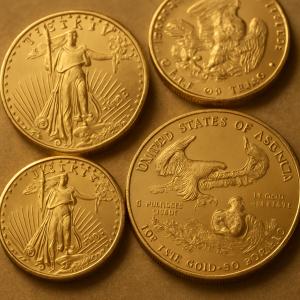
5 year gold price chart
Gold has long been viewed as a stable investment, often acting as a safe haven during economic downturns. However, like any investment, the price of gold is subject to fluctuations. Understanding these trends can offer valuable insights for investors. In this article, we will explore the gold price trends over the past five years, discuss factors influencing these changes, and provide an analysis of potential future movements. 
Gold investment trends are shaped by various economic factors. These include inflation rates, currency fluctuations, geopolitical tensions, and changes in demand and supply. By examining the historical price data, investors can gain insights into how these factors have affected gold prices in the past and may influence them in the future.
Economic Factors Influencing Gold Prices
Economic factors play a pivotal role in shaping gold prices. Inflation, for example, erodes purchasing power, prompting investors to seek refuge in gold. When inflation rates rise, gold often appreciates as it serves as a hedge against currency devaluation. Additionally, currency fluctuations can impact gold prices, especially when major currencies like the US dollar experience volatility. A weaker dollar typically makes gold more attractive to investors holding other currencies, driving demand and prices upward.
Geopolitical Tensions and Gold
Geopolitical tensions create uncertainty in global markets, which often leads to increased demand for gold. During periods of political instability or conflict, investors turn to gold as a safe haven to protect their assets. Historical events such as trade wars, military conflicts, and diplomatic disputes have all led to spikes in gold prices. Understanding the correlation between geopolitical tensions and gold movements can help investors anticipate market reactions and adjust their portfolios accordingly.
Demand and Supply Dynamics
The demand and supply dynamics of gold significantly influence its price. Factors such as jewelry demand, particularly in countries like India and China, can cause fluctuations. During festive seasons or wedding periods, the demand for gold jewelry surges, driving prices up. On the supply side, mining production and central bank activities also play crucial roles. If mining outputs decrease or central banks decide to increase their gold reserves, it can lead to tighter supplies and higher prices.
Gold Price Fluctuations
Over the past five years, the price of gold has experienced notable fluctuations. Understanding these changes requires a closer look at global economic conditions and market sentiment during this period.
2018-2019: Steady Growth
The gold market began to show signs of steady growth in 2018, driven by geopolitical uncertainties and fluctuating currency values. Gold prices gradually increased as investors sought refuge from volatile stock markets. By the end of 2019, gold prices had seen a steady incline, reflecting its role as a hedge against uncertainty.
Geopolitical Uncertainties and Market Response
During 2018-2019, several geopolitical events contributed to gold’s steady growth. Trade tensions between the US and China created economic uncertainty, prompting investors to flock to gold as a protective measure. Additionally, Brexit negotiations added to the instability in European markets, further boosting gold’s appeal. These events underscored gold’s role as a reliable store of value during uncertain times.
Currency Fluctuations and Gold Prices
The value of major currencies experienced significant fluctuations during this period. The US dollar, in particular, saw periods of strength and weakness, impacting gold prices. When the dollar weakened, gold became more affordable for investors using other currencies, increasing demand. Conversely, a stronger dollar put downward pressure on gold prices, illustrating the complex relationship between currency values and gold.
Gold as a Hedge Against Stock Market Volatility
The stock markets faced volatility due to a combination of economic factors and investor sentiment. Concerns over slowing global growth and trade disputes led to market fluctuations. In response, investors turned to gold as a hedge against potential losses in equities. This trend highlighted gold’s enduring appeal as a safe haven asset during turbulent times.
2020: A Year of Surges

The year 2020 was marked by the COVID-19 pandemic, which led to unprecedented disruptions across global markets. As a result, gold prices surged, reaching record highs. Investors flocked to gold as a safe haven, driving demand and pushing prices upward. The heightened uncertainty and economic instability contributed to this surge, making 2020 a remarkable year for gold.
Impact of the COVID-19 Pandemic
The COVID-19 pandemic created a global health crisis that disrupted economies worldwide. Lockdowns, supply chain disruptions, and economic slowdowns led to increased uncertainty. Investors sought refuge in gold, driving up its price to unprecedented levels. The pandemic underscored gold’s importance as a safeguard during times of crisis, as traditional markets faced unprecedented challenges.
Record Highs and Market Sentiment
Gold prices reached record highs in 2020, fueled by heightened market sentiment. Investors were concerned about the long-term impacts of the pandemic, including inflationary pressures from government stimulus measures. As central banks implemented expansive monetary policies, fears of currency devaluation further boosted gold’s appeal. These factors combined to create a perfect storm for gold, with investors seeking stability in a volatile environment.
Safe Haven Demand and Investor Behavior
The demand for safe haven assets skyrocketed as uncertainty loomed over global markets. Institutional and retail investors increased their gold holdings, reflecting a shift in investment behavior. Gold’s historical reputation as a store of value during turbulent times was reaffirmed, attracting a diverse range of investors looking to mitigate risk. This surge in demand highlighted gold’s unique position as a reliable asset in times of crisis.
2021-2022: Stabilization and Corrections
As the world began to recover from the pandemic, gold prices experienced stabilization. The initial surge in 2020 was followed by corrections as economic conditions improved. Vaccine rollouts and stimulus measures restored confidence in other investment avenues, leading to a gradual decline in gold prices. However, geopolitical tensions and inflation concerns kept the market cautious.
Economic Recovery and Market Confidence
The global economic recovery in 2021-2022 brought renewed confidence to financial markets. Successful vaccine rollouts and government stimulus measures boosted economic activity, leading investors to explore alternative investment options. As confidence in the stock market returned, some investors reduced their gold holdings, resulting in price corrections. This period highlighted the cyclical nature of gold prices in response to changing economic conditions.
Inflation Concerns and Gold’s Role
Despite the recovery, inflation concerns persisted, influencing gold prices. Central banks’ expansive monetary policies and increased government spending raised fears of rising inflation. Investors continued to view gold as a hedge against potential currency devaluation, maintaining demand. The interplay between inflation expectations and gold prices illustrated the ongoing relevance of gold in managing economic uncertainties.
Geopolitical Tensions and Market Volatility
Geopolitical tensions remained a factor influencing gold prices during this period. Conflicts in regions like the Middle East and Eastern Europe created market volatility, prompting investors to seek refuge in gold. The interplay between geopolitical events and gold movements underscored the asset’s role as a safe haven in times of geopolitical instability. Investors closely monitored these developments to make informed decisions.
2023: Renewed Interest and Growth
In 2023, renewed interest in gold emerged as inflationary pressures persisted and geopolitical uncertainties resurfaced. Investors once again turned to gold as a hedge against potential economic downturns. The year witnessed a gradual increase in prices, driven by a mix of economic factors and market sentiment.
Inflationary Pressures and Economic Outlook
The persistence of inflationary pressures in 2023 reignited interest in gold. Rising consumer prices and concerns over monetary policy adjustments fueled demand for gold as a hedge against inflation. Investors evaluated the economic outlook and adjusted their portfolios accordingly, recognizing gold’s historical role in preserving wealth during inflationary periods.
Geopolitical Uncertainties and Safe Haven Appeal
Geopolitical uncertainties resurfaced, impacting investor sentiment. Tensions between major economies and conflicts in strategic regions heightened market concerns. As a result, gold’s safe haven appeal remained strong, attracting investors seeking protection against potential economic disruptions. The ongoing geopolitical landscape emphasized gold’s value as a reliable asset in uncertain times.
Market Sentiment and Investment Strategies
Market sentiment played a crucial role in shaping gold prices in 2023. Investors closely monitored economic indicators, central bank policies, and geopolitical developments to inform their strategies. The combination of economic factors and market sentiment contributed to the gradual increase in gold prices, reinforcing its position as a key component of diversified investment portfolios.
Gold Price History and Seasonal Trends
Analyzing the historical price data of gold reveals intriguing patterns. Gold prices often display seasonal trends, with variations observed during different times of the year. These trends can be attributed to factors such as jewelry demand during festive seasons, central bank activities, and global economic events.
Seasonal Trends in Gold Prices
Historically, gold prices tend to rise during certain periods, such as the Indian wedding season and major festivals. During these times, increased demand for gold jewelry contributes to higher prices. Additionally, central banks may engage in strategic buying or selling, impacting market dynamics.
Jewelry Demand and Cultural Factors
Cultural factors significantly influence gold prices, particularly in regions with strong traditions of gold consumption. In countries like India and China, the demand for gold jewelry spikes during wedding seasons and festivals. These cultural practices create predictable seasonal patterns in gold prices, as increased demand drives prices higher. Understanding these cultural influences helps investors anticipate price movements during specific times of the year.
Central Bank Activities and Market Impact
Central banks play a crucial role in the gold market through their buying and selling activities. When central banks increase their gold reserves, it can signal confidence in the precious metal, influencing market sentiment. Conversely, selling gold reserves can put downward pressure on prices. Monitoring central bank activities provides valuable insights into potential market shifts and helps investors make informed decisions.
Global Economic Events and Price Volatility
Global economic events, such as financial crises or major policy announcements, can lead to increased volatility in gold prices. During times of economic uncertainty, investors often turn to gold as a safe haven, driving demand and prices upward. Understanding the interplay between global events and gold price movements is crucial for informed investment decisions. By analyzing historical data, investors can identify patterns and anticipate potential price shifts.
Impact of Global Events
Global events, including geopolitical tensions and economic crises, have a profound impact on gold prices. These events create market volatility, prompting investors to seek the stability offered by gold. Understanding the interplay between global events and gold price movements is crucial for informed investment decisions.
Geopolitical Tensions and Market Reactions
Geopolitical tensions often lead to heightened market volatility, impacting gold prices. Conflicts, trade disputes, and political uncertainties create an environment of uncertainty, prompting investors to seek refuge in gold. Analyzing historical data on geopolitical events and their impact on gold prices helps investors anticipate market reactions and adjust their portfolios accordingly. By understanding these dynamics, investors can make informed decisions during times of geopolitical instability.
Economic Crises and Safe Haven Demand
Economic crises, such as financial downturns or recessions, drive demand for safe haven assets like gold. During these periods, investors seek stability and protection against potential losses in traditional markets. Gold’s historical role as a store of value during economic crises makes it an attractive investment option. By examining past economic crises and their impact on gold prices, investors can gain insights into potential price movements during future downturns.
Currency Devaluation and Gold’s Appeal
Currency devaluation, often triggered by economic instability or policy changes, enhances gold’s appeal as a hedge against currency risk. When currencies lose value, investors turn to gold as a reliable store of wealth. Understanding the relationship between currency devaluation and gold prices provides valuable insights for investors looking to safeguard their assets. By analyzing historical trends, investors can anticipate potential shifts in gold prices during periods of currency volatility.
Gold Market Analysis and Forecast Trends

by 3D Render (https://unsplash.com/@3drender)
To navigate the gold market effectively, investors must stay informed about market analysis and forecast trends. Analyzing market indicators, economic data, and expert opinions can provide valuable insights into potential future movements.
Gold Price Forecast Trends for 2024 and 2025
Forecasting gold prices involves considering a multitude of factors, including economic indicators, geopolitical developments, and market sentiment. Analysts often provide insights into potential price movements for the upcoming years. While forecasts are subject to change, they can guide investors in making informed decisions.
Economic Indicators and Market Predictions
Economic indicators, such as GDP growth, inflation rates, and employment data, play a crucial role in forecasting gold prices. Analysts closely monitor these indicators to assess the overall economic outlook and its impact on gold. By understanding the relationship between economic indicators and gold prices, investors can gain insights into potential price movements and make informed decisions.
Geopolitical Developments and Market Sentiment
Geopolitical developments, including trade negotiations, conflicts, and diplomatic relations, influence market sentiment and gold prices. Analysts consider these factors when making price forecasts, as geopolitical tensions can create uncertainty and drive demand for safe haven assets. By staying informed about geopolitical developments, investors can anticipate potential market shifts and adjust their strategies accordingly.
Expert Opinions and Investment Strategies
Expert opinions and market analysis provide valuable insights into potential gold price trends. Analysts use a combination of technical analysis, historical data, and market indicators to make informed predictions. By considering expert opinions, investors can gain a comprehensive understanding of the gold market and develop effective investment strategies. These insights help investors navigate market volatility and make informed decisions based on forecast trends.
Gold Trading Strategies
For investors looking to maximize returns, adopting effective gold trading strategies is essential. These strategies involve understanding market trends, utilizing technical analysis, and managing risk effectively. Whether investing in physical gold, exchange-traded funds (ETFs), or futures contracts, a well-defined strategy is crucial.
Understanding Market Trends and Timing
Successful gold trading strategies require a deep understanding of market trends and timing. Investors must analyze historical price data, market indicators, and economic factors to identify potential entry and exit points. By recognizing patterns and trends, investors can make informed decisions and maximize returns. Timing is crucial in gold trading, as market conditions can change rapidly, impacting prices and investment outcomes.
Utilizing Technical Analysis for Informed Decisions
Technical analysis is a powerful tool for gold traders, providing insights into price patterns and market trends. By analyzing charts, indicators, and historical data, investors can identify potential price movements and make informed trading decisions. Technical analysis helps traders anticipate market shifts and adjust their strategies accordingly, enhancing their ability to capitalize on opportunities in the gold market.
Managing Risk and Diversification
Effective risk management and diversification are essential components of successful gold trading strategies. Investors must implement risk management techniques, such as setting stop-loss orders and diversifying their portfolios, to protect against market volatility. By spreading investments across different asset classes, including physical gold, ETFs, and futures contracts, investors can reduce risk and enhance potential returns. A well-defined risk management strategy is crucial for navigating the dynamic gold market.
Gold Investment Tips and Considerations
Investing in gold requires careful consideration of various factors. Here are some tips for navigating the gold market:
- Diversification: Consider including gold as part of a diversified investment portfolio to reduce risk.
- Stay Informed: Keep up with market trends, economic indicators, and geopolitical developments that may impact gold prices.
- Long-Term Perspective: While gold can be volatile in the short term, it has historically served as a stable store of value over the long term.
- Risk Management: Implement risk management strategies to protect investments during periods of market volatility.
- Professional Advice: Consult with financial advisors or experts to gain insights tailored to your investment goals and risk tolerance.
Diversification Strategies and Asset Allocation
Diversification is a fundamental principle of successful investing, and gold can play a vital role in a diversified portfolio. By allocating a portion of investments to gold, investors can reduce risk and enhance potential returns. Gold’s unique characteristics, such as its low correlation with other asset classes, make it an effective diversification tool. Understanding asset allocation strategies and the role of gold in a diversified portfolio helps investors achieve their financial objectives.
Staying Informed and Adapting to Market Changes
Staying informed about market trends and economic developments is crucial for successful gold investing. Investors must regularly monitor market indicators, geopolitical events, and economic data to make informed decisions. By staying adaptable and responsive to market changes, investors can capitalize on opportunities and mitigate risks. An informed and proactive approach is essential for navigating the dynamic gold market and achieving long-term investment success.
Long-Term Investment Strategies and Wealth Preservation
Gold’s historical role as a store of value makes it an attractive option for long-term investment and wealth preservation. Investors with a long-term perspective can benefit from gold’s ability to hedge against inflation and economic uncertainty. By developing a comprehensive investment strategy that includes gold, investors can protect their wealth and achieve financial stability. Understanding the long-term benefits of gold investing helps investors make informed decisions aligned with their financial goals.
Risk Management Techniques and Portfolio Protection
Effective risk management is a critical component of successful gold investing. Investors must implement strategies to protect their portfolios from market volatility and potential losses. Techniques such as setting stop-loss orders, diversifying investments, and regularly reviewing portfolios help mitigate risks. By prioritizing risk management, investors can safeguard their investments and achieve long-term financial success in the gold market.
Seeking Professional Advice and Tailored Investment Solutions
Consulting with financial advisors or experts provides valuable insights and tailored investment solutions for gold investing. Advisors can help investors develop customized strategies based on their financial goals, risk tolerance, and market conditions. By seeking professional advice, investors can make informed decisions and optimize their investment outcomes. A collaborative approach with experts enhances investors’ ability to navigate the gold market effectively and achieve their financial objectives.
Conclusion
Gold remains a valuable asset for investors seeking stability and protection against economic uncertainty. The past five years have demonstrated the dynamic nature of the gold market, influenced by global events, economic conditions, and market sentiment. By understanding gold price trends, seasonal patterns, and effective trading strategies, investors can make informed decisions that align with their financial objectives. As we look ahead to 2024 and 2025, staying informed and adaptable will be key to navigating the ever-evolving gold market.
Q&A
Question: How do inflation and currency movements (especially the US dollar) affect gold prices? Short answer: Inflation tends to boost gold because investors use it as a hedge against eroding purchasing power, while a weaker US dollar typically supports higher gold prices by making gold more affordable for holders of other currencies. A stronger dollar can pressure gold lower. The interplay of these forces—rising inflation, currency volatility, and hedging behavior—often shapes gold’s direction.
Question: Why did gold reach record highs in 2020? Short answer: The COVID-19 pandemic created extreme uncertainty, triggering safe haven demand. Lockdowns, supply chain disruptions, and economic slowdowns pushed investors toward gold. Massive monetary and fiscal stimulus heightened concerns about currency devaluation and future inflation, further lifting prices. Both institutional and retail investors increased holdings, driving gold to record levels.
Question: What explains gold’s stabilization and corrections in 2021–2022? Short answer: As vaccines rolled out and stimulus supported recovery, confidence returned to risk assets, prompting some investors to shift away from gold. That rotation led to price corrections and a period of stabilization. Even so, lingering inflation worries and ongoing geopolitical tensions kept demand from completely fading, maintaining a cautious tone in the market.
Question: Are there predictable seasonal or cultural patterns in gold prices? Short answer: Yes. Jewelry demand often rises during the Indian wedding season and major festivals, especially in countries like India and China, which can lift prices. Central bank buying and selling also influence seasonal dynamics. While these patterns are recurring, global economic events can amplify or override them, so they’re useful context rather than guarantees.
Question: How should investors approach gold in 2024–2025 and manage risk? Short answer: Treat forecasts as guidance that can change, and anchor decisions in data and discipline. Consider:
- Track key indicators: GDP growth, inflation, employment data, and central bank policy shifts.
- Monitor geopolitics: Trade tensions, conflicts, and diplomatic developments can quickly alter sentiment.
- Use technical analysis: Charts and indicators can help time entries/exits within broader trends.
- Diversify vehicles: Mix of physical gold, ETFs, and futures can balance liquidity and exposure.
- Manage risk: Set clear rules (e.g., stop-losses), size positions prudently, and review portfolios regularly.
- Seek advice: A professional can align gold exposure with your goals, risk tolerance, and time horizon.