what is the value of gold
Gold has been a symbol of wealth and prosperity for centuries. Its glittering allure and intrinsic value have captivated civilizations throughout history. But what exactly is the value of gold today, and how does it fit into our modern economy? In this article, we’ll explore the different aspects that contribute to gold’s value, including its price, benefits, trends, and its role as a stable asset.
Summary
Gold’s value is driven by market price (influenced by inflation, interest rates, economic growth, and geopolitics), its purity and weight, and its broad utility in technology, medicine, aerospace, and jewelry. It functions as a safe-haven asset and inflation hedge, enhancing portfolio diversification through physical bullion, ETFs, and mining stocks. Demand varies by region, season, and culture, and is shaped by trends like ethical sourcing, blockchain-enabled trading, and green technology applications. Collectible coins and artifacts can command premiums over melt value, while gold’s historical resilience underpins its role in wealth preservation.
Gold’s worth is often associated with its weight and purity.
The value of gold is typically measured per gram or ounce, and its price can fluctuate based on market conditions, demand, and geopolitical factors.
The gold price is influenced by various factors, including economic stability, inflation, and currency fluctuations.
When economies face uncertainty, investors often turn to gold as a safe haven, driving up its price. Conversely, when the economy is stable, the demand for gold might decrease, causing prices to fall.
For example, the value of 10k gold, which is 41.7% pure, varies depending on market conditions. Similarly, the value of a US 5 dollar gold coin or a gold Krugerrand is determined by both its gold content and collectible value.
Economic indicators such as GDP growth, employment rates, and interest rates can have a significant impact on gold prices.
A booming economy with high GDP growth and low unemployment might lead to lower gold prices, while economic downturns often see a rise in gold’s value. Investors closely monitor these indicators to anticipate gold price movements.
Geopolitical events, including wars, trade tensions, and political instability, can lead to increased demand for gold.
During times of geopolitical strife, gold is often seen as a refuge for capital, leading to spikes in its price. Understanding these dynamics is crucial for investors aiming to capitalize on gold’s price fluctuations.
Gold prices can also be affected by seasonal demand, particularly in regions where gold is integral to cultural celebrations and festivals.
For instance, in countries like India, the wedding season and festivals such as Diwali drive significant demand for gold, often leading to temporary increases in its price.
Gold is often considered a secure investment, especially during times of economic instability.
As a tangible asset, it holds intrinsic value and provides a hedge against inflation. Investors can buy gold in various forms, such as coins, bars, or even gold stocks. Understanding the market trends and analysis can help investors make informed decisions about their gold investments.
Incorporating gold into investment portfolios is a strategy used to diversify risk.
Gold’s low correlation with other asset classes, like equities or bonds, can help stabilize a portfolio’s performance during turbulent market conditions. This diversification strategy is particularly appealing to investors seeking to mitigate potential losses.
Investors have the option to invest in physical gold or gold securities like ETFs and mining stocks.
Physical gold, such as coins and bars, offers tangible ownership, whereas gold securities provide liquidity and ease of trading. Each option has its advantages and considerations, and investor preference often depends on individual risk tolerance and investment goals.
Historically, gold has demonstrated resilience and an ability to preserve wealth over long periods.
Analyzing past performance can provide insights into how gold might react in future economic scenarios. Many investors look to gold’s track record during financial crises as a testament to its enduring value.
Gold’s allure extends beyond its monetary worth.
Its unique properties make it valuable in various industries and applications.
Gold is highly conductive and resistant to corrosion, making it ideal for use in electronics and technology. From smartphones to medical devices, gold’s reliability and performance enhance the functionality of modern gadgets.
In the electronics industry, gold is used in connectors, switches, and various components due to its excellent conductivity and resistance to tarnish.
Its use in high-performance applications ensures the reliability and longevity of consumer electronics, further driving its demand.
Medical applications of gold are vast, ranging from diagnostic tools to therapeutic treatments.
Gold nanoparticles are used in targeted drug delivery systems and cancer treatments, showcasing the metal’s versatility and importance in advancing medical technology.
The aerospace industry relies on gold for its thermal and reflective properties.
Gold coatings are used on satellites and space equipment to protect them from radiation and extreme temperatures. This critical role underscores gold’s value in high-tech environments.
Gold’s cultural significance is undeniable.
It symbolizes wealth, power, and beauty, making it a popular choice for jewelry and ornaments. The demand for gold in the fashion and wedding industries contributes to its sustained value.
Gold’s luster and malleability make it a favorite among jewelers. Its ability to be fashioned into intricate designs ensures its continued popularity in the jewelry market. Gold’s timeless appeal means that it remains a preferred choice for engagement rings, necklaces, and other adornments.
In many cultures, gold holds significant traditional value. It is often gifted during weddings, religious ceremonies, and other important life events. This cultural importance sustains a steady demand for gold, particularly in regions where it is deeply ingrained in social customs.
Artists and craftsmen have long used gold leaf and gold-based pigments to create stunning works of art.
Gold’s ability to capture light and enhance visual appeal makes it a sought-after material in both classical and contemporary art forms.
The gold market is dynamic, with trends influenced by global economic conditions, consumer behavior, and technological advancements.
In recent years, there has been a growing interest in sustainable and ethical gold mining practices. Consumers are becoming more conscious of the environmental and social impact of gold production, leading to increased demand for responsibly sourced gold.
The push for ethical gold mining is gaining traction as consumers demand transparency in sourcing.
Initiatives like Fairtrade Gold and the Responsible Jewellery Council are helping to promote ethical practices, ensuring that gold is mined with respect for human rights and the environment.
The rise of digital currencies and blockchain technology has introduced new ways to trade and invest in gold.
Blockchain offers a transparent and secure method for verifying gold transactions, enhancing trust and efficiency in the gold market.
As the world moves towards sustainable energy solutions, gold’s use in green technology is expanding.
Its role in solar panels and electric vehicles positions gold as a key player in the transition to a low-carbon economy, influencing future market demand.
Gold’s demand is driven by various factors, including its role as a safe-haven asset, its use in technology, and its cultural significance.
Understanding these demand drivers can provide insights into the future of the gold market and its potential growth.
Gold demand varies across regions, influenced by economic conditions, cultural factors, and market trends.
In emerging markets, economic growth often correlates with increased gold consumption, whereas developed markets may see fluctuations based on investment demand.
The demand for gold as an investment vehicle is shaped by macroeconomic conditions and investor sentiment.
During periods of economic uncertainty, gold’s appeal as a safe-haven asset tends to rise, driving investment demand and influencing market prices.
Shifts in consumer behavior, such as the growing preference for digital investments and ethical sourcing, are reshaping the gold market.
Understanding these trends is crucial for stakeholders looking to adapt to changing consumer expectations and capture emerging opportunities.
Gold’s stability is one of its most appealing attributes.
Unlike paper currencies, which can lose value due to inflation or economic instability, gold maintains its worth over time.
During periods of high inflation, the purchasing power of paper money decreases. However, gold often retains its value, making it an attractive option for investors looking to preserve their wealth.
Historically, gold has acted as a reliable hedge against inflation, maintaining its purchasing power over long periods. By examining historical data, investors can see how gold has performed during inflationary cycles and use this information to inform their investment strategies.
Gold’s performance as an inflation hedge can be compared to other assets like real estate and commodities. While each asset class has its pros and cons, gold’s liquidity and global recognition make it a unique choice for inflation protection.
Investors often adjust their portfolios to include a higher allocation of gold during inflationary periods. This strategic move helps balance potential losses in other asset classes, showcasing gold’s role in wealth preservation.
Gold is a valuable component of a diversified investment portfolio.
Its low correlation with other asset classes can reduce overall portfolio risk and enhance long-term returns.
Gold’s low correlation with equities and bonds makes it an effective tool for diversification. By incorporating gold, investors can potentially reduce portfolio volatility and enhance risk-adjusted returns, making it a strategic asset in balanced portfolios.
During financial crises, gold often outperforms other asset classes, providing stability and security. Analyzing gold’s behavior in past crises can help investors understand its role in mitigating risk and protecting wealth in uncertain times.
Constructing a portfolio that includes gold requires careful consideration of risk tolerance and investment objectives. Financial advisors often recommend specific allocations to gold based on individual client needs and market conditions.
Gold can be found in various forms, each with its unique value proposition.
Gold coins, such as the gold quarter or 2.5g gold coins, are popular among collectors and investors.
Their value is determined by their gold content, rarity, and historical significance.
Collectible gold coins often carry a premium over their melt value due to their rarity, historical significance, and condition. Understanding the factors that drive collectible coin value can help investors make informed decisions when entering the numismatic market.
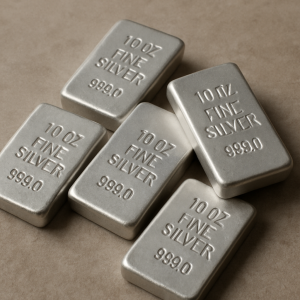
Gold bars are typically purchased by investors seeking to own larger quantities of gold.
Their value is primarily based on their weight and purity, offering a cost-effective way to invest in gold compared to coins, which may carry additional premiums.
The market for gold coins and bars is influenced by investor demand, economic conditions, and geopolitical events. Keeping abreast of these dynamics can provide insights into potential price movements and investment opportunities.
Gold stamps and other gold collectibles can hold significant value for collectors.
These items are often appreciated for their craftsmanship and historical importance, in addition to their gold content.
The craftsmanship involved in creating gold collectibles adds to their allure and value. Collectors often seek pieces that showcase exceptional skill and artistry, contributing to their desirability and market value.
Gold collectibles with historical significance can command higher prices due to their rarity and connection to historical events or figures. Collectors and investors alike are drawn to these items for their unique stories and cultural heritage.
Trends in the collectibles market, such as the growing interest in vintage and antique items, can impact the demand and value of gold stamps and other collectibles. Staying informed about these trends can help collectors and investors navigate the market effectively.
Gold’s value extends beyond its monetary worth.
Its unique properties, cultural significance, and stability make it a valuable asset in various contexts. Whether you’re considering gold as an investment, a collectible, or simply appreciate its beauty, understanding the factors that contribute to its value can help you make informed decisions.
In a world of economic uncertainty and technological advancements, gold remains a timeless and trusted asset. As trends and markets evolve, gold continues to hold its place as a symbol of wealth and stability. Whether you’re a seasoned investor or a curious enthusiast, exploring the value of gold can provide valuable insights into its enduring appeal.
Q&A
Question: What drives the price of gold in the short and long term?
Short answer: Gold’s price is shaped by macroeconomics, market sentiment, and real-world demand. Key drivers include inflation and interest rates (higher inflation or falling real rates often support gold), economic growth and employment (booming growth can dampen demand), currency movements, and geopolitics (wars, trade tensions, political instability typically boost safe-haven buying). Seasonal and cultural factors matter too—wedding seasons and festivals in major buying regions like India can lift demand temporarily. Together, these forces influence investor behavior and physical consumption, moving prices up or down.
Question: How can I estimate the value of a specific gold item (like a 10k ring or a coin)?
Short answer: Start with metal content, then consider premiums or discounts. For jewelry or bullion, estimate: item weight × purity × current market (spot) price, then adjust for costs (e.g., refining, dealer margins) or craftsmanship. For 10k gold (about 41.7% pure), only that fraction of the weight is fine gold. Coins can be worth more than melt value if they have collectible appeal—rarity, condition, historical significance, and demand can add a premium (e.g., certain U.S. $5 gold coins), while widely traded bullion coins (like Krugerrands) tend to track melt value plus a smaller market premium.
Question: Is gold really a hedge against inflation and market turmoil?
Short answer: Historically, gold has helped preserve purchasing power over long periods and often attracts buyers during high inflation or financial stress. It’s widely used as a safe-haven and inflation hedge, and its low correlation with stocks and bonds can smooth portfolio volatility. That said, gold can underperform in strong, stable growth environments, and short-term results vary. Many investors view it as a long-term wealth preserver rather than a guaranteed short-term inflation trade, comparing it alongside other hedges like real estate or commodities.
Question: Should I buy physical gold, a gold ETF, or mining stocks?
Short answer: Each route offers distinct trade-offs:
- Physical gold (coins/bars): Tangible, no counterparty risk; may involve premiums, storage, and insurance.
- Gold ETFs: Track gold’s price with high liquidity and easy trading; involve fund fees but no need to store metal.
- Mining stocks: Offer leverage to gold prices and potential dividends but add company and operational risks beyond the metal’s price. Investor choice typically depends on goals, risk tolerance, liquidity needs, and whether they value direct ownership or market convenience.
Question: How are ethical sourcing, blockchain, and green technology shaping gold’s future demand? Short answer: Consumer preference is shifting toward responsibly sourced gold, with standards and initiatives (such as Fairtrade Gold and the Responsible Jewellery Council) encouraging better environmental and social practices—potentially boosting demand for certified supply. Blockchain is enabling more transparent, secure gold trading and verification, which can increase trust and market efficiency. Meanwhile, gold’s technical qualities (conductivity, corrosion resistance, reflectivity) underpin growing uses in electronics, medical tech, aerospace, and emerging green applications like solar and EV components—broadening industrial demand alongside its investment and cultural roles.