what is coin silver worth
When you think of silver coins, you might imagine old treasures and rare finds. But what exactly is coin silver worth, and how do you determine the value of these fascinating pieces? Whether you are a seasoned collector or just starting, understanding the value of coin silver can enhance your collecting experience and investment strategy. In this article, we’ll explore the factors that influence the worth of silver coins and provide insights into some notable examples.
Summary
Coin silver—typically 90% silver in pre-1965 U.S. coins—derives a baseline “melt value” from the current silver price, with additional premiums driven by rarity, condition/grading, historical significance, and market demand. Values range from near melt for common dates to many thousands for scarce, high-grade pieces like early Flowing Hair dollars. Popular examples include Peace and Morgan dollars and American Silver Eagles, each priced according to both silver content and collector premiums. For investors and collectors, silver coins can hedge inflation and diversify portfolios; success hinges on research, reputable dealers, grading, and proper storage.

Coin silver refers to the silver used in the minting of coins. In the United States, coin silver historically contains 90% silver and 10% copper. This composition was common in U.S. coins minted before 1965. The primary value of these coins is often derived from the silver content, but other factors can significantly influence their worth.
The History of Coin Silver
Coin silver has a rich history, dating back to ancient civilizations where it was used as a medium of exchange. In the U.S., silver coins became prominent in the 18th century, with early dollars being minted in 1794. Understanding this history is crucial as it provides context to the coins’ value and their evolving composition over time.
Composition and Characteristics
The 90% silver and 10% copper composition was primarily chosen for its durability and resistance to wear. This blend allowed coins to withstand daily use while maintaining their intrinsic value. The remaining 10% copper not only provided strength but also subtly influenced the coins’ color and luster, adding to their aesthetic appeal.
Transition Away from Coin Silver
The transition from 90% silver coins to clad coins began in the mid-1960s, primarily due to the rising cost of silver and the need to conserve resources. This shift marked a significant change in U.S. coinage, with silver being replaced by less expensive metals like copper and nickel. Understanding this transition helps collectors appreciate the rarity and value of pre-1965 silver coins.
Factors Influencing Silver Coin Value
Several factors determine the value of a silver coin:
Silver Content and Melt Value
The intrinsic value of a silver coin is often referred to as its “melt value,” which is determined by the current market price of silver. This is the baseline value of the coin, representing the worth of its silver content if melted down. Collectors and investors closely monitor silver prices as they directly impact the coin’s value.
Rarity and Limited Minting
Rarity is a crucial factor in determining a coin’s value. Coins that were minted in limited quantities or have unique variations, such as errors or specific mint marks, are typically more sought after. The scarcity of these coins can drive their value significantly higher, making them prized possessions for collectors.
Condition and Grading
The state of preservation, or condition, of a coin is paramount in assessing its value. Coins are typically graded on a scale from Poor to Mint State, with uncirculated coins fetching the highest prices. Professional grading services provide a standardized assessment of a coin’s condition, offering assurance to buyers and sellers.
Historical Significance and Unique Stories
Coins with historical importance or unique stories behind them can be more desirable to collectors. Whether they were part of a significant event or era, or have an interesting backstory, these coins often capture the imagination and interest of collectors, enhancing their value beyond just the silver content.
Demand from Collectors and Investors
The overall demand from collectors and investors can significantly influence a coin’s price. Trends in the collecting community, economic conditions, and investor interest in silver as a commodity can all drive demand, affecting the value of specific coins. Understanding these market dynamics is essential for both buying and selling.
Notable Silver Coins and Their Values
Let’s take a closer look at some specific silver coins and their approximate values based on recent market trends.
1923 Silver Dollar Coin Value
The 1923 silver dollar, also known as the Peace Dollar, is a popular collectible. Its value can vary depending on the condition and mint mark. A circulated 1923 Peace Dollar might be worth around $25 to $50, while uncirculated examples can fetch $100 or more.
1886 US Silver Dollar Coin Value
The 1886 Morgan Silver Dollar is another highly sought-after coin. Its value depends on the mint mark and condition. For example, an 1886 coin from the Philadelphia mint in average condition might be worth $30 to $50, but those in mint condition can reach several hundred dollars.
1999 Silver Dollar Coin Value
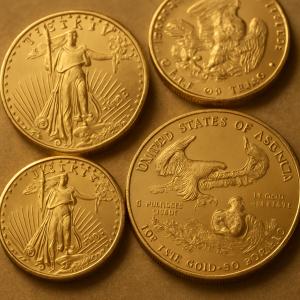
The 1999 American Silver Eagle is a bullion coin that contains one troy ounce of silver. Its value is closely tied to the current silver price, plus a premium for its collectible status. Generally, a 1999 Silver Eagle might be valued at $30 to $50. 
1891 US Silver Dollar Coin Value
The 1891 Morgan Dollar is notable for its various mint marks. A common date 1891 Morgan Dollar might be valued between $25 and $45, while rare mint marks, like those from Carson City, can demand much higher prices.
1795 Silver Dollar Coin Value
The 1795 Flowing Hair Dollar is one of the earliest U.S. silver dollars. Its rarity and historical significance make it exceptionally valuable. Prices can range from several thousand dollars for well-preserved examples to over $50,000 for coins in top condition.
1889 US Silver Dollar Coin Value
The 1889 Morgan Silver Dollar is another collectible coin. Depending on the mint mark and condition, its value can range from $20 to $150, with rare mint marks pushing the price higher.
1986 Silver Eagle Coin Value
The 1986 Silver Eagle is the first year of the American Silver Eagle series. Its value is typically linked to the silver content, with additional premiums for its inaugural year status. These coins can range from $30 to $60.
Investing in Silver Coins
Silver coins are not just collectibles; they can also be a smart investment. Here’s why:
Hedge Against Inflation
Silver is often seen as a safe haven asset that retains value over time. In times of economic uncertainty or inflation, silver prices tend to rise, making it an attractive option for preserving wealth. This characteristic makes silver coins a popular choice among investors looking to hedge against inflationary pressures.
Diversifying Your Portfolio
Adding silver to your investment portfolio can provide diversification, reducing overall risk. Precious metals like silver often behave differently than stocks and bonds, offering a counterbalance during market volatility. This diversification can enhance portfolio stability and long-term growth potential.
Tangible Asset with Intrinsic Value
Unlike stocks or bonds, silver coins are physical assets you can hold, providing a sense of security and ownership. Their intrinsic value, based on silver content, ensures that they will always have some worth, regardless of market fluctuations. This tangibility is especially appealing to investors who prefer assets they can physically possess.
Tips for Silver Coin Investment
- Research Thoroughly: Understand the market and historical values of coins you are interested in. Knowledge of past trends and current market conditions can help you make informed investment decisions, maximizing potential returns.
- Buy from Reputable Dealers: Ensure authenticity by purchasing from established dealers. Reputable dealers provide guarantees of authenticity and quality, reducing the risk of counterfeit or misrepresented coins.
- Consider Professional Grading: Professionally graded coins can provide assurance of quality and condition. Grading services offer a standardized evaluation, which can be particularly useful for novice investors looking to verify a coin’s legitimacy and worth.

by Scottsdale Mint (https://unsplash.com/@scottsdalemint)
Building a Silver Coin Collection
Starting a silver coin collection can be rewarding. Here are a few tips to get you started:
Focus on Specific Themes
Decide whether you want to collect coins from a particular era, mint, or design. Specializing can make your collection more cohesive and valuable. Focusing on specific themes can also make the collecting process more enjoyable, as you build expertise in a particular area.
Stay Informed About Trends
Stay updated on market trends and news related to silver coins. This knowledge can help you make informed buying and selling decisions. Attending coin shows, joining collector forums, and subscribing to industry publications are great ways to keep abreast of the latest developments.
Proper Preservation Techniques
Properly store and handle your coins to maintain their condition. Use holders or albums designed for coin storage and avoid touching the surface of the coins with bare hands. Maintaining the integrity of your coins is crucial for preserving their value over time, especially for those in higher grades.
Networking with Other Collectors
Building relationships with other collectors can offer valuable insights and opportunities. Networking can lead to discovering rare coins, learning from others’ experiences, and even collaborating on trades or sales. Engaging with the community enriches the collecting experience.
Conclusion
Coin silver holds a unique place in both history and investment circles. Whether you’re interested in the historical significance, the artistry, or the investment potential, understanding what coin silver is worth can enhance your appreciation and strategy.
By considering factors such as rarity, condition, and current market trends, you can make informed decisions about buying, selling, and investing in silver coins. Whether you’re just starting your collection or looking to expand it, the world of silver coins offers endless opportunities for exploration and enjoyment. With careful research and strategic planning, your journey into silver coin collecting and investing can be both profitable and fulfilling.
Q&A
Question: What does “coin silver” mean in U.S. coins, and why does it matter?
Short answer: In the U.S., “coin silver” typically refers to the 90% silver/10% copper alloy used in many coins minted before 1965. It matters because this silver content gives each coin a baseline “melt value” tied to the current silver price, while collectible factors (rarity, condition, history, and demand) can add premiums above that baseline.
Question: How do I estimate what a silver coin is worth?
Short answer: Start with melt value by multiplying the coin’s silver content by the current silver price—that’s your baseline. Then assess premiums from rarity (mintage and mint marks), condition and professional grading, historical significance, and current collector/investor demand. Common-date, well-worn pieces often trade near melt; scarce, high-grade coins can be worth many multiples.
Question: Why did the U.S. stop minting 90% silver coins?
Short answer: In the mid-1960s, rising silver prices and resource concerns pushed the U.S. Mint to switch from 90% silver to lower-cost clad compositions (copper and nickel). This change makes pre-1965 silver coins both historically interesting and often more valuable, especially to collectors.
Question: How are older silver dollars valued compared to bullion coins like American Silver Eagles?
Short answer: Older dollars (e.g., Peace and Morgan) are priced by both silver content and numismatic premiums driven by date, mint mark, and grade. Bullion coins like the 1999 or 1986 American Silver Eagle track silver’s price plus a smaller collectible premium; for example, typical ranges cited are about $30–$50 (1999) and $30–$60 (1986), while certain Morgans/Peaces can range from $20–$150 for common dates to hundreds or more in mint condition—and early rarities like the 1795 Flowing Hair can reach into the thousands.
Question: What practical tips can help me invest in or collect silver coins wisely?
Short answer: Research market history and current trends, and buy from reputable dealers to ensure authenticity. Consider professional grading for condition assurance, store coins properly to preserve value, and remember silver’s role in diversification and inflation hedging. Focused collecting themes and networking with other collectors can improve both knowledge and opportunities.