Spot Price of Gold Ounce
Understanding the spot price of gold is essential for anyone interested in buying, selling, or investing in this precious metal. The spot price represents the current market price at which gold can be bought or sold for immediate delivery. This article will provide you with a comprehensive guide on the spot price of gold, including factors that influence it, how it relates to other forms of gold, and its significance in the global market.
The spot price of gold is the current price in the marketplace at which a given asset—gold, in this case—can be bought or sold for immediate payment and delivery. Unlike futures prices, which are agreed upon today for delivery at a future date, the spot price reflects current market conditions.
Understanding the distinction between spot and futures prices is crucial. While the spot price represents the immediate transaction value, futures prices involve contracts set for future delivery. This difference can impact investment strategies and risk assessments, as futures prices may include expectations of future events and market conditions.
Spot prices cater to immediate transactions, making them highly relevant for investors who wish to buy or sell gold quickly. This immediacy provides a clear view of current market sentiments and allows traders to react promptly to market changes without the need to speculate on future price movements.
The spot price serves as a global benchmark for gold pricing. As an internationally recognized standard, it ensures uniformity across different markets. This uniformity helps investors and traders make informed decisions, whether they are trading in New York, London, or Tokyo. 
Importance of Spot Price
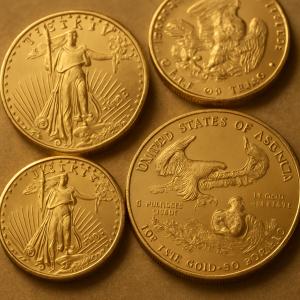
The spot price is crucial because it serves as a benchmark for pricing gold products worldwide. Whether you are dealing with gold coins, bars, or jewelry, the spot price is the starting point for determining the cost. Dealers typically add a premium to the spot price to cover costs and profit margins, which means the price you pay will be slightly higher than the spot price.
Pricing Gold Products
The spot price acts as the foundation for pricing various gold products. Gold dealers and jewelers set their rates by adding a premium to the spot price, which accounts for operational costs, craftsmanship, and profit margins. Understanding this structure helps consumers and investors gauge the fairness of the prices they encounter.
Impact on Investment Strategies
Spot prices influence investment strategies by providing a real-time assessment of gold’s value. Investors rely on spot prices to time their purchases and sales effectively, optimizing their portfolios based on current market conditions. This reliance makes the spot price a critical tool for financial planning and risk management.
Global Market Influence
As a global benchmark, the spot price affects international trade and investment flows. It facilitates cross-border transactions by providing a consistent pricing framework. This influence extends to currency markets and broader economic indicators, underscoring gold’s role in global finance.
Factors Influencing the Spot Price of Gold
Several factors can influence the spot price of gold:
Supply and Demand
The basic economic principle of supply and demand significantly affects the spot price of gold. When demand for gold increases, the spot price tends to rise. Conversely, when demand falls or supply increases, prices may drop.
Impact of Mining Production
Gold mining production levels play a crucial role in determining supply. A surge in production can increase supply, potentially lowering prices if demand doesn’t keep pace. Conversely, disruptions in major mining regions can constrict supply, causing prices to rise.
Consumer Demand Patterns
Consumer demand for gold, particularly in markets like India and China, significantly impacts prices. Cultural factors, economic conditions, and seasonal buying patterns can all influence demand, making it a dynamic component of price fluctuations.
Central Bank Activities
Central banks hold large reserves of gold and their buying or selling activities can influence the spot price. When central banks purchase gold, it can indicate confidence in the metal’s stability, often driving prices higher. Conversely, selling can signal a shift in economic strategy, impacting demand.
Economic Indicators
Economic indicators like inflation, interest rates, and currency strength can also impact gold prices. For instance, when inflation is high, gold is often seen as a safe haven, leading to increased demand and higher prices.
Inflation and Gold
Gold often serves as a hedge against inflation. As the cost of living rises, so does the appeal of gold as a stable store of value. This relationship can lead to increased demand and higher spot prices during inflationary periods.
Interest Rates and Investment
Interest rates influence the opportunity cost of holding gold. Lower interest rates make gold more attractive as it offers no yield, while higher rates can deter investment as other assets offer better returns. This interplay can affect gold’s demand and its spot price.
Currency Fluctuations
The strength of the US dollar, often inversely related to gold prices, can affect the spot price. A stronger dollar makes gold more expensive for foreign buyers, potentially reducing demand, while a weaker dollar can have the opposite effect.
Geopolitical Events
Political instability, wars, and other geopolitical events can drive up the demand for gold as investors look for stable assets. This increased demand can lead to a higher spot price.
Political Instability
Geopolitical tensions can create uncertainty in financial markets, prompting investors to seek refuge in gold. Events such as elections, policy changes, or diplomatic conflicts can all impact demand for gold as a safe-haven asset.
Wars and Conflicts
Wars and military conflicts often result in increased demand for gold due to heightened uncertainty and potential economic disruptions. Historically, during such times, investors flock to gold, driving up its price.
Trade Disputes
Trade disputes between major economies can influence gold prices. Tariffs and trade barriers can lead to economic uncertainty, encouraging investors to diversify into gold as a protective measure against market volatility.
Market Speculation
Traders’ speculation on future price movements can cause fluctuations in the spot price. Speculative trading often leads to short-term price volatility.
Role of Speculators
Speculators play a significant role in the gold market by attempting to profit from price fluctuations. Their activities can lead to increased volatility, especially when large volumes of trades are executed based on market sentiment or news.
Impact of Derivatives
The use of derivatives, such as options and futures, allows traders to speculate on future price movements. These financial instruments can amplify market movements, contributing to rapid changes in the spot price.
Short-term Volatility
Speculative trading can result in short-term price spikes or drops, influenced by market rumors, economic data releases, or sudden geopolitical developments. Understanding these dynamics can help investors navigate the complexities of the gold market.
Spot Price of Gold and Silver Today
Gold and silver prices are closely monitored by investors and traders worldwide. The spot price of gold and silver today is influenced by the aforementioned factors and can fluctuate throughout the trading day.
Live Gold Rates
Live gold rates provide real-time updates on the spot price. These rates can be accessed through financial news websites, trading platforms, and dedicated gold price tracking services.
Accessing Real-time Data
With the advent of technology, accessing real-time gold rates is easier than ever. Financial news websites, mobile apps, and trading platforms offer up-to-the-minute updates, enabling investors to make timely decisions based on current market conditions.
Importance for Traders
For traders, live gold rates are indispensable for executing trades at optimal prices. Real-time data allows them to respond swiftly to market changes, enhancing their ability to capitalize on short-term price movements and minimize risks.
Tracking Services
Dedicated gold price tracking services offer detailed insights into price trends, historical data, and market analysis. These resources provide valuable context for investors, helping them understand broader market dynamics and make informed decisions. 
Gold vs Silver Pricing
While both gold and silver are precious metals, their pricing dynamics differ. Silver is more volatile than gold, often experiencing larger percentage swings in price. Understanding these differences is essential for investors who trade both metals.
Comparative Volatility
Silver’s price is often more volatile than gold’s due to its smaller market size and broader industrial use. This volatility can present both opportunities and risks for investors seeking to trade on price fluctuations.
Industrial Demand
Silver’s extensive use in industries like electronics and solar power influences its price. Economic developments in these sectors can lead to demand shifts, impacting silver’s spot price differently than gold.
Investment Strategies
Investors often consider the gold-to-silver ratio when devising strategies. This ratio, which indicates how many ounces of silver are equivalent to one ounce of gold, can provide insights into market conditions and potential investment opportunities.
Spot Price of 14k Gold and Other Karats
Gold is often alloyed with other metals to increase its strength and durability. The karat system is used to denote the purity of gold, with 24k being pure gold.
Spot Price of 14k Gold
14k gold is 58.3% pure gold, with the remaining 41.7% made up of other metals. The spot price of 14k gold per gram is calculated based on the spot price of pure gold, adjusted for purity. To determine the price of 14k gold, you can multiply the spot price of pure gold by 0.583.
Calculating Purity
Understanding the calculation of 14k gold’s price involves knowing its purity percentage. By multiplying the spot price of pure gold by 0.583, you get the base price for 14k gold, which is crucial for both buyers and sellers in determining fair market value.
Market Preference
14k gold is popular for jewelry due to its durability and aesthetic appeal. Its market demand can fluctuate based on fashion trends, consumer preferences, and economic conditions, all of which influence its spot price.
Investment Considerations
While 14k gold is less pure than 24k, it still holds investment value. Investors should consider factors like liquidity, market demand, and potential resale value when evaluating 14k gold as part of their portfolio.
Spot Price of 10k Gold
Similarly, 10k gold is 41.7% pure gold. The spot price of 10k gold is calculated by multiplying the spot price of pure gold by 0.417.
Lower Purity, Lower Price
10k gold, being less pure, is more affordable than higher karat golds. This makes it accessible to a broader range of consumers, particularly those seeking budget-friendly options without sacrificing the allure of gold.
Durability and Use
Due to its higher alloy content, 10k gold is exceptionally durable, making it suitable for everyday wear. This durability, combined with its lower cost, makes it a popular choice for items like rings and bracelets.
Market Demand
The demand for 10k gold can vary based on economic conditions and consumer preferences. In times of financial constraint, lower karat golds may see increased demand as consumers look for cost-effective jewelry options.
Gold Price Forecast and Value Trends
Predicting gold prices is challenging due to the many variables involved. However, analyzing historical trends and current market conditions can provide insights into potential future movements.
Gold Price Today
Gold prices fluctuate throughout the day, influenced by market activities, news events, and economic data. Keeping track of the gold price today helps investors make informed decisions about buying or selling gold assets.
Intraday Fluctuations
Intraday price movements reflect immediate market reactions to economic reports, geopolitical news, and trading volumes. Monitoring these fluctuations can offer insights into short-term trends and potential buying or selling opportunities.
Economic Data Releases
Key economic data releases, such as employment figures and GDP growth rates, can impact gold prices. Traders often anticipate these releases, leading to increased volatility and potential trading opportunities.
News and Events
Global news events, from political developments to natural disasters, can influence investor sentiment and gold prices. Staying informed about these events allows investors to adjust their strategies accordingly. 
by Zlaťáky.cz (https://unsplash.com/@zlataky)
Gold Value Trends
Long-term trends in gold prices can reveal patterns that help forecast future prices. For instance, during times of economic uncertainty or political unrest, gold prices tend to rise.
Historical Analysis
Analyzing historical gold price trends can provide insights into potential future movements. Patterns such as bull and bear markets, influenced by economic cycles, can help investors anticipate long-term price directions.
Macro-Economic Impact
Macroeconomic factors, including monetary policies and fiscal stimuli, have significant impacts on gold’s value. Understanding these influences helps investors gauge the broader economic environment and its effect on gold prices.
Seasonal Variations
Gold prices may also exhibit seasonal trends, often peaking during times of increased demand, such as the wedding season in India. Recognizing these patterns can aid in timing purchases or sales for optimal returns.
Spot Price and Gold Trading
The spot price is a critical component in gold trading. Traders use the spot price to make decisions about buying or selling gold on the open market.
Gold Trading Price
The gold trading price is influenced by the spot price, with traders adding premiums based on market conditions and demand. Understanding the relationship between the spot price and the trading price can help investors make informed decisions.
Premiums and Discounts
The trading price of gold often includes premiums or discounts relative to the spot price. These adjustments reflect factors such as supply constraints, demand surges, and logistical considerations, impacting the final transaction cost.
Market Conditions
Market conditions, including liquidity and trading volumes, affect the spread between the spot and trading prices. In highly liquid markets, this spread may be narrower, offering better pricing for traders.
Timing and Execution
Timing plays a crucial role in gold trading. Traders aim to execute transactions when the spread between spot and trading prices is favorable, maximizing their potential gains or minimizing losses.
Role of Technology
Technology has transformed gold trading, providing tools for analyzing market trends and executing trades efficiently. Online platforms and algorithmic trading have increased market accessibility and transparency.
Online Trading Platforms
Online trading platforms offer real-time access to gold markets, enabling investors to monitor prices, execute trades, and manage portfolios from anywhere. These platforms provide a wealth of information and tools for informed decision-making.
Algorithmic Trading
Algorithmic trading uses computer algorithms to execute trades based on predefined criteria. This method can enhance trading efficiency and reduce human error, making it a valuable tool for active traders.
Data Analytics
Data analytics in gold trading involves analyzing large datasets to identify trends and patterns. Advanced analytics can provide insights into market sentiment and potential price movements, aiding in strategic planning.
Conclusion
The spot price of gold is a fundamental concept for anyone involved in the gold market. It serves as the baseline for pricing gold products and is influenced by various factors, including supply and demand, economic indicators, and geopolitical events. By understanding the spot price and its impact on gold trading, investors can make more informed decisions and better navigate the complex world of gold investment. Keeping an eye on live gold rates and staying informed about gold value trends can further enhance investment strategies.
Investment Strategies
Understanding the spot price is crucial for developing effective investment strategies. By closely monitoring market trends and external influences, investors can optimize their portfolios, balance risks, and capitalize on opportunities in the gold market.
Informed Decision Making
Knowledge of the spot price and its determinants empowers investors to make informed decisions. This understanding helps them assess market conditions, predict price movements, and determine the best times to buy or sell gold.
Future Outlook
While predicting future gold prices is challenging, staying informed about economic and geopolitical developments can provide valuable insights. Continuous learning and adaptation are key to successfully navigating the dynamic gold market and achieving investment goals.
Frequently Asked Questions
Question: What is the spot price of gold, and how is it different from a futures price?
Short answer: The spot price is the current market price for immediate payment and delivery of gold, reflecting real-time market conditions. Futures prices are agreed upon today for delivery at a later date and embed expectations about future events and market conditions. This distinction matters because spot informs immediate transactions, while futures affect strategies that consider anticipated changes and risk.
Question: Why do coins, bars, and jewelry cost more than the spot price?
Short answer: Retail gold products include a premium over spot to cover fabrication, operational costs, craftsmanship, logistics, and dealer profit. Premiums can widen or narrow based on market conditions—such as supply constraints, demand surges, and liquidity—so the final price you pay is typically above the spot benchmark.
Question: What factors most influence the spot price of gold?
Short answer: Key drivers include supply and demand dynamics, mining production, and consumer demand (notably in markets like India and China). Central bank buying or selling, macroeconomic indicators (inflation, interest rates, and the strength of the US dollar), and geopolitics (instability, wars, trade disputes) also play major roles. Speculative activity and derivatives can further amplify short-term volatility.
Question: How do I estimate the value of 14k or 10k gold from the spot price of pure gold?
Short answer: Multiply the spot price of pure (24k) gold by the karat’s purity factor: 14k = 0.583 and 10k = 0.417. For example, if the spot price is S per gram, 14k’s base metal value is 0.583 × S per gram and 10k’s is 0.417 × S per gram. Remember, retail items will still include premiums for craftsmanship and other costs.
Question: Why is silver often more volatile than gold, and how does that affect investing?
Short answer: Silver tends to be more volatile due to its smaller market size and broader industrial use, which makes its demand more sensitive to economic shifts in sectors like electronics and solar. This higher volatility can create larger percentage price swings—offering opportunities but also greater risk—so investors often watch metrics like the gold-to-silver ratio and tailor strategies accordingly.