price of silver predictions
In today’s ever-changing economic landscape, keeping a keen eye on precious metals like silver can offer valuable insights into market trends and investment opportunities. Whether you’re a seasoned investor or just starting to explore the world of precious metals, understanding the factors that influence silver prices and predicting future trends can be crucial. In this article, we’ll delve into the silver price forecast, discuss its market value, and explore how these insights can guide your investment decisions. 
Silver has long been considered both a commodity and a form of currency. Its unique properties and industrial applications make it a valuable asset. But what drives the price of silver? To predict future trends, we must first understand the key factors that influence its market value.
Summary
Silver prices are shaped by macroeconomic forces (inflation, interest rates, currency moves, and uncertainty), supply-demand dynamics (mining output, recycling, and sector demand like solar and electronics), and geopolitical/regulatory developments. Current trading values hinge on spot price plus premiums/discounts, liquidity by product type, and regional variations from taxes and local market conditions. Forecasts rely on historical cycles, technological trends, and expert outlooks, with inherent volatility. Investors can use physical silver, ETFs, or mining stocks, and should diversify, monitor trends, and consider professional advice.
Economic Indicators
Inflation and Interest Rates
Silver prices are often influenced by broader economic indicators, notably inflation and interest rates. Inflation diminishes the purchasing power of money, leading investors to seek refuge in tangible assets like silver. Conversely, higher interest rates can make non-yielding investments such as silver less attractive, as investors might prefer income-generating assets.
Currency Fluctuations
Currency fluctuations also play a pivotal role in silver pricing. A weak dollar typically elevates silver prices, as silver becomes cheaper for foreign investors, boosting demand. Understanding the interplay between currency values and silver can provide a deeper insight into potential market movements.
Economic Uncertainty
During times of economic uncertainty, silver often shines as a safe-haven asset. Investors may shift their portfolios away from riskier assets towards precious metals, driving up demand and prices. Monitoring economic indicators can thus offer clues about potential shifts in silver prices.
Supply and Demand Dynamics
Mining Production
The supply of silver is heavily dependent on mining production. Any disruptions in mining operations, due to labor strikes, environmental policies, or geological challenges, can constrict supply, influencing price levels. Keeping abreast of mining sector developments is crucial for anticipating supply-side changes.
Recycling Efforts
Recycling serves as a supplementary source of silver supply. As technology advances, recycling processes become more efficient, potentially increasing the available silver supply. However, fluctuations in recycling rates can also lead to supply variances, which may affect pricing.
Sector-Specific Demand
Demand for silver spans diverse sectors, including jewelry, electronics, and solar energy. Each sector’s growth or contraction can significantly impact overall demand. For instance, the rise of solar energy has increased silver demand, while shifts in fashion can influence jewelry demand.
Geopolitical Events
Trade Policies
Geopolitical tensions and global trade policies can significantly affect silver prices. Trade restrictions, such as tariffs on imported goods, can alter supply chains and production costs, indirectly impacting silver prices. Analyzing trade policies can thus provide foresight into market trends.
Political Instability
Political instability in silver-producing regions can disrupt mining operations and supply chains, causing price volatility. Monitoring political developments in key regions can help investors anticipate potential supply disruptions and price fluctuations.
Environmental Regulations
Stricter environmental regulations can also impact silver mining and production. Compliance with these regulations might lead to increased production costs or reduced mining activities, affecting overall supply and market prices.
Current Silver Rates and Market Value

As of today, the silver spot price serves as a benchmark for trading prices. The spot price is the current market value at which silver can be bought or sold for immediate delivery. It’s important for investors to be aware of the current silver rates, as these are subject to change based on the factors discussed earlier.
Silver Trading Prices
Forms of Silver Investments
Silver trading prices can vary depending on the form in which silver is bought or sold. Bullion, coins, and jewelry each have their own market prices. For instance, the price of a 1 kilo silver bar might differ from the price of the same weight in coins due to manufacturing and distribution costs.
Premiums and Discounts
When purchasing silver, investors must consider premiums over the spot price, which include costs for minting, shipping, and insurance. Conversely, when selling, discounts may apply based on the condition and type of silver. Understanding these additional costs is essential for evaluating investment returns.
Market Liquidity
The liquidity of different silver forms can affect trading prices. Coins and smaller bullion pieces might offer greater liquidity, allowing for easier buying and selling. Larger bars might have less liquidity but could offer lower premiums, influencing overall investment strategies.
Regional Price Variations
Local Demand and Supply
The price of silver can also vary by location. For example, the price of silver in Hyderabad may differ from that in other cities due to local demand and supply conditions. Keeping track of regional price trends can offer additional insights for investors.
Taxation and Regulations
Local taxation and regulatory policies can impact silver prices. Sales taxes or import duties can increase costs for investors in certain regions. Understanding local regulations can aid in making informed investment decisions.
Economic Conditions
Regional economic conditions can influence silver prices. Areas with robust economic growth might see higher silver demand, while regions facing economic challenges may experience reduced demand. Monitoring local economies can provide further insights into price variations.
Silver Price Forecast
Predicting the future price of silver involves analyzing historical data and current market conditions. While it’s impossible to predict exact prices, we can identify potential trends and make educated guesses about where the market might be headed.
Historical Silver Price Trends

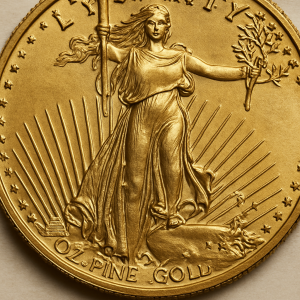
by Scottsdale Mint (https://unsplash.com/@scottsdalemint)
Economic Cycles
Looking at the silver price history, we notice patterns of peaks and troughs that correspond with economic cycles. For instance, during periods of economic boom, silver prices may dip as investors turn to higher-yielding assets. Conversely, during economic downturns, silver often becomes a preferred safe-haven investment, pushing prices upward.
Technological Advancements
Technological advancements can also influence historical price trends. Innovations in mining and recycling can alter supply dynamics, affecting prices. Historical analysis of technological impacts can offer clues about future price behavior.
Historical Events
Major historical events, such as financial crises or geopolitical conflicts, have historically impacted silver prices. Analyzing past events and their effects on silver can help investors anticipate how future occurrences might influence market trends.
Expert Predictions
Industry Analysts
Market analysts and financial experts often provide silver investment tips based on their forecasts. Some predict a steady rise in silver prices due to increasing industrial demand and limited supply. Others caution that prices may experience volatility due to geopolitical uncertainties and economic policy shifts.
Technological Impact
Experts also consider the impact of technology on silver demand. The growth of industries such as renewable energy and electronics, which heavily rely on silver, could drive demand. Understanding these technological trends is crucial for making informed investment decisions.
Economic and Political Outlook
The broader economic and political outlook forms the basis for many expert predictions. Analysts assess potential policy changes, international relations, and economic growth forecasts to gauge how these factors might influence silver prices in the future.
Investing in Silver
Given the current silver rates and market predictions, how should one approach investing in silver?
Silver Bullion and Coins
Physical Silver Advantages
Investing in silver bullion or coins is a popular choice for many investors. These physical forms of silver can be easily bought and sold, providing a tangible asset that can be stored for future value appreciation. Owning physical silver also offers a sense of security during economic uncertainties.
Storage and Security
Investors must consider storage and security for physical silver. Options range from home safes to bank vaults, each with varying costs and risks. Proper storage is crucial for protecting your investment from theft or damage.
Resale Considerations
When investing in physical silver, resale potential is an important factor. Coins and smaller bullion pieces might be easier to sell than larger bars. Understanding the resale market can enhance investment liquidity and returns.
Silver ETFs and Mining Stocks
Indirect Investment Benefits
For those looking to invest without handling physical silver, Exchange-Traded Funds (ETFs) and mining stocks offer alternative options. These financial instruments allow investors to gain exposure to silver prices without the need for storage or security concerns.
Market Volatility
ETFs and mining stocks can be subject to market volatility, as they are influenced by broader stock market conditions. Understanding this volatility is crucial for managing investment risk and expectations.
Performance Tracking
Investors should track the performance of selected ETFs and mining stocks, as these can differ based on management strategies and market conditions. Regular performance reviews can aid in making timely investment decisions.
Diversification and Risk Management
Portfolio Diversification
As with any investment, diversification is key to managing risk. Combining silver with other asset classes in your portfolio can help mitigate potential losses and enhance overall returns. A well-diversified portfolio can provide stability in uncertain market conditions.
Monitoring Trends
Staying informed about market trends and expert forecasts can aid in making timely investment decisions. Regularly reviewing economic indicators, geopolitical developments, and industry trends can provide valuable insights into silver market dynamics.
Professional Advice
Consulting with financial advisors can provide personalized investment strategies that align with individual financial goals. Professional guidance can help navigate market complexities and optimize investment outcomes.
Conclusion
The price of silver is influenced by a variety of factors, from economic indicators to geopolitical events. Understanding these elements can help investors make informed decisions and capitalize on market trends. Whether you’re interested in trading silver or seeking long-term investment opportunities, keeping an eye on silver price predictions is essential for navigating the precious metals market.
By staying informed and considering expert insights, you can position yourself to make strategic investments that align with your financial goals. As always, it’s important to conduct thorough research and consult with financial advisors to tailor your investment strategy to your individual needs.
Silver, with its enduring value and diverse applications, remains a compelling choice for investors seeking to diversify their portfolios and protect against economic uncertainties.
Q&A
Question: What are the biggest drivers of silver prices, and which matter most in the short vs. long term?
Short answer: Silver moves on a mix of macroeconomics, supply-demand, and geopolitics. In the short term, prices react most to inflation data, interest-rate expectations, currency swings (especially the U.S. dollar), and spikes in economic uncertainty. Over the long term, structural shifts in demand (solar, electronics, jewelry), changes in mining output and recycling, and regulatory or environmental policies shape the trend.
Question: Why is my silver coin priced above (or below) the spot price? What sets premiums and discounts?
Short answer: The spot price is the benchmark for immediate delivery, but retail prices include premiums for minting, distribution, shipping, insurance, and dealer margins. Form and liquidity matter: coins and smaller bullion pieces often carry higher premiums but are easier to sell; larger bars tend to have lower premiums but less liquidity. When selling, discounts reflect the item’s type and condition. Local taxes, import duties, and regional supply-demand can also widen the gap from spot.
Question: How might different economic scenarios affect silver over the next few years?
Short answer:
- High inflation or rising uncertainty: Investors seek safe havens, often supporting higher silver prices.
- Higher interest rates and strong growth: Yielding assets look more attractive, which can pressure silver.
- Currency shifts: A weaker dollar typically boosts silver by improving overseas demand; a stronger dollar can weigh on it.
- Policy and geopolitical shocks: Trade barriers, political instability in producing regions, or tighter environmental rules can disrupt supply and add volatility, potentially lifting prices.
Question: Should I choose physical silver, ETFs, or mining stocks?
Short answer:
- Physical bullion/coins: Tangible asset and perceived security in turmoil; requires storage and security, and resale is usually easiest for coins/smaller pieces.
- Silver ETFs: Convenient exposure without storage needs, but they move with market sentiment and broader equity-market volatility.
- Mining stocks: Indirect exposure that can be more volatile due to company-specific and market factors. Many investors diversify across types, monitor trends, and consider professional advice to match choices with goals and risk tolerance.
Question: Which indicators should I watch to keep my silver outlook up to date?
Short answer: Track key macro signals (inflation, interest-rate expectations, and major currency moves), mining-production updates and recycling trends, sector demand (notably solar and electronics), geopolitical and trade-policy changes, and environmental regulations. Also watch practical market factors like spot price vs. retail premiums/discounts, liquidity for the forms you own, and regional effects from taxes and local supply-demand.