Price of a Silver Coin
Investing in silver coins is a popular choice among both seasoned investors and newcomers to the precious metals market. Understanding the dynamics of silver coin pricing is essential for making informed investment decisions. In this article, we will delve into the factors affecting silver coin value, explore the current market trends, and provide insights on how to assess the worth of your silver coins. 
Silver coins derive their value from a combination of factors, including their silver content, rarity, historical significance, and market demand. The primary driver of a silver coin’s price is the current market value of silver, measured in troy ounces. However, several other elements come into play.
Factors Influencing Silver Coin Prices
- Silver Content:The amount of pure silver in a coin significantly impacts its value. Coins with a higher silver content are generally more valuable, as they contain a greater quantity of the metal. This intrinsic value is the baseline upon which other factors build, making silver content a pivotal consideration in pricing. Investors often prioritize coins with a known and verifiable silver composition to ensure they are getting fair value.
- Rarity:
Coins that are rare or limited in mintage tend to have higher value due to their scarcity. A coin’s rarity can be due to a limited run by the mint, historical events that reduced the number available, or simply the passage of time leading to fewer surviving specimens. Collectors and investors alike are often willing to pay a premium for these rare coins, recognizing their potential for value appreciation over time.
- Condition:
The physical condition of a silver coin, often referred to as its grade, is a crucial factor. Coins in mint condition or with minimal wear fetch higher prices, as they are more desirable to collectors and investors. The grading of coins is a specialized field, and professional grading can provide a standardized assessment of a coin’s condition, influencing its market price significantly.
- Historical Significance:
Coins with historical importance or unique designs can command a premium in the market. Historical coins often tell a story of a particular era, regime, or event, adding an intangible value that appeals to history enthusiasts and collectors. This added significance can turn a simple silver coin into a cherished artifact, making it more desirable and valuable.
- Market Demand:
Fluctuations in demand for silver coins affect their prices. Economic conditions, investor sentiment, and geopolitical events can influence demand. During times of economic uncertainty, for example, investors might flock to silver coins as a safe-haven asset, driving up prices. Conversely, in stable times, demand might wane, affecting the coin’s market value.
Current Market Trends for Silver Coins

The silver coin market is dynamic, with prices influenced by global economic conditions, geopolitical events, and investor behavior. As of today, the price of silver dollar coins, including the widely traded American Silver Eagle, is closely tied to the spot price of silver.
Price of Silver Eagle Coins
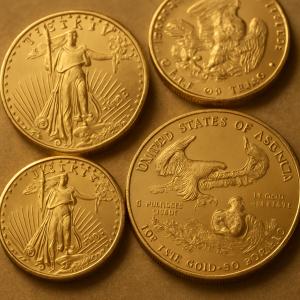
The American Silver Eagle is one of the most popular silver coins for investment. Its price reflects both the spot price of silver and a premium that covers minting and distribution costs. Currently, the market trend shows a steady demand for Silver Eagles, making them a reliable investment choice.
Popularity and Demand:
The American Silver Eagle stands out due to its widespread recognition and trust among investors. Its consistent quality and government backing make it a staple in many investment portfolios. This popularity ensures a liquid market, making buying and selling relatively straightforward for investors.
Premium Considerations:
While the spot price of silver sets the base cost, the premium on Silver Eagles includes minting and distribution fees. This premium can vary based on market conditions, with increased demand often leading to higher premiums. Understanding these factors is crucial for investors looking to maximize returns.
Investment Reliability:
Silver Eagles are often viewed as a safe investment due to their consistent demand and government backing. Their reliability as an investment vehicle makes them particularly attractive during volatile market periods, providing a stable option for those looking to diversify their holdings.
Price of 90% Silver Coins
Also known as “junk silver,” 90% silver coins are pre-1965 U.S. coins that contain 90% silver. These coins are valued for their silver content and are a cost-effective way to invest in silver. The price of 90% silver coins is typically lower than that of newly minted bullion coins, providing a good entry point for new investors.
Historical Context:
90% silver coins, often referred to as “junk silver,” were once part of everyday currency. Their historical context adds an element of nostalgia and educational value, making them a unique investment option. Collectors and investors alike appreciate the tangible connection to the past these coins provide.
Cost-Effectiveness:
For those new to silver investing, 90% silver coins offer a cost-effective entry point. Their lower premiums compared to bullion coins allow investors to acquire silver at a more accessible price. This affordability can encourage newcomers to start their silver investment journey with confidence.
Market Dynamics:
Despite being labeled as “junk,” these coins hold significant value due to their silver content. Market dynamics, including fluctuations in silver prices and changing investor preferences, can impact their value. Staying informed about these trends ensures investors make well-timed decisions.
How to Determine the Price of Silver Coins Today
To determine the current price of silver coins, consider the following steps:
The spot price of silver is the base price for most silver coin transactions. It is the current market price per ounce of silver, determined by global supply and demand. Regularly monitoring the spot price is essential for investors looking to buy or sell silver coins at optimal times.
- Consider the Premium:
Coins often carry a premium over the spot price. This premium covers minting, distribution, and dealer margins. Understanding the components of this premium helps investors assess whether they are paying a fair price. In times of high demand, premiums can increase, impacting the overall cost.
- Evaluate Coin Condition:
The condition or grade of the coin can significantly affect its value. Coins in better condition will usually have a higher price. Professional grading services provide a reliable assessment of a coin’s condition, offering transparency and confidence in pricing. Buyers and sellers alike benefit from understanding a coin’s grade.
- Research Market Trends:
Stay informed about market trends and news that may affect silver prices. Economic reports, geopolitical events, and changes in investor demand can all impact prices. Being proactive in researching and understanding these trends empowers investors to make strategic decisions, maximizing their investment potential.
Silver Coin Appraisal and Investment

by Zlaťáky.cz (https://unsplash.com/@zlataky)
For those looking to invest in silver coins, getting an appraisal can provide an accurate valuation. A professional appraisal considers the coin’s silver content, rarity, condition, and market demand.
Silver Coin Worth in India
In India, silver coins are a popular investment and gifting option. The price of silver coins in India is influenced by global silver prices, import duties, and local demand. Investors in India should consider these factors when buying or selling silver coins.
Cultural Significance:
Silver coins in India hold cultural and traditional value, often used in ceremonies and as gifts. This cultural significance can enhance their desirability and market value. Understanding the cultural context of silver coins in India provides insight into their unique market dynamics.
Influencing Factors:
Global silver prices, import duties, and local demand all play a role in determining the value of silver coins in India. Economic policies and currency fluctuations can also impact pricing. Investors must consider these factors to make informed decisions in this dynamic market.
Investment Potential:
Silver coins offer a tangible investment option in India, often seen as a hedge against inflation and currency devaluation. Their potential for appreciation, coupled with their cultural significance, makes them an attractive choice for investors. A strategic approach can maximize returns in this market.
Silver Coin Investment Strategies
Investing in silver coins can be a smart way to diversify your portfolio. Here are some strategies to consider:
- Diversify Your Collection:
Invest in a mix of bullion coins, collectible coins, and junk silver to balance risk and potential returns. Diversification spreads risk across different types of coins, each with unique market dynamics. This approach can enhance portfolio resilience and growth potential.
Keep up with market trends and economic news that could affect silver prices. Staying informed empowers investors to make timely decisions, capitalizing on market opportunities. Regularly consuming reliable news sources and financial reports is key to informed investing.
- Long-Term Perspective:
Silver coins are often best suited for long-term investment. Be prepared for price fluctuations and hold onto your investment through market cycles. A long-term perspective allows investors to weather short-term volatility, ultimately benefiting from the potential appreciation of silver over time.
Buying and Selling Silver Coins
When buying silver coins, ensure you purchase from reputable dealers to guarantee authenticity and fair pricing. Look for dealers who provide transparent pricing and offer a buyback policy.
Silver Coin Sales and Buying Tips
- Research Dealers:
Choose dealers with a good reputation and track record in the market. Reputable dealers offer assurance of authenticity and fair pricing, providing peace of mind to investors. Conducting thorough research helps identify trustworthy dealers.
- Verify Authenticity:
Ensure that the coins are authentic and come with proper certification or packaging. Authenticity is crucial in maintaining the value of silver coins, protecting investors from counterfeit risks. Proper certification adds an extra layer of security to investments.
- Compare Prices:
Shop around to find the best prices, taking both the spot price and premiums into account. Comparing prices across multiple dealers ensures investors get the most value for their money. This diligence can lead to significant savings over time.
- Consider Bulk Purchases:
Buying silver coins in bulk can often reduce the per-coin premium, making it a cost-effective strategy. Bulk purchases offer economies of scale, lowering overall investment costs. This strategy is particularly beneficial for investors looking to build substantial holdings.
Conclusion
Silver coins offer a tangible and potentially profitable investment opportunity. By understanding the factors that influence silver coin value and keeping abreast of market trends, investors can make informed decisions that enhance their portfolios. Whether you’re investing in Silver Eagles, 90% silver coins, or exploring the silver coin market in India, knowledge and strategic planning are key to maximizing returns. Remember to consult with professionals and stay informed to navigate the ever-changing landscape of silver coin trading successfully.
Q&A
Question: What are the main factors that influence a silver coin’s price?
Short answer: A silver coin’s price is driven primarily by its silver content and the current spot price of silver, then adjusted for other elements: rarity (limited mintage or survival), condition/grade (mint state coins fetch more), historical significance (unique designs or ties to notable eras), and overall market demand. Economic and geopolitical shifts can push demand up or down, affecting premiums and final prices.
Question: Why do American Silver Eagles sell above the spot price of silver?
Short answer: Silver Eagles are priced at the spot price of silver plus a premium that covers minting, distribution, and dealer margins. Strong, steady demand—bolstered by their government backing, wide recognition, and liquidity—can lift premiums further, especially during volatile markets when more investors seek safe-haven assets.
Question: What are 90% “junk silver” coins, and why might they be attractive to investors?
Short answer: These are pre‑1965 U.S. coins containing 90% silver. They’re primarily valued for their silver content and usually carry lower premiums than newly minted bullion coins, making them a cost‑effective entry point. Although called “junk,” they can be influenced by the same market dynamics as other silver, and their historical context adds appeal for some buyers.
Question: How can I determine the fair price of a silver coin today?
Short answer: Start by checking the current spot price of silver. Then account for the coin’s premium (minting, distribution, and dealer costs), which can rise with demand. Evaluate the coin’s condition or grading, since higher-grade coins command more. Finally, review current market trends and news—economic and geopolitical factors can quickly shift both silver prices and premiums.
Question: What special factors affect silver coin prices in India?
Short answer: In India, prices reflect global silver rates but are further shaped by import duties, local demand, and currency/economic policies. Cultural uses—such as gifting and ceremonies—also support demand. Investors should weigh these influences alongside standard considerations like premiums, condition, and dealer reputation.