gold percentage by karat

Gold is one of the most precious metals in the world, cherished for its beauty and rarity. Its allure has captivated cultures for thousands of years, symbolizing wealth, power, and prestige. But when you buy gold jewelry or investment pieces, how do you know how much gold you’re really getting? The answer lies in understanding gold karats. This comprehensive guide will help you decode the gold grading system, understand gold purity levels, and make informed decisions when purchasing gold, whether for personal adornment or investment purposes.
What is a Karat?
The term “karat” is used to describe the purity of gold. It is a crucial metric that helps buyers understand the composition of gold items they are purchasing. Karats indicate how many parts, out of 24, are pure gold. Therefore, the higher the karat, the purer the gold. Pure gold is 24 karats, which means all 24 parts are gold without any other metals mixed in. Understanding this concept is essential for anyone interested in the gold market.
The Historical Background of Karats
The karat system has its roots in ancient trade practices. Historically, different cultures developed various methods for measuring gold purity, but the karat system emerged as a standardized measure. It was widely adopted due to its simplicity and effectiveness in conveying gold content. This historical context not only enriches our understanding of karats but also highlights the significance of gold across cultures and epochs.
The Science Behind Gold Purity
Gold’s malleability and ductility are directly related to its purity. Pure gold, being highly malleable, is easily shaped but lacks the hardness required for many practical applications. The science of metallurgy has evolved to optimize gold’s properties by mixing it with other metals, leading to a deeper understanding of gold’s behavior and utility. This scientific insight is critical for jewelers and investors alike.
The Importance of Karat Knowledge
Having a grasp of what karats mean can empower consumers and investors. For those purchasing jewelry, it affects durability, price, and appearance. For investors, karat knowledge impacts decisions regarding gold bars or coins. Understanding karats helps in assessing the true value of gold items and ensures that buyers make informed choices that align with their needs and expectations.
Why Mix Gold with Other Metals?
Pure gold is soft and malleable, which makes it easy to shape but not ideal for everyday wear. To increase its durability, gold is often alloyed with other metals such as silver, copper, or zinc. This mixture not only makes the gold more durable but can also change its color and lower its price. These alterations can significantly affect the appeal and functionality of gold items.
Enhancing Durability
The primary reason for mixing gold with other metals is to enhance its durability. Pure gold is prone to scratching and bending, which limits its practical use in everyday items. By alloying gold with metals like copper or nickel, the resulting product is much more robust, able to withstand the rigors of daily wear. This durability is especially important for items like wedding rings, which are worn continuously.
Influencing Color and Aesthetics
The choice of alloying metals can also influence the color of gold. For instance, adding copper results in a reddish hue, creating rose gold, while adding silver or nickel can produce white gold. These variations not only offer aesthetic diversity but also cater to different consumer preferences. The ability to alter the color of gold expands its appeal and allows for greater creativity in jewelry design.
Cost Implications
Mixing gold with less expensive metals reduces the overall cost of the final product. This makes gold items more accessible to a broader audience. By lowering the price point, jewelers can offer a variety of gold products that cater to different budgets without compromising on quality and durability. This economic aspect is crucial for both consumers and the jewelry industry.
Understanding Gold Karats

Here’s a breakdown of the most common gold karats you’ll encounter. Each karat level represents a different balance of purity, durability, and cost, influencing the suitability of gold for various applications. Understanding these differences is essential for making the right choice when purchasing gold.
24 Karat Gold
24K gold is 99.9% pure gold. It’s the highest purity you can buy, but it’s also the most malleable and expensive. 24K gold is often used in high-end jewelry and investment-grade bars. Its rich, vibrant yellow color is unmistakable. However, because it’s so soft, it’s not ideal for jewelry that you’ll wear daily.
Characteristics and Uses
Due to its high purity, 24K gold is often reserved for ceremonial purposes or investment assets. It is too soft for practical use in most jewelry, which is why it’s typically found in items like gold coins, bars, and decorative pieces that are not subject to frequent handling. Its intrinsic value makes it a sought-after commodity among investors.
Cultural Significance
In many cultures, 24K gold holds significant cultural and religious importance. It is often used in traditional ceremonies and as gifts during important life events. The purity of 24K gold is seen as a symbol of prosperity and good fortune, making it a cherished material in weddings, religious rituals, and other cultural celebrations.
Investment Value
As an investment, 24K gold is highly valued due to its purity. Investors favor it for its intrinsic value and liquidity in the global market. Owning 24K gold can be a hedge against economic instability and inflation, making it a popular choice among those looking to diversify their investment portfolios.
22 Karat Gold
22K gold consists of 22 parts gold and 2 parts other metals, making it 91.67% pure. This karat is popular for high-quality jewelry and has a slightly paler yellow hue compared to 24K gold. While it remains quite soft, it’s more durable than pure gold and can be worn more regularly.
Ideal for High-Quality Jewelry
22K gold strikes a balance between purity and durability, making it ideal for high-quality jewelry. Its lustrous appearance and relatively high gold content give it a luxurious feel, while its added strength allows for intricate designs that can withstand regular use.
Popularity in Different Markets
In countries like India and the Middle East, 22K gold is highly prized and commonly used in jewelry. Its cultural significance and aesthetic appeal make it a preferred choice for wedding jewelry and heirloom pieces. The demand for 22K gold in these markets is driven by both tradition and the metal’s investment potential.
Maintenance and Care
22K gold jewelry requires careful maintenance to preserve its appearance and integrity. Owners should avoid exposing it to harsh chemicals and store it properly to prevent scratches and tarnishing. Regular cleaning and inspection by a professional jeweler can help maintain its shine and value.
18 Karat Gold
18K gold is composed of 18 parts gold and 6 parts other metals, resulting in 75% gold. This karat is a good balance between purity and strength, making it popular for fine jewelry. Its softer yellow color is complemented by a more durable structure, suitable for rings and bracelets.
Versatility and Design
18K gold’s balance of purity and durability makes it versatile for various jewelry designs. It is often used in engagement rings, bracelets, and other fine jewelry where both beauty and strength are desired. The additional metals in 18K gold enhance its toughness, allowing for more complex and intricate designs.
Color Variations
The specific alloys used in 18K gold can result in different color variations, including white gold and rose gold. These variations offer consumers a wide range of options to match their personal style and preferences. The adaptability of 18K gold to different color preferences makes it a popular choice for custom jewelry designs.
Cost Considerations
18K gold is more affordable than higher karats like 22K and 24K, making it accessible to a larger audience. Its combination of quality and affordability appeals to those seeking high-end jewelry without the premium price tag. This makes 18K gold a popular choice for both personal purchases and gifts.
14 Karat Gold
14K gold contains 14 parts gold and 10 parts other metals, making it 58.3% pure gold. This is a very common karat for everyday jewelry. It’s more affordable, durable, and has a slightly paler color than higher karats, but still retains a warm, yellow glow.
Everyday Jewelry
14K gold’s durability makes it ideal for everyday jewelry such as necklaces, earrings, and bracelets. Its resistance to wear and tear ensures that it can withstand daily activities without losing its appeal. This practicality makes 14K gold a favorite among those seeking reliable and attractive jewelry for regular wear.
Affordability and Accessibility
With its lower gold content, 14K gold is more affordable than higher karat options, making it accessible to a broader market. This affordability allows consumers to own quality gold jewelry without a significant financial investment. The wide availability of 14K gold pieces means there are options for every style and budget.
Care and Maintenance
Despite its durability, 14K gold still requires proper care to maintain its luster. Regular cleaning and avoiding exposure to harsh chemicals can help preserve its appearance. Storing 14K gold jewelry properly when not in use will also prevent scratches and prolong its lifespan.
10 Karat Gold
10K gold is the lowest karat that can still be legally sold as gold in many countries. It contains 10 parts gold and 14 parts other metals, translating to 41.7% pure gold. It’s highly durable and more affordable, but its color is less vibrant. It’s ideal for jewelry that needs to withstand daily wear and tear.
Durability and Practicality
The high alloy content in 10K gold makes it extremely durable, suitable for jewelry that endures frequent handling and use. This toughness makes it an excellent choice for items like rings and chains that are subject to daily wear. Its resilience against scratches and dents is a significant advantage for practical use.
Economic Benefits
10K gold offers significant cost savings compared to higher karat gold. Its affordability makes it a practical option for those looking to purchase gold jewelry on a budget. This economic benefit extends to retailers as well, allowing them to offer a wider range of products to cost-conscious consumers.
Limitations and Considerations
While 10K gold is durable and affordable, its lower gold content results in a less vibrant color, which may not appeal to everyone. Additionally, some people may experience allergic reactions to the higher alloy content. Prospective buyers should weigh these factors against the benefits when choosing 10K gold.
Gold Content Analysis

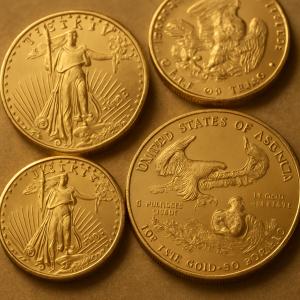
by rc.xyz NFT gallery (https://unsplash.com/@moneyphotos)
When buying gold, it’s important to understand the gold content. This is where gold content analysis comes into play. Jewelers and experts use various methods to determine the purity of gold, including acid tests, electronic testers, and X-ray fluorescence. These methods ensure the authenticity and quality of gold items.
Acid Testing
Acid testing involves applying a small drop of acid to a scratch made on the gold piece. The reaction indicates the metal’s purity. This method is quick and inexpensive but requires skill to interpret accurately.
Procedure and Tools
The process of acid testing involves using a testing kit that typically includes several acids of different strengths and a touchstone. The jeweler scratches the gold item on the touchstone and applies the acid. The reaction, or lack thereof, helps determine the karat level. This method is widely used for its simplicity and effectiveness.
Advantages and Limitations
One of the main advantages of acid testing is its cost-effectiveness. However, it has limitations, such as the potential for damaging the item if not done carefully. Additionally, it requires a skilled professional to interpret the results accurately. Despite these limitations, acid testing remains a popular choice for jewelers.
Common Applications
Acid testing is commonly used in pawn shops and jewelry stores for quick assessments. It’s particularly useful for evaluating scrap gold or items with unclear provenance. This method provides a fast and reasonably accurate assessment of gold purity, making it a valuable tool in the trade.
Electronic Testing
Electronic testers use electrical currents to measure the metal’s resistance, determining purity levels. This method is more reliable and less intrusive than acid testing.
How It Works
Electronic testers work by passing a small electrical current through the gold item. The resistance measured by the tester correlates with the metal’s purity. These devices are user-friendly and provide immediate results, making them a convenient option for jewelers and buyers alike.
Benefits of Electronic Testing
Electronic testing offers several benefits, including its non-destructive nature. Unlike acid testing, it does not risk damaging the item. The accuracy and speed of electronic testers make them an attractive choice for both retail settings and private buyers interested in verifying gold content.
Ideal Use Cases
Electronic testing is ideal for environments where quick and accurate testing is needed without harming the item. It’s popular among jewelry appraisers and is increasingly being adopted by consumers who wish to test their gold at home. The ease of use and precision of electronic testers contribute to their growing popularity.
X-ray Fluorescence
X-ray fluorescence (XRF) is a non-destructive testing method that uses X-rays to determine the elemental composition of the metal. It’s highly accurate but usually more expensive and requires specialized equipment.
Understanding XRF Technology
XRF technology involves directing X-rays at a gold item, causing the atoms to emit secondary X-rays. These emissions are analyzed to determine the exact composition of the metal. This method provides a comprehensive analysis of not just gold content, but also other elements present in the alloy.
Advantages of XRF
The primary advantage of XRF is its precision and thoroughness. It offers a detailed breakdown of all the elements in the gold item, providing unparalleled insight into its composition. XRF is non-destructive, making it ideal for analyzing valuable or historical pieces without risk of damage.
Where XRF is Used
XRF is used in professional laboratories and by large-scale gold buyers who require the highest level of accuracy. It’s also utilized in quality control during the manufacturing process. While not commonly used in everyday retail settings due to cost, XRF remains the gold standard for detailed gold analysis.
Karat Weight Chart
To help you understand the weight and value of gold, here is a karat weight chart:
- 24K: 99.9% pure gold
- 22K: 91.67% pure gold
- 18K: 75% pure gold
- 14K: 58.3% pure gold
- 10K: 41.7% pure gold
This chart can guide you in evaluating the worth of gold items, especially when considering investment or resale value. Understanding the weight and purity of gold is essential for assessing its market value.
Evaluating Gold Worth
The karat weight chart serves as a fundamental tool for evaluating the worth of gold items. By understanding the purity and weight, buyers can estimate the intrinsic value of gold. This knowledge is crucial for making informed decisions, whether purchasing jewelry or investing in gold bars.
Application in Investments
For investors, the karat weight chart is an invaluable resource when assessing potential gold investments. It helps determine the gold content and, consequently, the potential return on investment. Investors can use this information to make strategic decisions about buying and selling gold assets.
Importance for Resale
When considering the resale of gold items, understanding their karat weight is essential for negotiating fair prices. The chart provides a reference point for both sellers and buyers, ensuring transparency and fairness in transactions. This understanding protects against undervaluation or overpayment in the gold market.
Gold Purity Levels and Their Uses
Different gold purity levels have distinct uses based on their properties:
- 24K: Ideal for investment and ceremonial pieces
- 22K: Suitable for high-end jewelry and collectibles
- 18K: Perfect for fine jewelry, offering a balance of purity and durability
- 14K: Great for everyday jewelry, offering durability and affordability
- 10K: Best for robust jewelry that needs to withstand wear
Understanding these uses can help consumers choose the right gold for their needs, balancing beauty, function, and cost.
24K Gold: Investment and Ceremonial Uses
24K gold is primarily used for investment purposes and ceremonial objects due to its high purity. Its intrinsic value and liquidity make it an attractive option for investors looking to diversify their portfolios. Ceremonially, 24K gold is prized for its purity and is often used in religious artifacts and traditional ceremonies.
22K Gold: High-End Jewelry and Collectibles
22K gold is favored for high-end jewelry and collectible pieces. Its rich color and significant gold content make it ideal for luxurious items that are both beautiful and valuable. Collectors appreciate 22K gold for its investment potential and cultural significance.
18K Gold: Fine Jewelry
18K gold is the choice for fine jewelry, offering a perfect balance between purity and strength. Its versatility allows for elegant designs that are both durable and stunning. Whether used in engagement rings or designer pieces, 18K gold remains a favorite for those seeking quality and beauty.
14K Gold: Everyday Jewelry
14K gold is suited for everyday jewelry, combining durability and affordability. Its resilience makes it ideal for items subject to daily wear, while its warm hue maintains an appealing aesthetic. This balance makes 14K gold a practical and popular choice for many consumers.
10K Gold: Robust Jewelry
10K gold is best for robust jewelry that must withstand constant use. Its high alloy content ensures durability, making it a suitable option for rings, bracelets, and other items exposed to frequent handling. Its affordability also makes 10K gold accessible to a wide audience.
Making Informed Gold Purchases
When purchasing gold, consider the purpose and your lifestyle. If you’re buying jewelry for daily wear, lower karat gold like 14K or 10K may be more suitable due to its durability. For investment purposes, higher karats such as 24K or 22K might be more desirable due to their higher gold content.
Tips for Buying Gold
- Check the Hallmark: Ensure the gold piece is stamped with its karat mark, which is a legal requirement in many countries. This verification protects against fraud and confirms the gold’s authenticity.
- Know the Market Price: Gold prices fluctuate, so it’s wise to check the current market price before purchasing. Being informed about market trends helps you make sound financial decisions.
- Understand the Return Policy: In case you need to return or exchange, understand the jeweler’s policy. A clear return policy provides peace of mind and flexibility in your purchasing decision.
- Look for Reputable Sellers: Buy from trusted jewelers or dealers who provide certification and transparency about their products. Reputable sellers offer quality assurance and a positive buying experience.
- Consider Future Resale Value: Think about the potential resale value of your gold purchase. Higher karat gold may retain more value, making it a better investment.
- Assess Your Preferences: Match the gold’s karat to your personal preferences in terms of color, durability, and price. This ensures satisfaction with your purchase over the long term.
Conclusion
Understanding gold karats and purity levels is crucial in making informed decisions when buying gold. Whether you’re investing in gold bars or looking for jewelry that matches your lifestyle, knowing the differences in karats will help you choose the right piece for your needs. With this knowledge, you can appreciate the beauty and value of gold while making smart purchases. Empowered with this understanding, you can navigate the gold market confidently, ensuring that your choices align with your financial goals and personal preferences.
Q&A
Question: What does “karat” mean, and how do I convert karats to gold percentage?
Short answer: Karat measures gold purity out of 24 parts. To convert karats to percentage, use: (karat ÷ 24) × 100. For example: 24K ≈ 99.9% pure, 22K = 91.67%, 18K = 75%, 14K = 58.3%, and 10K = 41.7%. Higher karat means higher purity, richer yellow color, and generally higher price, but also softer metal.
Question: Which gold karat is best for everyday wear versus investment or special occasions?
Short answer: For daily wear, 14K and 10K are ideal because they’re harder, more scratch‑resistant, and more affordable. For a balance of luxury and durability in fine jewelry, 18K is a strong choice. For high-end, heirloom, or culturally significant pieces, 22K is popular. For investment and ceremonial uses, 24K is preferred due to its near‑pure gold content.
Question: Why is gold mixed with other metals, and how does that affect color, durability, and cost?
Short answer: Pure gold (24K) is very soft, so it’s alloyed with metals like copper, silver, nickel, or zinc to increase strength and practicality. Alloys can also change color—copper creates rose gold’s reddish hue; silver or nickel can yield white gold. Adding non‑gold metals lowers cost, improves wear resistance, and broadens aesthetic options without sacrificing quality.
Question: How can I verify a gold item’s purity?
Short answer: Start by checking the hallmark stamp (e.g., 10K, 14K, 18K, 22K, 24K). For testing, acid testing is quick and inexpensive but requires skill and can be slightly invasive; electronic testers are non‑destructive, fast, and user‑friendly; X‑ray fluorescence (XRF) is the most precise and fully non‑destructive but needs specialized, costlier equipment. Jewelers, appraisers, and labs commonly use these methods to confirm authenticity and composition.
Question: How do karats influence price and resale value?
Short answer: Higher karat pieces contain more pure gold, so they typically cost more and can retain more intrinsic value at resale. However, they’re softer, which can affect long-term wear in jewelry. Use a karat chart to gauge purity, check current market prices before buying or selling, and favor reputable sellers with clear return policies to protect value. Lower karats (like 10K) are budget‑friendly and durable but have a paler color and, for some people, higher-alloy content may cause skin sensitivity.