Understanding the Value of Gold Coins
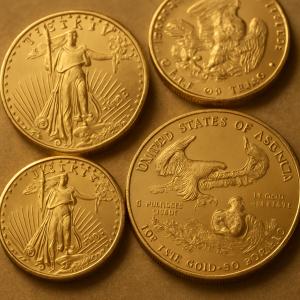
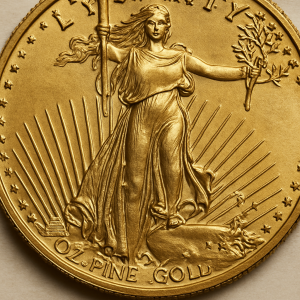
You’ve just come across a gold coin—perhaps an unexpected inheritance or a lucky attic find—and naturally, you are wondering, are gold coins worth anything today? Look closely at the front of a modern one-ounce American Gold Eagle, and you will see a humble $50 mark. Before you rush to a local pawn shop, recognize that this official number is entirely misleading.
That stamped number represents the “face value,” which is simply the legal amount it can be spent for in everyday commerce. However, the true value of coins made from precious metals relies entirely on their “intrinsic value,” meaning the actual worth of the physical metal inside. A store clerk might legally accept that eagle for fifty dollars, but any reputable jeweler knows the raw metal is worth thousands.
Historically, this massive price gap did not exist. Everyday currency used to be directly tied to physical gold, meaning a ten-dollar piece contained exactly ten dollars’ worth of metal. Today, modern economies use fiat currency—paper money backed by government decree rather than physical assets—which transformed these traditional coins from standard pocket change into highly sought-after physical investments.
Think of valuing this physical metal like tracking fuel costs at a gas station. According to major commodity exchanges, the baseline for all gold coin prices is known as the “spot price,” which fluctuates every minute based on global market conditions. Just as gas prices change daily, the current spot price dictates the absolute minimum baseline worth of the raw metal resting in the palm of your hand.
How do you ensure you get a fair deal when deciding to sell? Recognizing the vast difference between an arbitrary face value and the living market spot price is the most critical first step to protecting yourself. By mastering these foundational concepts, you can accurately evaluate your specific piece and confidently negotiate a fair payout without fear of being shortchanged by opportunistic buyers.
The Math of Gold: Calculating ‘Melt Value’ in 3 Simple Steps
While the daily price of gold scrolls across news tickers, translating that global number to a physical coin in your hand requires a quick reality check. Before a reputable dealer appraises a piece, they first determine its “melt value.” This represents the coin’s absolute floor price—the undeniable baseline of what it would be worth if you melted it down into a solid puddle of raw metal today.

Think of assessing this value like buying fresh produce: you are paying strictly for the weight and quality, though gold uses a slightly different set of scales. Precious metals are measured using a Troy ounce, which is roughly 10% heavier than the standard ounces you use to measure flour in your kitchen. Furthermore, you must account for “fineness,” which is the coin’s purity. Because pure 24-karat gold is incredibly soft, older coins were usually mixed with copper or silver to survive daily use. While modern professionals use electronic sensors or mild acid drops to test gold purity, you can usually find the fineness stamped right on the coin, such as “.900” for 90% pure.
Armed with these physical details and the daily market spot price from a major financial exchange like Kitco or Bloomberg, calculating gold coin melt value becomes a straightforward exercise. You simply need to plug your specific numbers into this basic equation:
- (Weight in Troy Ounces) $times$ (Purity Percentage) $times$ (Current Spot Price) = Melt Value. (For example: If you have a 1-ounce coin that is 90% pure, and the current spot price is $2,000, your melt value is exactly $1,800).
Knowing this math protects you from accepting terrible offers at a local pawn shop by firmly establishing the minimum amount you should ever accept. However, this formula strictly calculates the worth of the raw materials, completely ignoring any historical significance or rarity. Buyers will often happily pay double that baseline melt value for pieces that offer historical numismatic qualities.
Bullion vs. Numismatic: Why Some Coins Are Just ‘Metal’ and Others Are ‘Art’
Melt value is only part of the story when evaluating physical currency. While every gold coin is worth its weight in raw metal, the market separates them into two distinct categories. Recognizing this crucial divide reveals whether you are holding a standard investment or a hidden fortune.
Standard bullion coins are essentially just convenient, recognizable circles of metal. Coins like the modern American Gold Eagle or Canadian Maple Leaf are minted in massive quantities purely for investors who want to own physical gold. When people ask, “do gold coins hold value,” they are usually thinking of these simple bullion pieces, which predictably rise and fall directly with the daily spot price of the underlying precious metal.
Collector pieces operate on a completely different economic scale, introducing a numismatic premium. Think of this using a classic car analogy: a pristine 1965 Mustang is worth drastically more than its weight in scrap steel. When comparing numismatic vs bullion value, that premium represents the extra cash a buyer will gladly pay for the historical significance and beauty of the object itself above its raw materials.
The foundation of this extra collector value relies heavily on two specific production numbers: mintage figures and survivor rates. Mintage refers to how many identical coins a government originally produced in a given year. Identifying rare collectible coins requires looking at the survivor rate, which is the tiny fraction of those original coins that successfully avoided being melted down, lost, or destroyed over the decades.
Recognizing whether you possess a common investment round or a scarce historical artifact protects you from accidentally selling a masterpiece for scrap metal prices. Before confidently pricing either type of coin, however, identifying exactly what is mixed into the metal itself is essential to determining its durability and baseline worth.
How Purity Affects Your Pocket: 22k vs. 24k Gold Explained
If you place two gold coins side-by-side, one might shine brilliantly yellow while the other carries a distinct reddish tint. This physical difference comes down to gold purity, which dealers measure in karats or a percentage known as fineness. Pure 24-karat (24k) gold is visually stunning but incredibly soft—so delicate, in fact, that a fingernail can easily scratch its surface.
To solve this vulnerability, mints historically mixed pure gold with harder metals like copper or silver to create a durable alloy. Think of this process like adding rebar to concrete; the secondary metals provide structural strength without ruining the foundation. A 22-karat coin contains 91.6% pure gold, with the remaining percentage acting as a protective shield. Historical circulation coins meant for daily commerce were alloyed for toughness, whereas modern commemorative pieces designed strictly for safe vault storage are often 24k.
Because of these added metals, a 22k investment coin actually weighs slightly more overall than a 24k piece to ensure it still holds exactly one troy ounce of pure gold inside. Whether you are comparing a historic gold sovereign vs krugerrand or modern bullion rounds, their total weights will vary on a scale, but their underlying gold value remains identical. Here is how some of the most famous one-ounce coins compare:
- Canadian Maple Leaf: 24k (99.9% pure gold, brilliant but easily scratched)
- American Eagle: 22k (Alloyed with silver and copper for durability)
- Krugerrand: 22k (Alloyed entirely with copper, giving a signature orange tint)
Recognizing this composition prevents panic if a piece feels heavier or looks less yellow than expected. While 22k vs 24k gold dictates the physical makeup of your piece, the metal is only the foundation. Maximizing a payout requires looking past the alloy to uncover the historical significance stamped onto its surface.
The Rarity Factor: Identifying Coins That Collectors Crave
You might assume that a physical piece of currency is entirely tied to the metal inside, but what determines gold coin value often goes far beyond basic weight. Similar to the market for classic automobiles, gold pieces command massive premiums when passionate collectors get involved.
The most crucial factor driving this extra collector demand is mintage—the total number of identical pieces produced during a specific year. When a government mint strikes millions of units for mass circulation, the overall value of coins generally stays anchored close to the daily gold spot price. If a facility only produced a few thousand copies before shutting down the presses, that historical scarcity creates a massive premium.
Locating this scarcity usually comes down to finding a tiny letter stamped somewhere within the design, known as a mint mark. These small characters reveal exactly which branch facility manufactured the piece, and certain historical branches are legendary for their extremely low production numbers.

Discovering a “CC” for the short-lived Carson City mint, for example, can instantly multiply an expected payout. When a specific year and mint mark combination is exceptionally hard to find, dealers refer to it as a “key date.” Even if items are not museum-level treasures, identifying rare collectible coins that carry historical premiums categorizes them as semi-numismatic. These semi-numismatic pieces offer a fantastic middle ground for sellers, carrying both a rock-solid foundation of pure gold weight and a modest, profitable bonus from collectors.
Before liquidating an inherited collection, always use a magnifying glass to check these physical markers against free online databases. For those building a portfolio rather than appraising an attic find, comparing standard investment options is the logical next step.
Gold Eagle or Krugerrand? Comparing the World’s Most Popular Investment Coins
When building a physical portfolio, the metal’s origin matters just as much as its weight. The best gold coins for investment are produced by “sovereign mints,” meaning they are officially manufactured and guaranteed by a national government. This official government backing provides a built-in level of trust that simplifies the process of buying and selling.
Choosing between these official options often comes down to the legendary American Gold Eagle and the historic South African Krugerrand. When evaluating a gold sovereign vs krugerrand or Eagle, weigh these three specific practical factors:
- Durability: Both the Eagle and Krugerrand mix their pure gold with a small amount of copper, preventing the coins from scratching easily during normal handling.
- Liquidity: Eagles are universally recognized across the United States, making them highly liquid at any local coin shop.
- Global Recognition: The Krugerrand was the world’s very first modern bullion coin, meaning international buyers instantly trust its value no matter where you travel.
Beyond basic name recognition, your choice of coin can significantly impact retirement savings. The US government offers special tax advantages for specific sovereign coins, legally classifying them as “IRA eligible.” This allows approved items like American Eagles to be placed directly into a self-directed retirement account, growing completely tax-free. Older vintage coins or basic jewelry will not qualify for these protective government programs due to strict purity standards.
Sticking to globally recognized, government-backed options makes liquidating gold coin collections straightforward, ensuring a fair market price without haggling over authenticity. Before handing any unverified piece over to a dealer, conducting basic home tests is essential.
How to Spot a Fake: 3 DIY Tests You Can Do at Home
You’ve brought home a vintage piece, and the immediate question is whether it is genuine. When people ask are gold coins worth anything, the answer depends entirely on authenticity. Counterfeiters are skilled at making cheap metals look expensive, but non-destructive testing checks physical traits without scratching the delicate surface.
Grabbing a strong magnet off your refrigerator is the easiest place to start. Genuine gold is non-magnetic. If your coin pulls toward the magnet, you are likely holding steel or iron that has merely been gold-plated. This fast check instantly weeds out the most common, cheaply made fakes.

Listening to the metal’s resonance can also reveal its true identity through the ping test. Balance the coin on your fingertip and gently tap the edge with a wooden pencil to hear a long, high-pitched ring. Genuine gold produces a lingering chime like a fine crystal glass, whereas a fake metal coin produces a dull, short clunk like a plastic cup.
Scammers often try to match a coin’s weight, but they cannot cheat the laws of density. Because gold is exceptionally dense, a counterfeiter using lighter metals must make their fake noticeably thicker or wider to reach that target weight. Comparing your piece’s dimensions with digital calipers against official mint measurements easily exposes these oversized replicas.
Tempting as it might be to buy acid kits online, never use harsh chemicals on potentially valuable pieces. These acids permanently scar the metal, destroying extra collector value. Passing these DIY checks is an excellent first step toward certifying authentic gold coins.
Is Professional Grading Worth It? When to Spend $50 to Make $500
Passing home tests proves the metal is real, but maximizing its worth often requires outside experts. Collectors trust reputable third-party grading (TPG) companies like PCGS and NGC to act as impartial judges. These experts verify your item and permanently seal it in a tamper-proof plastic case, creating a “slabbed” coin. Certifying authentic gold coins this way guarantees their identity to future buyers, removing any doubts about genuineness.
The value of coins enclosed in these slabs heavily hinges on the number printed on their label. Appraisers use the Sheldon Scale, a specialized grading system ranking physical condition from 1 to 70. A 1 means heavily worn, while a 70 represents flawless perfection straight from the mint. Just as a pristine vintage car commands a premium, a higher Sheldon number drastically increases a coin’s numismatic worth.
Deciding to use professional coin grading services comes down to basic math. Submitting a piece costs around $50, so it only makes financial sense if authentication adds more than the fee to your final sale price. Paying to slab a common bullion coin valued strictly for its gold weight is a waste of money. Conversely, if you hold a rare historical date where excellent condition means a $500 jump in collector demand, grading is an essential investment.
Holding an official grade transforms a vintage find into a verifiable financial asset. You know exactly what you own, its precise condition, and roughly what collectors pay for similar examples. However, securing that theoretical retail value in cash requires navigating the secondary market.
The ‘Dealer Spread’: Why You Won’t Get 100% of the Market Price
Seeing a perfectly graded piece selling online for $2,000 creates natural expectations for a matching cash offer. However, just like trading a used vehicle to a dealership, merchants must purchase items at wholesale and sell them at retail. The difference between these two numbers is the “dealer spread.” Understanding this gap prevents you from feeling cheated while ensuring you negotiate a fair payout when liquidating gold coin collections.
Professional buyers operate using two distinct numbers: the “Ask” price (what they charge retail customers) and the “Bid” or buyback price (what they pay you). This transaction spread covers storefront overhead, employee wages, and the risk that the market might drop before they can resell the item. Buyers base these numbers directly on current market value, with the premium over spot price acting as the dealer’s necessary profit margin.
Knowing standard margins for different items is your best defense against terrible offers. Depending on what you hold and where you choose to do business, expect the buyer’s cut to look roughly like this:
- Standard Bullion: 2% to 5% spread. Because their value relies strictly on known gold weight, they are highly liquid and cheap for dealers to flip quickly.
- Rare Coins: 10% to 25% spread. Finding a specialized collector who wants a specific vintage piece takes much longer, requiring a larger safety margin for the buyer.
- Pawn Shops: 30% to 50% spread. These businesses prioritize immediate cash convenience over fair payouts, making them the most expensive venues for sellers.
Armed with these percentages, you can confidently walk away from anyone demanding an unreasonable cut. Recognizing the boundary between a fair business transaction and a predatory lowball offer prepares you for the final exchange.
Safely Liquidating Your Collection: How to Sell Without Getting Scammed
Stepping into the marketplace armed with knowledge of dealer spreads is empowering, but the physical preparation of your items matters just as much. When liquidating gold coin collections, the biggest mistake beginners make is trying to make pieces look shiny and new. Never clean, polish, or wipe down items before taking them to a buyer. Altering their original surface instantly destroys their numismatic premium, reducing the value to basic raw metal weight.
Finding the right buyer requires dodging aggressive marketing traps. Traveling “hotel buyers” who set up in local conference rooms for a weekend often rely on high-pressure sales tactics, offering fifty percent or less of the actual market rate. Because they leave town swiftly, sellers have zero recourse after accepting a terrible deal.
A safer approach involves seeking established, brick-and-mortar coin shops rooted in the community. Reputable dealer networks survive on repeat business and local trust, meaning they cannot afford to cheat customers. When selling gold coins for cash, sit across the desk from someone whose livelihood depends on maintaining a pristine local reputation.
Your strongest shield against predatory behavior is looking for specific professional affiliations. The gold standard for trustworthiness is membership in the Professional Numismatists Guild (PNG). This organization requires members to pass background checks, demonstrate financial backing, and adhere to a strict code of ethics. A PNG logo generally guarantees a mathematically sound price based on current market realities.
Taxes and Storage: The Hidden Realities of Owning Physical Gold
Securing a fair deal at a local shop is only half the battle. Owning precious metals requires careful maintenance and an understanding of legal obligations. Whether you hold onto inherited treasures or cash them out at peak gold coin prices, ignoring the fine print can erode your wealth.
The most surprising hurdle involves tax implications. The IRS legally classifies physical gold as a “collectible,” meaning profit is subject to a maximum capital gains tax rate of 28 percent. If you bought a coin for $1,000 and sell it today for $2,000, reporting that $1,000 profit to the government is a legal requirement, making accurate receipt keeping essential.
For the physical asset itself, owners must choose between accessibility and security. Storing physical gold safely at home necessitates a heavy-duty, fireproof safe bolted to the floor and absolute discretion to maintain privacy. Bank safety deposit boxes or private vaults offer professional-grade protection, though this removes immediate access and introduces annual storage fees.
Addressing these realities ensures your financial windfall remains protected from local thieves and unexpected tax bills.
Your 48-Hour Action Plan: How to Value Your Gold Coins Today
Instead of guessing based on a printed face value, applying fundamental valuation tools reveals a coin’s true baseline worth. You can easily examine a piece and separate common bullion from rare collectibles right at your kitchen table.
Execute a complete DIY valuation by following this 5-step checklist:
- Identify the coin using its stamped markings.
- Find the exact gold content and purity.
- Check the rarity for potential collector premiums.
- Calculate the minimum melt value using today’s spot price.
- Get quotes from multiple local dealers to compare offers.
This process establishes an absolute firm floor price. Grasping the fundamental value of your metals protects you from lowball offers and ensures you secure a fair market price whenever you decide to buy or sell.
Frequently Asked Questions
Question: Is the $50 face value on an American Gold Eagle what it’s actually worth?
Short answer: No. The $50 mark is just the coin’s legal “face value” for spending in everyday commerce. Its real worth comes from its intrinsic value—the actual gold inside—priced by the live market “spot price.” That spot price sets the true baseline, which is typically far higher than the face value and fluctuates with global conditions.
Question: How do I calculate my coin’s melt value?
Short answer: Use this formula: (Weight in troy ounces) × (Purity percentage) × (Current spot price) = Melt value. First confirm weight in troy ounces (not standard ounces) and the coin’s fineness (e.g., .900 = 90% pure). Then multiply by today’s spot price from a major exchange (e.g., Kitco or Bloomberg). Example: 1.0 troy oz × 0.90 × $2,000 = $1,800. This gives you the floor value of the raw metal only and ignores any collector premium.
Question: What makes some coins worth more than their gold content, and how can I tell if mine is one of them?
Short answer: Coins can carry a numismatic premium for historical significance, rarity, and condition—much like a classic car is worth more than its scrap steel. Two numbers matter most: mintage (how many were made) and survivor rate (how many still exist). Look for mint marks (e.g., “CC” for Carson City) and key date combinations that signal scarcity. If your coin shows desirable dates/mint marks and strong condition, it may be semi‑numismatic or fully collectible and sell for well above melt value.
Question: Should I buy a Gold Eagle or a Krugerrand for investment?
Short answer: Both are strong, government‑backed bullion choices. The American Gold Eagle (22k alloyed with copper/silver) offers excellent U.S. liquidity and is IRA‑eligible under specific rules. The South African Krugerrand (22k alloyed with copper) enjoys unmatched global recognition as the first modern bullion coin. If you need U.S. retirement account compatibility, Eagles have an edge; for broad international familiarity, Krugerrands are hard to beat. For 24k purity, consider the Canadian Maple Leaf (softer but ultra‑pure).
Question: Why won’t a dealer pay me the full market price, and what spread is fair?
Short answer: Dealers buy at wholesale (Bid) and sell at retail (Ask); the difference—the “dealer spread”—covers overhead and market risk. Typical spreads: standard bullion 2–5%, rare coins 10–25%, and pawn shops 30–50% due to convenience and higher risk. Knowing these ranges helps you negotiate confidently, avoid predatory lowball offers, and favor established coin shops over traveling or high‑pressure buyers.