Gold vs Real Estate Liquidity 2026: Why Smart Investors Are Choosing Gold First
The Liquidity Question Every Investor Is Asking in 2026
There is a conversation happening at dinner tables, in boardrooms, and inside family WhatsApp groups across Uganda and the rest of East Africa right now. It is not complicated, but it is urgent. People who saved for years, accumulated assets, and built something for themselves are asking one question more than any other: if I needed my money tomorrow, could I actually get it?
That question is not about returns. It is not about which asset looks best on a spreadsheet. It is about access. It is about reality. And in 2026, the gap between gold and real estate on this single issue has never been wider or more important to understand.
At Minerals Base Agency, we have spent years working directly with investors, families, and institutions across Uganda who trust us as their preferred gold seller and exporter. We have seen firsthand how quickly circumstances change and how differently gold and real estate respond when someone genuinely needs liquidity. This guide is our honest, data-informed, and experience-backed answer to the gold vs real estate liquidity debate in 2026.
What Does “Liquidity” Actually Mean for an Investor?
Before anything else, let us be clear about what we mean when we say liquidity. In investment terms, an asset is liquid when you can convert it into cash quickly, reliably, and without taking a significant loss on its value in the process.
A highly liquid asset lets you exit fast. You do not need to wait for a buyer to show up. You do not need a lawyer, a land title officer, or months of negotiation. You get your money when you need it, at close to the market price you expected.
A low-liquidity asset is the opposite. It may be valuable on paper. It may even appreciate beautifully over time. But when you genuinely need cash, low-liquidity assets can trap you. You either wait a long time to get fair value, or you accept far less than the asset is worth just to get out quickly.
This distinction matters enormously in 2026. With global economic conditions shifting rapidly, geopolitical tensions affecting markets across East Africa and beyond, and everyday cost of living pressures squeezing household budgets, liquidity has moved from being a “nice to have” to being a survival feature of any serious investment.
Gold Liquidity in 2026: Fast, Simple, and Remarkably Reliable
Gold has always been liquid. That is one of the core reasons human beings have stored wealth in it for thousands of years. But in 2026 specifically, gold’s liquidity advantage has grown even stronger, and here is why.
The price environment is exceptional. Gold was trading at approximately $4,723 per ounce in early May 2026. J.P. Morgan has forecast gold reaching $6,300 per ounce by year-end, while Morgan Stanley projects a $5,700 per ounce target. Both institutions cite sustained safe-haven demand, dollar weakness, and structural central bank reserve diversification as the forces behind these projections. What this means practically is that when you sell gold in 2026, you are selling into a strong and active market with motivated buyers at every level.
The transaction is fast. Physical gold, gold coins, and gold bullion can be converted to cash in minutes through a reputable dealer. There is no title to transfer. No land survey required. No waiting for a bank to approve a buyer’s mortgage. No legal conveyancing delays. You bring your gold to a trusted seller, you agree on a price benchmarked to the live international spot rate, and you walk away with cash. That is it.
The market is global. Gold does not belong to any single economy. A gram of gold in Kampala has the same fundamental value as a gram in London, Dubai, or Singapore. This universality means you are never dependent on local market conditions to find a buyer. Whether the Ugandan economy is booming or contracting, gold finds its buyer because its market is the entire world.
You can sell any amount. One of the most practical liquidity advantages of gold is that you can sell exactly as much as you need. If you own property worth $200,000 and you need $15,000, you cannot sell 7.5% of your house. But if you own gold worth $200,000 and you need $15,000, you sell the corresponding weight and keep the rest. This divisibility is not a minor convenience. For real-world financial planning, it is transformative.
Real Estate Liquidity in 2026: The Honest Picture
Real estate has delivered impressive long-term returns across Uganda and East Africa. Property in Kampala, Entebbe, Jinja, and emerging urban corridors has appreciated significantly over the past decade. Rental income provides consistent cash flow that gold simply cannot match. These are genuine advantages that no honest comparison should dismiss.
But when it comes to liquidity, real estate has structural limitations that do not disappear regardless of how valuable the property is or how desirable the location.
Selling takes months, not minutes. The average time to complete a property sale in Uganda involves finding a qualified buyer, negotiating price, conducting due diligence, verifying land titles, processing legal documentation, and registering the transfer. In practice, this process typically takes three to six months, and often longer when complications arise. If you need cash quickly, this timeline is simply not workable.
Transaction costs are significant. Real estate sales involve agent commissions, legal fees, government taxes, and sometimes renovation costs to make a property market-ready. These costs can easily represent 10 to 15 percent of the property’s value. When you factor this in, a “liquid” real estate exit often means accepting considerably less than the paper value of what you own.
Finding the right buyer is not guaranteed. Unlike gold, which trades in a global market with millions of participants, your property appeals to a specific subset of buyers who want that particular type of property in that particular location at that particular time. A commercial property in a slowing area, a residential home during a credit tightening cycle, or any property during a period of local economic uncertainty can sit on the market far longer than the seller anticipated.
You cannot sell part of a building. As mentioned with gold’s divisibility, real estate forces all-or-nothing decisions in most cases. Unless you own units in a property that can be sold individually, you face the challenge of converting the entire asset or none of it. This inflexibility becomes a serious problem when partial liquidity is exactly what you need.
Uganda’s Gold Market in 2026: Why Location Matters
For investors in Uganda and East Africa, the gold vs real estate liquidity discussion has a local dimension that deserves direct attention.
Uganda’s position in the regional gold market has grown dramatically. Gold exports surged 76% to $5.8 billion in the year ending November 2025, firmly displacing coffee as Uganda’s leading export and primary source of foreign exchange. In January 2026 alone, gold export earnings rose 182% year-on-year to $913.95 million. The country posted its first merchandise trade surplus in over a decade, driven almost entirely by bullion performance.
The Bank of Uganda has formalised its own gold buying programme, signing contracts with domestic refineries and targeting at least 100 kilograms of gold purchases between March and June 2026. This level of institutional participation creates a deep, active, and formally structured local market for gold that simply did not exist at this scale a few years ago.
What does this mean for someone in Uganda who owns physical gold? It means the ecosystem to quickly and fairly convert gold to cash has matured considerably. Reputable gold buyers, refineries, and exporters now operate across the country with pricing tied directly to international spot markets. Liquidity is not just theoretical. It is practically available, locally accessible, and backed by a market that the Ugandan government itself is actively participating in.
For real estate, the Kampala property market has its strengths, but the transaction infrastructure remains slower and more cumbersome. Legal processes, title verification challenges, and limited mortgage market depth continue to make property sales significantly slower than gold conversions in the Ugandan context.
Minerals Base Agency: Uganda’s Trusted Gold Partner
Minerals Base Agency stands as Uganda’s leading gold seller and exporter, operating with full regulatory compliance and a deep understanding of both the local and international gold markets.
We work with individual investors, families planning wealth preservation strategies, institutional buyers, and international traders who need a reliable Ugandan partner for physical gold transactions. Our pricing is transparent, benchmarked to real-time international spot rates, and our process is straightforward whether you are buying gold as an investment or selling gold to access liquidity.
Our clients come to us specifically because they understand the value of working with a specialist who knows this market deeply. We do not just sell gold. We educate our clients on how gold fits into a complete financial strategy, how to store it securely, and how to access its value efficiently when the time comes.
If you are weighing gold against real estate as part of your investment planning in 2026, or if you already hold gold and want to understand your liquidity options, our team is here to walk you through it with honesty and expertise.
Side-by-Side: Gold vs Real Estate Liquidity 2026
| Feature | Gold | Real Estate |
|---|---|---|
| Time to Convert to Cash | Minutes to 3 days | 3 to 6 months average |
| Transaction Costs | Very low (1 to 3%) | High (10 to 15%) |
| Divisibility | Full (sell exactly what you need) | Limited (typically all or nothing) |
| Global Market Access | Yes, universal | No, location-dependent |
| Price Transparency | Real-time, publicly available | Negotiated, often opaque |
| Buyer Pool | Global, always active | Local, conditional |
| Entry Amount | Any amount (grams to kilos) | Typically $50,000+ |
| 2026 Market Conditions | Exceptionally strong | Mixed, dependent on location |
When Real Estate Still Makes Sense
This page is not an argument against property ownership. Real estate belongs in a well-diversified portfolio and provides things gold cannot, particularly regular rental income and the ability to improve an asset through development and renovation.
For long-term wealth building, a property in the right location, managed well, with strong rental demand, remains a genuinely powerful investment. The infrastructure boom across East Africa, ongoing urbanisation, and population growth in cities like Kampala mean that well-chosen property continues to appreciate.
The key insight from a liquidity perspective is not that real estate is bad. It is that real estate should not be your only asset, and it should not be the asset you depend on to solve short-term financial needs. A portfolio that combines the long-term growth potential of real estate with the immediate liquidity of gold is more resilient, more flexible, and ultimately more aligned with the realities of financial life.
The 2026 Case for Prioritising Gold Liquidity
Several forces make gold’s liquidity advantage particularly relevant in 2026.
The global economic environment remains unusually uncertain. Geopolitical tensions, currency volatility, inflationary pressures, and shifting central bank policies have created a climate where the unexpected happens with regularity. In this environment, holding assets that you can actually access quickly is not conservative thinking. It is sophisticated risk management.
Gold prices are near historic highs. Selling gold in 2026 means converting at a price level that was unimaginable even three years ago. The combination of high prices and fast conversion makes gold’s current liquidity profile exceptional by any historical measure.
East Africa’s gold infrastructure has matured. The presence of regulated refineries, formal buyer networks, and government-backed gold programmes in Uganda means that the practical barriers to converting gold to cash are lower than they have ever been in this region.
Institutional confidence in gold is growing. When central banks from Uganda to Germany to China are actively increasing their gold reserves, individual investors have every reason to treat physical gold with the same seriousness as their most sophisticated institutional counterparts.
How to Start Investing in Liquid Gold Assets Through Minerals Base Agency
Getting started with physical gold through Minerals Base Agency is simpler than most people expect.
You begin with a consultation with our team, either in person at our Kampala offices or through our online channels. We walk you through the current pricing, help you understand the difference between various forms of physical gold (bars, coins, certified bullion), and explain the storage and insurance options that make sense for your situation.
We source directly from verified Ugandan and regional gold suppliers, ensuring full traceability and regulatory compliance. Every gram we sell is authenticated, weighed accurately, and priced transparently against the live international spot market. When the time comes for you to sell and access your funds, we are equally straightforward in that process.
There are no hidden fees. No artificial spreads designed to catch you off guard. No complicated paperwork that delays access to your own asset. This is physical gold, the world’s oldest liquid asset, managed by Uganda’s most experienced gold specialists.
Frequently Asked Questions: Gold vs Real Estate Liquidity 2026
Is gold truly more liquid than real estate in Uganda? Yes. Physical gold can be converted to cash within the same day through a reputable dealer like Minerals Base Agency. Real estate sales in Uganda typically take three to six months or longer when factoring in legal processes and buyer qualification.
Can I lose money selling gold if I need cash quickly? With gold trading at historically high levels in 2026, quick sales still deliver strong value. The spread between buying and selling prices is typically small with a reputable dealer, meaning you lose far less to transaction costs than you would with a forced real estate sale.
How does gold fit into a portfolio that already includes property? Gold provides the liquidity buffer that real estate lacks. A portfolio with both assets gives you long-term growth potential through property and immediate cash access through gold. Most financial advisors in 2026 recommend allocating between 10 and 20 percent of a portfolio to gold.
Why choose Minerals Base Agency for gold investment in Uganda? Minerals Base Agency combines deep local market knowledge, full regulatory compliance, transparent international pricing, and a genuine commitment to client education. We are Uganda’s leading gold seller and exporter, trusted by individuals, institutions, and international buyers.
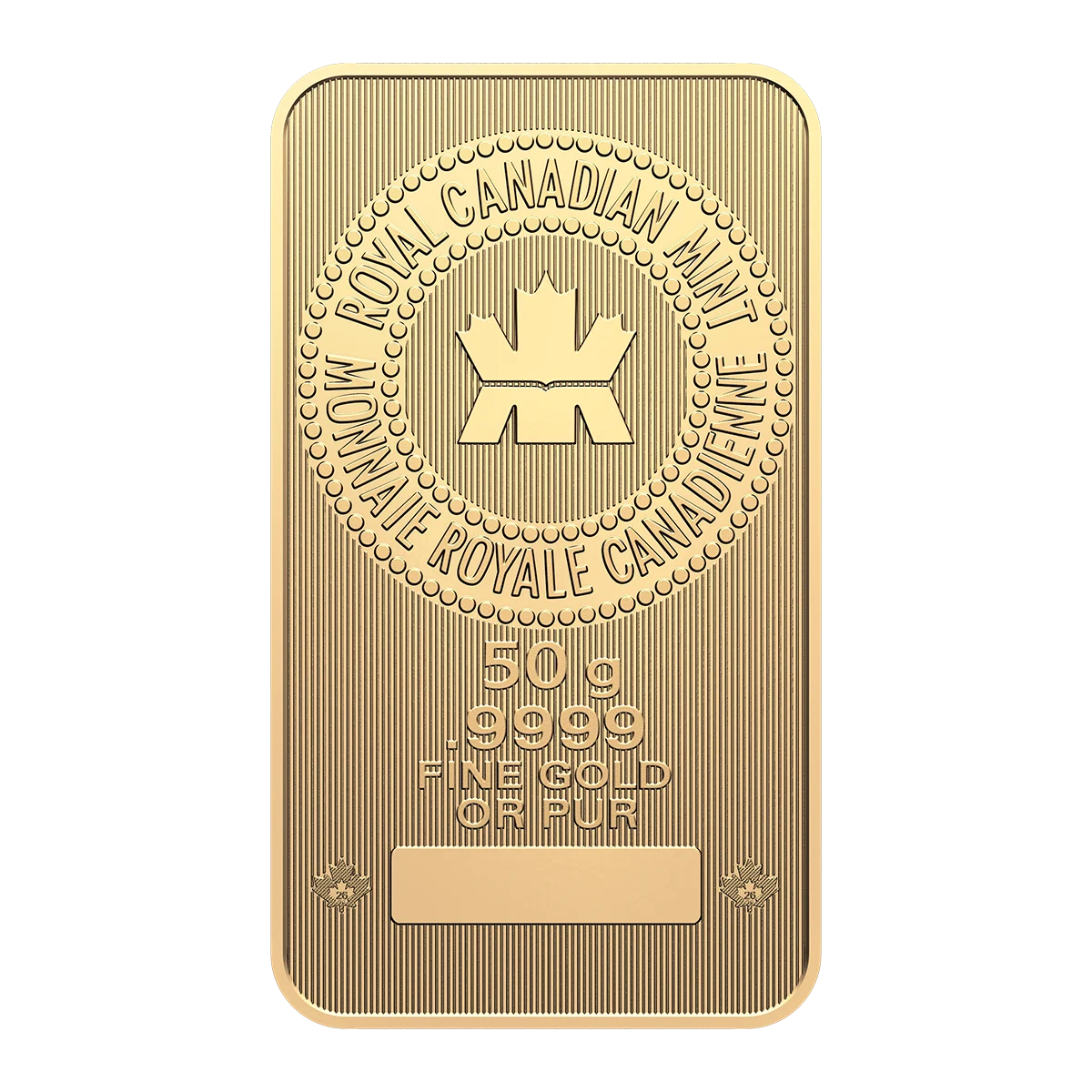
What forms of gold does Minerals Base Agency sell? We deal in physical gold bars, gold coins, and certified gold bullion in various sizes to suit different investment amounts. Whether you are starting with a few grams or purchasing kilograms, we have the product and process to serve you efficiently.
Final Word: Liquidity Is the Feature That Changes Everything
Investment returns matter. Growth potential matters. Rental yield, land appreciation, and long-term compounding all matter. But none of these things matter as much as access when access is what you genuinely need.
Gold wins the liquidity debate in 2026, and it is not close. Fast conversion, global market acceptance, transparent pricing, divisibility, and a deeply active local market in Uganda all combine to make physical gold the most practical liquid asset available to investors in East Africa today.
Minerals Base Agency is here to ensure that every investor who chooses gold has a trusted, knowledgeable, and fully compliant partner to help them do it right.
Contact us today to begin your gold investment journey with Uganda’s leading gold seller and exporter.