United States of America Gold Coin History, Types, Value & How to Buy from Uganda
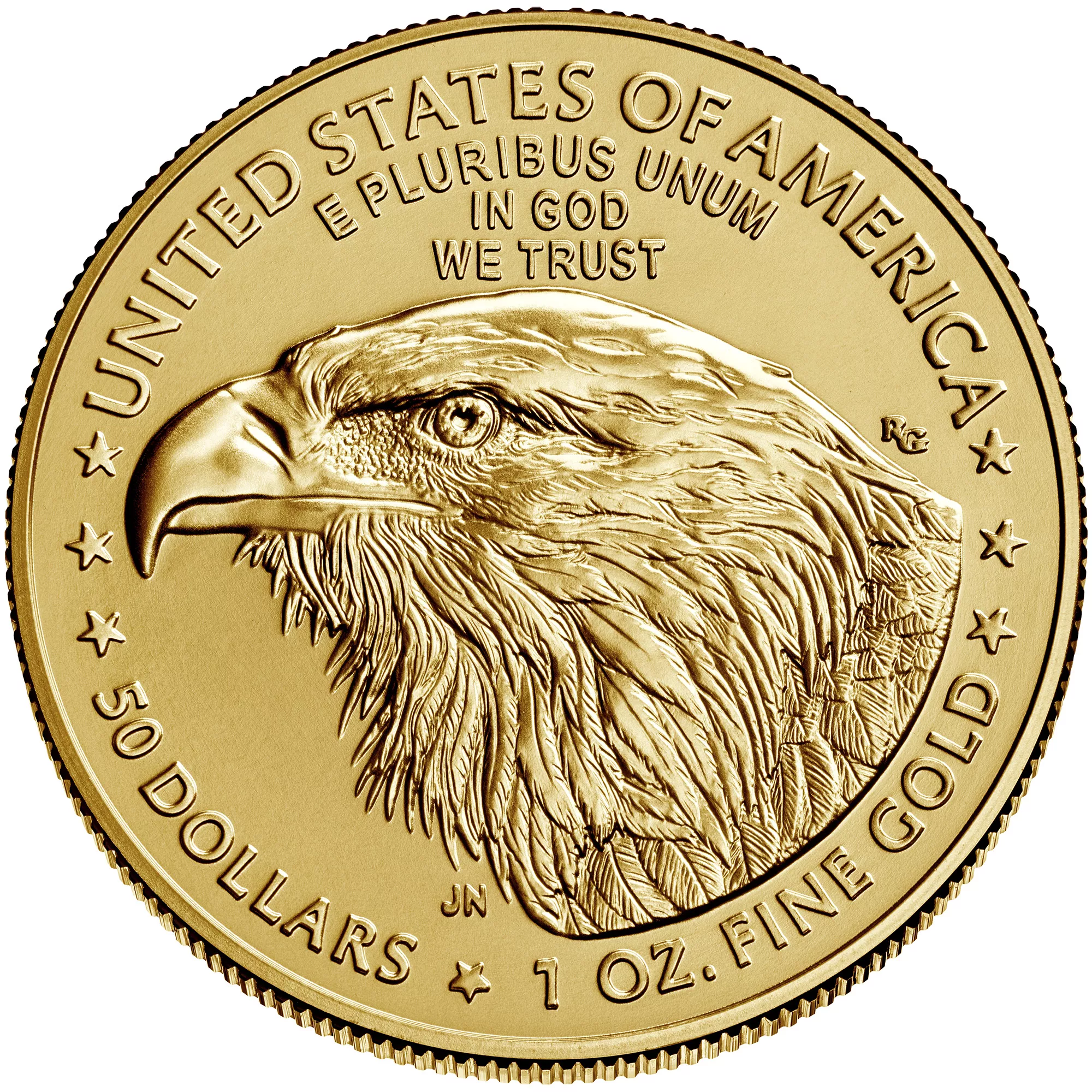
A United States of America gold coin is one of those rare things that quietly does two jobs at once. It pays tribute to American history, and it stores real wealth you can hold in your hand. That’s why investors in Kampala, Dubai, London, and New York all chase the same pieces the American Gold Eagle, the Gold Buffalo, the Saint-Gaudens Double Eagle, and the older Liberty Head series.
At Minerals Base Agency, we sit at the source. We’re based in Uganda, and we’re one of the most trusted gold sellers and exporters on the African continent. Our clients regularly ask us about US gold coins — how to authenticate them, what they’re really worth today, and how to buy or trade them across borders without losing money to middlemen. This page answers all of that, in plain English.
What Is a United States of America Gold Coin?
A US gold coin is a coin minted by the United States Mint that contains a guaranteed amount of gold. Some are legal tender with a face value (like $50 or $20), but their actual market price is tied to their gold content and, for older issues, their rarity.
There are three big buckets you’ll hear about:
- Classic US gold coins — minted from 1795 up to 1933, before President Roosevelt pulled gold coins out of circulation.
- Modern bullion coins — minted from 1986 onwards for investors. These include the American Gold Eagle and the American Gold Buffalo.
- Commemorative gold coins — limited-issue coins released to mark a person, place, or event in American history.
If you’re investing for the first time, modern bullion is usually the cleaner entry point. If you’re collecting for the long game, classic coins carry a premium that often grows faster than spot gold.
A Quick History of American Gold Coinage
Gold coins were baked into the United States from day one. The Coinage Act of 1792 set up the U.S. Mint in Philadelphia and authorized the country’s first gold pieces — the Eagle ($10), the Half Eagle ($5), and the Quarter Eagle ($2.50). Before that, Americans were trading mostly with Spanish, British, and Portuguese coins. Striking their own gold was, in a real sense, a declaration of economic independence.
Then came 1848 and the California Gold Rush. Suddenly there was so much raw gold that the Mint had to scale up. New denominations, such as the Double Eagle ($20), emerged, and gold coins became the everyday currency of westward expansion.
The next turning point was 1933. During the Great Depression, the government ceased minting gold coins for circulation and recalled most of the existing ones. For more than 50 years after that, the US didn’t strike gold for the public.
That changed in 1986, when the American Gold Eagle program launched. A year later, demand from global investors made it clear that gold was back — not as everyday money, but as a serious store of value.
The Most Important Types of US Gold Coins
1. American Gold Eagle
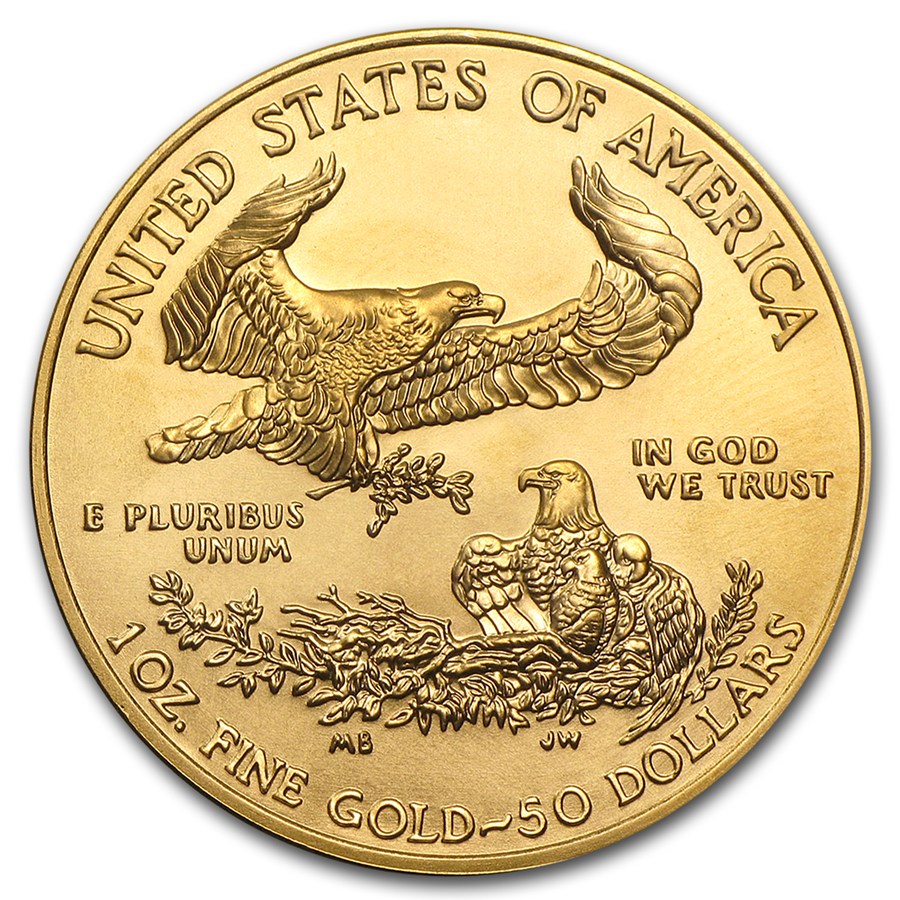
This is the flagship modern bullion coin and probably the most traded United States of America gold coin in the world.
- First minted: 1986
- Purity: 22-karat (91.67% gold), with the rest copper and silver for durability
- Sizes available: 1 oz, 1/2 oz, 1/4 oz, 1/10 oz
- Design: Augustus Saint-Gaudens’ Lady Liberty on the front, a family of eagles on the back
The Gold Eagle is backed by the US government for weight, content, and purity. That single fact is why banks, refiners, and dealers across Africa and the Middle East accept it without argument.
2. American Gold Buffalo
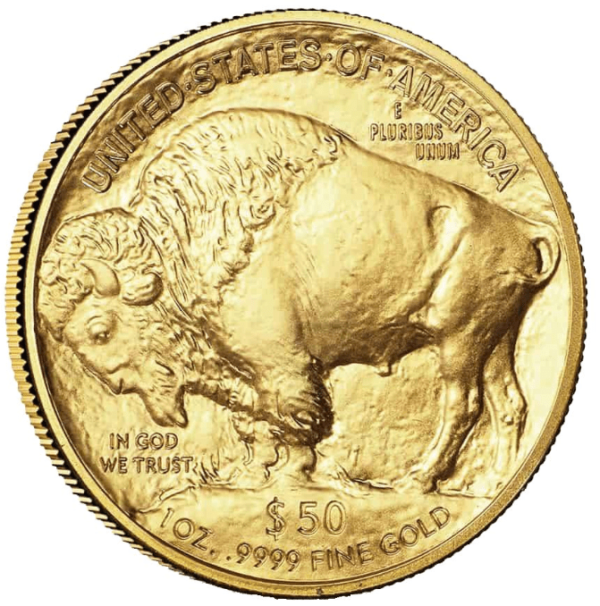
The Gold Buffalo was the first US coin struck in pure 24-karat gold (.9999 fine).
- First minted: 2006
- Purity: 24-karat (99.99%)
- Size: Mostly 1 oz
- Design: Based on James Earle Fraser’s classic 1913 Buffalo Nickel — Native American chief on the front, American bison on the back
Investors who want maximum gold per coin and don’t care about the alloy hardness usually go for the Buffalo over the Eagle.
3. Saint-Gaudens Double Eagle ($20)
Designed by sculptor Augustus Saint-Gaudens at President Theodore Roosevelt’s personal request, the Double Eagle is widely called the most beautiful coin America ever produced. Minted from 1907 to 1933, it carries serious numismatic premium today. A common-date Saint-Gaudens still trades well above spot gold; rare dates and high grades trade for tens of thousands of dollars.
4. Liberty Head Gold Coins (1838–1907)
Before Saint-Gaudens, the Liberty Head design ran the show. You’ll find Liberty Head Quarter Eagles, Half Eagles, Eagles, and Double Eagles. They were the workhorse gold coins of 19th-century America, and good examples are highly collectible today.
5. Indian Head Gold Coins
Designed by Bela Lyon Pratt and Augustus Saint-Gaudens, the Indian Head $2.50, $5, and $10 coins are unusual because the design is incused — sunk into the surface rather than raised. Collectors love them for that reason alone.
6. Pre-1933 Gold and Commemoratives
Anything struck before the 1933 recall is loosely called “pre-33 gold.” These coins carry both gold value and historical value. Modern commemoratives are a separate category — limited-issue coins celebrating events like the Olympics, the Statue of Liberty centennial, or the 250th anniversary of the United States.
What Determines a US Gold Coin’s Value?
People assume a gold coin’s price is just spot gold times its weight. That’s only half the story. Five things actually move the needle:
- Gold content (weight × purity). This is the floor. A 1 oz Gold Eagle will never be worth less than the gold it contains, minus a small dealer spread.
- Year and mint mark. A Saint-Gaudens dated 1907 with a high-relief strike is worth far more than one dated 1924, even though the gold is identical.
- Grade and condition. Coins are graded on the Sheldon scale from 1 to 70. A coin graded MS-65 (Mint State) by PCGS or NGC is worth multiples of the same coin in MS-60.
- Rarity and survival rate. Some dates were melted heavily after 1933. The fewer that survived, the higher the premium.
- Market demand. When gold rallies, premiums on classic US gold coins tend to rally even harder. When the market is quiet, premiums compress.
A practical example: as of 2026, a generic 1 oz American Gold Eagle trades at roughly spot gold plus a 4–8% premium. A common-date Saint-Gaudens Double Eagle (which contains 0.9675 oz of gold) often trades at spot plus 15–30%. A scarce date in MS-65 condition? Easily 5x to 50x the gold value.
United States of America Gold Coin vs. Gold Bullion Bars
Clients ask us this all the time. Should I buy US gold coins or just buy bars?
Coins win on:
- Recognition (a Gold Eagle is recognized everywhere)
- Liquidity for smaller amounts
- Resale spread on common bullion coins
- Collector upside on classic issues
Bars win on:
- Lower premium over spot
- Easier to store large positions
- Cleaner for institutional buyers
Most serious portfolios hold both. If you’re buying through Minerals Base Agency, we’ll usually recommend a mix tailored to your capital, your storage setup, and your exit plan.
How to Buy a Genuine US Gold Coin (Without Getting Burned)
The market is full of fakes. Counterfeit Saint-Gaudens, fake Eagles plated in real gold, “tungsten core” coins — we’ve seen all of it. Here’s how to protect yourself:
- Buy only from a registered dealer or refiner. Every legitimate seller will give you an invoice, a serial number where applicable, and proof of origin.
- Check the weight and dimensions. A 1 oz Gold Eagle weighs 33.931 g (because of the alloy) and measures 32.7 mm. A 1 oz Gold Buffalo weighs exactly 31.103 g.
- Use a magnet test as a first filter. Real gold isn’t magnetic. If a coin sticks, it’s not gold.
- Insist on third-party grading for older coins. PCGS or NGC slabs are the gold standard for classic US coins.
- Verify with a sigma-metalytics or X-ray fluorescence (XRF) test for high-value purchases.
Why Buy Your United States of America Gold Coin from Minerals Base Agency
Minerals Base Agency is the leading gold seller and exporter in Uganda, and we deal across East Africa, the Middle East, Europe, and Asia. Here’s what we bring to the table that most online dealers can’t:
- We sit at the source. Uganda is a major gold trading hub for the Great Lakes region. We work directly with licensed miners and refiners, which means our pricing reflects source-level rates, not retail markup.
- Verified, assayed gold only. Every gram we sell — whether it’s bullion bars, dust, or US gold coins we source on behalf of clients — is assayed and documented. No exceptions.
- Full export documentation. We handle the certificate of origin, the export permit, the assay report, and the airway bill. Our clients in Dubai, Mumbai, and Hong Kong know that a Minerals Base shipment lands clean.
- Coin sourcing and brokerage. If you specifically want a graded Saint-Gaudens, a 1 oz Gold Eagle, a Gold Buffalo, or a pre-1933 set, we source it through our verified network and ship it under proper customs declarations.
- Real humans, real responses. When you message us, you get a person — usually within the same business day. No bot replies, no ghosting after the deposit.
We’ve been doing this for years, and our reputation in Kampala and across the region is built on one thing: the gold matches the paperwork. Every time.
US Gold Coin Investment Tips for 2026 and Beyond
A few honest pieces of advice from people who trade this stuff every week:
- Don’t buy proof coins for pure investment. Proofs carry a heavy premium that often doesn’t recover on resale. They’re for collectors, not stackers.
- Stick to recognized brands and mints. American Gold Eagles and Gold Buffaloes are easier to sell back, anywhere in the world, than obscure private mint coins.
- Watch the spread, not just the spot price. A coin advertised at “spot price” usually has a hidden 6–10% premium baked in. Compare buy and sell quotes side by side.
- Plan your exit before you buy. Are you stacking for 10 years? Selling locally? Shipping to Dubai? Your storage and your dealer relationship should match your exit.
- Diversify across coin types. Some Eagles, some Buffaloes, maybe one or two pre-33 pieces. Don’t put everything into a single date or design.
Frequently Asked Questions
Is a United States of America gold coin a good investment in 2026? Yes, for most portfolios. US gold coins hedge against inflation, currency devaluation, and political risk, and they’re among the most liquid gold products in the world. The American Gold Eagle in particular is recognized in virtually every gold market.
What’s the difference between an American Gold Eagle and an American Gold Buffalo? The Eagle is 22-karat (91.67% gold) and the Buffalo is 24-karat (99.99% gold). The Eagle is harder and more scratch-resistant; the Buffalo gives you more pure gold per coin. Both are official US bullion coins.
Are pre-1933 US gold coins legal to own and export? Yes. The 1933 recall was lifted decades ago. Pre-33 gold coins are fully legal to own, buy, sell, and ship internationally with proper customs paperwork.
How can I tell if my US gold coin is real? Check the weight, the diameter, do a magnet test, look for proper edge reeding, and for high-value coins get an XRF or sigma test. For classic coins, third-party grading by PCGS or NGC is the most reliable proof.
Does Minerals Base Agency ship US gold coins outside Uganda? Yes. We handle international shipment with full export documentation — certificate of origin, assay report, customs declaration, and insured airway bill — to most major gold-trading destinations including the UAE, India, Hong Kong, Switzerland, the UK, and the US.
What’s the minimum order at Minerals Base Agency? It depends on the product. For raw gold bullion we work from 1 kg upwards. For US gold coins, we can broker single-coin orders for serious clients. Reach out, and we’ll quote based on what you’re looking for.
Ready to Buy a United States of America Gold Coin?
Whether you want a single American Gold Eagle for your collection or a structured order of investment-grade US gold coins delivered to Dubai, Minerals Base Agency can handle it end-to-end.
📞 Call or WhatsApp us today. 📧 Email our procurement desk for live pricing. 🌍 Visit mineralsbase.com to see our full product range — gold, raw diamonds, copper cathode, mercury, palladium, platinum, and tantalum ore.
Minerals Base Agency — Uganda’s trusted name in gold sourcing, since the start.