10 oz of silver price
In today’s ever-changing market, keeping tabs on the price of precious metals like silver is essential for investors and collectors alike. Silver remains one of the most sought-after commodities, and understanding its value, especially in terms of specific sizes like the 10 oz silver bar, can provide significant advantages. This article will guide you through the current trends, factors affecting prices, and what to consider when investing in 10 oz silver bars. 
What Influences the 10 oz Silver Price?
Understanding the factors that influence the price of a 10 oz silver bar is crucial for making informed investment decisions. Here are the primary factors:
Market Demand and Supply
The most fundamental economic principle of supply and demand plays a significant role. When demand for silver increases, perhaps due to industrial use or investor interest, prices tend to rise. This surge can often be observed in periods of technological advancement or economic optimism, where silver’s multifaceted applications come into play. Conversely, an oversupply or reduced demand can push prices downward, especially if alternative materials or technologies emerge that replace silver’s utility.
Additionally, silver mining operations and production levels significantly affect supply. Factors such as mining strikes, environmental regulations, or the discovery of new silver deposits can alter the supply landscape. While increased mining activity can boost supply and potentially lower prices, restrictions or challenges in mining can create shortages, driving prices higher.
Economic and Political Climate
Silver prices are sensitive to economic stability and political events. In times of economic uncertainty, investors often flock to safe-haven assets like silver, driving up prices. Historical data shows that during recessions or geopolitical tensions, silver gains appeal due to its intrinsic value and liquidity. Political decisions affecting trade or mining operations can also impact silver’s market availability and price. For instance, tariffs on imported silver or restrictive mining policies in major producing countries can lead to supply constraints and price hikes.
Furthermore, global economic policies, such as interest rate changes by major economies, can influence silver prices. Low-interest rates often make non-yielding assets like silver more attractive, while high rates might deter investment in silver as investors seek higher returns elsewhere.
Currency Fluctuations
As silver is traded globally, the value of currencies, especially the US dollar, can affect silver prices. A weaker dollar makes silver cheaper for investors using other currencies, often increasing demand and price. This inverse relationship is pivotal, as currency fluctuations can rapidly influence investment flows into silver markets.
Moreover, currency crises or devaluations in key economies can lead to increased silver demand as a hedge against currency risk. Investors in countries experiencing hyperinflation or currency instability often turn to silver to preserve wealth, thereby affecting global prices.
Inflation
Silver is considered a hedge against inflation. As inflation rises, the purchasing power of currency declines, leading investors to seek silver as a store of value, which can boost its price. In inflationary periods, the historical reliability of silver as a wealth preserver becomes particularly appealing to investors wary of depreciating assets.
Inflation expectations also play a crucial role in influencing silver prices. When markets anticipate future inflation, there can be a preemptive increase in silver demand as investors position themselves ahead of expected economic shifts. This proactive behavior can create upward pressure on silver prices even before inflation materializes. 
Current Trends in the Silver Market
Staying updated with silver market trends is crucial for anyone interested in buying or selling silver. Here are some of the current trends:
Rising Industrial Demand
Silver is not only a precious metal for investment but also has significant industrial applications, including in electronics, solar panels, and medical devices. This dual demand can lead to price increases as industries expand. The ongoing growth in sectors such as renewable energy and technology continues to drive silver demand, given its unique properties like high conductivity and reflectivity.
In electronics, silver is indispensable for manufacturing high-quality, efficient components. As technology advances and consumer electronics become more prevalent, the demand for silver in this sector is expected to rise. Similarly, the medical industry’s reliance on silver for its antibacterial properties ensures a steady demand, particularly in high-tech medical equipment and devices.
Green Energy Initiatives
The push for renewable energy sources has increased the demand for silver, particularly in solar energy production. Photovoltaic cells, a core component of solar panels, utilize silver due to its excellent conductivity. As global initiatives toward sustainability gain momentum, the solar industry is projected to consume even more silver, driving up its demand and price.
Government policies promoting green energy and the reduction of carbon emissions further bolster the market for silver. Subsidies and incentives for solar panel installations are likely to enhance silver’s value as demand in this sector intensifies. The trend towards electric vehicles, which also utilize silver in various components, adds another layer of demand from the green technology sector.
Investment Demand
Investor interest in silver remains robust. Economic uncertainties and inflation fears have led many to include silver in their portfolios, driving up demand and prices. Silver’s appeal as a tangible asset and a hedge against economic volatility makes it a staple in diversified investment strategies.
The growing popularity of silver exchange-traded funds (ETFs) is also fueling investment demand. These funds allow investors to gain exposure to silver without the need to physically store it, broadening the market base and increasing liquidity. As more investors seek alternatives to traditional equities and bonds, silver’s investment demand is set to rise.
Price Volatility
Silver prices are known for their volatility, often experiencing swift changes due to market news or economic events. Investors need to stay informed and prepared for potential price swings. This volatility can be attributed to silver’s dual role as both an industrial metal and a precious metal, making it susceptible to market dynamics from both sectors.
Market speculation, driven by investor sentiment or economic forecasts, can lead to rapid price fluctuations. Additionally, external factors such as geopolitical tensions or significant policy shifts can trigger unexpected volatility. For investors, understanding these potential triggers and maintaining a flexible investment approach is essential to navigating silver’s volatile market.
Understanding 10 oz Silver Products
When discussing the 10 oz silver price, it’s important to recognize the different forms these bars can take. Here’s a look at some popular options:
10 oz Silver Bars
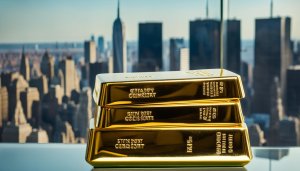
These bars are a staple for investors due to their manageable size and value. Brands like the Pamp Lady of Liberty are popular, often commanding a premium due to their quality and craftsmanship. The standardization and ease of storage make 10 oz bars a preferred choice for both new and seasoned investors looking for a balance between cost and liquidity.
Additionally, the premium on these bars can vary based on the brand’s reputation and the bar’s artistic design. Collectors often seek bars with unique designs or limited editions, which can add numismatic value beyond the intrinsic silver content. As such, the choice of bar can be both a financial and aesthetic decision.
10 oz Silver Coins
While less common than bars, 10 oz silver coins offer collectors and investors a different way to own silver. They can feature unique designs and sometimes hold numismatic value beyond their silver content. The artistic and historical significance of these coins can make them highly desirable, with some collectors willing to pay a premium for rare or limited edition pieces.
Furthermore, 10 oz coins can serve as a functional investment tool, blending bullion value with collectible appeal. These coins often celebrate historical events, cultural symbols, or national heritage, making them attractive to both investors and collectors interested in diverse portfolio additions.
Pricing Factors
The price of 10 oz silver products can vary based on several factors, including the brand, design, and market conditions at the time of purchase. Premiums over the spot price can also affect the final cost. Understanding these premiums involves assessing factors such as production costs, demand for specific designs, and the bar or coin’s condition.
Market conditions, such as fluctuations in the spot price of silver or changes in economic outlook, can also influence premiums. Collectors and investors should be mindful of how these elements interplay to affect pricing and seek to purchase when premiums are favorable. Knowledge of these factors can guide more strategic purchasing decisions. 
by Scottsdale Mint (https://unsplash.com/@scottsdalemint)
How to Find the Best Price for 10 oz Silver
For those looking to buy 10 oz silver, finding the best price involves research and strategic purchasing. Here’s how to get started:
Compare Different Sellers
Prices can vary significantly between different dealers and platforms. Comparing prices from multiple sources can help you find the most competitive rates. Online platforms often offer more competitive pricing due to lower overhead costs compared to brick-and-mortar stores. However, consider shipping fees and insurance when purchasing online, as these can affect the overall cost.
Additionally, reputation and reliability are crucial when selecting a seller. Researching customer reviews and industry ratings can provide insights into the credibility and service quality of different dealers. A trustworthy dealer ensures product authenticity and a smooth transaction experience, which are vital for protecting your investment.
Watch for Market Fluctuations
Silver prices can change rapidly. Keeping an eye on market trends and economic indicators can help you time your purchase to take advantage of lower prices. Tools such as price alerts, financial news platforms, and market analysis reports can provide timely information to guide purchasing decisions.
Understanding the broader economic climate, including interest rates, inflation expectations, and geopolitical events, can also offer clues about future price movements. By staying informed, investors can better anticipate market shifts and optimize their buying strategies accordingly.
Consider Bulk Purchases
Buying in larger quantities can sometimes offer discounts or lower premiums per ounce. However, ensure your investment strategy aligns with such purchases. Bulk purchases can benefit from economies of scale, reducing the cost per unit and enhancing overall investment efficiency.
Before committing to bulk buying, assess your liquidity needs and storage capabilities. While bulk buying can be cost-effective, it requires careful planning to ensure that it aligns with your financial goals and does not overextend your resources. Consider diversifying within your silver holdings to manage risk effectively.
Monitor Premiums
The premium over the spot price can vary based on the product’s brand, scarcity, and market demand. Understanding these premiums can help you make more informed buying decisions. Premiums can fluctuate with changes in production costs, shifts in consumer preferences, and variations in international demand for specific silver products.
Monitoring premium trends over time can reveal patterns and opportunities for cost-effective purchases. By analyzing historical data and staying updated on market developments, investors can identify strategic entry points for buying 10 oz silver at favorable premiums.
Conclusion
The price of 10 oz silver bars is influenced by a multitude of factors, from market demand and economic conditions to specific product premiums. By staying informed about current trends and understanding the factors that affect pricing, you can make more strategic investment decisions. Whether you’re a seasoned investor or new to precious metals, knowledge is your most valuable asset in navigating the silver market. Stay updated, compare options, and be ready to seize opportunities when they arise. Embrace the dynamic nature of the silver market, and let informed decision-making guide your investment journey toward achieving your financial objectives.
Q&A
Question: What are the main factors that influence the price of a 10 oz silver bar?
Short answer: Supply and demand dynamics, mining output, and the broader economic and political climate all move prices. Interest rate changes, currency fluctuations (especially the US dollar), and inflation expectations also play key roles by altering investor demand and silver’s relative attractiveness.
Question: Why might an investor choose a 10 oz silver bar over a 10 oz coin or other sizes?
Short answer: Ten-ounce bars balance cost, liquidity, and storage convenience, often carrying lower premiums than coins. Coins can offer numismatic appeal and unique designs, but that collectible value typically comes with higher premiums; the better choice depends on whether you prioritize stacking low-cost silver or collecting.
Question: What determines the premium over spot for 10 oz silver products, and how can I minimize it?
Short answer: Premiums reflect brand reputation, design/artistry, scarcity, production costs, and real-time market demand. To reduce premiums, compare multiple reputable dealers, watch premium trends, consider less design-driven products, factor in shipping/insurance, and, when it fits your plan, use bulk purchases to lower per-ounce costs.
Question: How do green energy and industrial uses impact 10 oz silver prices?
Short answer: Silver’s role in electronics, medical devices, and especially solar panels boosts structural demand. As renewable energy initiatives and technologies expand (including EV components), this industrial pull can support higher prices and contribute to volatility alongside investment demand.
Question: What’s a practical approach to finding the best time and place to buy 10 oz silver?
Short answer: Track market trends and economic indicators, set price alerts, and compare offers across multiple dealers while weighing shipping, insurance, and seller reputation. Stay flexible, monitor premiums as well as spot price, and consider larger orders only if they align with your liquidity and storage plans.