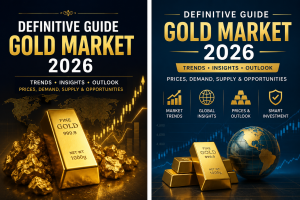
1000g gold
Gold has always been a symbol of wealth and stability. Whether you’re an investor or simply curious about gold’s value, understanding the price of a 1000g gold bar is crucial. This guide will explore everything from the current gold rate to gold market trends. By delving into the historical context and current market dynamics, you’ll gain a deeper appreciation for this precious metal and its place in the global economy. 
Summary
This guide explains how to evaluate the price of a 1000g (1 kg) gold bar by linking current spot rates to premiums, fees, taxes, and local market factors. It outlines key price drivers—macroeconomic conditions, central bank policy, geopolitics, and supply–demand dynamics—set against historical trends. Practical sections cover daily pricing (including India-specific influences), market updates and analysis, investment options and tips, and forecasting. It also clarifies bullion fundamentals such as purity, refiner reputation, and storage/insurance considerations that affect long-term value.
The Current Gold Rate
The price of gold, like any commodity, is influenced by a variety of factors. The current gold rate fluctuates based on global economic conditions, geopolitical events, and changes in currency value. To keep up with the gold price today, it’s essential to follow financial news and updates. Gold rates can also be affected by speculative trading, where investors buy and sell based on anticipated price movements, further adding to the volatility.
Economic indicators such as inflation rates, interest rates, and economic growth projections can significantly impact gold prices. For instance, in times of economic uncertainty or when inflation is on the rise, investors often turn to gold as a safe haven, driving up demand and prices. Additionally, central bank policies and decisions can have a profound effect on gold prices, as they influence currency values and global economic stability.
Gold Price History
Gold price history provides insights into how gold’s value has evolved over time. Historically, gold has been seen as a safe haven during economic downturns. By examining past trends, investors can make informed decisions about future investments. Looking back, the price of gold has experienced significant highs and lows, often corresponding with major global events such as financial crises or geopolitical tensions.
Analyzing historical data can also reveal long-term trends and cycles in the gold market. For example, during the 1970s, gold prices surged due to high inflation and political instability, while the 1980s saw a decline as economic conditions stabilized. Understanding these patterns can help investors anticipate potential future movements and adjust their strategies accordingly.
Supply and Demand Dynamics
The gold market is driven by supply and demand. When demand for gold increases, such as during times of economic uncertainty, prices tend to rise. Conversely, when supply outpaces demand, prices may fall. Understanding these dynamics can help predict future gold price trends. The supply of gold is largely influenced by mining production and recycling activities, while demand is driven by various sectors such as jewelry, technology, and investment.
In recent years, emerging markets like China and India have played a significant role in driving gold demand, as rising wealth and cultural preferences boost consumption. Additionally, technological advancements have increased the use of gold in electronics and other industries, further impacting demand. On the supply side, geopolitical factors, environmental regulations, and mining costs can all affect production levels, influencing the overall balance between supply and demand.
1000g Gold Bar Price Insights

1000g Gold Bar Price Today
As of today, the price of a 1000g gold bar varies based on several factors, including purity and market conditions. A 1000g 24k gold bar, known for its highest purity, commands a premium price. To find the most accurate and up-to-date prices, check reputable financial websites or consult with a gold dealer. The price can also be influenced by transaction fees, taxes, and the dealer’s premium, which varies based on location and market dynamics.
Investors should be aware that prices can fluctuate throughout the day due to real-time trading on global exchanges. Monitoring these fluctuations can provide opportunities for buying or selling at advantageous prices. Additionally, understanding the difference between spot prices and futures contracts can help investors make informed decisions about their gold purchases.
1000g Gold Bar Price in India
India is one of the largest consumers of gold, and the 1000g gold bar price in India is influenced by local demand, import duties, and currency exchange rates. It’s important for Indian investors to stay informed about these factors to make sound purchasing decisions. Cultural and religious factors also play a significant role in India’s gold market, with gold being a traditional gift during festivals and weddings, driving seasonal demand spikes.
The Indian government frequently adjusts import duties and taxes on gold to manage the trade deficit and control domestic consumption. These policy changes can lead to sudden price shifts, impacting both buyers and sellers. Additionally, fluctuations in the Indian rupee against the US dollar can affect the cost of imported gold, further influencing local prices.
Gold Market Trends and Trading News
Gold Price Update and Analysis
Staying informed about gold trading news and gold price updates is crucial for investors. Regular analysis of market trends can help identify patterns and predict future movements. This information is vital for those looking to buy or sell gold. By keeping an eye on economic reports, geopolitical developments, and central bank policies, investors can better anticipate potential changes in gold prices.
Technical analysis, which involves studying charts and price patterns, can also provide valuable insights into gold market trends. Identifying support and resistance levels, trend lines, and moving averages can help traders make informed decisions about entry and exit points. Additionally, staying updated on industry reports and expert opinions can offer a well-rounded perspective on the gold market.
Gold Investment Tips
Investing in gold can be a lucrative endeavor if approached with the right strategy. Here are some tips for making wise gold investments:
- Diversify Your Portfolio: Don’t put all your money into gold. Diversify with other assets to spread risk. Consider including stocks, bonds, and real estate to create a balanced investment portfolio that can weather market fluctuations.
- Stay Informed: Regularly read gold market trends and news to stay ahead. Subscribing to financial newsletters, following industry experts on social media, and joining investment forums can provide valuable insights and keep you updated on the latest developments.
- Set Clear Goals: Understand your investment objectives, whether it’s wealth preservation or short-term gains. Determine your risk tolerance and time horizon, and develop a plan that aligns with your financial goals. Regularly reviewing and adjusting your strategy can help you stay on track and achieve your investment objectives.
- Consider Different Forms of Gold: While gold bars and coins are popular, consider other forms such as exchange-traded funds (ETFs) or gold mining stocks. These options can offer different levels of risk and return, allowing you to tailor your investment approach to your specific needs.
Gold Price Forecast
Predicting the future price of gold involves analyzing current market conditions, historical data, and economic indicators. While no forecast is guaranteed, experts often provide estimates based on these factors. Keeping an eye on gold price forecasts can aid in planning investment strategies. Economic reports, such as GDP growth, unemployment rates, and inflation data, can provide valuable context for understanding potential price movements.
Geopolitical developments, such as trade agreements, conflicts, or changes in government leadership, can also impact gold prices. By staying informed about these events and their potential effects on global markets, investors can make more informed decisions about their gold investments. Consulting with financial advisors and leveraging advanced analytical tools can further enhance your ability to forecast gold price trends.
The Value of Gold Bullion

by Andrej Sachov (https://unsplash.com/@ansach227)
Understanding Gold Bullion Value
Gold bullion refers to gold in bulk form, usually bars or ingots. The value of gold bullion is determined by its weight and purity. A 1000g gold bullion bar is a substantial investment, often sought after by those looking to preserve wealth. The intrinsic value of gold bullion makes it an attractive option for long-term investors who seek to protect their assets against inflation and economic uncertainty.
When assessing the value of gold bullion, it’s important to consider the current market price of gold, which fluctuates based on supply and demand dynamics. Additionally, the reputation and credibility of the mint or refiner producing the bullion can impact its marketability and resale value. Investors should also be mindful of storage and insurance costs associated with holding physical gold.
Factors Affecting Bullion Value
Several elements can affect the value of gold bullion, including:
- Purity: Higher purity means higher value. Gold bullion is typically measured in karats, with 24-karat gold being the purest form. The higher the purity, the more valuable the bullion, as it contains a greater proportion of gold relative to other metals.
- Market Conditions: Economic stability or instability can influence prices. During times of economic uncertainty, investors often flock to gold as a safe haven, driving up demand and prices. Conversely, in stable economic environments, demand for gold may decrease, leading to lower prices.
- Geopolitical Events: Conflicts or agreements between countries can impact gold’s value. Geopolitical tensions, such as wars or trade disputes, can create uncertainty in global markets, prompting investors to seek refuge in gold. Conversely, positive developments, such as peace treaties or economic cooperation, can lead to reduced demand for gold as a safe haven asset.
- Technological Advancements: Innovations in mining and refining techniques can affect the supply of gold bullion. As technology evolves, it may become easier and more cost-effective to extract gold, potentially increasing supply and impacting prices. Additionally, advancements in alternative materials and technologies could influence demand for gold in various industries.
Conclusion: Navigating the Gold Market
Understanding the intricacies of the gold market is essential for anyone interested in buying or selling gold. From the price of a 1000g gold bar today to the broader trends in gold trading, staying informed is key to making wise investment decisions. Whether you’re an investor looking for gold investment tips or someone curious about the current gold rate, this guide provides a solid foundation.
Remember, the value of gold is constantly changing, and staying updated with reliable information is crucial for success in the gold market. By following the tips and insights provided, you’ll be better equipped to navigate the world of gold investments and make informed decisions. Happy investing!
Frequently Asked Questions
Question: How do I figure out today’s price for a 1000g (1 kg) gold bar?
Short answer: Start with the live spot price of gold per gram, multiply by 1,000, then add real‑world costs. For a 24k (highest purity) bar, the base value aligns closely with spot. Your final price also includes the dealer’s premium, transaction/shipping fees, and applicable taxes or duties, all of which vary by location and market conditions. Because gold trades globally in real time, prices can change throughout the day—check reputable financial sites or a trusted dealer for the most up‑to‑date quote.
Question: What’s the difference between the spot price and what I actually pay for a 1000g bar?
Short answer: The spot price is the global benchmark for immediate, wholesale trade of unfabricated gold. Your “out‑the‑door” price reflects spot plus a dealer premium (covering fabrication, brand, logistics, and inventory risk), along with local taxes, fees, and sometimes shipping/insurance. Futures prices are separate—they’re contracts for later delivery, not the same as buying a physical bar today—so understanding spot vs. all‑in retail costs helps you compare offers accurately.
Question: Why can the 1000g gold bar price in India differ from global prices?
Short answer: India’s prices reflect more than the global spot rate. Key local drivers include import duties and taxes (which the government adjusts to manage trade balances), the INR–USD exchange rate (gold is imported and dollar‑priced), and strong cultural/seasonal demand around festivals and weddings. Policy changes or currency swings can cause sudden shifts, so Indian buyers should monitor duties, the rupee, and local demand trends.
Question: What major forces move gold prices over time?
Short answer: Gold reacts to macro conditions (inflation, interest rates, growth outlook), central bank policy, currency moves, and geopolitics. Investor behavior—especially safe‑haven buying during uncertainty and speculative trading—adds volatility. Fundamentals matter too: supply comes from mining and recycling; demand stems from jewelry, technology, and investment. Emerging markets like China and India are significant demand centers, while mining costs, regulations, and geopolitics influence supply.
Question: Beyond price, what affects the long‑term value and resale of a 1000g bullion bar?
Short answer: Purity and provenance matter: 24k bars from reputable refiners/mints are easier to sell and often command tighter spreads. Storage and insurance costs affect total returns, so plan where and how you’ll hold the bar. If you prefer less friction, consider alternatives like gold ETFs or mining stocks, which offer different risk/return profiles. Whatever you choose, diversify, set clear goals, and stay informed with market news, analysis, and (if you trade actively) basic technical levels—while remembering that any price forecast is an estimate, not a guarantee.