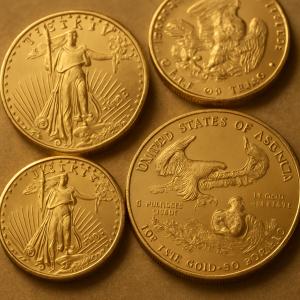
Current Trends in 1 oz Gold Coin Prices
In an era marked by economic fluctuations and geopolitical uncertainties, the allure of gold, particularly in the form of 1 oz gold coins, remains undiminished. As a recognized store of value, gold coins serve as a hedge against inflation and currency devaluation. Understanding the current trends in 1 oz gold coin prices is essential for both investors and collectors aiming to make informed decisions. In this article, we delve into the nuances of gold coin pricing, examining market dynamics, and considering future projections. 
Gold coins have been a staple of wealth and trade for centuries, offering a glimpse into the economic history of civilizations. Their enduring appeal is largely due to their intrinsic value, portability, and universal recognition. In contemporary times, 1 oz gold coins are not merely relics of the past but are pivotal in modern investment portfolios.
Gold’s Role Through Civilizations
Gold has held a significant place in the history of civilizations, from the ancient Egyptians who adorned themselves with gold to the Roman Empire, which used gold coins to facilitate trade. Each civilization that utilized gold left a lasting legacy, demonstrating its timeless value. This historical context underpins gold’s modern appeal, lending credibility and a sense of security to investors who see gold as a bridge between past economic stability and future financial security.
The Evolution of Gold Coinage
The process of minting gold coins has evolved significantly over the centuries. Initially, gold coins were hand-struck, each piece a unique creation. As technology advanced, so did the precision and efficiency of coin production, allowing for standardization in weight and purity. This evolution has made gold coins more accessible and desirable as investment tools, as collectors value both their historical charm and their modern-day practicality.
Gold as a Safe-Haven Asset
The intrinsic value of gold, combined with its historical stability, renders it a preferred choice during periods of economic instability. Investors gravitate towards gold coins as they offer a tangible asset that maintains value irrespective of the fiat currency’s fluctuations.
Gold has historically been viewed as a safe-haven asset, particularly during times of economic turmoil. Its ability to retain value even when other asset classes falter makes it a favored choice among investors seeking stability. In recent decades, gold has proven its resilience through various financial crises, reinforcing its reputation as a reliable store of value.
Beyond its economic stability, gold provides psychological comfort to investors. During market upheavals, the tangible nature of gold coins offers reassurance in contrast to the volatility of digital assets. This emotional aspect further cements gold’s position as a cornerstone in investment portfolios, attracting both seasoned investors and newcomers alike.
Factors Influencing 1 oz Gold Coin Prices
The price of 1 oz gold coins is not solely determined by the market value of gold. Several factors contribute to the pricing dynamics, including production costs, demand-supply imbalances, and geopolitical developments.
Market Demand and Supply Dynamics
The interplay between demand and supply is fundamental in determining gold coin prices. An increase in investor demand can drive up prices, especially when coupled with limited coin minting. Conversely, an oversupply can exert downward pressure on prices.
The dynamic between market demand and supply is complex, influenced by investor behavior, mining production, and minting capacities. During periods of high demand, mints may struggle to keep up, leading to premium increases on gold coins. Conversely, when demand wanes, mints may lower premiums to stimulate interest, highlighting the sensitive balance of this market.
Investment trends also play a crucial role in shaping demand. When economic forecasts predict instability, investors tend to flock to gold, perceiving it as a stable asset. This herd behavior can lead to sharp price increases as demand outstrips supply, offering insights into the psychology driving the gold market.
Geopolitical Tensions and Economic Policies

Geopolitical tensions, such as trade wars or conflicts, often lead to market volatility. In such times, the demand for safe-haven assets like gold escalates, impacting the price of gold coins. Additionally, economic policies, including interest rate adjustments by central banks, can influence investor sentiment towards gold.
Geopolitical events, ranging from elections to international conflicts, create uncertainty in global markets. This uncertainty typically leads to increased demand for gold coins as investors seek to hedge against potential economic fallout. Understanding the geopolitical landscape is thus essential for predicting shifts in gold coin prices.
Economic policies, particularly those related to monetary policy and inflation control, also play a critical role. Central banks’ decisions on interest rates can affect the attractiveness of gold as an investment. Low-interest rates often lead to a weaker currency, making gold more appealing as a hedge against potential currency depreciation.
Currency Fluctuations
Gold is often priced in U.S. dollars, making currency exchange rates a crucial factor in gold coin pricing. A weaker dollar typically results in higher gold prices as it becomes cheaper for investors holding other currencies to purchase gold.
The relationship between gold prices and currency fluctuations is a key consideration for investors. When the U.S. dollar weakens, gold becomes more affordable for those holding other currencies, increasing global demand. Conversely, a stronger dollar can suppress gold prices as it raises the cost for international buyers.
Currency volatility can also impact investor perceptions of gold as a stable asset. In times of currency instability, gold coins are often viewed as a safe investment, leading to increased demand and higher prices. This interplay between currency strength and gold valuation underscores the importance of considering global economic indicators when assessing gold coin markets.
Current Market Trends
In recent times, the gold market has seen a resurgence in interest, driven by a confluence of factors. Understanding these trends is critical for investors looking to optimize their portfolios.
Increased Investment in Gold ETFs
The rise of Exchange Traded Funds (ETFs) linked to gold has made it easier for investors to gain exposure to gold without physically holding the metal. This convenience has spurred demand, influencing the broader market trends and consequently the prices of physical gold coins.
Gold ETFs have democratized gold investment, allowing investors to buy shares that track the price of gold without dealing with the logistics of physical storage. This accessibility has attracted a broader range of investors, from institutional to retail, reshaping the demand landscape for gold coins.
The impact of gold ETFs on physical gold coin prices is significant. As more investors opt for ETFs, mints may adjust production to align with changing demand patterns. This shift has implications for both short-term pricing dynamics and long-term market trends, highlighting the interconnectedness of modern investment vehicles.
Central Bank Purchases
Central banks across various nations have been augmenting their gold reserves, contributing to the demand for gold. This trend is indicative of a strategic shift towards diversifying reserves and reducing reliance on fiat currencies.
Central bank purchases reflect a strategic approach to risk management, as countries seek to protect their reserves from currency volatility. This trend is particularly pronounced in emerging markets, where central banks are diversifying away from traditional reserve assets like U.S. treasuries.
The implications of central bank purchases on gold coin prices are substantial. As central banks buy more gold, they effectively reduce supply in the market, potentially driving up prices. This dynamic underscores the importance of monitoring central bank activities when assessing future trends in gold coin pricing.
Technological Advancements and Market Accessibility
The advent of technology has democratized access to gold markets, enabling more individuals to invest in gold coins. Online platforms offer real-time pricing and facilitate transactions, broadening the investor base and impacting market dynamics.
Technology has revolutionized the gold market, making it easier for investors to access real-time data and execute trades seamlessly. Online platforms provide transparency and efficiency, attracting tech-savvy investors who might have previously been deterred by the complexities of physical gold transactions.
This increased accessibility has led to a diversification of the investor base. Younger investors, in particular, are increasingly drawn to gold coins, appreciating their combination of historical significance and modern investment appeal. As technology continues to evolve, it is likely to further shape the landscape of gold coin investment, influencing both demand and pricing structures.
Price Forecasts and Future Projections

by Planet Volumes (https://unsplash.com/@planetvolumes)
Forecasting gold prices is inherently challenging due to the multifaceted factors involved. However, current analyses suggest a bullish outlook for gold coins, driven by sustained demand and economic uncertainties.
Economic Recovery and Inflation Concerns
As global economies rebound from recessionary pressures, inflation concerns are mounting. Gold is traditionally seen as an inflation hedge, which is likely to bolster demand for 1 oz gold coins.
The relationship between economic recovery and inflation is complex, with implications for gold coin prices. As economies recover, inflationary pressures often increase, prompting investors to seek out inflation-hedging assets like gold. This trend is expected to continue as global markets navigate the post-recession landscape.
Inflation concerns are not limited to any single region, making gold an attractive option for international investors. The global nature of inflationary pressures means that demand for gold coins is likely to remain robust, supporting a positive price trajectory.
Long-Term Investment Strategies
For long-term investors, gold coins offer stability and potential appreciation. Diversifying portfolios with gold can mitigate risks associated with economic downturns and currency devaluations.
Gold coins are an appealing choice for long-term investors seeking to diversify their portfolios. Their historical resilience and potential for appreciation make them a strategic addition to any investment strategy, particularly in uncertain economic environments.
The role of gold coins in long-term investment strategies extends beyond their financial benefits. They offer a tangible asset that can serve as a hedge against economic downturns and currency devaluations. This dual appeal makes them an attractive option for investors looking to safeguard their wealth over time.
Anticipating Market Shifts
Anticipating market shifts is crucial for investors looking to maximize returns on gold coin investments. Keeping abreast of economic indicators, geopolitical developments, and central bank policies can inform more strategic decision-making.
Investors who stay informed about market shifts are better positioned to capitalize on opportunities in the gold coin market. Understanding the broader economic context, including shifts in monetary policy and geopolitical developments, can provide valuable insights into future price movements.
The ability to anticipate market shifts is a critical skill for investors aiming to optimize their portfolios. By remaining vigilant and adapting to changing market conditions, investors can enhance their prospects for success in the dynamic gold coin market.
Conclusion
The current trends in 1 oz gold coin prices underscore the metal’s enduring appeal as a secure investment. With market volatility and economic uncertainties persisting, gold coins continue to offer a reliable hedge against potential financial adversities. Whether driven by historical significance, intrinsic value, or market dynamics, the allure of 1 oz gold coins remains robust. For astute investors and collectors, staying informed about these trends is paramount in navigating the complexities of the gold market.
The Enduring Allure of Gold
Gold’s timeless appeal lies in its unique combination of historical significance, intrinsic value, and market stability. Its role as a symbol of wealth and security continues to captivate investors and collectors alike, making it a cornerstone of investment portfolios.
In a world characterized by economic fluctuations and uncertainties, gold coins offer a sense of continuity and stability. Their enduring allure is a testament to their intrinsic value and historical significance, appealing to both seasoned investors and newcomers seeking a reliable store of wealth.
Navigating Market Complexities
Understanding the complexities of the gold market is essential for making informed investment decisions. By staying abreast of current trends and future projections, investors can navigate the intricacies of gold coin pricing and optimize their portfolios for long-term success.
Navigating the gold market requires a keen awareness of its many influencing factors, from geopolitical events to technological advancements. By staying informed and adapting to changing market conditions, investors can capitalize on opportunities and mitigate risks, enhancing their prospects for success in the dynamic world of gold coin investment.
Future Outlook
The future of 1 oz gold coin prices appears promising, driven by sustained demand and economic uncertainties. As investors continue to seek out gold as a hedge against inflation and currency devaluation, the market for gold coins is likely to remain robust, offering opportunities for growth and stability in the years to come.
The future outlook for gold coins is bright, with sustained demand and economic uncertainties supporting a positive price trajectory. As investors continue to view gold as a hedge against inflation and currency devaluation, the market for gold coins is likely to remain robust, offering opportunities for growth and stability in the years to come.
Q&A
Question: What factors, besides the spot price of gold, influence 1 oz gold coin prices?
Short answer: Beyond the metal’s spot price, coin prices reflect production and minting costs, premiums set by dealers and mints, and real-time demand–supply dynamics. Geopolitical tensions and monetary policy shifts (like interest rate changes) can spur safe-haven buying, widening premiums when mints struggle to meet demand. Currency movements—especially the strength of the U.S. dollar—also influence global affordability and, in turn, coin pricing.
Question: How do currency fluctuations—especially the U.S. dollar—affect gold coin prices?
Short answer: Because gold is typically priced in U.S. dollars, a weaker dollar makes gold cheaper for non‑U.S. buyers, often lifting global demand and prices. A stronger dollar has the opposite effect, potentially suppressing demand and easing prices. Periods of currency instability can further boost gold’s safe-haven appeal, supporting higher coin prices and premiums.
Question: What impact do gold ETFs have on the market for physical 1 oz coins?
Short answer: Gold ETFs make gaining exposure to gold easier, broadening the investor base and shaping overall demand trends that influence coin prices. When ETF demand rises, the underlying gold price can move higher, affecting physical coin prices even if some investors choose ETFs over coins. Mints may adjust production in response to shifting demand, and premiums on coins can expand or contract as physical buying ebbs and flows.
Question: Why do central bank gold purchases matter for individual coin investors?
Short answer: Central banks adding to reserves remove supply from the market and signal a strategic shift toward diversifying away from fiat currencies, both of which can support higher gold prices. This steady, institutional demand can tighten the market and contribute to premium firmness during strong buying cycles. Monitoring central bank activity helps investors anticipate potential tailwinds for 1 oz coin pricing.
Question: Are 1 oz gold coins suitable for long-term portfolios, and what should investors watch to anticipate market shifts?
Short answer: The article highlights a generally bullish outlook, noting gold’s role as a hedge against inflation and currency risk, and its stability through uncertainty—qualities that suit long-term diversification. To anticipate shifts, track inflation trends, central bank interest-rate moves, geopolitical developments, currency strength (especially the dollar), ETF flows, and mint supply conditions. Staying informed about these indicators helps time purchases and manage exposure as premiums and prices evolve.