The value of silver per ounce
In the ever-evolving world of precious metals, silver holds a unique position due to its versatility and affordability. Whether you’re an investor, a collector, or someone with a keen interest in the precious metals market, understanding the value of silver per ounce can be crucial. This comprehensive guide will delve into silver’s current market price, the myriad factors affecting its value, and effective strategies to track silver pricing trends. By exploring these areas, you can make informed decisions and enhance your understanding of this valuable commodity.
Summary
This guide explains how silver’s spot price (quoted per troy ounce) is set and how to track it. It highlights core drivers of value—supply and demand across industries, macroeconomic conditions, inflation and currency moves, and geopolitical events—while distinguishing spot from futures. It shows how to use live quotes, historical analysis, and financial tools, and applies valuation to sterling silver (0.925 purity), scrap silver, and coins (bullion vs collectible). Practical considerations include craftsmanship, rarity, storage, insurance, and liquidity.
Silver’s market price is a dynamic figure influenced by various elements, and understanding these nuances is vital for anyone involved in the silver trade.
The market price of silver, often referred to as the spot price, is the current cost for one ounce of silver on the open market. This price is not static; it fluctuates continuously due to the interplay of supply and demand, geopolitical factors, and economic indicators. As a benchmark, the spot price is crucial for transactions involving silver, whether in the form of coins, bars, or jewelry. It acts as a reference point, guiding buyers and sellers in the marketplace.
Understanding the spot price requires a grasp of the global silver market, where prices are set by major exchanges and influenced by trading activity. The spot price reflects the immediate delivery and settlement of silver, distinguishing it from futures contracts which are agreements to buy or sell silver at a future date. This distinction is important, as it affects how silver is traded and valued in different contexts.
Silver is typically priced per troy ounce, a unit of measurement standard in the precious metals industry. A troy ounce is approximately 31.1 grams, slightly heavier than the standard ounce used in everyday weight measurements. This specific measurement is rooted in history and tradition, ensuring consistency across global markets. The use of the troy ounce allows for uniformity in pricing, facilitating international trade.
To access the current value of silver per ounce, one can turn to live silver quotes. These quotes provide real-time pricing information, reflecting the latest market conditions. Investors and traders rely on these updates to make timely decisions, as even slight price fluctuations can impact profit margins. The real-time nature of these quotes underscores the importance of staying informed and responsive to market changes.
Silver’s price has evolved over centuries, influenced by historical events, technological advancements, and societal changes.
By examining the historical context of silver pricing, one can gain insights into its current market dynamics. Throughout history, silver has been used as currency, a store of value, and an industrial commodity, each role influencing its market price differently.
In recent decades, technological advancements and the rise of emerging markets have significantly impacted silver’s value. As new uses for silver emerge, particularly in electronics and renewable energy, its demand and consequently its price, have seen notable changes. Understanding these historical shifts can provide a foundation for predicting future trends and making informed investment decisions.
The value of silver is subject to a multitude of factors, each playing a role in its market dynamics.
By understanding these influences, investors can better anticipate price movements and make strategic decisions.
Supply and demand are the primary drivers of silver’s market value.
When demand for silver in various industries such as electronics, jewelry, and solar energy rises, the price tends to increase. This demand is often driven by technological advancements and consumer trends, making it essential for investors to stay informed about industry developments.
Conversely, if the supply of silver exceeds demand, prices may fall. Factors such as mining output, recycling, and government stockpiling can influence supply levels. Understanding these supply dynamics is crucial for anticipating potential price changes and adjusting investment strategies accordingly.
Silver prices are highly sensitive to economic conditions.
During times of economic uncertainty, investors often turn to silver as a safe-haven asset, driving up its value. This behavior is rooted in the perception of silver as a stable store of value, offering protection against currency devaluation and economic instability.
Conversely, when the economy is strong, the demand for silver as an investment might decrease, potentially lowering its price. In such environments, investors may seek higher returns in equities or other riskier assets, reducing the appeal of silver. Understanding these economic cycles can help investors anticipate shifts in silver demand and adjust their portfolios accordingly.
Geopolitical tensions can have a significant impact on the price of silver.
Conflicts, trade disputes, and changes in government policies can create uncertainty in the markets, influencing investors’ decisions to buy or sell silver. These events can lead to sudden price spikes or drops, reflecting the market’s reaction to perceived risks.
Investors should closely monitor geopolitical developments, as they can provide valuable insights into potential market movements. By staying informed about global events, investors can better anticipate shifts in silver demand and make timely decisions to capitalize on market opportunities.
Silver is often seen as a hedge against inflation.
When inflation rises, the purchasing power of currency decreases, prompting investors to buy silver to preserve their wealth. This behavior is driven by the belief that silver maintains its value over time, offering protection against eroding purchasing power.
Additionally, fluctuations in currency values can affect silver prices, as the metal is traded globally. Changes in exchange rates can impact the cost of silver in different currencies, influencing demand and supply dynamics. Investors should consider these currency fluctuations when assessing silver’s value, as they can significantly impact returns.
Staying informed about silver pricing trends is essential for making informed investment decisions.
By monitoring real-time data, analyzing historical patterns, and utilizing financial tools, investors can gain valuable insights into the silver market.
To stay informed about silver’s market price, it’s essential to monitor live silver quotes.
These quotes provide real-time updates on the current value of silver per ounce, enabling investors to make informed decisions. Access to live data allows investors to react quickly to market changes, capturing opportunities and mitigating risks.
Live silver quotes are available through various platforms, including financial news websites, trading platforms, and mobile apps. These resources offer convenient access to up-to-date information, empowering investors to stay ahead of market trends. By regularly monitoring these quotes, investors can remain agile and responsive to changing market conditions.
Analyzing historical silver pricing trends can offer valuable insights into potential future movements.
By examining past patterns, investors can better understand how silver reacts to various market conditions and adjust their investment strategies accordingly. Historical data provides a context for current market dynamics, highlighting recurring patterns and potential turning points.
Investors should consider factors such as historical price ranges, volatility, and correlation with other assets when analyzing silver trends. By incorporating these elements into their analysis, investors can develop a comprehensive understanding of the silver market and identify potential opportunities for profit.
There are numerous financial tools and platforms available that track the market value of silver per troy ounce.
These tools often include charts, graphs, and news updates, providing a comprehensive view of the silver market. By leveraging these resources, investors can gain a deeper understanding of market dynamics and make informed decisions.
Financial tools can also offer advanced features such as technical analysis indicators, historical data analysis, and customizable alerts. These capabilities enable investors to tailor their approach to the silver market, enhancing their ability to identify trends and capitalize on opportunities. By utilizing these tools, investors can improve their decision-making process and optimize their silver investments.
Sterling silver is a popular form of silver used in jewelry and decorative items.
Understanding its value is essential for buyers, sellers, and collectors seeking to make informed decisions.
Sterling silver is an alloy consisting of 92.5% pure silver and 7.5% other metals, usually copper.
This composition enhances the metal’s durability, making it ideal for crafting jewelry and other decorative items. The addition of copper provides strength and resistance to tarnishing, ensuring the longevity of sterling silver products.
The use of sterling silver dates back centuries, with its origins in European coinage and trade. Today, it remains a popular choice for artisans and manufacturers, valued for its beauty and versatility. Understanding the composition and characteristics of sterling silver is essential for appreciating its value and potential uses.
The value of sterling silver per ounce is determined by the current silver spot price and the purity of the alloy.
To calculate the value, multiply the spot price by 0.925 (the percentage of pure silver in sterling silver). This calculation provides a baseline for assessing the market value of sterling silver items.
In addition to the spot price, factors such as craftsmanship, design, and historical significance can influence the value of sterling silver.
Unique or rare pieces may command a premium, reflecting their desirability among collectors and enthusiasts. By considering these elements, buyers and sellers can gain a comprehensive understanding of sterling silver’s value.
The value of sterling silver is influenced by the same factors as pure silver, including supply and demand, economic conditions, and geopolitical events. Additionally, the craftsmanship and design of a sterling silver piece can impact its market value. High-quality workmanship and unique designs often command higher prices, reflecting their appeal to collectors and buyers.
Market trends and consumer preferences also play a role in determining the value of sterling silver. Changes in fashion, design trends, and cultural influences can impact demand for sterling silver products, influencing their market value. By staying informed about these trends, buyers and sellers can better anticipate shifts in the sterling silver market.
Scrap silver represents an opportunity for individuals to recycle and profit from unused or unwanted silver items.
Understanding its value can help sellers maximize returns and make informed decisions.
Scrap silver refers to any silver item that is no longer in its original form or intended use.
This can include broken jewelry, silverware, or industrial by-products. Scrap silver is often sold to refiners or recyclers, who process the metal for reuse in various applications.
The value of scrap silver is primarily determined by its weight, purity, and the current silver spot price.
By understanding these factors, sellers can assess the potential value of their scrap silver and make informed decisions about selling or recycling.
To determine the scrap value of silver per ounce, you’ll need to consider the item’s weight, purity, and the current silver ounce rate.
Subtract any costs associated with refining or melting down the silver to obtain the net value. This calculation provides a realistic assessment of the potential returns from selling scrap silver.
It’s important to note that the condition and type of scrap silver can also impact its value.
Items with unique designs or historical significance may command higher prices, reflecting their appeal to collectors. By considering these factors, sellers can optimize their returns and make informed decisions about their scrap silver.
If you have scrap silver, you can sell it to refiners, jewelers, or online buyers.
Be sure to research potential buyers and compare offers to ensure you receive a fair price for your scrap silver. By obtaining multiple quotes, sellers can assess the market and negotiate the best possible deal.
It’s also important to consider the reputation and reliability of potential buyers.
Working with reputable refiners or dealers can ensure a smooth transaction and protect against potential scams. By taking these precautions, sellers can confidently navigate the scrap silver market and maximize their returns.
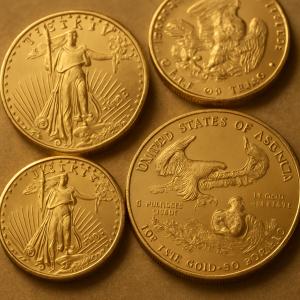
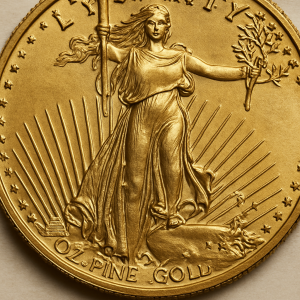
Silver coins offer a unique investment opportunity, combining the intrinsic value of silver with historical and collectible appeal.
Understanding their value can help investors and collectors make informed decisions.
Silver coins can be classified into two categories: collectible and bullion.
Collectible coins are valued for their rarity, historical significance, or unique design, while bullion coins are valued primarily for their silver content. This distinction influences their market value and appeal to different types of buyers.
Collectible coins often command higher prices due to their desirability among collectors and historical enthusiasts. In contrast, bullion coins are typically valued based on their silver content, offering a more straightforward investment opportunity. Understanding these differences can help investors and collectors navigate the silver coin market effectively.
The value of silver coins per ounce depends on several factors, including the coin’s weight, purity, and condition.
For collectible coins, rarity and demand will also play a significant role in determining their market value. These elements can create significant price variations, reflecting the diverse nature of the silver coin market.
Investors should consider factors such as historical significance, mintage numbers, and market demand when assessing the value of silver coins.
By conducting thorough research and analysis, investors can identify valuable opportunities and make informed decisions in the silver coin market.
Investing in silver coins can be a rewarding endeavor, as they often appreciate in value over time.
To make informed investment decisions, research the silver pricing trends and historical performance of specific coins. This analysis can provide valuable insights into potential future movements and investment opportunities.
Investors should also consider factors such as storage, insurance, and market liquidity when investing in silver coins.
These elements can impact the overall cost and potential returns of a silver coin investment. By carefully evaluating these factors, investors can optimize their silver coin portfolio and achieve their investment goals.
Silver is a versatile and valuable asset with a market price that fluctuates based on various factors.
Understanding the value of silver per ounce, whether in the form of bullion, sterling silver, or coins, is essential for investors, collectors, and enthusiasts alike. By keeping an eye on live silver quotes, monitoring historical trends, and using financial tools, you can stay informed and make educated decisions in the ever-changing silver market. With a comprehensive understanding of silver’s value and market dynamics, you can confidently navigate this intriguing and rewarding investment landscape.
Q&A
Question: What is the silver spot price, and how is it different from futures prices?
Short answer: The spot price is the current market cost for one troy ounce of silver for immediate delivery and settlement. It changes continuously based on trading activity on major exchanges. Futures prices, by contrast, are for contracts to buy or sell silver at a set date in the future. This distinction matters because spot underpins day-to-day transactions (coins, bars, jewelry), while futures are used to lock in prices ahead of time and can reflect different market expectations.
Question: Why is silver quoted per troy ounce, and how much is that?
Short answer: Silver is priced per troy ounce to maintain a consistent, centuries-old standard used across global precious metal markets. One troy ounce is approximately 31.1 grams, slightly heavier than the everyday (avoirdupois) ounce, ensuring uniformity in international pricing and trade.
Question: What factors most influence the value of silver per ounce?
Short answer: Silver’s price is driven by:
- Supply and demand: Industrial use (electronics, jewelry, solar), mining output, recycling, and government stockpiles.
- Economic conditions: Safe‑haven buying often rises during uncertainty; in strong economies, investment demand can ease.
- Geopolitics: Conflicts, trade disputes, and policy shifts can trigger sharp moves.
- Inflation and currencies: Silver is viewed as an inflation hedge, and exchange‑rate changes affect global pricing and demand.
Question: How can I track the current price of silver and identify trends?
Short answer: Use live silver quotes from financial news sites, trading platforms, and mobile apps to see real‑time prices. For trends, review historical charts to assess ranges, volatility, and relationships with other assets. Many tools offer technical indicators, deep historical data, news feeds, and customizable alerts, helping you react quickly and make more informed decisions.
Question: How do I estimate the value of different silver items (sterling, scrap, and coins)?
Short answer:
- Sterling silver: Multiply the spot price by 0.925 to reflect its purity (92.5% silver). Craftsmanship, design, and rarity can add premiums.
- Scrap silver: Estimate value as weight × purity × spot price, then subtract refining/melting and transaction costs. Unique or historically significant items may be worth more than melt value.
- Coins: Bullion coins are valued mainly by silver content (weight and purity). Collectible coins depend additionally on rarity, condition, design, mintage, and demand. Consider storage, insurance, and liquidity when evaluating overall returns.