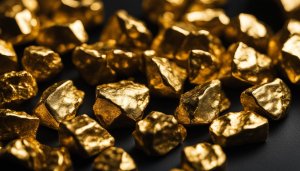
price per kilo of gold
Gold has been treasured for centuries, serving as a symbol of wealth and a reliable investment. Its allure and luster have captivated civilizations across time, making it not just a precious metal but a cultural cornerstone. Whether you’re a seasoned investor or a newcomer to the gold market, understanding the price per kilo of gold is crucial. This comprehensive guide will delve into the factors influencing gold prices, current market trends, and how to stay updated on live gold prices, ensuring you are well-prepared to navigate the complexities of the gold market. 
Summary
This guide explains the key drivers of the price per kilo of gold, including global supply and demand, macroeconomic indicators (inflation and interest rates), geopolitics, currency movements, and speculation. It reviews historical and recent trends, the roles of emerging economies and technology, and emphasizes the uncertainty of forecasts. You’ll find practical ways to stay updated on live prices through reputable sources, market monitoring, reports, alerts, and investor communities. The guide also outlines investment options—physical gold, ETFs/funds, mining stocks, futures/options, and digital gold—while stressing research, diversification, and staying informed.
Understanding the Price Per Kilo of Gold
The price per kilo of gold is determined by various factors, including supply and demand, geopolitical events, and currency fluctuations. These elements interact in a global marketplace where gold is traded around the clock. Gold is traded globally, and its price is often quoted in U.S. dollars. However, prices can vary depending on the local currency and market conditions, making it essential to understand both the macroeconomic landscape and regional influences.
Factors Influencing Gold Prices
Several key factors influence the price of gold, each with its own nuances and impacts:
- Supply and Demand Dynamics: As with any commodity, the price of gold is largely driven by supply and demand dynamics. Gold mining production, central bank policies, and jewelry demand all play a role in determining the supply and demand balance. The finite nature of gold and the cost of extraction mean that supply is relatively inelastic, while demand can fluctuate with economic conditions and cultural trends.
- Economic Indicators and Gold’s Role as a Safe Haven: Economic health indicators, such as inflation rates, interest rates, and GDP growth, can significantly impact gold prices. Investors often turn to gold as a safe haven during economic uncertainty, driving up demand and prices. When interest rates are low, the opportunity cost of holding gold decreases, boosting its appeal. Conversely, high inflation can erode currency value, prompting investors to seek refuge in gold.
- Geopolitical Events and Their Impact: Political instability, conflicts, and trade tensions can lead to fluctuations in gold prices. In times of crisis, gold is often seen as a stable investment, causing its price to rise. The metal’s universal acceptance and historical role as a currency make it a go-to asset during geopolitical upheavals.
- Currency Fluctuations and Their Effects on Gold Pricing: Since gold is typically priced in U.S. dollars, changes in the dollar’s value can influence gold prices. A weaker dollar often results in higher gold prices, as it becomes cheaper for investors using other currencies to buy gold. Conversely, a strong dollar can make gold more expensive for foreign buyers, potentially suppressing demand.
The Role of Speculation
Speculators, including hedge funds and individual investors, also play a role in gold pricing. Their buying and selling activities can lead to short-term price fluctuations, adding another layer of complexity to understanding gold prices. Speculation can amplify movements in the gold market, as traders respond rapidly to economic news, policy changes, and sentiment shifts. While speculation can introduce volatility, it also provides liquidity, allowing markets to function more efficiently.
Global Market Influences
The interconnectedness of global financial markets means that gold prices are influenced by international events and trends. Shifts in major economies, such as changes in monetary policy or economic performance in countries like China and India, can have ripple effects across the gold market. Understanding these global influences is essential for comprehending the broader context of gold pricing.
Technological and Industrial Demand
Beyond its traditional uses, gold’s role in technology and industry is expanding. Applications in electronics, medicine, and new technologies contribute to demand, influencing prices. Innovations and technological advancements can create new sources of demand, impacting the overall supply-demand equilibrium in the gold market. 
Current Gold Price Trends
Staying informed about current gold price trends is essential for making informed investment decisions. Gold’s performance can be affected by both longstanding trends and emerging developments in the global economy. Here are some key points to consider:
Historical Price Trends
Historically, gold has been a stable investment, maintaining its value over time. It has weathered economic downturns and geopolitical crises, often appreciating during periods of uncertainty. However, prices can experience significant fluctuations due to economic and geopolitical factors. By examining historical trends, investors can better understand potential future movements. Long-term trends in gold prices can provide insights into how the metal responds to various economic cycles and external shocks.
Recent Market Developments
In recent years, gold prices have experienced volatility due to factors such as the COVID-19 pandemic, global economic uncertainty, and changing monetary policies. These events have led to increased demand for gold as a safe-haven asset. The pandemic-induced economic slowdown, coupled with unprecedented fiscal and monetary stimulus, has created a unique environment for gold investment. Understanding recent developments helps investors contextualize current price levels and anticipate potential shifts.
Gold Price Forecast
While predicting future gold prices is challenging, analysts often provide forecasts based on economic indicators and market trends. These forecasts consider various scenarios, such as changes in interest rates, inflation expectations, and geopolitical developments. It’s important to consider these forecasts as part of a broader investment strategy, rather than relying solely on them for decision-making. Diversifying investments and maintaining a long-term perspective can mitigate risks associated with relying on short-term predictions.
Influences of Emerging Economies
The rise of emerging economies, particularly in Asia, has reshaped the gold market. Countries like China and India have become major consumers of gold, driving demand through jewelry purchases and investment. The economic trajectories of these nations can significantly impact global gold prices, making it important for investors to monitor trends in these regions.
Technological Innovations and Market Accessibility
Advancements in technology have transformed the way gold is traded and invested in. The rise of digital platforms and online trading has increased market accessibility, allowing more investors to participate in the gold market. This democratization of gold investment can influence price dynamics, as a broader base of investors contributes to liquidity and market depth.
How to Stay Updated on Gold Prices
To make informed decisions, it’s crucial to stay updated on live gold prices and market developments. The fast-paced nature of the gold market requires vigilance and timely information. Here are some tips for keeping track of gold prices:
Use Reliable Sources
Reliable financial news websites, such as Bloomberg, Reuters, and CNBC, provide up-to-date information on gold prices and market trends. These platforms offer comprehensive coverage, including expert analyses and market commentary. Additionally, dedicated precious metals websites often offer detailed analyses and forecasts. Seeking information from multiple reputable sources ensures a well-rounded understanding of the market.
Monitor Financial Markets
Keeping an eye on financial markets can help you understand how broader economic trends impact gold prices. Stock market performance, currency movements, and interest rate changes can all influence gold pricing. By observing correlations and divergences between gold and other financial assets, investors can gain insights into market sentiment and potential turning points.
Subscribe to Market Updates
Many financial institutions and investment platforms offer newsletters and alerts on gold prices and market trends. These updates can provide timely insights and highlight significant developments in the gold market. Subscribing to these updates can provide valuable insights and help you stay informed. Engaging with market updates allows investors to react swiftly to changes and adjust their strategies accordingly.
Engage with Industry Reports and Analyses
Industry reports and analyses from reputable financial institutions and research firms offer in-depth perspectives on the gold market. These reports often include expert opinions, data-driven insights, and projections, aiding in a comprehensive understanding of market dynamics. Regularly reviewing such reports can enhance your knowledge and investment acumen.
Participate in Investment Communities
Joining investment communities and forums can be a valuable way to exchange ideas and gain insights from fellow investors. Engaging in discussions with experienced investors can provide different perspectives and strategies for navigating the gold market. Collaborative learning and sharing experiences can enrich your understanding of gold investment. 
by Zlaťáky.cz (https://unsplash.com/@zlataky)
Investing in Gold: A Practical Guide
Investing in gold can be a strategic addition to your portfolio, providing diversification and a hedge against inflation. Gold’s enduring value and reputation as a store of wealth make it a compelling asset for investors seeking stability and potential returns. Here are some options for investing in gold:
Physical Gold
Investing in physical gold, such as coins and bars, allows you to own a tangible asset. This form of investment has a timeless appeal, offering direct ownership and control over your gold holdings. However, it’s important to consider storage and insurance costs when purchasing physical gold. Safe storage solutions, such as vaults or safety deposit boxes, are essential to protect your investment.
Gold ETFs and Mutual Funds
Exchange-traded funds (ETFs) and mutual funds that invest in gold offer an alternative to owning physical gold. These funds provide exposure to gold prices without the need for storage or insurance. They are traded on major stock exchanges, offering liquidity and ease of access. This option allows investors to benefit from gold’s price movements without the logistical challenges of physical ownership.
Gold Mining Stocks
Investing in gold mining companies can offer exposure to gold prices with the potential for additional returns. These stocks can provide leveraged exposure to gold, as their performance is linked to both gold prices and company-specific factors. However, it’s important to consider the risks associated with individual company performance and industry trends. Factors such as production costs, geopolitical risks, and management effectiveness can impact mining stocks.
Gold Futures and Options
For more experienced investors, gold futures and options offer opportunities to speculate on gold price movements. These financial instruments can provide leverage and potential for higher returns, but also come with higher risks. Futures and options allow investors to hedge positions and potentially profit from short-term price fluctuations. However, they require a deep understanding of market mechanics and risk management strategies.
Digital Gold and Blockchain Innovations
The rise of digital gold platforms and blockchain technologies has introduced new ways to invest in gold. Digital gold allows investors to purchase and trade gold in fractional amounts, providing accessibility and flexibility. Blockchain innovations ensure transparency and security, enhancing trust in digital gold transactions. Exploring these modern investment avenues can complement traditional gold investment strategies.
Conclusion
Understanding the price per kilo of gold and staying informed about market trends is essential for making informed investment decisions. By considering the factors that influence gold prices, monitoring market developments, and exploring different investment options, you can effectively navigate the gold market and enhance your investment strategy. Gold remains a valuable asset, offering stability and potential returns in uncertain economic times. Whether you’re looking to diversify your portfolio or hedge against inflation, investing in gold can provide a reliable foundation for your financial future.
Remember to conduct thorough research and consult with financial advisors before making investment decisions. With the right knowledge and strategy, gold can be a valuable addition to your investment portfolio. Adapting to changing market conditions and staying informed will empower you to make sound investment choices in the dynamic world of gold.
Q&A
Question: What actually determines the price per kilo of gold?
Short answer: Gold’s price is shaped by the interplay of global supply and demand, macroeconomics, and sentiment. On the supply side, mining output and central bank activity matter, and supply is relatively inelastic. Demand comes from investors (especially in times of uncertainty), jewelry buyers, and growing technological/industrial uses. Macroeconomic indicators—like inflation, interest rates, and GDP growth—influence gold’s appeal as a safe haven or alternative to interest-bearing assets. Geopolitical events (conflict, instability, trade tensions) often boost demand. Because gold is typically quoted in U.S. dollars, currency moves—especially a stronger or weaker dollar—shift global affordability. Finally, speculative trading can amplify short‑term volatility while adding market liquidity.
Question: Why is gold quoted in U.S. dollars, and how do currency moves affect what I pay locally?
Short answer: The U.S. dollar is the global benchmark for gold, so most international quotes are in USD. When the dollar weakens, gold often appears cheaper to non‑U.S. buyers, supporting higher dollar‑denominated prices. When the dollar strengthens, gold can become more expensive abroad, potentially softening demand. Locally, your effective price reflects both the global USD quote and your currency’s exchange rate, plus regional market conditions—so prices can diverge across countries even at the same moment.
Question: How can I stay updated on live gold prices and market-moving news?
Short answer: Use a mix of reputable, real‑time sources and context. Check financial news outlets like Bloomberg, Reuters, and CNBC, along with dedicated precious‑metals sites for quotes and analysis. Monitor broader markets—stocks, currencies, and interest rates—to see how macro trends might sway gold. Subscribe to alerts and newsletters from financial institutions or investment platforms for timely updates. For deeper context, review industry reports and research, and consider engaging with investment communities to compare views and strategies.
Question: What are the main ways to invest in gold, and what are the trade‑offs? Short answer:
- Physical gold (coins/bars): Tangible ownership and control; you must manage secure storage and insurance.
- Gold ETFs and mutual funds: Convenient, liquid exposure to gold prices without storage needs.
- Gold mining stocks: Potentially amplified moves versus gold prices, but also exposed to company‑specific and industry risks (costs, operations, geopolitics).
- Futures and options: Tools for hedging or leveraged speculation; higher risk and complexity, best for experienced investors.
- Digital gold/blockchain platforms: Fractional ownership with enhanced transparency and accessibility via technology.
Question: How do emerging economies like China and India influence gold prices?
Short answer: China and India are major gold consumers, especially through jewelry and investment demand. Shifts in their economic growth, income levels, and market sentiment can meaningfully alter global demand, sending ripple effects through prices. Because the gold market is globally interconnected, trends in these economies—along with policy or market changes—often show up in international pricing.