Price of Silver By Ounce
Silver has long captured the imagination and interest of a diverse range of people, from seasoned investors to collectors and everyday individuals. Its allure is not just in its beauty but also in its value, which can fluctuate based on numerous factors, including market demand and geopolitical events. Understanding the current price of silver today per ounce is crucial for making informed and strategic investment decisions. This article aims to explore live silver prices, delve deeply into silver market value, and discuss silver price trends that can help you better predict future movements and opportunities. 
Understanding the Factors Influencing Silver Prices
Silver prices, like those of other precious metals, are influenced by a complex interplay of economic, industrial, and geopolitical factors. A deeper understanding of these factors can provide insights into potential price movements and inform investment strategies.
Economic Factors
Economic conditions have a profound impact on the silver market. In times of economic uncertainty or recession, silver often becomes a refuge for investors seeking to protect their wealth. The demand for silver increases as it is perceived as a safe-haven asset, which in turn drives up its price. Conversely, during periods of economic growth and stability, the demand for silver may diminish as investors seek higher-risk, higher-reward opportunities, potentially leading to a decrease in silver prices. Additionally, monetary policies, such as interest rate changes by central banks, can also affect the value of silver as they influence currency strength and inflation expectations.
Industrial Demand
Silver’s role as an industrial metal cannot be overstated. It is integral to a wide range of applications, from electronics to solar panels, and its demand in these sectors can significantly influence its market value. For instance, technological advancements that increase the need for silver in electronics or renewable energy sectors can lead to a surge in demand, subsequently elevating its price. On the other hand, if alternative materials or technologies reduce the dependency on silver, it could lead to a decline in industrial demand and, consequently, its market price. Understanding these dynamics is crucial for investors looking to anticipate shifts in silver prices.
Geopolitical Events
Geopolitical tensions and events are key drivers of silver prices. Conflicts, trade disputes, and political instability can lead to an increased demand for safe-haven assets like silver and gold, as investors seek to mitigate risk. For example, during times of heightened geopolitical tension, the fear of economic sanctions or trade disruptions can cause investors to flock to precious metals, pushing prices upward. Moreover, policies and regulations affecting mining industries in silver-producing countries can also impact supply, thereby influencing prices. Keeping abreast of geopolitical developments is essential for those looking to invest in silver. 
Live Silver Prices: Staying Updated
To navigate the silver market effectively, staying updated on live silver prices is paramount. These prices are in constant flux due to market fluctuations and can be accessed through a variety of platforms, which play a critical role in informing investment decisions.
Financial News Websites
Financial news websites are a valuable resource for accessing live silver prices. They provide real-time updates and comprehensive analyses that can help investors understand the underlying reasons for price movements. Such platforms often include expert opinions and market forecasts, offering a well-rounded view of the silver market. Regularly visiting these sites ensures that investors remain informed and can react promptly to market changes.
Commodity Trading Platforms
Commodity trading platforms offer another avenue for tracking live silver prices. These platforms not only provide current pricing information but also allow users to engage in trading activities. They often include advanced tools and features, such as price alerts and historical data analysis, which can aid investors in making strategic decisions. Utilizing these platforms can help investors take advantage of price fluctuations to buy or sell silver at opportune moments.
Brokerage Firms
Brokerage firms are instrumental in providing access to live silver prices. They often offer personalized services, including investment advice tailored to individual portfolios and goals. By working with a brokerage firm, investors can benefit from professional insights and expertise, which can enhance their understanding of the silver market. This relationship can be particularly beneficial for those new to investing in precious metals, as it provides guidance and support in navigating the complexities of the market.
Analyzing Silver Price Trends
Understanding silver price trends is essential for gaining insights into the potential future direction of silver prices. Various methods and tools can be employed to analyze these trends and make informed predictions.
Historical Price Data
Examining historical price data is a foundational approach to analyzing silver price trends. By reviewing past price movements, investors can identify patterns and correlations with specific market conditions or events. This analysis can reveal how silver prices have reacted to economic cycles, technological advancements, or geopolitical events, providing valuable context for current market behavior. Understanding these historical trends enables investors to develop strategies that anticipate future price movements based on past performance.
Technical Analysis
Technical analysis is a powerful tool for predicting future silver price movements. It involves the study of price charts and the application of mathematical indicators to identify potential trends and patterns. Common tools used in technical analysis include moving averages, which smooth out price data to highlight trends; the relative strength index (RSI), which indicates overbought or oversold conditions; and Bollinger Bands, which assess market volatility. By employing these tools, investors can make more informed decisions about when to enter or exit the silver market, maximizing potential gains and minimizing risks.
Market Sentiment
Market sentiment plays a crucial role in influencing silver prices. It reflects the overall attitude of investors towards the market and can significantly impact demand and pricing. Positive sentiment, driven by factors such as economic optimism or favorable policy developments, can lead to increased demand for silver and higher prices. Conversely, negative sentiment, perhaps due to economic downturns or adverse geopolitical events, can result in decreased demand and lower prices. Monitoring market sentiment through news articles, social media, and analyst reports provides insights into the prevailing mood of the market, enabling investors to make decisions aligned with broader market trends. 
by rc.xyz NFT gallery (https://unsplash.com/@moneyphotos)
Comparing Silver with Other Precious Metals
When considering investments in silver, it’s essential to compare its performance with other precious metals, such as gold, platinum, and palladium. This comparison can provide valuable insights into the relative value of these metals and inform investment strategies.
Gold vs. Silver: A Historical Perspective
The historical relationship between gold and silver prices is often examined through the gold-to-silver ratio, which indicates how many ounces of silver are required to purchase one ounce of gold. This ratio serves as a tool for assessing the relative value of these metals. A high ratio suggests that silver is undervalued relative to gold, presenting potential buying opportunities for silver investors. Conversely, a low ratio may indicate that silver is overvalued, signaling a possible exit point. Understanding this historical perspective helps investors make more informed decisions about asset allocation within their precious metals portfolio.
Diversifying Your Precious Metals Portfolio
Diversification is a fundamental principle of investing, and it applies to precious metals as well. By holding a mix of gold, silver, and other precious metals, investors can mitigate risk and potentially enhance returns. Each metal has unique characteristics and responds differently to economic, industrial, and geopolitical factors. For instance, gold is often seen as a more stable investment, while silver’s dual role as a precious and industrial metal can lead to more significant price fluctuations. A diversified portfolio allows investors to capitalize on these differences, balancing risk and reward.
Evaluating Market Conditions
Evaluating market conditions is crucial when comparing silver with other precious metals. Factors such as economic indicators, industrial demand, and geopolitical developments can impact each metal differently. For example, a surge in technological advancements may increase demand for silver due to its industrial applications, while economic uncertainty might drive up gold prices as a safe-haven asset. By staying informed about market conditions and how they affect different metals, investors can make strategic decisions about their precious metals investments.
Investing in Silver: A Guide
Investing in silver can be a rewarding endeavor, but success requires a well-thought-out strategy. Here are some comprehensive tips to help you navigate the silver market effectively:
Determine Your Investment Goals
Before investing in silver, it’s crucial to clearly define your investment goals. Are you seeking short-term gains through market speculation, or are you interested in holding silver as a long-term store of value? Understanding your objectives will guide your investment decisions and help you choose the appropriate investment vehicle. Consider factors such as your risk tolerance, investment horizon, and financial goals when defining your strategy.
Choose the Right Investment Vehicle
There are several ways to invest in silver, each with its advantages and disadvantages. Some popular options include:
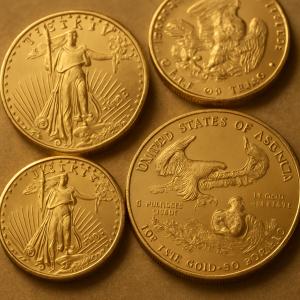
- Physical Silver (Coins and Bars): Investing in physical silver involves purchasing silver coins or bars, which can be stored securely. This option provides tangible ownership of the metal but may involve additional costs for storage and insurance.
- Silver Exchange-Traded Funds (ETFs): Silver ETFs offer a convenient way to invest in silver without the need to hold the physical metal. They are traded on stock exchanges and track the price of silver. ETFs provide liquidity and ease of trading but may involve management fees.
- Silver Mining Stocks: Investing in silver mining stocks involves purchasing shares in companies that mine and produce silver. This option offers exposure to potential profits from silver production but carries additional risks related to the mining industry.
Consider your risk tolerance, investment goals, and preferences when choosing the right investment vehicle for you.
Stay Informed and Monitor the Market
As with any investment, staying informed and monitoring the market is crucial for success. Regularly track the current silver rate, analyze silver ounce cost fluctuations, and remain updated on market news and trends. By doing so, you’ll be better equipped to make informed decisions and capitalize on potential opportunities. Utilize resources such as financial news websites, commodity trading platforms, and brokerage firms to stay abreast of market developments.
Conclusion
The price of silver per ounce today is influenced by a myriad of factors, including economic conditions, industrial demand, and geopolitical events. By understanding these influences and staying updated on live silver prices, you can make informed decisions about investing in silver.
Whether you’re a seasoned investor or new to the world of precious metals, analyzing silver price trends and comparing silver with other metals can provide valuable insights into the market. By following a well-thought-out investment strategy and staying informed, you can capitalize on opportunities in the silver market and achieve your investment goals. Remember, successful investing requires diligence, patience, and a willingness to adapt to changing market conditions.
Frequently Asked Questions
Question: What are the main factors that influence the price of silver per ounce? Short answer: Silver prices are shaped by economic conditions, industrial demand, and geopolitical events. In economic downturns or high uncertainty, investors often seek silver as a safe haven, lifting prices; stronger growth and rising rates can dampen demand. Silver’s heavy use in electronics and solar panels ties its price to industrial cycles and technological trends. Geopolitical tensions, trade disputes, and mining policy changes can also push prices up (via safe-haven demand) or down (through supply impacts).
Question: Where can I find live silver prices, and why does it matter? Short answer: You can track live silver prices on financial news websites, commodity trading platforms, and through brokerage firms. News sites provide real-time quotes and analysis, trading platforms add tools like alerts and historical data, and brokers offer personalized guidance. Staying updated helps you react to fast-moving markets and time buys or sells more strategically.
Question: How can I analyze silver price trends to make better decisions? Short answer: Combine historical price data, technical analysis, and market sentiment. Reviewing past moves shows how silver has behaved in different economic or geopolitical environments. Technical tools—such as moving averages, RSI, and Bollinger Bands—help spot trends and potential entry/exit points. Monitoring sentiment via news, social media, and analyst reports reveals the market’s mood, which can drive short-term price swings.
Question: How does silver compare with gold, and what is the gold-to-silver ratio? Short answer: Silver often fluctuates more than gold because it’s both a precious and industrial metal. The gold-to-silver ratio measures how many ounces of silver equal one ounce of gold; a high ratio can suggest silver is undervalued relative to gold (potential buy signal), while a low ratio may imply the opposite. Using this ratio helps with timing and allocation across precious metals.
Question: What are the main ways to invest in silver, and how do I choose? Short answer: Common options include physical silver (coins/bars), silver ETFs, and silver mining stocks. Physical silver offers tangible ownership but adds storage and insurance costs. ETFs track silver’s price with easy trading and liquidity, though they charge management fees. Mining stocks can outperform in bull markets but carry company and industry-specific risks. Choose based on your goals, risk tolerance, time horizon, and preference for simplicity versus potential upside.