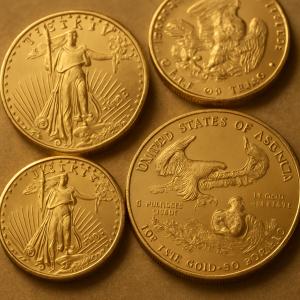
platinum market
The platinum market is a dynamic and multifaceted sector with various factors influencing its trends and pricing. Understanding these elements is crucial for investors and traders who wish to navigate the complexities of the market successfully. This article explores the current platinum market outlook, trading strategies, and emerging trends forecasted for 2025, including insights into the platinum and palladium carbon catalyst market. 
Platinum is a precious metal, much like gold and silver, and is widely used in various industries, including automotive, jewelry, and electronics. Its rarity and unique properties make it a valuable commodity in the global market. Despite its high value, the market dynamics of platinum are influenced by a distinct set of factors that set it apart from other precious metals.
Key Characteristics of Platinum
Platinum’s physical and chemical properties lend it unique advantages in industrial applications. It is highly resistant to corrosion and tarnish, making it ideal for long-lasting products. Its excellent conductivity and catalytic properties make it indispensable in various technological applications. Moreover, platinum’s scarcity adds to its allure and market value, as it is significantly rarer than gold.
Industrial Applications
The automotive industry is a primary consumer of platinum, utilizing it for catalytic converters that play a crucial role in reducing vehicle emissions. Beyond automotive uses, platinum is vital in the electronics industry for manufacturing components that require high precision and reliability. Its use in medical devices and equipment further underscores its importance in modern technology.
Economic and Geopolitical Influences
The platinum market is significantly impacted by global economic conditions and geopolitical events. Economic stability can drive demand for industrial applications, while political tensions can disrupt supply chains, affecting availability and prices. Investors closely watch these factors to make informed decisions about buying or selling platinum.
Environmental and Regulatory Factors
With increasing global emphasis on sustainability and environmental protection, regulations are becoming stricter. This shift is positively influencing the demand for platinum, particularly in automotive applications where emissions reduction is critical. As countries implement policies to combat climate change, platinum’s role as a catalyst in cleaner technologies is expected to grow.
Platinum Market Trends and Forecast for 2025

Current Market Trends
As of September 2025, the platinum market is experiencing a series of noteworthy trends:
- Rising Demand in Automotive Industry: The shift towards cleaner energy and stricter emission standards is driving increased platinum usage in automotive applications. The transition to electric vehicles also presents new opportunities for platinum as a component in hydrogen fuel cells.
- Technological Advancements: Innovations in mining and refining processes are improving the efficiency and sustainability of platinum production. Enhanced recycling techniques are also contributing to a more sustainable supply chain, reducing reliance on new mining operations.
- Increased Investment Interest: The metal’s role as a strategic investment asset is gaining traction, particularly in uncertain economic climates. Institutional investors are increasingly viewing platinum as a hedge against inflation and currency fluctuations, adding to its appeal.
Platinum Price Trends and Forecast
The price of platinum is subject to fluctuations influenced by supply and demand dynamics, geopolitical events, and economic indicators. Analysts are forecasting a positive price trend for platinum, driven by robust industrial demand and limited supply growth.
- Short-term Outlook: In the short term, platinum prices are expected to remain stable, with potential for modest increases as demand from the automotive and industrial sectors persists. Temporary disruptions in supply chains could lead to short-lived price spikes, offering opportunities for traders.
- Long-term Forecast: Looking ahead to 2025, the long-term forecast for platinum prices is optimistic, with potential for significant appreciation due to constrained supply and rising demand. The ongoing transition to green technologies and sustained industrial needs are likely to bolster prices further.
- Impact of Emerging Markets: Emerging markets, particularly in Asia, are poised to play a significant role in shaping the future demand for platinum. As these economies grow, their industrial and consumer needs will influence global platinum trends.
Trading Strategies for the Platinum Market
Successful trading in the platinum market requires a well-informed approach and the application of strategic trading techniques. Here are some effective strategies:
Fundamental Analysis
Fundamental analysis involves evaluating the underlying factors affecting platinum prices, such as supply-demand dynamics, geopolitical influences, and economic indicators. Traders should monitor news related to mining production, automotive industry developments, and central bank policies.
- Supply Chain Monitoring: Keeping an eye on developments in major platinum-producing countries can provide insights into potential supply disruptions. Events like labor strikes, political instability, or natural disasters can significantly impact production levels.
- Demand Forecasting: Understanding the demand trajectory in key industries, such as automotive and electronics, helps traders anticipate market movements. Monitoring regulatory changes in emissions standards can also indicate shifts in demand.
- Economic Indicators: Macroeconomic indicators, including inflation rates, interest rates, and currency strength, can influence investor sentiment and platinum prices. Analyzing these factors helps traders gauge market conditions effectively.
Technical Analysis
Technical analysis focuses on price charts and market data to identify trends and potential entry and exit points. Traders use tools like moving averages, RSI (Relative Strength Index), and MACD (Moving Average Convergence Divergence) to make informed decisions.
- Chart Patterns: Recognizing chart patterns, such as head and shoulders or double tops, can signal potential reversals or continuations in price trends. These patterns provide traders with strategic entry and exit points.
- Indicators and Oscillators: Tools like Bollinger Bands, stochastic oscillators, and Fibonacci retracements help traders assess market volatility and potential support/resistance levels. These indicators can refine trading strategies by offering additional market insights.
- Volume Analysis: Analyzing trading volumes alongside price movements can reveal the strength of a trend. High volumes during price increases or decreases can confirm the robustness of the observed trend.
Diversification
Diversification involves spreading investments across different asset classes to reduce risk. In the context of the platinum market, traders may consider diversifying into related commodities, such as palladium or silver, to hedge against market volatility.
- Cross-Commodity Strategies: Exploring investment opportunities in related metals like palladium, which often shares similar market dynamics with platinum, can offer alternative avenues for profit. Understanding the interplay between these metals helps mitigate risks.
- Geographic Diversification: Investing in mining companies across various regions can reduce exposure to country-specific risks. This strategy helps safeguard investments against localized disruptions and regulatory changes.
- Broader Portfolio Considerations: Including platinum as part of a diversified portfolio with stocks, bonds, and other commodities can balance risks and returns. This holistic approach ensures stability and potential growth across economic cycles.
The Role of Platinum and Palladium in Carbon Catalyst Markets

Platinum and Palladium Catalysts
Platinum and palladium are essential components in carbon catalyst markets, particularly for their role in reducing emissions in automotive applications. The demand for these catalysts is expected to rise as industries strive to meet environmental standards.
- Emission Reduction Technologies: Catalysts containing platinum and palladium are critical in converting harmful gases from automotive exhausts into less harmful emissions. Their effectiveness in meeting stringent environmental regulations is driving demand.
- Hydrogen Economy Growth: As the hydrogen economy gains momentum, platinum’s role in hydrogen fuel cells becomes increasingly important. These cells require platinum catalysts to efficiently convert hydrogen into electricity, presenting new market opportunities.
- Industrial Applications Beyond Automotive: Beyond vehicles, platinum and palladium catalysts are used in various industrial processes, including chemical manufacturing and pollution control, expanding their market scope.
Market Trends
The platinum and palladium catalyst market is anticipated to grow steadily, driven by advancements in catalyst technology and increased adoption in emerging markets. This growth presents opportunities for investors and industry players looking to capitalize on the evolving market landscape.
- Technological Innovations: Continuous research and development in catalyst technology are enhancing efficiency and reducing costs. These innovations are crucial for widespread adoption across industries, supporting market expansion.
- Emerging Market Dynamics: As developing countries industrialize, their demand for advanced catalyst technologies is expected to rise. This trend is opening new avenues for growth and investment in these regions.
- Regulatory Influence: Stricter global emissions standards are pushing industries to adopt more effective catalytic solutions, driving demand for platinum and palladium. Companies investing in sustainable technologies are likely to benefit from this regulatory push.
Conclusion: Navigating the Platinum Market
The platinum market offers numerous opportunities for investors and traders seeking to diversify their portfolios and capitalize on emerging trends. By staying informed about market dynamics, employing effective trading strategies, and understanding the role of platinum and palladium in catalyst markets, stakeholders can position themselves for success in this valuable sector.
In conclusion, the platinum market is poised for continued growth, with promising trends and opportunities on the horizon. Whether you’re an investor, trader, or industry professional, understanding the nuances of the platinum market will be key to navigating its complexities and reaping potential rewards. By leveraging insights into market drivers, adopting strategic trading practices, and acknowledging the critical role of platinum in green technologies, stakeholders can effectively navigate this evolving market landscape.
Q&A
Question: What makes platinum distinct from other precious metals in the market?
Short answer: Platinum is significantly rarer than gold and combines exceptional corrosion resistance with excellent electrical conductivity and catalytic properties. These traits make it indispensable in industrial applications—especially automotive, electronics, and medical devices—so its price and demand are driven not just by investment interest but also by real-economy usage.
Question: How are environmental regulations and the shift to cleaner energy affecting platinum demand?
Short answer: Stricter global emissions standards are boosting platinum use in automotive catalytic converters to reduce exhaust pollutants. At the same time, the transition to cleaner energy creates new avenues—particularly hydrogen fuel cells, where platinum is a key catalyst—supporting structural demand growth alongside traditional industrial needs.
Question: What is the price outlook for platinum through 2025, and what could move prices in the short term?
Short answer: Analysts expect a generally positive trajectory into 2025, underpinned by constrained supply and rising industrial demand. In the near term, prices are likely to be stable to modestly higher, with potential for brief spikes from supply chain disruptions; emerging market growth, especially in Asia, is another lever that can intensify demand and influence pricing.
Question: Which trading strategies are most effective for navigating the platinum market?
Short answer: A blended approach works best: use fundamental analysis to track supply-demand shifts, mining developments, automotive trends, and macro indicators like inflation, rates, and currencies; pair this with technical tools (moving averages, RSI, MACD, chart patterns, volume) to time entries and exits. Diversification—across related metals like palladium, across geographies, and within a broader portfolio—helps manage volatility and idiosyncratic risk.
Question: What roles do platinum and palladium play in carbon catalyst markets, and what trends are shaping this segment?
Short answer: Both metals are core to catalysts that convert harmful exhaust gases into less harmful emissions and are also used in broader industrial processes and hydrogen fuel cells. Growth is supported by technological innovations that improve efficiency and cut costs, rising adoption in emerging markets, and increasingly stringent environmental regulations that favor high-performance catalytic solutions.